• KGS/USD = 0.01144 0%
  • KZT/USD = 0.00212 0%
  • TJS/USD = 0.10432 -0.29%
  • UZS/USD = 0.00008 0%
  • TMT/USD = 0.28571 0.28%
  • KGS/USD = 0.01144 0%
  • KZT/USD = 0.00212 0%
  • TJS/USD = 0.10432 -0.29%
  • UZS/USD = 0.00008 0%
  • TMT/USD = 0.28571 0.28%
  • KGS/USD = 0.01144 0%
  • KZT/USD = 0.00212 0%
  • TJS/USD = 0.10432 -0.29%
  • UZS/USD = 0.00008 0%
  • TMT/USD = 0.28571 0.28%
  • KGS/USD = 0.01144 0%
  • KZT/USD = 0.00212 0%
  • TJS/USD = 0.10432 -0.29%
  • UZS/USD = 0.00008 0%
  • TMT/USD = 0.28571 0.28%
  • KGS/USD = 0.01144 0%
  • KZT/USD = 0.00212 0%
  • TJS/USD = 0.10432 -0.29%
  • UZS/USD = 0.00008 0%
  • TMT/USD = 0.28571 0.28%
  • KGS/USD = 0.01144 0%
  • KZT/USD = 0.00212 0%
  • TJS/USD = 0.10432 -0.29%
  • UZS/USD = 0.00008 0%
  • TMT/USD = 0.28571 0.28%
  • KGS/USD = 0.01144 0%
  • KZT/USD = 0.00212 0%
  • TJS/USD = 0.10432 -0.29%
  • UZS/USD = 0.00008 0%
  • TMT/USD = 0.28571 0.28%
  • KGS/USD = 0.01144 0%
  • KZT/USD = 0.00212 0%
  • TJS/USD = 0.10432 -0.29%
  • UZS/USD = 0.00008 0%
  • TMT/USD = 0.28571 0.28%

Viewing results 7 - 12 of 1543

Olimjon Toshkenboyev, Uzbek Tightrope Master and Cultural Figure, Dies

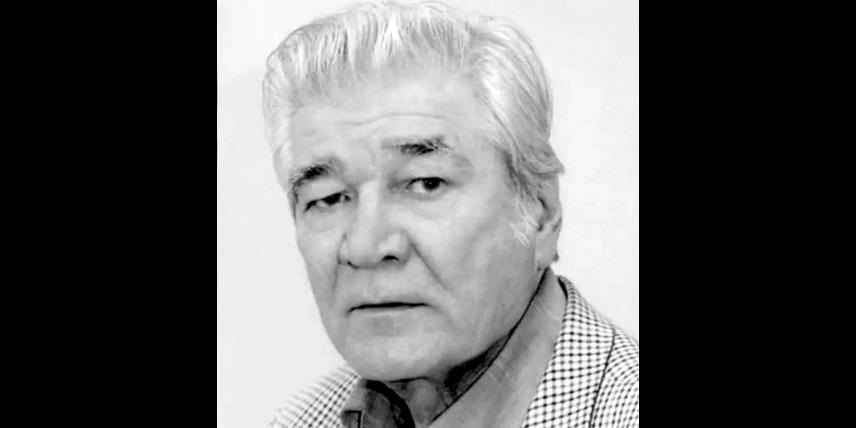
Olimjon Toshkenboyev, an acrobat from a family dynasty of performers who promoted the Uzbekistani tightrope walking art known as dorbozlik, has died at the age of 81. In a condolence message to Toshkenboyev’s family, Uzbekistan’s Ministry of Culture said he was “a famous representative of Uzbek circus art” who made big contributions to national heritage and was a mentor to many students. “Under his leadership, the ‘Uzbekistan Dorbozlari’ group successfully showcased their art in many foreign countries, including Poland, Germany, Egypt, Belgium, the Netherlands, Switzerland, Brazil, Argentina, Colombia, Ecuador, and others,” the ministry said on Telegram on March 28. Toshkenboyev, whose son and daughter participated in dorbozlik programs, was also the director of Uzbekistan’s state circus association. The Tashkent circus is housed in a landmark Soviet-era building that some observers have compared to a flying saucer. Dorbozlik has a storied history in Uzbekistan. Some accounts say ropewalkers participated in shows in the palace of Amir Temur, the 14th-century Central Asian conqueror who is also known as Tamerlane. “Dorbozes skillfully demonstrated their stunts (running back and forth; jumping; walking with knives and trays tied to their legs; dancing on one or paired ropes blindfolded and with a sack on their heads, etc.) by holding langar (a balancer or long balancing pole) on a rope, which was installed at the height of 25-30 m,” says a website listing Uzbekistan’s “intangible cultural heritage.” Ropewalkers' performances were combined with those of strongmen, illusionists, dancers, comedians and musicians, according to the account. As the folk art evolved, performances moved from fairgrounds and market squares to indoor circuses, wire replaced ropes, metallic poles replaced wooden ones, and safety belts were introduced. At a UNESCO meeting in Namibia in 2015, a committee noted that boys and men were the traditional practitioners of ropewalking in Uzbekistan, and girls were increasingly getting involved. It said there were more than 40 ropewalking troupes in Uzbekistan and that skills were transmitted from generation to generation within families. However, the committee did not accept Uzbekistan’s proposal that the art be included on the U.N. cultural agency’s list of intangible cultural heritage. It raised concerns about the danger, particularly to children, of ropewalking, as well as questions about the originality of the art, since other countries have similar types of performance.

From a Vanishing Sea to Milan’s Spotlight: When Apricots Blossom, a Lost Sea Speaks

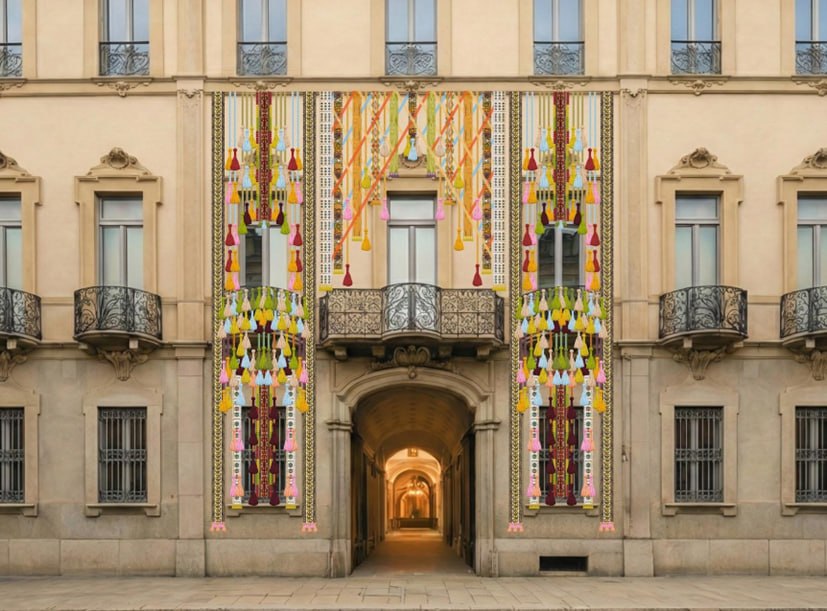
From April 20 to 26, 2026, Uzbekistan will present one of its most ambitious cultural projects to date at the Milan Design Week. Titled When Apricots Blossom, the exhibition will take place at Palazzo Citterio in Milan’s Brera district, transforming the historic space into a multi-layered exploration of craft, memory, and environmental change. Organized by the Uzbekistan Art and Culture Development Foundation, the exhibition is commissioned by its chairperson, Gayane Umerova, and curated by architect Kulapat Yantrasast, founder of WHY Architecture. Bringing together twelve international designers and Uzbek artisans, the project explores how traditional knowledge can help societies respond to environmental crises. At its core lies Karakalpakstan, an autonomous region in northwestern Uzbekistan that has experienced one of the world’s most severe ecological disasters. A Story Rooted in Loss and Resilience The exhibition takes its name from a poem by Hamid Olimjon, written in the 1930s as a reflection on hope and renewal. Today, that symbolism carries renewed relevance. For decades, the Aral Sea has been shrinking. Once one of the largest inland bodies of water in the world, it has lost more than 90% of its volume since the 1960s, largely due to irrigation policies that diverted its feeder rivers. The result is a transformed landscape of desert, salt plains, and fragmented ecosystems, with communities forced to adapt to rapid environmental change. [caption id="attachment_30520" align="aligncenter" width="2560"] Moynaq. Aral Culture Summit 2025; image courtesy of Iwan Baan and ACDF[/caption] Rather than focusing solely on loss, When Apricots Blossom highlights how communities continue to live, create, and adapt. Visitors enter through a façade transformed by a large textile installation by British designer Bethan Laura Wood, created in collaboration with Uzbek artisans. Drawing on decorative elements used in nomadic yurts, tassels, ribbons, and woven patterns, the work creates a vivid and tactile threshold. Inside the courtyard, an installation of apricot trees by Uzbek floral artist Ruben Saakyan sets the tone. The apricot, both a symbol of hospitality and a key Uzbek export, also reflects resilience, continuing to grow even in the harsh conditions of the Aral Sea region. Further inside, a “deconstructed yurt” designed by WHY Architecture serves as a central gathering space, reflecting the adaptability of nomadic shelter traditions. Craft as Knowledge, Not Decoration For Umerova, this distinction is central. “Craft in Karakalpakstan is more than tradition, it is a system of knowledge,” she told The Times of Central Asia. “It has evolved over centuries in close relationship with the land.” [caption id="attachment_46319" align="aligncenter" width="1440"] Handwoven textiles on a traditional loom at “When Apricots Blossom”; image: ACDF[/caption]   Umerova notes that materials such as wood, silk, felt, ceramic, and reed reflect a deep understanding of local ecosystems. These practices are passed down through generations, carrying both technical skills and cultural knowledge. In the context of the Aral Sea crisis, this knowledge takes on renewed importance. “The communities there have long developed ways of adapting to changing environments,” she told TCA. “Their craft traditions embody this resilience.” For Umerova, sustainability is as...

Kazakhstan Is Rethinking Its Healthcare System, Focusing on Prevention

Kazakhstan’s Ministry of Health has outlined updated investment and development plans for 2023-2027, signaling a shift in the country’s healthcare approach from treating diseases to preventing them, strengthening biosafety, and expanding mental health support. However, some experts warn that the new strategy could have unintended economic consequences, including the reallocation of budget funds toward information campaigns, digital initiatives, and infrastructure projects whose effectiveness may be difficult to assess. One of the key areas of reform is the prevention of noncommunicable diseases. Authorities are considering restrictions on advertising products high in salt, sugar, and trans fats, amid rising childhood obesity rates. According to the Food and Agriculture Organization of the United Nations, 21% of children in Kazakhstan aged 6-9 are overweight. Such restrictions could affect the media market. Research by the Institute for Fiscal Studies indicates that bans on advertising unhealthy food can reduce media revenues. In Kazakhstan, this could increase pressure on an industry already subject to limits on advertising alcohol, tobacco, and certain medications. At the same time, the ministry plans to expand public awareness campaigns, including video content and national initiatives such as “Salamatty shanyraq” (“Healthy Family”). Public health research suggests that the effectiveness of such campaigns can be difficult to measure, and their impact on behavior may be limited. Another priority is the creation of a “biological shield” system, including genomic and metagenomic surveillance, as well as the development of domestic pharmaceutical manufacturing. These initiatives are expected to attract up to $380 million in private investment. However, concerns remain about implementation capacity. Previous reports have highlighted inefficient use of medical equipment. In 2024, Health Minister Akmaral Alnazarova stated that expensive equipment in some medical facilities remained unused. In certain regions, shortages of trained specialists and necessary consumables have prevented effective deployment. The third component of the strategy focuses on mental health. Authorities plan to expand the network of specialized centers and introduce the uSupport digital platform to provide online consultations. At the same time, public trust in the state system remains limited. According to official data, individuals with addictions often avoid seeking treatment due to fears of being registered, which could restrict access to employment, education, and driver’s licenses. Experts also highlight the scale of gambling addiction. Estimates suggest that around 350,000 people in Kazakhstan suffer from compulsive gambling, while the growing availability of online casinos and microfinance services continues to contribute to rising household debt. The shift toward a preventive healthcare model aligns with global trends. However, analysts warn that without effective implementation, the reform could result in increased administrative pressure on businesses, inefficient public spending, and limited improvements in health outcomes.

Kyrgyz School in Tajikistan Closes Due to Lack of Students

The only Kyrgyz-language school in the Tajik town of Kanibadam has been reorganized following a sharp decline in student enrollment. By the time it closed, only one student and one teacher remained. According to an order from the mayor of Kanibadam, School No. 28 in the village of Sanjizor was converted into a branch of School No. 41, located in the neighboring village of Jahonzeb. Authorities attributed the decision to the low number of students. Firuza Abduvokhidzoda, head of the town's education department, said the sole student and teacher were transferred to Boarding School No. 40. Previously, the school had just one third-grade student, taught by a single teacher who also served as principal. Regional authorities attribute the situation to population outflow. Gulsara Mirzozoda, head of the Sughd Region Education Department, said the number of students and teachers has significantly decreased in recent years due to migration to Kyrgyzstan. Despite the lack of students, the school’s support staff continued to work. The building has a capacity of 208 students. School No. 28 was founded in 1932. At various times, up to 500 students attended, and the curriculum included instruction in the Kyrgyz language alongside standard subjects. As recently as last year, the school had three students, but a further decline in enrollment made it impossible to continue operating in its previous format. Local authorities have also linked the situation to broader regional developments, including border tensions and security concerns. The town previously gained notoriety following a series of violent incidents. As previously reported by The Times of Central Asia, between March and December 2024, 23 people from seven families were killed in a wave of violence in the area. The killings began on the night of March 28-29, when five members of a single family were found dead in their home.

Actor Rauan Akhmedov on Cinema in Kazakhstan and Why He Has No Interest in Hollywood

Rauan Akhmedov is one of Kazakhstan’s most sought-after young actors. Despite his rapidly rising career and growing international interest in Kazakh cinema, the 22-year-old says his priority is to continue developing within the domestic industry. In an interview with The Times of Central Asia, he discusses the state of cinema in Kazakhstan, the role of personal experience in his acting, and why tradition and modernity are not mutually exclusive. TCA: Your breakthrough came with Black Yard, directed by Dias Bertis. Is it true he noticed you while you were filming a small cameo in the series The Player? Rauan: Yes. I came to the audition, and we were rehearsing a scene with another candidate, I think he was reading for a doctor. We weren’t getting it right, so at some point the director stepped away. I then suggested to my scene partner that we try a different approach. Dias overheard us, came over, and said, “Switch roles.” We did, and he decided I should take the part. Apparently, he liked my performance, and later he invited me to Black Yard. TCA: You have three films coming out this spring. Is the Kazakhstani film industry becoming overcrowded? Do you feel the urge to work abroad? Rauan: Not yet. I want to follow my own path and realize my potential here. I believe Kazakhstani cinema can reach a very high level. I don’t dream about Hollywood. If I ever end up there, I want it to be through a Kazakhstani project. It’s important for me to stay at home, the language, the culture, the people. I want to grow here and contribute to the development of cinema in my country. Especially as audiences abroad are beginning to take an interest in our films. We haven’t conquered the world yet, but we’re improving all the time. Kazakhstan has strong potential. TCA: Would you describe yourself as a patriot? Rauan: Yes. I respect our filmmakers. When someone succeeds, when a film performs well at the box office, I’m genuinely pleased, even if it’s not my project. I think that once we overcome internal divisions and start supporting one another, we can achieve a great deal. TCA: Many films are now being shot in the Kazakh language. Does that give Kazakh-speaking actors a competitive advantage? Rauan: Probably. But in my view, that’s natural. Every country produces films in its own language. We are Kazakhs, who else will make films in Kazakh? At the same time, I respect all languages, Russian, English, Chinese. The more languages you know, the broader your perspective. TCA: You often portray characters from the 1990s, even though you were born in the 2000s. How do you research that period? Rauan: Partly through my parents. But it’s not that long ago, you can find a lot online, and I experienced some of it myself. For example, we had a rotary phone at home. We often used a VCR to watch home videos, family celebrations, my parents’ wedding. I saw how young they...

Traditional Kazakh Foods Find a Niche in Foreign Markets

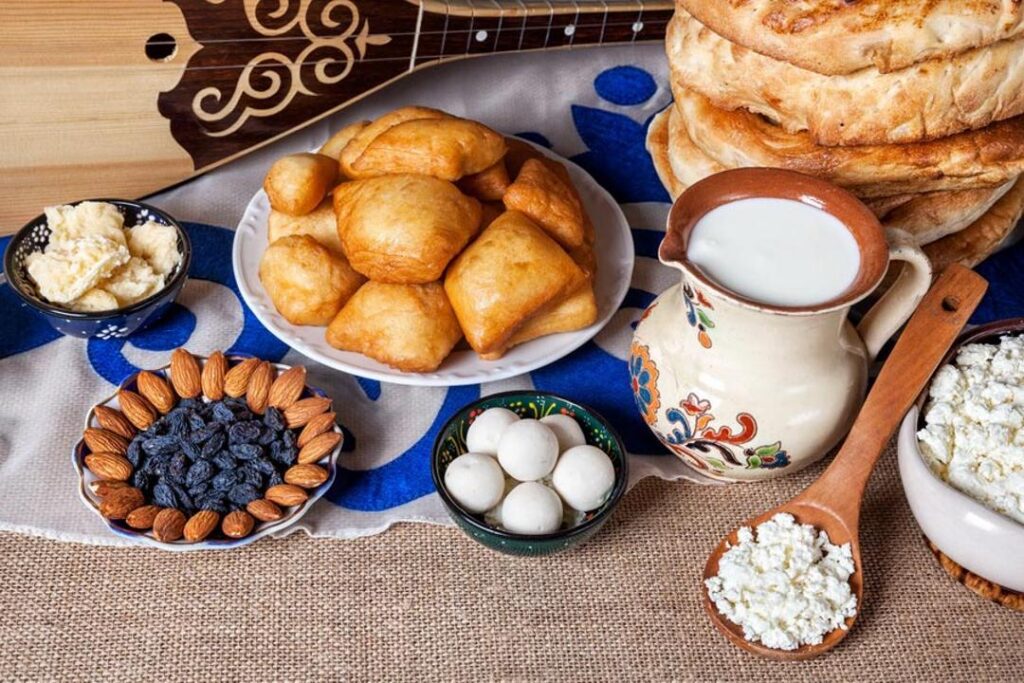
Traditional Kazakh food products such as kazy (a sausage-like delicacy made of horse meat), kumys (a fermented beverage made from mare’s milk), and kurt (dry cheese made from fermented milk) are now expanding beyond Kazakhstan's borders, becoming part of the country's export potential. According to QazTrade Trade Policy Development Center, with state support, the export of traditional Kazakh foods could reach $50-$80 million by 2028. Russia and China remain the largest markets for traditional Kazakh foods, as these countries are home to more than 2 million ethnic Kazakhs, which creates a stable demand for traditional products. Kurt and kumys are particularly popular on the Russian market. In China, especially in the Xinjiang Uyghur Autonomous Region, home to more than 10 million Muslims, there is growing demand for meat delicacies and halal products. The export of traditional Kazakh dairy products shows steady growth. The export of kumys, shubat (camel's milk), and ayran (fermented cow's milk) totaled $13.4 million in 2024 and $17.3 million in 2025 (a 29.4% increase). The main difficulty in exporting kumys is its short shelf life. Chilled kumys can be stored for only 3-5 days, so delivering it to more distant markets is a challenge. Producers are currently seeking solutions to this problem, including pasteurising it so that it can be stored for up to 30 days, as well as lyophilised kumys powder. Such products are already being supplied to China, although volumes remain modest for now. Kazakhstan's traditional foods are gradually finding their niche in foreign markets under a nomadic gastronomy brand, the cuisine of steppe culture, based on natural meat and dairy products. In October 2025, another Kazakh delicacy entered the U.S. market when Tary Coffee, a cafe aimed at introducing visitors to Kazakh cuisine and traditional products, began operating in Chicago. One of the products featured on the menu is talkan, which is made from roasted and ground grains. In addition to talkan, the cafe’s menu features traditional Kazakh foods such as millet, nawut (crystallised sugar), alongside various grain-based ingredients. According to Aitmukhamed Aldazharov, General Director of QazTrade, traditional Kazakh foods meet the world's growing demand for functional foods and superfoods. Kurt is a source of valuable microelements, while tary and talkan are becoming increasingly recognised by foreign buyers during trade missions and international exhibitions. “Traditional steppe food sells well and is in demand through networks of Kazakh restaurants and cafes abroad. For example, the famous cappuccino with tary, a kind of 'ground steppe coffee,' has already entered the U.S. market," he said.