• KGS/USD = 0.01144 0%
  • KZT/USD = 0.00193 -0%
  • TJS/USD = 0.10858 0.09%
  • UZS/USD = 0.00008 0%
  • TMT/USD = 0.28571 0%
  • KGS/USD = 0.01144 0%
  • KZT/USD = 0.00193 -0%
  • TJS/USD = 0.10858 0.09%
  • UZS/USD = 0.00008 0%
  • TMT/USD = 0.28571 0%
  • KGS/USD = 0.01144 0%
  • KZT/USD = 0.00193 -0%
  • TJS/USD = 0.10858 0.09%
  • UZS/USD = 0.00008 0%
  • TMT/USD = 0.28571 0%
  • KGS/USD = 0.01144 0%
  • KZT/USD = 0.00193 -0%
  • TJS/USD = 0.10858 0.09%
  • UZS/USD = 0.00008 0%
  • TMT/USD = 0.28571 0%
  • KGS/USD = 0.01144 0%
  • KZT/USD = 0.00193 -0%
  • TJS/USD = 0.10858 0.09%
  • UZS/USD = 0.00008 0%
  • TMT/USD = 0.28571 0%
  • KGS/USD = 0.01144 0%
  • KZT/USD = 0.00193 -0%
  • TJS/USD = 0.10858 0.09%
  • UZS/USD = 0.00008 0%
  • TMT/USD = 0.28571 0%
  • KGS/USD = 0.01144 0%
  • KZT/USD = 0.00193 -0%
  • TJS/USD = 0.10858 0.09%
  • UZS/USD = 0.00008 0%
  • TMT/USD = 0.28571 0%
  • KGS/USD = 0.01144 0%
  • KZT/USD = 0.00193 -0%
  • TJS/USD = 0.10858 0.09%
  • UZS/USD = 0.00008 0%
  • TMT/USD = 0.28571 0%
22 December 2025

Viewing results 445 - 450 of 1053

American Musicians Celebrate the Dutar During Tour of Turkmenistan

The Turkmen dutar, a two-stringed lute, and symbol of the nation’s musical heritage, left a lasting impression on American artists visiting Turkmenistan on a recent tour. Musicians Keith Bass, Aaron Young, and Richard Steighner praised the uniqueness of Turkmenistan’s traditional music during their performances as part of the “Broadway and Beyond” concert series. The tour began with its first concert on January 16 at the Mukam Palace in Ashgabat. The American performers shared the stage with the State Symphony Orchestra of Turkmenistan, led by conductor Rasul Klychev, and soloists from the State Choir. The concert program featured a mix of popular Broadway melodies and innovative interpretations of the works of Makhtumkuli Fraghi, the national Turkmen poet. A standout moment of the evening was the performance of “I Want to Feel the Wind,” a song based on Makhtumkuli’s poetry and composed especially for the tour. Beatboxer Richard Steighner highlighted the creative synthesis of styles that emerged during the collaboration. “Blending my beatboxing with the soft yet rich sound of the dutar was an unforgettable experience,” Steighner said. “The beauty of Turkmen music is astounding, and the dutar was a true revelation for us. We even incorporated it into an original piece, creating a unique fusion of traditional melodies and modern trends.” Keith Bass, another member of the ensemble, emphasized the value of cultural exchange. “Working with Makhtumkuli’s works gave us an opportunity to view music through a new lens. Every concert here has become a platform for creative experimentation,” Bass said. U.S. Ambassador to Turkmenistan Elizabeth Rood, who attended the Ashgabat performance, highlighted the role of cultural events in fostering international understanding. “Music and culture are bridges that unite people. We will continue to support projects that preserve cultural heritage and serve as symbols of friendship and trust,” Rood said. Following the debut in Ashgabat, the “Broadway and Beyond” series will continue with performances in Turkmenbashi, Balkanabad, and Dashoguz.

Kindergarten in Uzbekistan Stages Dangerous Show with Poisonous Cobras

A kindergarten in Uzbekistan sparked widespread outrage after staging a performance involving poisonous Central Asian cobras, a species listed in the Red Book of Uzbekistan's endangered plant and animals. Footage of the event, which was shared on social media, showed the snakes being handled in close proximity to children, raising serious concerns about safety and animal welfare. In the video, a man can be seen demonstrating two venomous snakes to a group of young children, with no apparent safety measures in place. The cobras were allowed to move freely on the floor near the children. The Uzbek language heard in the recording confirms the location as Uzbekistan, but the exact location of the kindergarten has yet to be identified. The incident has prompted public outcry, with many questioning the judgment of the organizers and the lack of safeguards for the children. So far, the Ministry of Preschool and School Education has refrained from issuing an official statement. The situation has caught the attention of the Children's Ombudsman in Uzbekistan. The Ombudsman’s press service announced that law enforcement agencies are actively working to determine the circumstances and location of the performance, as well as the identities of those responsible. A full investigation is underway, and the organizers’ actions will be subject to legal assessment once the inquiry is complete. This is not the first time unauthorized animal performances have taken place in Uzbekistan. In December of last year, a similar case was reported in the Koshrabad district of the Samarkand region. Two individuals held unauthorized shows at schools and kindergartens, featuring a tiger python. The snake was later confiscated and handed over to the regional department of ecology. These incidents highlight a recurring issue of unregulated animal performance in educational institutions, raising questions about safety, legal oversight, and the ethical treatment of wildlife.

Kazakhstan Restricts Potato Exports to Non-EAEU Countries Amid Price Surge

Rising potato prices in Kazakhstan have prompted the government to impose a six-month restriction on potato exports to non-Eurasian Economic Union (EAEU) countries, according to Tengrinews. The decision is aimed at stabilizing domestic prices and preventing further spikes. Price Surge Linked to High Export Demand The price increase has been driven by strong demand from neighboring countries, particularly Uzbekistan, and rising export prices. In 2024, Kazakhstan’s potato exports increased by 1.5 times, from 411,000 metric tons to 605,000 tons, according to government data. Export-oriented producers significantly raised their prices, increasing them from 170 KZT ($0.32) to 270 KZT ($0.51) per kilogram. This spike in export demand has directly impacted the domestic market, with retail prices soaring in many regions. For example: In Aktobe, potatoes were sold for no more than 200 KZT per kilogram in early January but doubled within a week. In supermarkets, prices have climbed to 388 KZT ($0.73) per kilogram, with some areas seeing prices as high as 400 KZT ($0.75) per kilogram. Even lower-quality potatoes have become more expensive, as sellers report rising costs with every new shipment. Export Restrictions to Stabilize Prices To address these challenges, the government has restricted potato exports to non-EAEU countries for six months. Exports to EAEU member states will continue but under stricter oversight. As part of these measures, the issuance of phytosanitary certificates for exports has been entirely suspended as of January 16, 2025. Sufficient Reserves to Meet Domestic Needs Despite the export restrictions, the Ministry of Agriculture has assured citizens that domestic reserves are sufficient to meet demand until the early 2025 harvest. As of January 19, reserves (excluding stocks in trade networks) amount to over 850,000 tons. Key figures from 2024 and early 2025 include: Total potato harvest (2024): 2.9 million tons, including 300,000 tons from the early harvest. Imports (2024): 56,000 tons. Consumption (August–December 2024): 844,000 tons. Exports (2024): 620,000 tons. Forecasted consumption (January–April 2025): 675,000 tons. The government’s measures aim to ensure that prices stabilize while maintaining sufficient supplies for domestic consumers until the next harvest. Growth vs. Food Security Kazakhstan’s decision to restrict potato exports to non-EAEU countries highlights the delicate balance between export-driven agricultural growth and ensuring food security at home. While the restrictions are expected to ease price pressures domestically, they underscore the challenges of managing supply chains and export demand in a region with fluctuating agricultural dynamics.

Spiritual Administration of Muslims of Kazakhstan Issues Statement on Quadroberism

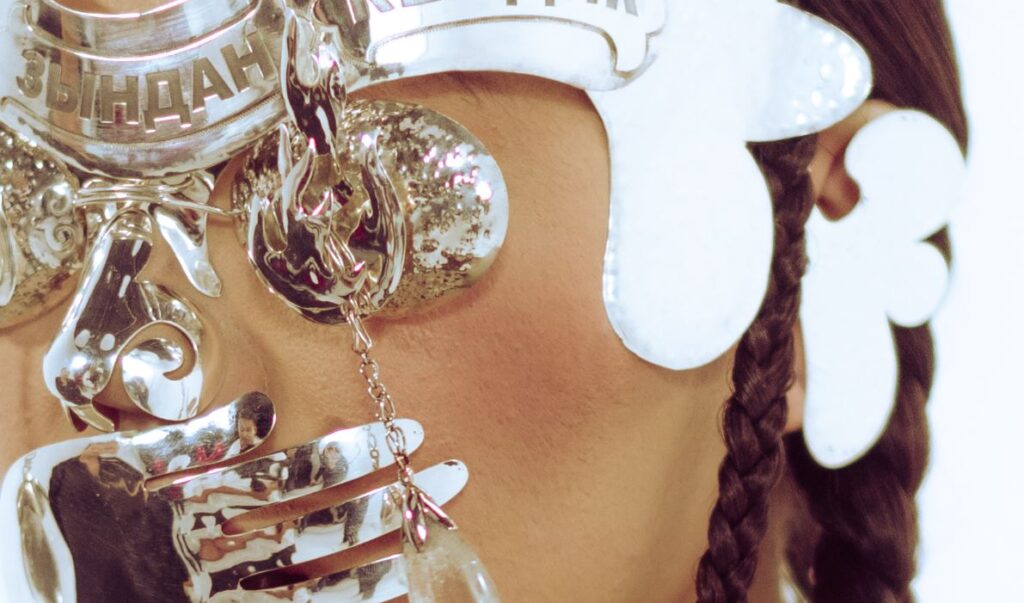
The Spiritual Administration of Muslims of Kazakhstan (DUMK) has expressed concern over the growing spread of "quadroberism" among children and adolescents. This phenomenon involves individuals imitating the habits of animals by wearing masks, tails, and ears, as well as behaving like fictional creatures. The DUMK addressed the issue in a recent statement. In its statement, the DUMK emphasized that Islam places humans above all other creatures, granting them reason and consciousness. To support this position, the administration cited verses from the Holy Quran: “We have honored the descendants of Adam, allowed them to move on land and sea, endowed them with benefits, and granted them a great advantage over the many whom We created.” Another verse states: “We created man in the best possible image.” The DUMK argues that the deliberate imitation of animals - including their habits, sounds, and behaviors - constitutes a distortion of divine creation. It further noted that Islam forbids any form of behavior that undermines the distinct identity of humans. For example, the imitation of one gender by another is prohibited, and, by extension, imitating animals is considered equally inadmissible under Shariah. Cultural Expressions vs. Quadroberism However, the DUMK drew a clear distinction between quadroberism and metaphorical comparisons or cultural expressions. The statement clarified that comparing humans to animals in a metaphorical sense - such as likening bravery to a lion, cunning to a fox, or patience to a camel - does not fall under the definition of quadroberism. Similarly, theater performances, children’s games, and other cultural activities that do not involve a change in personal identity are not condemned. The DUMK underscored that quadroberism, which includes imitating animal sounds, moving on all fours, and adopting animal behaviors, is "strictly prohibited by Shariah." Additionally, it addressed the trend of “quadrobics,” a form of exercise that involves running on all fours to imitate animals. This activity, derived from the combination of the words "quadro" (four) and "aerobics," was described as a concerning trend among youth. Quadroberism in Central Asia and Beyond The quadrober subculture, which involves young people mimicking animal behavior by running on all fours and using animal-themed accessories, has gained traction not only in Kazakhstan, but also in neighboring Uzbekistan and Russia. Authorities in these countries are taking measures to address the phenomenon. In Kazakhstan, deputies have proposed conducting a thorough study of the quadrober phenomenon and, if deemed necessary, developing legislation to combat it. In Uzbekistan, the Ministry of Internal Affairs announced that manifestations of the quadrober subculture among children and adolescents would be treated as a failure of parental responsibility, punishable by a fine of five basic calculation units. In Russia, State Duma deputies are drafting legislation to ban the promotion of destructive ideologies, including quadroberism. Russian lawmakers and psychologists have voiced concerns that the hobby could negatively affect children’s mental health. As the debate continues across the region, the DUMK’s statement adds a spiritual perspective to the growing conversation about the implications of quadroberism.

Tajikistan Opens Its First Digital Art Gallery Highlighting Local Activists’ Work

The Khujand branch of the NGO Office of Civil Liberties has launched Tajikistan's first digital art gallery, which showcases the work of local activists. The digital gallery features art that addresses pressing social issues, such as domestic violence, discrimination, and environmental threats. It includes a diverse range of art forms, including digital works, photography, stories, and videos. [caption id="attachment_27723" align="aligncenter" width="1296"] Sad Dollar by Timur Shapirov; image: tut-gallery.tilda.ws[/caption] Prominent Artists and Initiatives The platform features contributions from prominent Tajik artists, including Zilola Imomova and Amina Ayyubi. It also includes works by winners and participants of art "hackathons" previously organized by the Office of Civil Liberties in Dushanbe and Khujand. Representatives of the organization explained the gallery’s purpose: “We aim not only to support art activists, but also to draw society's attention to pressing problems.” [caption id="attachment_27720" align="aligncenter" width="642"] Motherlandy by Muharram Buranova; image: tut-gallery.tilda.ws[/caption] Art with a Message Each work in the gallery is accompanied by a description explaining the idea behind it. Many of the featured pieces delve into topics such as gender inequality and social stereotypes, reflecting the personal stories and lived experiences of the artists. "Motherlandy" by Muharram Buranova, for example reimagines a powerful heroine as a positive, feminine counterpart to Homelander. Motherlandy radiates strength and courage as she shields a young girl from harassment, standing tall amidst a menacing crowd of zombie-like men, embodying the oppression and cruelty faced by girls in Tajikistan. With her steadfast presence, Motherlandy becomes a beacon of hope, inspiring belief that justice is not only needed but possible. Through this initiative, the digital gallery is seeking to amplify the voices of activists and provoke meaningful conversations about social issues in Tajikistan.

Two Turkmen Citizens Arrested in Istanbul for Counterfeit Alcohol Production

Turkish authorities have detained two Turkmen citizens in Istanbul for their alleged involvement in the production and distribution of counterfeit alcoholic beverages, according to Turkish news agency NTV. The arrests come in the wake of a serious public health crisis in Istanbul, where 38 people have been poisoned by counterfeit alcohol within the past 24 hours. Of those hospitalized, 11 have tragically died. The suspects were reportedly operating in the Ziya Gökalp district of Istanbul. During a search of their residence, police discovered approximately 50 liters of counterfeit alcohol, 36 narcotic pills, fake migrant identification cards, and a large quantity of medical supplies. The Istanbul police have launched a comprehensive investigation into the incident. Authorities have revealed that 26 of those hospitalized due to poisoning were foreign nationals, underscoring the broader impact of the counterfeit alcohol trade. The Consulate General of the Republic of Uzbekistan in Istanbul has confirmed that six Uzbek citizens have died as a result of consuming the counterfeit alcohol. Among the deceased are five men and one woman. Further details about the investigation and potential charges against the detained suspects are awaited.