• KGS/USD = 0.01144 0%
  • KZT/USD = 0.00209 0%
  • TJS/USD = 0.10523 0%
  • UZS/USD = 0.00008 0%
  • TMT/USD = 0.28530 -0.14%
  • KGS/USD = 0.01144 0%
  • KZT/USD = 0.00209 0%
  • TJS/USD = 0.10523 0%
  • UZS/USD = 0.00008 0%
  • TMT/USD = 0.28530 -0.14%
  • KGS/USD = 0.01144 0%
  • KZT/USD = 0.00209 0%
  • TJS/USD = 0.10523 0%
  • UZS/USD = 0.00008 0%
  • TMT/USD = 0.28530 -0.14%
  • KGS/USD = 0.01144 0%
  • KZT/USD = 0.00209 0%
  • TJS/USD = 0.10523 0%
  • UZS/USD = 0.00008 0%
  • TMT/USD = 0.28530 -0.14%
  • KGS/USD = 0.01144 0%
  • KZT/USD = 0.00209 0%
  • TJS/USD = 0.10523 0%
  • UZS/USD = 0.00008 0%
  • TMT/USD = 0.28530 -0.14%
  • KGS/USD = 0.01144 0%
  • KZT/USD = 0.00209 0%
  • TJS/USD = 0.10523 0%
  • UZS/USD = 0.00008 0%
  • TMT/USD = 0.28530 -0.14%
  • KGS/USD = 0.01144 0%
  • KZT/USD = 0.00209 0%
  • TJS/USD = 0.10523 0%
  • UZS/USD = 0.00008 0%
  • TMT/USD = 0.28530 -0.14%
  • KGS/USD = 0.01144 0%
  • KZT/USD = 0.00209 0%
  • TJS/USD = 0.10523 0%
  • UZS/USD = 0.00008 0%
  • TMT/USD = 0.28530 -0.14%

Viewing results 133 - 138 of 1298

Kazakhstan Investigates Telegram Founder Pavel Durov for Swimming in Protected Kolsai Lake

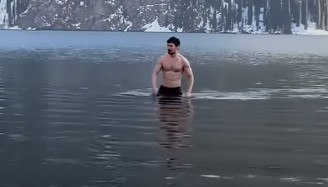
Pavel Durov, founder of the Russian messaging app Telegram, may face an administrative fine in Kazakhstan after posting a video of himself swimming in Kolsai Lake, a protected natural area where swimming and fishing are prohibited. Durov arrived in Kazakhstan in early October to participate in the Digital Bridge 2025 forum in Astana, later visiting Almaty. During the trip, he shared a video on his own Telegram channel that showed him emerging from the waters of Kolsai Lake in the Almaty region. The post sparked widespread reaction on social media, given the lake’s status as part of a national park with strict visitation rules. Under Kazakh law, violations of protected area regulations are punishable by a fine of up to $72. The Kolsai Lakes National Park administration confirmed that an official investigation is underway. Deputy Chairman of the Administrative Police Committee, Alexei Milyuk, said the case has been referred to the Ministry of Ecology and Natural Resources. “We have collected materials based on media reports and social media posts, registered them, and forwarded them to the appropriate authorities,” Milyuk told reporters. “The question of bringing Pavel Durov to justice is now being considered by the environmental authorities.” He added that penalties may be limited to a warning, with $72 being the maximum fine. Durov later posted a follow-up video showing himself holding a metal rod, stating that he had entered the water to retrieve an object he noticed protruding from the lakebed in an effort to clean the area. During his visit, Durov also announced the launch of Telegram’s AI Lab at the Alem.ai International Artificial Intelligence Center in Astana.

Tokayev Proposes Regional Nuclear Council in Kazakhstan

At the second Central Asia-Russia summit in Dushanbe, Kazakh President Kassym-Jomart Tokayev proposed establishing a regional council in Kazakhstan focused on nuclear fuel cycle expertise and radioactive waste management. The proposal follows last year’s national referendum in which over 70% of voters supported building a nuclear power plant (NPP) in Kazakhstan. Since then, the government has selected a site for the first plant and announced plans to construct at least two additional facilities. This summer, Rosatom began construction of the first NPP in the Almaty region in southern Kazakhstan. Tokayev has previously emphasized the need for Kazakhstan to develop domestic expertise in the peaceful use of nuclear energy, citing international best practices. He expanded on this vision during the Dushanbe summit. “Cooperation in the nuclear industry will ensure the development of a number of related industries, which is critically important for us,” Tokayev stated. “We propose to establish a Regional Council of Competencies in the field of the nuclear fuel cycle and radioactive waste management in Kazakhstan. It is important to strengthen the modern research base and the system for training qualified personnel. The first step in this direction has already been taken: a branch of the National Research Nuclear University MEPhI has opened in Almaty,” Tokayev said, referring to the Moscow-based institute that has conducted nuclear research since 1953. He added that Kazakhstan intends to continue developing this sector in cooperation with research institutions from both countries. Tokayev also highlighted recent progress in regional energy integration, citing the trilateral gas union between Russia, Kazakhstan, and Uzbekistan as a key development in ensuring stable gas supplies for both citizens and industry. “An important document on cooperation in the gas sector between Kazakhstan and Russia was signed recently in St. Petersburg,” he said, referencing a memorandum with Gazprom on the construction of a new gas pipeline from Russia to Kazakhstan to support domestic gasification. The president also underscored the strategic role of the Caspian Pipeline Consortium, which transported approximately 63 million tons of Kazakh oil to Europe in 2024. He noted the increasing significance of the so-called eastern vector for hydrocarbon exports. “Kazakhstan serves as a transit corridor for Russian oil to China, with volumes reaching up to 10 million tons per year. In 2024, deliveries have already surpassed this level. Given this momentum, there is potential to further increase capacity,” Tokayev said. As previously reported by The Times of Central Asia, the China National Nuclear Corporation (CNNC) has been awarded contracts to build the second and third nuclear power plants in Kazakhstan.

Kyrgyzstan to Open 100 Overseas Polling Stations for 2025 Parliamentary Elections

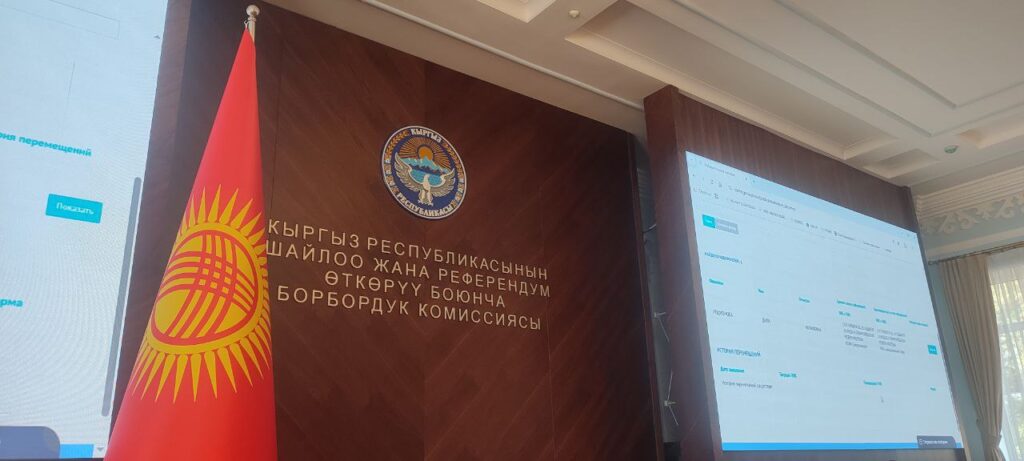
The Central Election Commission and Referenda (CEC) of Kyrgyzstan will open 100 polling stations abroad for the parliamentary elections scheduled for November 30, 2025, nearly double the number established during the previous election cycle, when 51 polling stations operated globally. The announcement was made by CEC Chairman Tynchtyk Shainazarov during a press conference in Bishkek. According to Shainazarov, the largest number of polling stations will be set up in Russia, 40 in total, including seven in Moscow and others across major Russian cities. Approximately 400,000 Kyrgyz citizens are officially registered as residing in Russia, the highest figure among all foreign countries. Additional polling stations will be opened in Turkey (8), the United States (6, including two in Chicago), South Korea (4), Italy (3), and in Germany and China (2 each). Several other capital cities worldwide will also host single polling stations. Shainazarov noted that the CEC has already dispatched five teams to Russian cities to conduct trial runs of the voting process. Test elections will be held on October 10, 20, and 30 in both Kyrgyzstan and Russia to identify potential technical or procedural issues. “I urge our citizens living in Russia to come and observe how the new system will function, how the equipment operates and how it prints ballots corresponding to the voter’s home district. Seeing the process firsthand will help people understand how the upcoming elections will be conducted,” Shainazarov said. Responding to a question from The Times of Central Asia about whether Kyrgyz citizens abroad would be able to vote remotely, Shainazarov confirmed that remote (electronic) voting has been fully suspended for the 2025 parliamentary elections. The decision, he said, was made to reduce the risk of vote-buying and electoral manipulation. “Electronic voting allows people to vote from home using a smartphone. Technically and legally, we are ready for it, but the risk of vote-buying remains too high; a candidate could pay voters and verify how they voted. That is unacceptable,” he explained. An exception will be made for voters who are physically unable to travel to polling stations due to medical reasons. In such cases, election commission staff will visit voters at home with the necessary equipment, provided a prior request is submitted to the CEC. This year’s elections will also introduce a new voting system: ballots for candidates from different constituencies will be printed directly at polling stations. According to the CEC, this measure is intended to help prevent ballot fraud and enhance transparency.  

Kazakh Lawmakers Propose Extending Import Benefits for Electric Vehicles

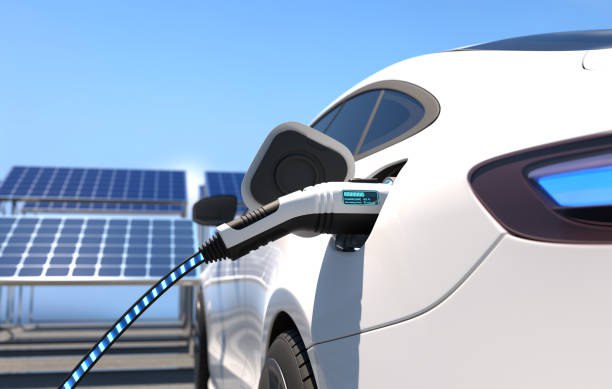
Olzhas Nuraldinov, a member of the Mazhilis, Kazakhstan’s lower house of parliament, has proposed that Prime Minister Olzhas Bektenov extend the country’s preferential import regime for electric vehicles (EVs). Under the Customs Union Commission’s Decision No. 130 of November 27, 2009, electric vehicles can currently be imported into Kazakhstan duty-free. However, the regulation imposes a quantitative cap, no more than 15,000 EVs in total, and is set to expire on December 31, 2025. As of September 25, 2025, more than 13,000 electric vehicles had been imported under the scheme, accounting for 87.2% of the quota, according to Kazakhstan’s State Revenue Committee. Lawmakers argue that it is unlikely the 15,000 vehicle threshold will be reached by year’s end and are therefore urging the government to extend the deadline. “Once the preferential regime expires, electric vehicle prices will rise by 30-40%, which will reduce demand and slow the development of eco-friendly transport,” Nuraldinov said in a formal parliamentary appeal to the prime minister. “We propose extending the preferential import regime for at least three more years and, if necessary, raising the issue with the Eurasian Economic Commission.” According to Nuraldinov, EV imports increased twelvefold in two years, from 1,245 units in 2022 to 15,700 in 2024. Some of these imports occurred outside the preferential framework, as roughly 1,900 vehicles can still be imported duty-free under the current quota. Despite this growth, electric vehicles still represent just 0.5% of all registered vehicles in Kazakhstan, compared to 35% in China and more than 22% in the European Union. Kazakhstan has over 6.4 million registered vehicles, more than 70% of which are over ten years old and emit five to seven times more pollutants than newer models, Nuraldinov noted. “Ending these benefits would undermine efforts to improve air quality and worsen environmental conditions,” he warned. “In Almaty, where the population exceeded 2.3 million this year, 80% of air pollution comes from vehicle emissions. Meanwhile, the electric transport sector has begun forming its own ecosystem, creating jobs, service centers, assembly sites, and a growing network of charging stations. Their number has increased from 200 to 1,200 nationwide.” As The Times of Central Asia previously reported, some lawmakers voiced concern in February about the potential strain that a growing EV fleet could place on Kazakhstan’s energy infrastructure.

Kyrgyzstan Launches Development of English Law-Based Dispute Resolution Center

The Kyrgyz Ministry of Justice and the British Embassy in Kyrgyzstan have signed a memorandum to establish an International Center for Dispute Resolution based on English law within the newly designated Special Financial Investment Territory “Tamchy.” The initiative follows legislation signed by President Sadyr Japarov establishing the Tamchy zone, a special legal and regulatory jurisdiction located in the Issyk-Kul region. The zone is designed to attract both domestic and foreign investment by offering tax incentives and a favorable business environment, particularly in sectors such as manufacturing, tourism, wellness, and transport infrastructure. A central component of the initiative is the creation of an international arbitration and dispute resolution center operating under English common law, a legal system based on judicial precedent and widely used in major financial hubs like London, Dubai, and Singapore. Under the memorandum, the British Embassy will support the Kyrgyz government by helping to engage a team of legal consultants to assist in implementing English law within the centre’s framework. The aim is to build a transparent, neutral, and internationally credible mechanism for resolving investment and commercial disputes in Kyrgyzstan. Government officials described the center as a strategic step toward building a modern, rule-based platform for impartial dispute resolution. By integrating English common law principles, Kyrgyzstan aims to enhance investor confidence, ensure legal predictability, and strengthen its position as a competitive and secure destination for international capital.

Kyrgyz Authorities to Confiscate Vehicles Damaging Mountain Ecosystems

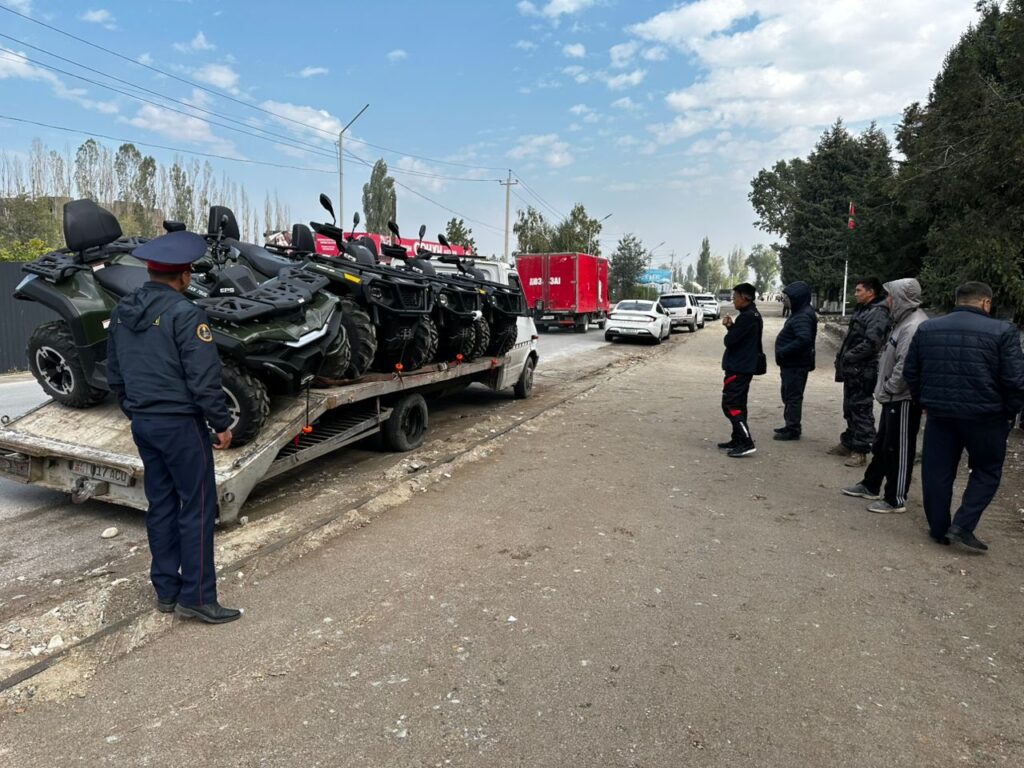
Kyrgyz President Sadyr Japarov has ordered law enforcement and environmental agencies to begin fining and in severe cases, confiscating vehicles used in a manner that damages mountain ecosystems, particularly in nature reserves and alpine pastures. In a social media post featuring a video of individuals riding quad bikes through mountainous terrain, reportedly within a protected area, Japarov called on the Ministries of Internal Affairs and Natural Resources to take immediate action. “Those driving gasoline-powered vehicles in mountain reserves and pastures should have them confiscated,” the president declared. Japarov said such incidents are occurring nationwide, with the reckless use of off-road vehicles and quad bikes leading to the destruction of fragile slopes and pastureland. “As seen in the video, quad bikes tear up slopes, burn grass, and destroy pastures. Most often these are our youth, but also adults and tourists. Despite existing roads, some choose to drive onto pastures, carving new tracks and damaging the natural landscape,” he said. He emphasized that this behavior degrades mountain ecosystems by trampling vegetation, damaging soil, and accelerating erosion. The president has directed the government to draft legislation authorizing the police and the Ministry of Nature to issue fines and seize vehicles used in ecologically harmful ways. “Where the road ends, continue on foot or horseback. Nature is our shared heritage, and we must preserve it for future generations,” he added. Japarov also called on local authorities to help identify violators and enforce ecological protection measures. Following the president’s directive, the Ministry of Natural Resources, Ecology and Technical Supervision, in coordination with local police, detained a group of individuals operating quad bikes in mountain areas. “They were informed about environmental safety rules, nature conservation, and relevant legislation,” the ministry said. The offenders were each fined 5,500 KGS (approximately $60).