• KGS/USD = 0.01144 0%
  • KZT/USD = 0.00208 0%
  • TJS/USD = 0.10440 0%
  • UZS/USD = 0.00008 0%
  • TMT/USD = 0.28571 0%
  • KGS/USD = 0.01144 0%
  • KZT/USD = 0.00208 0%
  • TJS/USD = 0.10440 0%
  • UZS/USD = 0.00008 0%
  • TMT/USD = 0.28571 0%
  • KGS/USD = 0.01144 0%
  • KZT/USD = 0.00208 0%
  • TJS/USD = 0.10440 0%
  • UZS/USD = 0.00008 0%
  • TMT/USD = 0.28571 0%
  • KGS/USD = 0.01144 0%
  • KZT/USD = 0.00208 0%
  • TJS/USD = 0.10440 0%
  • UZS/USD = 0.00008 0%
  • TMT/USD = 0.28571 0%
  • KGS/USD = 0.01144 0%
  • KZT/USD = 0.00208 0%
  • TJS/USD = 0.10440 0%
  • UZS/USD = 0.00008 0%
  • TMT/USD = 0.28571 0%
  • KGS/USD = 0.01144 0%
  • KZT/USD = 0.00208 0%
  • TJS/USD = 0.10440 0%
  • UZS/USD = 0.00008 0%
  • TMT/USD = 0.28571 0%
  • KGS/USD = 0.01144 0%
  • KZT/USD = 0.00208 0%
  • TJS/USD = 0.10440 0%
  • UZS/USD = 0.00008 0%
  • TMT/USD = 0.28571 0%
  • KGS/USD = 0.01144 0%
  • KZT/USD = 0.00208 0%
  • TJS/USD = 0.10440 0%
  • UZS/USD = 0.00008 0%
  • TMT/USD = 0.28571 0%

Viewing results 25 - 30 of 690

Uzbekistan Proposes Tougher Penalties for Violence Against Women and Children

Uzbekistan is preparing a comprehensive package of legal reforms aimed at eliminating violence against women and children and establishing a societal culture of zero tolerance toward abuse. The measures are outlined in a draft State Program tied to the implementation of the "Uzbekistan-2030" strategy and the national reform agenda for the Year of Mahalla Development and Community Advancement. Under the proposed reforms, criminal penalties for acts of violence against women and minors would be significantly increased. One of the most consequential provisions includes harsher sentencing for sexual crimes against children under 14, including the possibility of life imprisonment. The draft program also recommends transferring the investigation of sexual and violent crimes involving minors to the exclusive jurisdiction of the prosecutor’s office. Additionally, a specialized system of investigators and judges would be introduced, with dedicated training to handle sensitive cases involving abuse. These specialists would be responsible for both the investigation and adjudication of such cases, ensuring a more consistent and victim-centered approach. Another key component of the reform targets early and forced marriages. The program proposes administrative penalties for those who engage or betroth individuals below the legal marriage age. Sanctions could also apply to parents, guardians, or others who facilitate or promote underage unions, including those who publicly advocate for such practices. Officials say these steps are intended to entrench a culture of intolerance toward violence and to develop a more effective system for preventing early and forced marriages. The draft emphasizes the role of community-level engagement, with family and women's support centers expected to reach at least 40% of young couples through specialized educational programs. These initiatives will involve psychologists, legal professionals, and other experts to bolster domestic violence prevention efforts. If adopted, the measures are scheduled to take effect on April 1, 2026. In a related development, Kazakhstan’s Ministry of Health last year proposed tightening the application of chemical castration for individuals convicted of sexual offenses against children. According to draft amendments published on the Open NPA platform, Kazakhstan’s government-run portal for public discussion of draft legislation, the procedure would be administered six months prior to an inmate’s release, following a mandatory forensic psychiatric evaluation conducted up to a year in advance. Kazakhstan’s Health Ministry stated that this measure, regulated under Article 91 of the country’s Criminal Code, is designed to reduce the risk of recidivism during the immediate post-release period, which authorities view as particularly high-risk.
Olympic Boxing Champion Serik Sapiyev Assaulted by Deputy

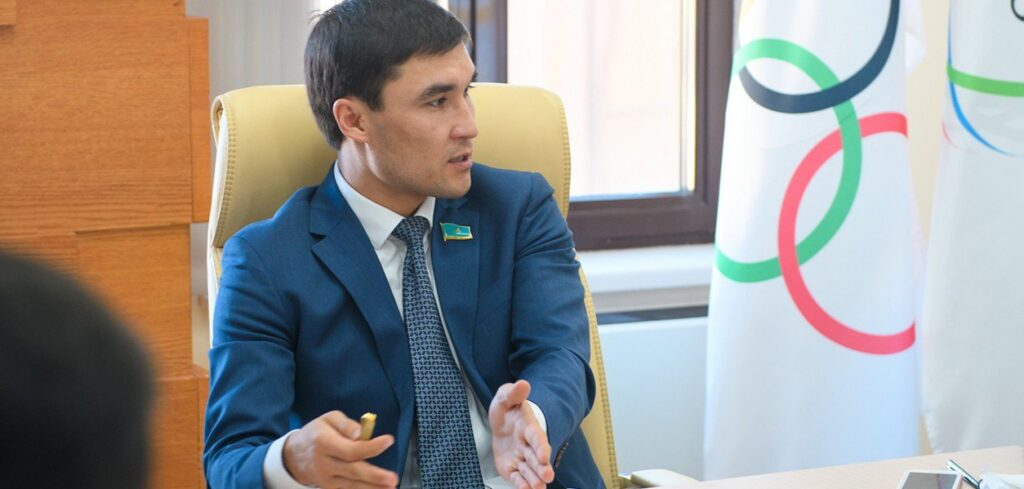
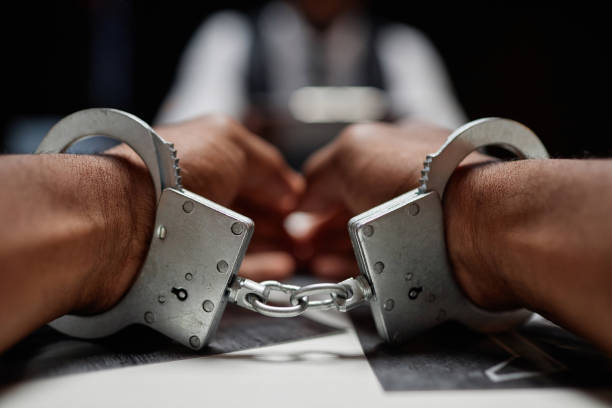
A criminal case has been opened in Kazakhstan following the assault of Olympic boxing champion Serik Sapiyev by his deputy, Dauren Esimkhanov, in the Karaganda region’s Department of Physical Culture and Sports. The incident has triggered public outcry and intensified scrutiny of internal dynamics within the regional sports administration. Sapiyev, who currently heads the department, stated that the altercation was work-related. While the regional administration urged the public and media not to draw premature conclusions, it acknowledged that Esimkhanov had committed an offense and must be held accountable. A native of Karaganda, Sapiyev rose to prominence after winning gold in the 69 kg weight category at the 2012 London Olympics, where he was also awarded the Val Barker Trophy for most technical boxer. A two-time world amateur champion and two-time Asian champion, Sapiyev retired from professional boxing in 2012. He launched a political career the following year, becoming a UNESCO Goodwill Ambassador in 2013 and later serving as a deputy in the Mazhilis, Kazakhstan’s lower house of parliament, in 2017. In 2018, Sapiyev stepped down from parliament to lead the Committee on Sports and Physical Culture under the Ministry of Culture and Sports. He left the ministry in 2021 and, in late 2024, assumed his current position in Karaganda. The altercation reportedly took place on January 21 at a sports complex in Karaganda and was confirmed by local police. The Karaganda Region Police Department announced a criminal case based on a statement from the 42-year-old Sapiyev, citing grounds of assault. Esimkhanov, a sambo champion with accolades at both the Asian and world levels, has not denied involvement. Sapiyev addressed the incident on Instagram, asserting that the conflict stemmed from attempts to interfere with staffing decisions in the region's sports institutions without his knowledge. “I want to clarify: what happened was not a personal or domestic conflict, but rather resistance from certain individuals who have unofficial influence in the region,” Sapiyev wrote. “Without my knowledge, an attempt was made to illegally rotate the heads of sports organizations in the region. When I discovered this, I tried to stop it peacefully. I want to openly state that no provocations will shake my determination to implement systemic reforms in Kazakhstani sports, which the head of state has repeatedly spoken about.” In response, Esimkhanov claimed on social media that misinformation was being spread. “Currently, information that does not reflect the objective reality is being circulated. I ask you not to succumb to provocations and attempts to destabilize the situation by unscrupulous individuals,” he wrote. Ermaganbet Bulekpaev, the Akim of the Karaganda region, whose office oversees the department, called for caution and restraint while the investigation is underway. He confirmed that the Department for Civil Service Affairs will conduct a full inquiry, including a comprehensive audit of the department’s operations. “There has been a violation, and responsibility must be taken for it,” Bulekpaev stated during a staff meeting. “An investigation is underway, and each action will be given a legal assessment.” The scandal comes on...

Uzbek Citizen Sentenced to Life in Russia Over Killing of Russian General Kirillov

A Russian military court has sentenced Uzbek citizen Ahmadjon Qurbonov to life imprisonment for his involvement in a bombing that killed Lieutenant General Igor Kirillov, head of Russia’s Radiation, Chemical and Biological Protection Troops, and his aide, Major Ilya Polikarpov. The verdict was issued by a panel of judges at the 2nd Western District Military Court, according to a report by Russian outlet RBK. Qurbonov, who admitted guilt and cooperated with investigators, was also fined one million rubles (approximately $13,100). Prosecutors accused him of carrying out an attack on December 17, 2024, near the entrance of Kirillov’s apartment building in Moscow. Investigators allege that Qurbonov planted a remote-controlled bomb on an electric scooter and detonated it as the general and his aide exited the building. Russia’s Investigative Committee claims Qurbonov acted under orders from Ukraine’s Security Service. The attack was reportedly filmed and streamed live to Ukraine. Qurbonov was allegedly promised $100,000, forged documents, and residency in a country in the European Union. He was arrested within hours of the explosion and, according to investigators, never received the promised compensation. Several other individuals were implicated in the case. Prosecutors said Vladimir Safaryan delivered the explosive device, which was reportedly brought into Russia from Poland. Batukhan Tochiev and Ramazan Padiev were accused of providing Qurbonov with an apartment where he attempted to hide after the attack. All three denied knowledge of the planned bombing. Russian authorities further alleged that the operation was financed using USDT stablecoins. Qurbonov reportedly received multiple cryptocurrency transfers, later converted into cash through cryptomats in Moscow. The total cost of preparing the attack was estimated at 842,000 rubles (approximately $10,936), while damage to surrounding apartments and vehicles was valued at 3.3 million rubles (around $42,863). The trial, which began in November 2025, was held behind closed doors. Prosecutors argued that open proceedings could be exploited by foreign-linked media to justify the attack.

Kazakhstan Considers Criminal Liability for Mass Leaks of Personal Data

Kazakhstan is considering tightening legal responsibility for violations related to personal data protection. The Ministry of Artificial Intelligence and Digital Development has proposed introducing criminal liability for mass leaks of citizens' personal data, along with a significant increase in administrative fines for failing to comply with information security requirements. The proposal was announced by Rostislav Konyashkin, First Deputy Minister of Artificial Intelligence and Digital Development, during a government meeting. According to Konyashkin, Kazakhstan is adopting a “zero tolerance” policy regarding the mishandling of personal digital data. “In implementing the constitutional rights of citizens to privacy and the protection of personal information, we are moving to a zero-tolerance policy in this area. Digital transformation should not undermine the security of citizens, and any irresponsible handling of personal data should be punished in accordance with the law,” he said. In addition to criminal penalties for mass data breaches, the ministry is proposing to significantly increase administrative liability for officials violating information security standards. The current maximum fine is approximately $17,000. The proposed new ceiling would be about $42,500. The initiative would apply to government agencies, the quasi-public sector, financial institutions, and private companies that handle large volumes of personal data. The day prior to the government meeting, President Kassym-Jomart Tokayev addressed the issue of digital security at the National Kurultai (Assembly). He emphasized that the right to personal data protection should be enshrined in the country's. “Our Constitution must keep pace with the times. In the 21st century, digitalization is developing at a rapid pace and has a direct impact on human rights and freedoms. Therefore, the Basic Law must clearly stipulate that the personal digital data of citizens is protected by law,” Tokayev said. The push for stricter regulation follows a series of large-scale data breaches. In spring 2024, the State Technical Service of the National Security Committee identified a leak affecting over 2 million clients of the microfinance organization zaimer.kz. In summer 2025, the government confirmed the largest data breach in Kazakhstan’s history, compromising the personal information of over 16 million people, more than three-quarters of the country’s population of just over 20 million. Experts say the proposed legal reforms mark Kazakhstan’s shift toward a stricter regulatory framework, aligning with standards seen in the European Union and some Asian jurisdictions, where personal data breaches carry both administrative and criminal consequences.

Former Head of Turkmen Railways on Trial in Russia Over Alleged Drug Smuggling

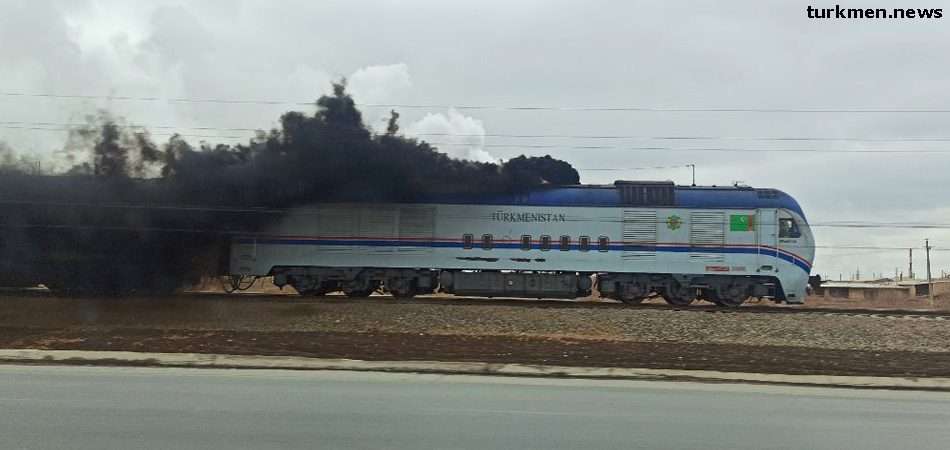
The former head of Turkmenistan’s state rail company is facing trial in Russia on charges of large-scale drug smuggling, as reports emerge of a covert, high-level campaign to secure his release. Khydyr Rakhmanov, who led Demiryollary JSC (Turkmen Railways), was detained on October 4, 2025, at Moscow's Domodedovo airport while allegedly attempting to import LSD. Russian authorities subsequently opened a criminal case under Article 229.1 of the Criminal Code, “Smuggling of narcotic drugs and psychotropic substances.” He has been held in custody since October 6, and on December 4, the Domodedovo court extended his pretrial detention by another two months. Sources cited by turkmen.news allege Rakhmanov is charged under the most severe subsection of the statute, which covers large-scale smuggling and carries a sentence of 10 to 20 years in prison and a fine of up to $13,000. The law does not allow for a suspended sentence. Despite this, efforts appear to be underway to negotiate Rakhmanov’s return to Turkmenistan. According to turkmen.news, the Ministry of Foreign Affairs of Turkmenistan, led by Rashid Meredov, is personally involved in an unofficial campaign to secure his release. Sources further claim that $3 million was transferred from Ashgabat via diplomatic mail as part of a backchannel attempt to reach a settlement with Russian authorities. Roman Kuchin, a Russian lawyer with prior experience in the prosecutor’s office and close ties to legal and political networks, has reportedly been retained to advocate for a suspended sentence and eventual deportation of Rakhmanov. Notably, there is no public information about the case on the Russian court’s official website. Earlier reports suggested that Turkmen special service operatives traveled to Russia to conduct direct negotiations with law enforcement officials. The situation underscores Turkmenistan’s behind-the-scenes influence campaign and raises questions about transparency and diplomatic maneuvering in high-stakes criminal cases involving state officials.

“We Can’t Help You”: How Turkmenistan’s Ministry of Justice Handles Citizens’ Complaints

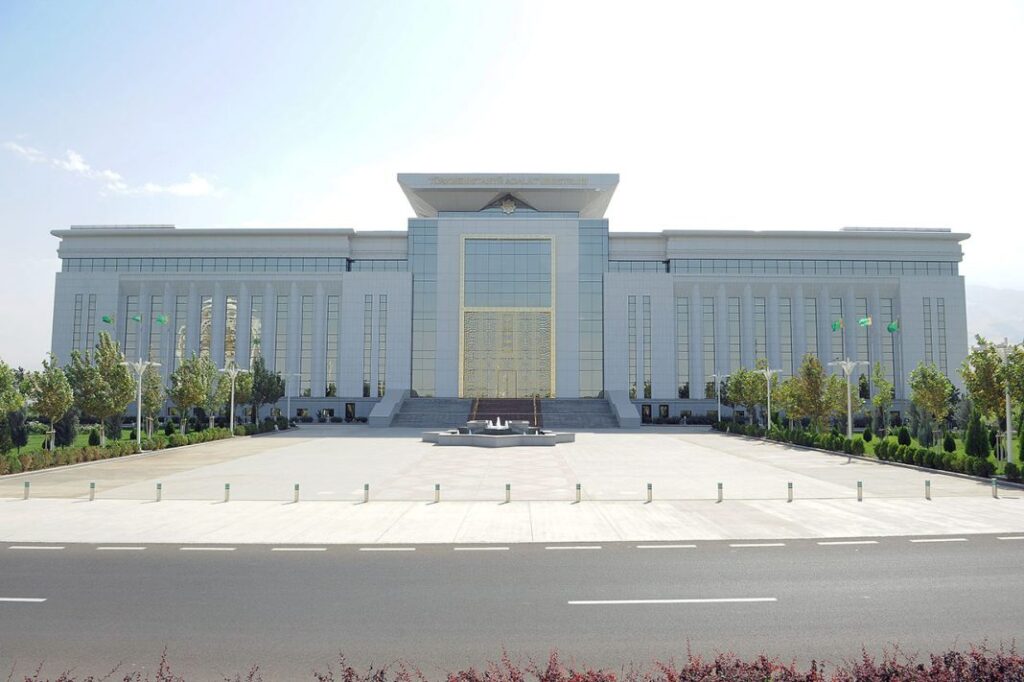
A recent public reception at Turkmenistan’s Ministry of Justice has highlighted the formal and often unproductive nature of interactions between citizens and state institutions in the country. On January 10 the ministry held a legal consultation session, officially scheduled to run from 9:00 a.m. to 12:00 p.m. In practice, however, visitors were not admitted until 10:00 a.m. According to Chronicles of Turkmenistan, more than 50 citizens attended the reception, many of whom had previously appealed to state agencies multiple times. They arrived with letters, formal statements, and supporting documentation in hand. Entry was granted in groups of three. The commission included representatives from the Ministry of Justice, the Prosecutor General’s Office, the Supreme Court, and the Bar Association. Each individual was given no more than five minutes. Despite the format suggesting legal support, the outcome for most attendees was discouragingly uniform. After speaking with 38 participants, journalists reported that all had received the same response: “We can’t help you.” Several attendees stated that officials did not even review the documents submitted with their complaints. As a result, nearly all who came seeking redress left empty-handed. Many expressed hopelessness, stating that they had no viable path to resolve their issues, and that government institutions had effectively denied them access to justice. The Times of Central Asia previously reported on the broader challenges faced by Turkmen citizens in navigating bureaucratic procedures and, in particular, how elderly residents endured long waits at social security offices. Although the process appears straightforward on paper, in practice it becomes a burdensome ordeal, especially given the government’s continued refusal to index pensions and social benefits. Missing a single appointment can result in suspended payments, with delays of up to six months before back payments are processed.