• KGS/USD = 0.01144 0%
  • KZT/USD = 0.00211 0%
  • TJS/USD = 0.10460 0.19%
  • UZS/USD = 0.00008 0%
  • TMT/USD = 0.28490 0%
  • KGS/USD = 0.01144 0%
  • KZT/USD = 0.00211 0%
  • TJS/USD = 0.10460 0.19%
  • UZS/USD = 0.00008 0%
  • TMT/USD = 0.28490 0%
  • KGS/USD = 0.01144 0%
  • KZT/USD = 0.00211 0%
  • TJS/USD = 0.10460 0.19%
  • UZS/USD = 0.00008 0%
  • TMT/USD = 0.28490 0%
  • KGS/USD = 0.01144 0%
  • KZT/USD = 0.00211 0%
  • TJS/USD = 0.10460 0.19%
  • UZS/USD = 0.00008 0%
  • TMT/USD = 0.28490 0%
  • KGS/USD = 0.01144 0%
  • KZT/USD = 0.00211 0%
  • TJS/USD = 0.10460 0.19%
  • UZS/USD = 0.00008 0%
  • TMT/USD = 0.28490 0%
  • KGS/USD = 0.01144 0%
  • KZT/USD = 0.00211 0%
  • TJS/USD = 0.10460 0.19%
  • UZS/USD = 0.00008 0%
  • TMT/USD = 0.28490 0%
  • KGS/USD = 0.01144 0%
  • KZT/USD = 0.00211 0%
  • TJS/USD = 0.10460 0.19%
  • UZS/USD = 0.00008 0%
  • TMT/USD = 0.28490 0%
  • KGS/USD = 0.01144 0%
  • KZT/USD = 0.00211 0%
  • TJS/USD = 0.10460 0.19%
  • UZS/USD = 0.00008 0%
  • TMT/USD = 0.28490 0%

Viewing results 103 - 108 of 1448

Tokayev to Personally Oversee Probe Into Medical Insurance Fund Embezzlement

President Kassym-Jomart Tokayev has pledged to personally oversee the investigation into large-scale embezzlement from Kazakhstan’s Social Medical Insurance Fund (SMIF) and has instructed the government to accelerate the rollout of a unified national healthcare information system. The move follows a series of alarming revelations about systemic fraud in the medical insurance system. In January, Prime Minister Olzhas Bektenov ordered that control of the SMIF be transferred to the Ministry of Finance to bring financial flows under tighter oversight. Subsequent audits uncovered widespread violations, including the registration of fictitious patients, the billing of unnecessary medical services, duplicate financing of procedures, and even the provision of treatments to deceased citizens. The findings have been submitted to law enforcement agencies for investigation. Addressing an expanded government meeting, Tokayev stated that fraudulent activity in the social sector had reached “unprecedented proportions,” and emphasized that the Prosecutor General’s Office and other relevant bodies must investigate all instances of wrongdoing, regardless of the statute of limitations or the individuals involved. “I will personally oversee the investigation process,” the president declared. Tokayev attributed much of the abuse to the absence of a unified digital infrastructure in Kazakhstan’s healthcare system. More than 30 separate and unintegrated information systems are currently in use, creating serious gaps in oversight and traceability. In response, the president has ordered the government to finalize the development of a single, centralized state medical information system by December 1. The new platform is expected to provide full traceability of services and financial transactions, and to digitize all SMIF operations. Tokayev emphasized that digitization is essential for ensuring transparency and the proper use of public funds. As The Times of Central Asia previously reported, earlier this year, the government also announced it would cover health insurance contributions for more than one million unemployed citizens.

A Stranger Among His Own: Rejected by Russia, Kazakh Comedian Nurlan Saburov Faces Cold Reception at Home

Kazakh comedian Nurlan Saburov has become the third stand-up performer to be officially barred from entering Russia, this time with a 50-year entry ban. The decision, reportedly issued on national security grounds, follows years of mounting controversy surrounding the artist, who has struggled to reconcile his dual identity as a Kazakhstani citizen and a celebrity shaped by Russian showbusiness. From Stepnogorsk to Moscow Spotlight Born in 1991 in Stepnogorsk (Akmola region, Kazakhstan), Saburov’s career took off through KVN, the long-running Soviet-era improv competition, after enrolling at Ural Federal University in Yekaterinburg. In 2014, he relocated to Moscow with his family to pursue a career in the booming Russian stand-up scene, eventually gaining national fame through television appearances. However, that rise has since been marred by a series of political and legal controversies. Neutrality in the Spotlight and Its Consequences Saburov's troubles began in April 2022, when he was confronted during a U.S. tour by a protester covered in red paint, a symbolic act referencing the war in Ukraine. His offhand joke referencing menstruation drew global backlash, leading to an American tour cancellation and public outrage. Attempts to declare a neutral stance on the war in Ukraine only deepened public criticism. By May 2025, he faced his first major setback at Moscow's Sheremetyevo airport, where he was fined for immigration violations but allowed to leave without a ban. Then, on February 6, 2026, upon arrival at Vnukovo airport from Dubai, Saburov was detained and issued an official notice of a 50-year ban from entering Russia. The document cited violations of tax and migration law, with authorities alleging he attempted to legalize his earnings through intermediaries while refusing to apply for Russian citizenship. “In 2024 alone, Nurlan Saburov declared more than 50 million rubles [$645,000] in income while ignoring tax and migration rules,” Russian law enforcement sources told RIA Novosti. He was initially scheduled for deportation to Dubai but instead chose to fly to Almaty, Kazakhstan. Uneasy Return to Kazakhstan Speculation quickly emerged about whether Saburov would settle permanently in Almaty, where he co-hosts a successful YouTube talk show alongside three Russian hosts. The program, previously hosted on YouTube, now runs on VK, Russia’s state-backed video platform, and frequently features Russian celebrities. Relocating the production to Kazakhstan could, some argued, benefit the country’s cultural profile and tourism appeal. However, Saburov was met with public hostility. A video from 2025 resurfaced online showing him donating 10 enduro motorcycles to fighters from the Wagner Group’s Istra unit, a controversial paramilitary force implicated in operations in Ukraine. In response, Almaty-based activist Marat Turymbetov submitted a formal complaint to the Prosecutor General’s Office of Kazakhstan, calling for an investigation into possible violations of Article 170 of the Criminal Code, which prohibits financing illegal armed groups. “I believe the authorities will investigate and bring this individual to justice,” Turymbetov stated in a social media post, citing possible mercenary activity. Other Kazakhstani citizens, particularly those who support Ukraine, joined Turymbetov’s call for legal action. Saburov Responds Despite the...

U.S. to Host “Board of Peace” Meeting on February 19 

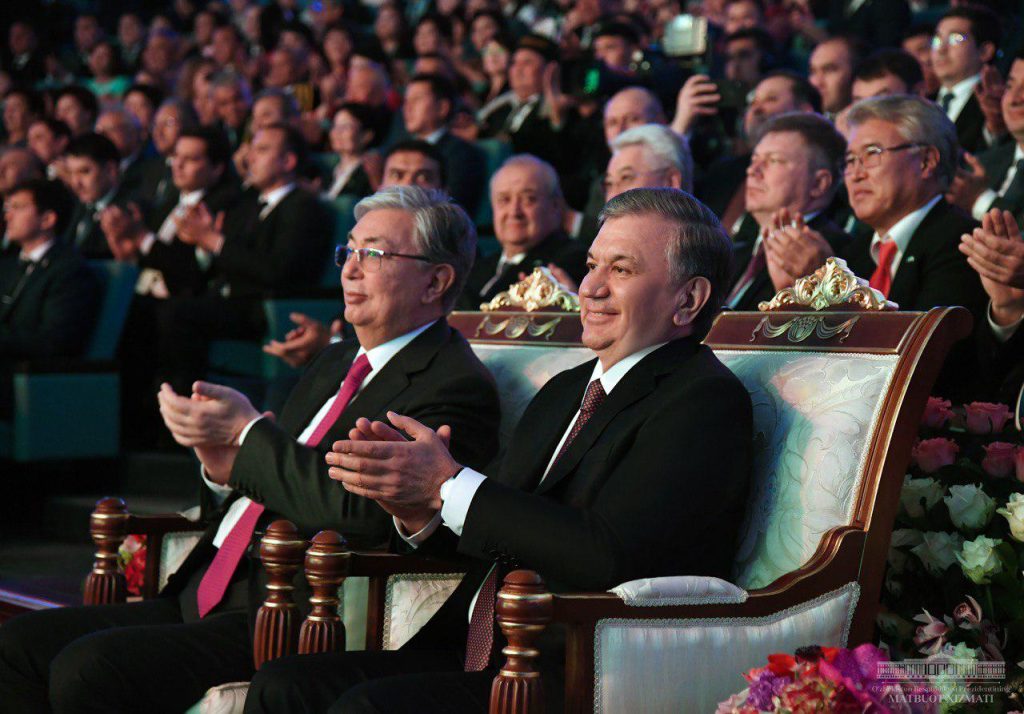
The United States plans to host a meeting this month of the “Board of Peace” that President Donald Trump set up. The attendance list is still in the works, and there is no word yet on whether the leaders of Kazakhstan and Uzbekistan, which are among more than two-dozen member countries, will attend the gathering in Washington on February 19. Kazakhstan's President Kassym-Jomart Tokayev and his Uzbek counterpart Shavkat Mirziyoyev traveled to Davos, Switzerland, last month to join Trump for the signing ceremony of the board, which supporters say is aimed at resolving Gaza and other conflicts around the world. There are concerns, however, that the international mechanism could undermine the United Nations, and critics question the sweeping power that Trump holds over the board, as chairman with veto power and no term limits. The White House plans to hold the meeting in Washington, D.C. to support implementation of the Gaza cease-fire deal and raise funds for reconstruction of the territory, the Axios news outlet has reported. It said planning is in the early stages and could change. Axios attributed the information to a U.S. official and diplomats from several countries that are on the board. Other media organizations also reported on the planned meeting this month. President Javier Milei of Argentina will attend the meeting, according to the Argentine government. Hungarian Prime Minister Viktor Orbán is also expected to attend. The involvement of Kazakhstan and Uzbekistan in the Board of Peace reflects their goals of playing a more robust role on the international stage as well as the expanding relationship, particularly centered around trade and investment, between the United States and Central Asia. Azerbaijan is also among the countries that signed up to join the Board of Peace. Some traditional U.S. allies, including in Europe, have not joined the U.S.-led organization, partly because of concerns over the board structure. Additionally, their relations with Washington have frayed over tariffs, U.S. plans to take over Greenland, and other issues.

Digital Labeling Uncovers Widespread Violations in Kazakhstan’s Pharma Sector

Kazakhstan’s digital drug labeling system, which was due to be fully implemented by the end of 2025, has revealed extensive violations in the distribution and retail of pharmaceuticals. Infractions include the sale of medicines designated for free public distribution, code reuse, and the sale of expired drugs. Introduced in mid-2024, the digital labeling system assigns a unique identifier to every medication package. Kazakhstan is now the only country in Central Asia with a state-controlled, end-to-end digital traceability system covering the entire pharmaceutical supply chain from production and import to pharmacy sales. According to Tanba, the unified national operator for product labeling and traceability, over 708.6 million medicine packages had been labeled as of December 1, 2025. The system now includes nearly all market participants: 19 domestic manufacturers, more than 143 foreign manufacturers, over 300 importers and distributors, approximately 3,900 medical organizations, 4,848 pharmacies, and 3,019 additional supply chain entities. Mandatory labeling applies to all drugs produced after July 1, 2024, and sold within the country. The unique codes allow authorities to trace each medicine’s journey from factory to pharmacy or medical facility, enhancing procurement forecasting and minimizing counterfeit risks. The system automatically detects irregularities in real time. Recent analysis uncovered that some private pharmacies were selling medications purchased with public funds that were meant to be distributed free of charge under the state’s guaranteed volume of free medical care. More than 15,000 such packages were reportedly sold. Additionally, authorities identified over 6,500 reused digital codes, registered a total of more than 385,000 times, and more than 750 cases involving the sale of expired medications. The Times of Central Asia previously reported that the government transferred control of the Social Medical Insurance Fund to the Ministry of Finance in January, following revelations of violations within the fund’s operations.

Kazakh Startup Higgsfield Becomes AI Unicorn, Signaling Nation’s Tech Aspirations

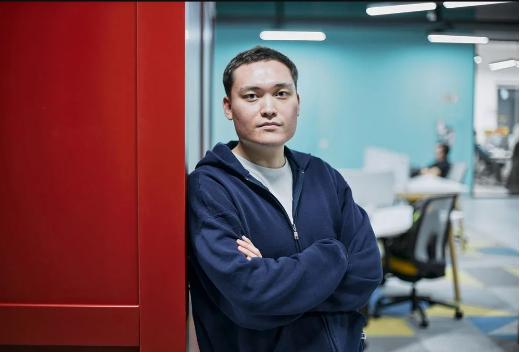
When Kazakh AI startup Higgsfield announced an $80 million funding round this month, its valuation soared past $1.3 billion, officially granting it “unicorn” status. For Silicon Valley observers, it marked another chapter in the ongoing boom in AI. But for Kazakhstan, a country seldom spotlighted in global tech circles, the milestone carries broader significance: the emergence of a homegrown company with global reach and competitiveness. Higgsfield was co-founded by 29-year-olds Erzat Dulat and Alex Mashrabov. The startup focuses on AI-generated video tools tailored for marketing and social media use and currently reports annual revenue of $200 million. Remarkably, the company reached $10 million in recurring revenue within just a few weeks, a rare achievement, even in the fast-paced AI sector. Leading venture capital firms, including Accel, GFT Ventures, and Menlo Ventures, cited this momentum as a key factor behind their investment. Rather than competing directly with giants like OpenAI or Google, Higgsfield leverages existing AI models to build practical tools for businesses. Its platform targets marketers, creative agencies, and social media professionals, an expanding segment that some analysts believe could rival traditional entertainment industries like Hollywood in both scale and value. The company’s success has not gone unnoticed by Kazakhstan’s leadership. President Kassym-Jomart Tokayev recently met with Dulat and Murat Abdrakhmanov, founder of the venture capital platform MA7 Ventures, to discuss artificial intelligence’s role in government, economic development, and national tech strategy. Tokayev praised Higgsfield as a model of Kazakh innovation with global potential and reaffirmed the country’s goal of becoming a launchpad for IT companies that can scale internationally without relocating abroad. Dulat noted that roughly 95% of Higgsfield’s workforce is Kazakh, highlighting the strength of the country’s domestic talent pool. He also expressed readiness to partner with the government on workforce development and AI-focused education initiatives. Abdrakhmanov emphasized that building a strong venture capital ecosystem is essential to Kazakhstan’s technological future and argued that the country is well-positioned to play a greater role in global investment networks. The meeting reflects a broader shift among emerging tech economies: instead of serving merely as consumer markets, they are increasingly aiming to foster globally competitive companies while retaining talent and intellectual property at home. [caption id="attachment_43381" align="aligncenter" width="936"] Higgsfield’s team @digitalbusiness.kz[/caption] Nonetheless, challenges remain. The AI-generated video market is highly competitive. Higgsfield plans to scale its team from 70 to 300 employees by year’s end, a move that will test its organizational capacity. Regulatory and ethical concerns around synthetic media also remain unresolved. Still, Higgsfield’s rapid rise underscores that AI innovation is no longer confined to traditional power centers like Silicon Valley, Beijing, or Europe. It offers a compelling example of Kazakhstan’s growing ambition to establish itself as a meaningful player in the global technology economy. For U.S. investors and tech analysts, it’s a reminder that the future of AI may be shaped as much by emerging markets as by established ones.

From Alatau to Almaty by Air: How Kazakhstan’s First Air Taxi Service Will Operate

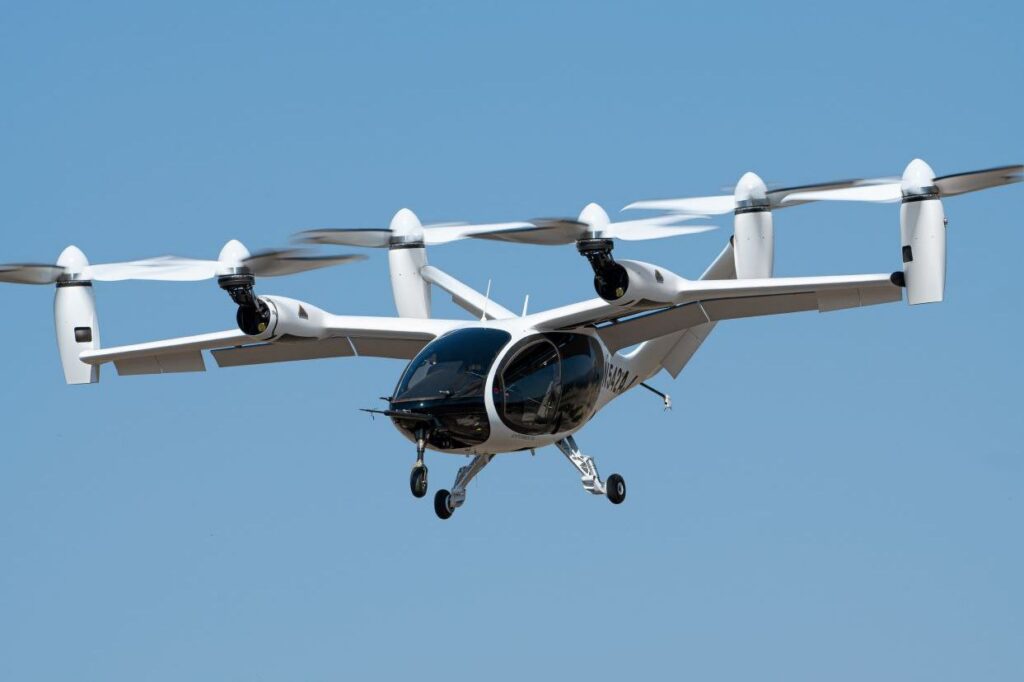
The Almaty region is preparing to introduce a groundbreaking new mode of transport for Kazakhstan: electric air taxis. While the project remains in the development and testing phase, key details about routes, aircraft, and the projected launch timeline have already been outlined. The first air taxi routes are expected to connect the newly developing city of Alatau with Almaty and other settlements across the region. The aircraft under consideration for this initiative is the Joby Aviation S4, an electric vertical take-off and landing (eVTOL) model developed by U.S.-based Joby Aviation. Test flights are scheduled for 2026. Alatau Advance Air Group, a private company, has been designated as the air mobility operator for the Alatau region. In collaboration with partners from the U.S., South Korea, China, and Italy, the company is working on aircraft research, infrastructure planning, and building a testing ecosystem to support future operations. Joby Aviation, one of the global leaders in eVTOL technology, has been named a strategic partner. The selected S4 model is in the final stages of certification by the U.S. Federal Aviation Administration (FAA) and has already undergone real-world testing. The aircraft is designed to carry four passengers and one pilot. These capabilities will allow the air taxi service to cover both urban routes within the Almaty agglomeration and longer intercity routes across the wider region. To accommodate operations, a network of vertiports, dedicated airfields for vertical take-off aircraft, is planned for Alatau, Almaty, and other key regional locations. The project is currently in the design phase, with testing sites under consideration. Demonstration flights are slated for 2026, with commercial services expected to launch once aircraft certification by the FAA is finalized and validated by Kazakhstan’s aviation authorities. “Air taxis will become an innovative form of transport that will provide fast connections between Alatau, Almaty, and other cities in the region,” the Almaty mayor’s office commented. Flight pricing is expected to be announced following testing and preparations for the commercial rollout. The air taxi concept was first introduced in October 2024 at a development forum in South Korea focused on the Alatau project. The initiative is being led by Alatau Advance Air Group, founded in March 2025. The company is connected via Caspian Integrity to entrepreneur and former senator Yuri Tskhai, one of the key investors behind Alatau City. In November, a strategic agreement was signed in the U.S. between Kazakhstan’s Ministry of Digital Development and AI, Joby Aero, Alatau Advance Air Group, and entrepreneur Vyacheslav Kim. The deal includes the purchase of eVTOL aircraft valued at approximately $300 million. Joby Aviation continues to be a major player in the global eVTOL industry, competing with major aerospace and automotive firms including Airbus, Boeing, Embraer, Honda, Hyundai, and Toyota.