• KGS/USD = 0.01144 0%
  • KZT/USD = 0.00206 0%
  • TJS/USD = 0.10415 -0.19%
  • UZS/USD = 0.00008 0%
  • TMT/USD = 0.28571 0%
  • KGS/USD = 0.01144 0%
  • KZT/USD = 0.00206 0%
  • TJS/USD = 0.10415 -0.19%
  • UZS/USD = 0.00008 0%
  • TMT/USD = 0.28571 0%
  • KGS/USD = 0.01144 0%
  • KZT/USD = 0.00206 0%
  • TJS/USD = 0.10415 -0.19%
  • UZS/USD = 0.00008 0%
  • TMT/USD = 0.28571 0%
  • KGS/USD = 0.01144 0%
  • KZT/USD = 0.00206 0%
  • TJS/USD = 0.10415 -0.19%
  • UZS/USD = 0.00008 0%
  • TMT/USD = 0.28571 0%
  • KGS/USD = 0.01144 0%
  • KZT/USD = 0.00206 0%
  • TJS/USD = 0.10415 -0.19%
  • UZS/USD = 0.00008 0%
  • TMT/USD = 0.28571 0%
  • KGS/USD = 0.01144 0%
  • KZT/USD = 0.00206 0%
  • TJS/USD = 0.10415 -0.19%
  • UZS/USD = 0.00008 0%
  • TMT/USD = 0.28571 0%
  • KGS/USD = 0.01144 0%
  • KZT/USD = 0.00206 0%
  • TJS/USD = 0.10415 -0.19%
  • UZS/USD = 0.00008 0%
  • TMT/USD = 0.28571 0%
  • KGS/USD = 0.01144 0%
  • KZT/USD = 0.00206 0%
  • TJS/USD = 0.10415 -0.19%
  • UZS/USD = 0.00008 0%
  • TMT/USD = 0.28571 0%

Viewing results 883 - 888 of 1395

Central Asian Countries Set 2024 Quotas for Amu Darya, Syr Darya River Water Usage

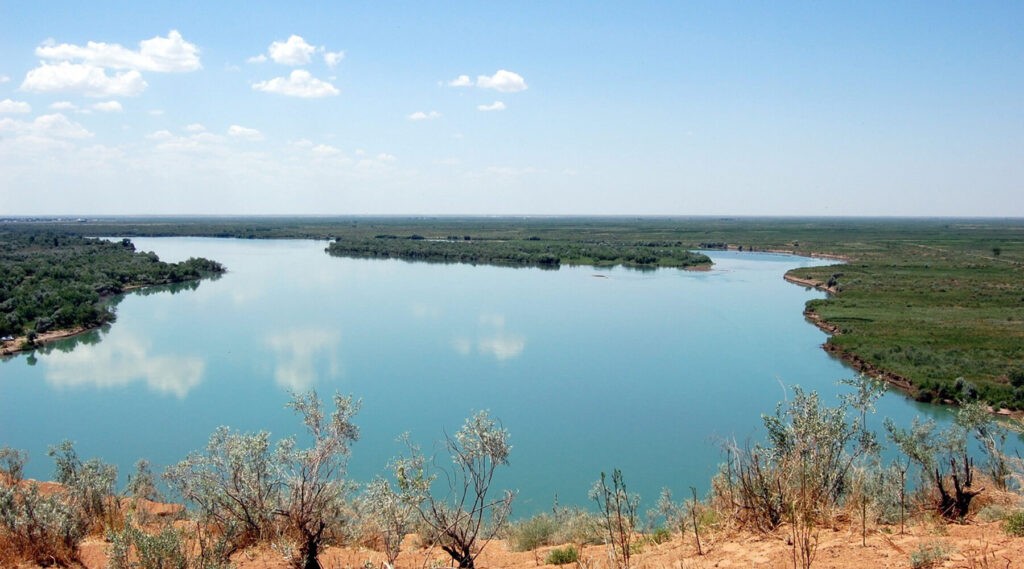
Last week in Kazakhstan, delegates came together for the 87th meeting of the Interstate Commission for Water Coordination (ICWC) of Central Asia, where they discussed the potential and limitations of regional water reservoirs ahead of the 2023-2024 agricultural growing season. According to the ICWC, some of the more pressing questions focused on confirming limits of water usage for the 2024 growing season for the Syr Darya and Amu Darya river basins and the prognosis for water release from the reservoirs in those basins. There's still no information on how much water will be sent to the Aral Sea basin. In accordance with the quota, the draw on water from the Amu Darya watershed will be 56 billion cubic meters for the year, with about 40 billion cubic meters to be used in the April-to-October growing season. As stated in the ICWC agreement, Uzbekistan will receive 16 billion cubic meters, Turkmenistan 15.5 billion cubic meters, and Tajikistan will get 6.9 billion cubic meters. The Syr Darya's water use quota for this year's growing season is around 11.9 billion cubic meters, with 8.8 billion cubic meters going to Uzbekistan, 1.9 billion cubic meters for Tajikistan, 920 million cubic meters for Kazakhstan, and 270 million cubic meters for Kyrgyzstan. According to the ICWC, the totals for irrigated lands by Central Asian country are 4.3 million hectares in Uzbekistan, 2.5 million hectares in Kazakhstan, 1.9 million hectares in Turkmenistan, 1 million hectares in Kyrgyzstan, and 680,000 in Tajikistan.
Uzbekistan Sends Humanitarian Aid to Kazakhs Affected by Floods

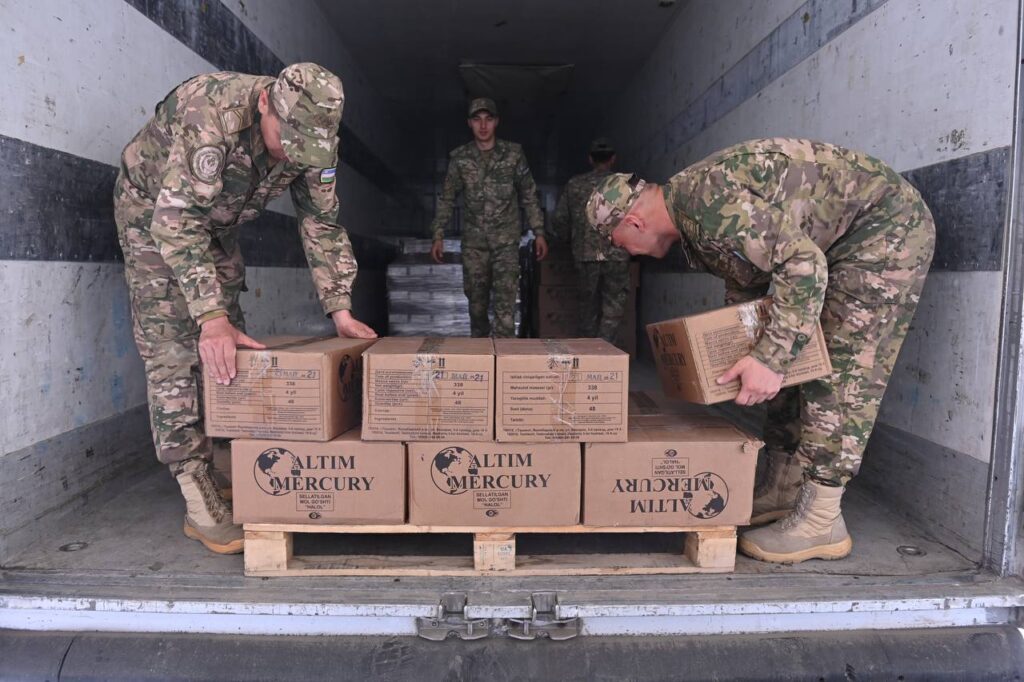
The people of Uzbekistan plan to send humanitarian aid to the people of Kazakhstan affected by the spring floods, according to a report by news outlet 24.KZ. The initiative was proposed by a group including a local blogger, activists and Kazakhs living in Uzbekistan. Residents of Upper Chirchik, Tashkent region, sent hundreds of liters of vegetable oil and bedding. There are also people bringing inflatable boats, rubber boots and personal hygiene items to the collection center. Uzbeks also organized fundraising, with the amount of funds raised reaching 60 million sum (~$4,700). According to 24.KZ, the volunteers planned to send humanitarian aid to Kazakhstan on April 19 to a village affected by the flood in the Kostanay region. Humanitarian aid has been sent to the people affected by the floods in Kazakhstan. Fifteen large trucks will deliver food, clothes, blankets, blankets, pillows, hygiene products, special equipment tents, rubber boat kits and other essential items.

Kazakhstan Imported 500 Million Cubic Meters of Russian Gas in First Quarter 2024

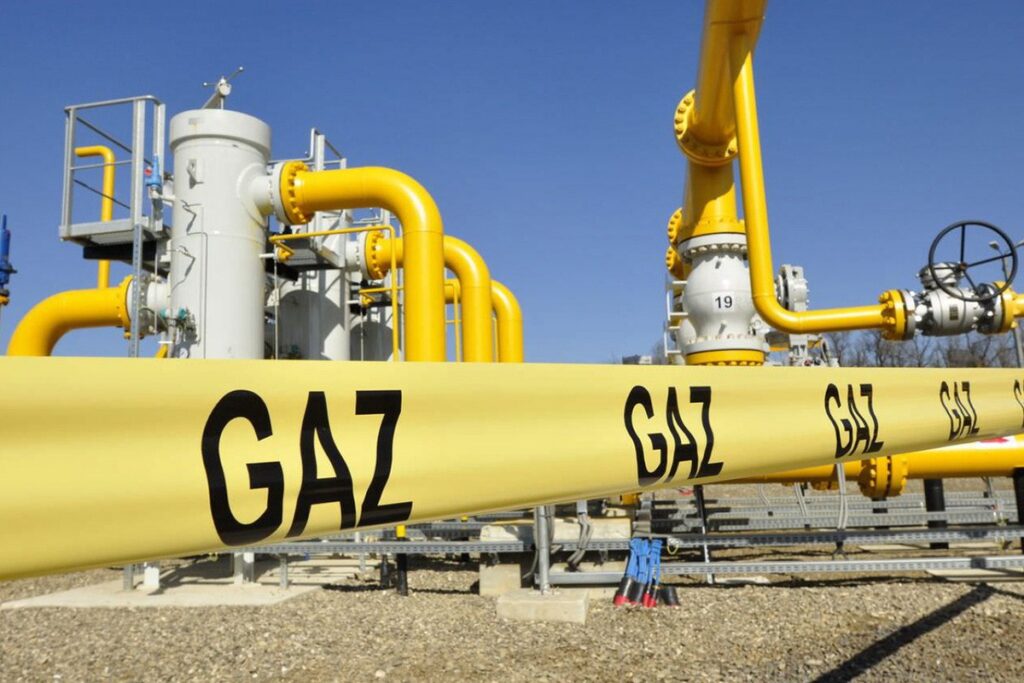
In the first quarter of 2024 Kazakhstan took delivery of 500 million cubic meters of Russian gas, according to a report by the Ministry of Energy of Kazakhstan, who said that the import of blue fuel from Russia is under a contract between state energy companies JSC QazaqGaz and PJSC Gazprom. According to the agreement between the companies, fuel imports are made only when necessitated by the gas demand of the domestic Kazakh market against the background of peak consumption in winter -- and exclusively at the request of the Kazakh side. According to QazaqGaz, the wholesale cost of Kazakh gas is more than 60% higher than the retail price in the country. At the end of last year, the national company incurred $392 million in losses from the sale of natural gas on the domestic market. Experts say that the possibility of gas shortages in the country depends on the growth rate of domestic consumption and stability of commercial fuel supplies from domestic natural gas producers. If there is a shortage, it can be covered by imports assured by the national company. However, in order to prevent shortages of gas in the medium and long term, QazaqGaz has increased its commercial gas reserves, started to develop new fields, and undertaken construction of new -- and refurbishment of existing -- gas processing and gas transportation facilities. Earlier, Boris Martsinkevich, an energy expert and editor-in-chief of the Russian publication Geoenergetika, described Kazakhstan as a gas-dependent country. In his opinion, 2024 will be a milestone year for Kazakhstan. This is the year when Kazakhstan's fields will not be able to meet the needs of the domestic market. Martsinkevich's statements were made against the backdrop of a sharp decline in gas exports and an increase in gas imports.

Kazakhstan Debates Foreign Media Accreditation

Following their second reading, the Mazhilis (lower chamber of parliament) of the Republic of Kazakhstan has adopted the bills "On Mass Media" and "On Amendments and Additions to Certain Legislative Acts of the Republic of Kazakhstan in the Field of Mass Media," sending them to the Senate for consideration. The documents are designed to regulate the professional activities of mass media outlets. The new amendments are evoking mixed reactions. One of the key proposals was the right of the Ministry of Foreign Affairs to deny accreditation to foreign media and their representatives if they pose a threat to national security. This initiative provoked opposition from representatives of the media, who consider such regulations a mechanism for suppressing freedom of speech. "The draft law proposes a regulation on the introduction of press cards, granting the right to simplified accreditation to individual journalists. Frankly speaking, this norm caused great controversy in the working group and society as a whole. The overwhelming majority of the working group members regarded this rule as one that contradicts democratic principles, discredits journalists, and hinders the comprehensive dissemination of information. Therefore, a specific decision was made on this: the rule on press cards was excluded," said Mazhilis representative, Zhanarbek Ashimzhanov, answering journalists' questions. Other changes proposed in the draft laws include combining online publications and news agencies into the category of "internet publications," as well as shortening the statute of limitations for journalist legal requests and setting shorter deadlines for responding to media inquiries. Among other rules, members of the Mazhilis also proposed introducing a ban on the publication of materials about LGBT themes and topics. These changes were critically evaluated by experts, and these regulations were not included in the final document as members of the working group concluded that it contradicts both Kazakhstani and international legislation.

Kazakh, Chinese and Russian Companies Unite on Polyethylene Production Plant

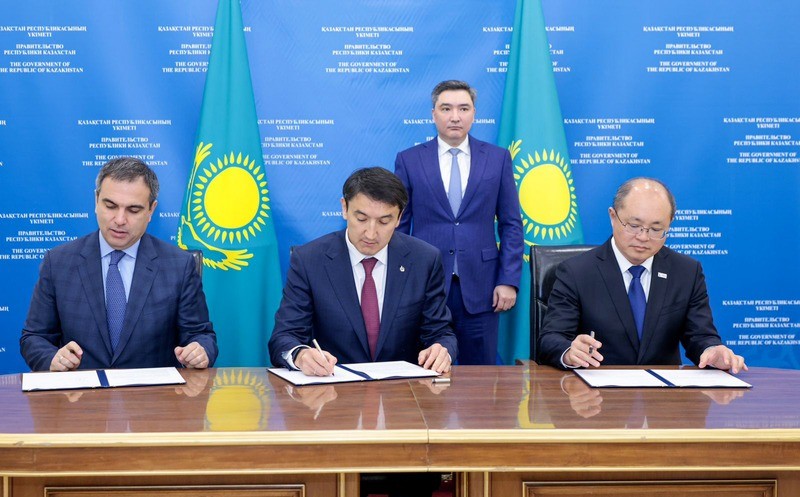
On April 19, a meeting was held between Magzum Mirzagaliyev, Chairman of the Board of KazMunayGas, Zhao Dong, President of the China Petrochemical Corporation (SINOPEC), and Mikhail Karisalov, Chairman of the Board of Russia’s SIBUR LLC. In the presence of the Prime Minister of Kazakhstan Olzhas Bektenov, the parties signed a tripartite protocol officially finalizing SINOPEC's entry into the joint construction of the first integrated gas chemical complex for polyethylene production in Kazakhstan’s Atyrau region. Costing around $7.7 billion, comprising investments of 40%, from KazMunayGas, 30% from SINOPEC 30%, and 30% from SIBUR, the plant will have the capacity to manufacture 1.25 million tons of polyethylene per year, equivalent to 1% of that produced globally. Speaking at the event, Bektenov emphasized the importance of the project due to its focus on the production of high value-added products. According to a report issued by his press office, a gas separation complex (GSC) will be built in Tengiz to supply ethane via pipeline to Karabatan in the Atyrau region to enable the new plant to produce 22 grades of polyethylene using Chevron, Phillips and Univation’s. licensed technology. The use of polyethylene is expansive ranging from medicines, prosthetics and syringes, to plastic wear-resistant pipes, construction materials, car parts, bulletproof vests and clothing for astronauts. It is also commonly employed in the food industry. Scheduled for completion by 2029, the plant’s target markets include Kazakhstan, CIS countries, China, Turkey, and Europe.

Carlsberg Expands Production in Kazakhstan

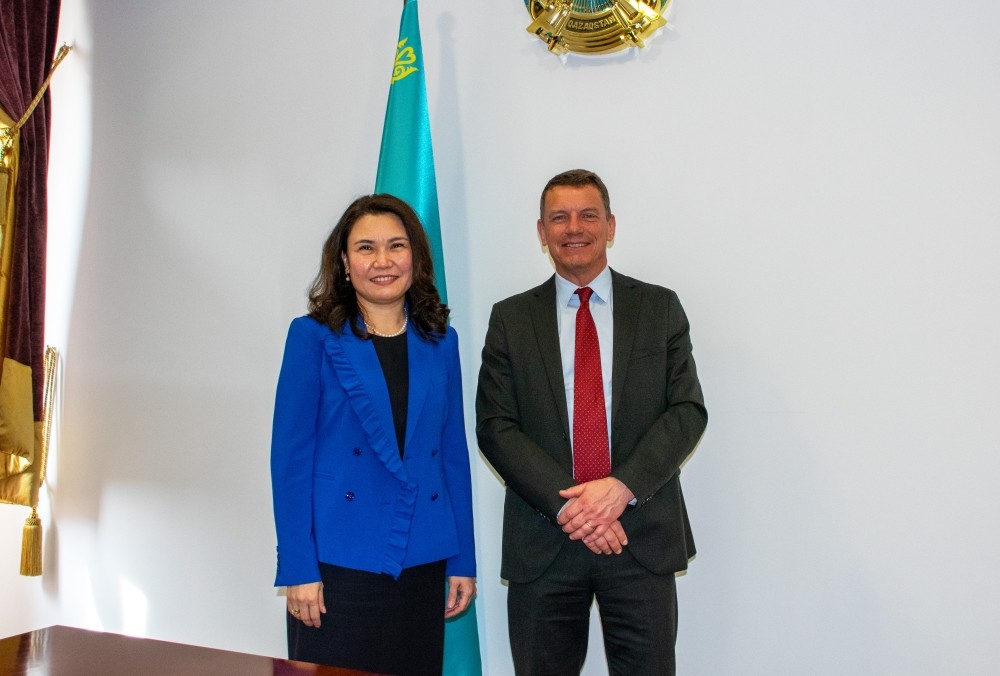
Kazakh Invest has announced that Danish company Carlsberg is to open a new factory in Almaty to produce non-alcoholic beverages worth $50 million. In preparation of its launch, Deputy Minister of Foreign Affairs of Kazakhstan, Nazira Nurbayeva, Chairman of Kazakh Invest, Yerzhan Yelekeyev, and First Vice President for Central and Eastern Europe of the Carlsberg Group, Lars Lehmann met on 18 April. During the meeting, Lars Lehmann thanked the Ministry of Foreign Affairs of Kazakhstan for its support at all stages of the project and pledged the company’s commitment to furthering cooperation with Kazakhstan. Outlining the benefits afforded by the initiative, he reported that the new production facility in Almaty will help ensure 100% localization of brewing and non-alcoholic products for the Kazakh market and in addition, create opportunities for export to Uzbekistan, Kyrgyzstan, Tajikistan, and Armenia. Regarding the company’s existing business in Kazakhstan, Lehmann stated, "Over the past years, Carlsberg Kazakhstan LLP has been consistently included in Kazakhstan's Top 50 largest taxpayers. Our regional hub is also located here. Over the past two years, the share of local raw materials used in our products has increased from 30% to 65% and in the future, should rise to 80%." Carlsberg Kazakhstan currently provides jobs for some 500 employees in Almaty and over 2,000, in distribution companies across Kazakhstan.