• KGS/USD = 0.01144 0%
  • KZT/USD = 0.00215 0%
  • TJS/USD = 0.10599 -0.28%
  • UZS/USD = 0.00008 0%
  • TMT/USD = 0.28571 0%
  • KGS/USD = 0.01144 0%
  • KZT/USD = 0.00215 0%
  • TJS/USD = 0.10599 -0.28%
  • UZS/USD = 0.00008 0%
  • TMT/USD = 0.28571 0%
  • KGS/USD = 0.01144 0%
  • KZT/USD = 0.00215 0%
  • TJS/USD = 0.10599 -0.28%
  • UZS/USD = 0.00008 0%
  • TMT/USD = 0.28571 0%
  • KGS/USD = 0.01144 0%
  • KZT/USD = 0.00215 0%
  • TJS/USD = 0.10599 -0.28%
  • UZS/USD = 0.00008 0%
  • TMT/USD = 0.28571 0%
  • KGS/USD = 0.01144 0%
  • KZT/USD = 0.00215 0%
  • TJS/USD = 0.10599 -0.28%
  • UZS/USD = 0.00008 0%
  • TMT/USD = 0.28571 0%
  • KGS/USD = 0.01144 0%
  • KZT/USD = 0.00215 0%
  • TJS/USD = 0.10599 -0.28%
  • UZS/USD = 0.00008 0%
  • TMT/USD = 0.28571 0%
  • KGS/USD = 0.01144 0%
  • KZT/USD = 0.00215 0%
  • TJS/USD = 0.10599 -0.28%
  • UZS/USD = 0.00008 0%
  • TMT/USD = 0.28571 0%
  • KGS/USD = 0.01144 0%
  • KZT/USD = 0.00215 0%
  • TJS/USD = 0.10599 -0.28%
  • UZS/USD = 0.00008 0%
  • TMT/USD = 0.28571 0%

Viewing results 559 - 564 of 1031

Launch of Flights Between Almaty and Nukus

From 1 June, Uzbekistan Airways will begin operating regular flights between Almaty in Kazakhstan and Nukus, the main city of Uzbekistan’s north-western Karakalpak Autonomous Region. Flights on a 174-seat A320 aircraft, will operate twice a week, on Wednesdays and Saturdays. In welcoming the move, the Ministry of Transport of Kazakhstan said that the new air route would greatly enhance the development of trade, economic and business cooperation between Kazakhstan and Uzbekistan. The introduction of the flights will also benefit tourism, making it easier and quicker to visit the region’s renowned Savitsky Museum, home to one of the world’s best collections of Soviet art; the Muynak Ship Cemetery on the fast-disappearing Aral Sea, and the ancient city of Mizdakhan. The total number of international flights from Kazakhstan now stands at 567 per week on 121 air routes, including direct flights to 28 countries.  

Kuandyk Bishimbayev Given 24 Years in Prison — But Kazakhs Ask How Long He Will Really Serve

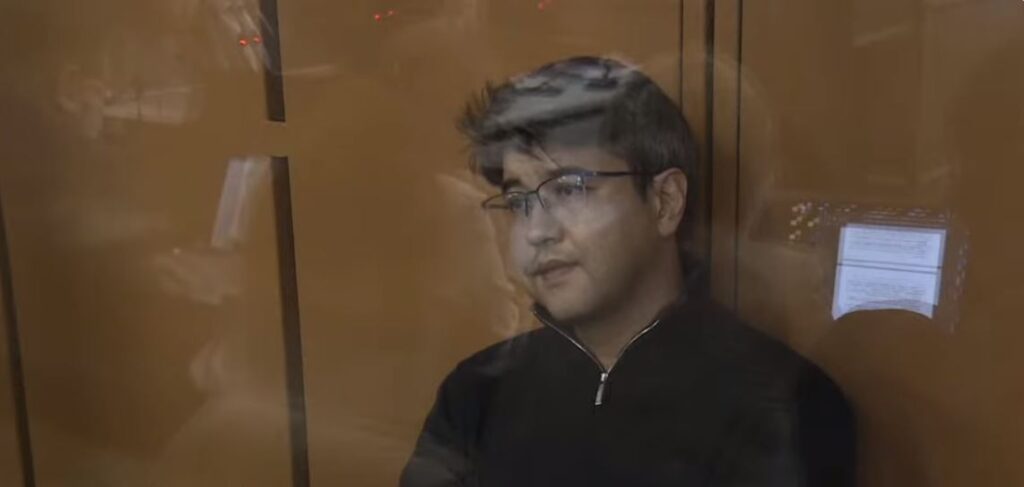
On May 13, Kazakhstan’s former Minister of National Economy Kuandyk Bishimbayev was sentenced to 24 years in prison for the torture and murder of his common-law wife Saltanat Nukenova in November 2023. While the length of the sentence is a victory for advocates against gender-based violence, both within Kazakhstan and in the many parts of Europe where the trial was also followed closely, many Kazakhs feel that it is still too early to say that justice has been done. In an open discussion that is rare in Central Asia, many citizens are posting their concerns on social media that the Nazarbayev-era official will find a way to get out of prison early: there is already speculation that Bishimbayev, a former member of the country’s elite, will leverage his political connections to secure an early release – or be recognized as terminally ill. Attempting to quell these fears, state prosecutor Aizhan Aimaganova has said that under Kazakhstani law, Bishimbayev will be able to apply for parole only after serving 16 years, two-thirds of his sentence – and only then with the consent of Saltanat Nukenova’s family, guided by her brother, Aitbek Amangeldy. Saltanat Nukenova's murder has shown that civil society is very much alive in President Kassym-Jomart Tokayev’s Kazakhstan. As previously reported, shortly after her death in November last year, a public movement called Zhana Adamdar organized an authorized rally in Almaty to raise awareness about violence against women and children. Yesterday, on the day of the sentencing, supporters of another Kazakh feminist movement, Feminita, protested in Almaty, Kazakhstan's biggest city. The group is demanding life imprisonment for Saltanat Nukenova’s murderer. "We do not agree with this sentence; [Bishimbayev] should sit in prison for life. He will come out sooner anyway – we urge you never to be silent: if you have the desire and will for it, resist," Vlast.kz quoted Feminita co-founder Zhanar Sekerbaeva as saying. The spokesperson for the Astana court where Bishimbayev was sentenced, Alma Yesymova, has commented that he has received the maximum possible sentence for the crimes he was found guilty of: murder and torture. "The punishment was imposed for committing a particularly grave crime – murder. The sanction for this is a maximum of 20 years of imprisonment. And by partial addition of terms [Bishimbayev] was given four more years for torture. Under the law the very maximum sentence is 25 years, while he was given 24 years," Yesymova said at a press conference after the trial. The trial itself drew criticism from Kazakhstan’s legal professionals. Lawyers and human rights activists are unsatisfied with how both the prosecution and the defense were conducted. Following Nukenova's death, President Tokayev signed a Decree in December 2023 to improve human rights and the rule of law, including by promoting gender equality, combating any form of domestic violence and enhancing the performance of the criminal justice system (which, among other things, involved increasing penalties for perpetrators of domestic violence). The human rights components of the President’s reform agenda was...

Learning English: A Growing Trend in Kazakhstan

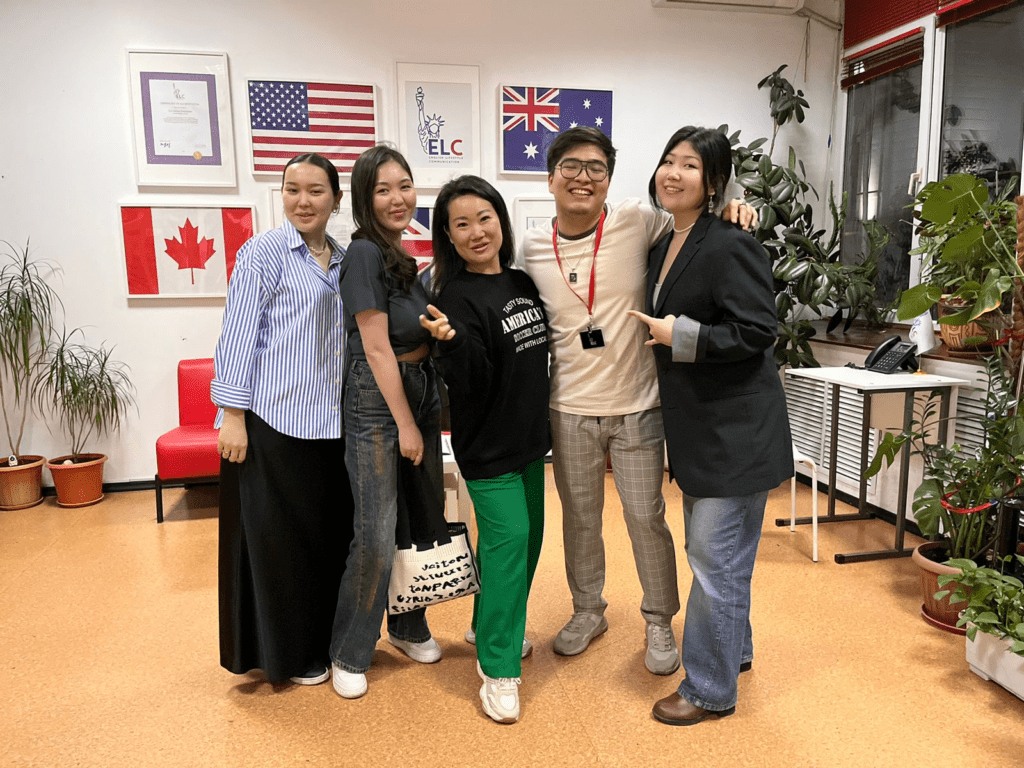
In 2023, the international company Education First conducted a survey to assess the level of English language proficiency in 113 countries. Ranked 104th, proficiency in Kazakhstan was deemed startlingly low. This year however, the situation is set to change with a growing trend to embrace the English language. What are the reasons behind this and what factors have contributed to the increased interest in English? TCA talked to young teacher and polyglot, Sanzhar Uvashev to learn more.   TCA: How would you rate the level of English language skills among the younger generation in Kazakhstan today? Uvashev: I would state that the level of English proficiency amongst our youth alone is at six out of ten. However, parents, increasingly aware of its importance, are investing in English courses, and teenagers themselves are reaching out, wanting to learn the language. It’s also worth noting that courses at one of the best universities in Kazakhstan, Nazarbayev University, are taught almost entirely in English.   TCA: What factors, in your opinion, are contributing to this growing interest in learning English? Uvashev: American pop culture plays a very big role, particularly memes and popular TV shows. Netflix, for example, dubs TV series into Russian less and less often. As a consequence, I’ve noticed that among my friends, almost everyone watches either in the original language or with subtitles. Anglicisms are fast becoming integral to everyday conversations, especially in Almaty, so much so that it’s now impossible to imagine conversing without using English phrases.   TCA: Can you describe the main changes or trends in English language learning among students over the last few years? Uvashev: Over the past few years, many people have become more proactive in learning English in order to go abroad. We also we have more tourists, so communication with foreigners on our soil adds to the level of interest.   TCA: What are the main advantages of English language skills for young people in Kazakhstan today? Uvashev: English opens up opportunities for young people wishing to go abroad. In addition, learning a new language expands boundaries, making people more tolerant and open-minded.   TCA: What difficulties do students face in learning English and how can they be overcome? Uvashev: Even though many of us know English, it’s not our first means of communication. As a result, everyone has problems practicing their language skills and many find it hard to overcome their shyness.   TCA: What, in your view, are the most effective methods of learning English, especially with reference to Kazakh culture and language? Uvashev: To my mind, exposure to pop culture, engaging with videos that match the interests of students, and playing video games are the most effective and modern methods of learning English. But the most universal of all, of course, is practice in speaking the language.

Kazakhstan and Uzbekistan Boost Transport Cooperation

On May 11, Ministers of Transport of Kazakhstan and Uzbekistan, Marat Karabaev and Ilkhom Makhkamov signed a Road Map for strategic cooperation in transport and logistics for 2024-2025. During the meeting in Astana, the ministers discussed the development of international transport corridors, rail and road transportation, and joint projects relating to the construction of a transport infrastructure. High on the agenda, were the joint implementation of the construction of the Uzbekistan – Afghanistan – Pakistan railway and the collaborative development of the multimodal transport corridor Belarus – Russia – Kazakhstan – Uzbekistan – Afghanistan – Pakistan. With reference to accelerating transportation through the digitalization of cargo documentation, the parties lauded the introduction of the ‘E-permit’ system of electronic exchange of permit forms between the two countries. The Kazakh side welcomed  Uzbekistan’s plans to build the Termez – Mazar-i-Sharif – Kabul - Peshawar railway and confirming his country’s readiness to participate in the project, Marat Karabaev stated, “The implementation of the project will contribute to the development of regional connectivity and trade for the countries of Central Asia, giving them access to the major sea ports of the South Asian region.” The parties also reported that work is now underway on a new railway line between Darbaza and Maktaaral, which will increase the throughput capacity between Kazakhstan and Uzbekistan by a further 10 million tons. The Kazakh minister noted that the volume of export-import transportation between the two countries by road increased by 6% over the past year and amounted to 1.8 million tons.  

Kazakhstan and Netherlands Cooperate in Agriculture and Healthcare

On 10 May in Astana, contracts were signed by Kazakhstan and the Netherlands to promote bilateral relations in both agriculture and healthcare, reported Kazakh Invest. The Ministry of Agriculture of Kazakhstan and the Dutch company VISCON signed a memorandum of understanding to implement the construction of an automated center for crop production. Employing artificial intelligence technologies and in vitro cultivation methods, the project will improve the sustainability, quality, and yield of crops in Kazakhstan. Running from 2024-2030, the initiative is set to produce 12 million seedlings annually. The Ministry of Agriculture also signed a contract with Royal GD to modernize Kazakhstan’s current veterinary service. By upgrading quality control, the joint project will ensure that Kazakhstan’s livestock products meet international standards and hence, boost its exportation to Western markets. With regard to the nation’s health, the Ministry of Healthcare of Kazakhstan and Royal Philips signed a memorandum of cooperation through which the Dutch company will localize the production of portable ultrasound devices in Kazakhstan.    

Kazakh Pensioner Takes A Trip To Paris — On His Bicycle

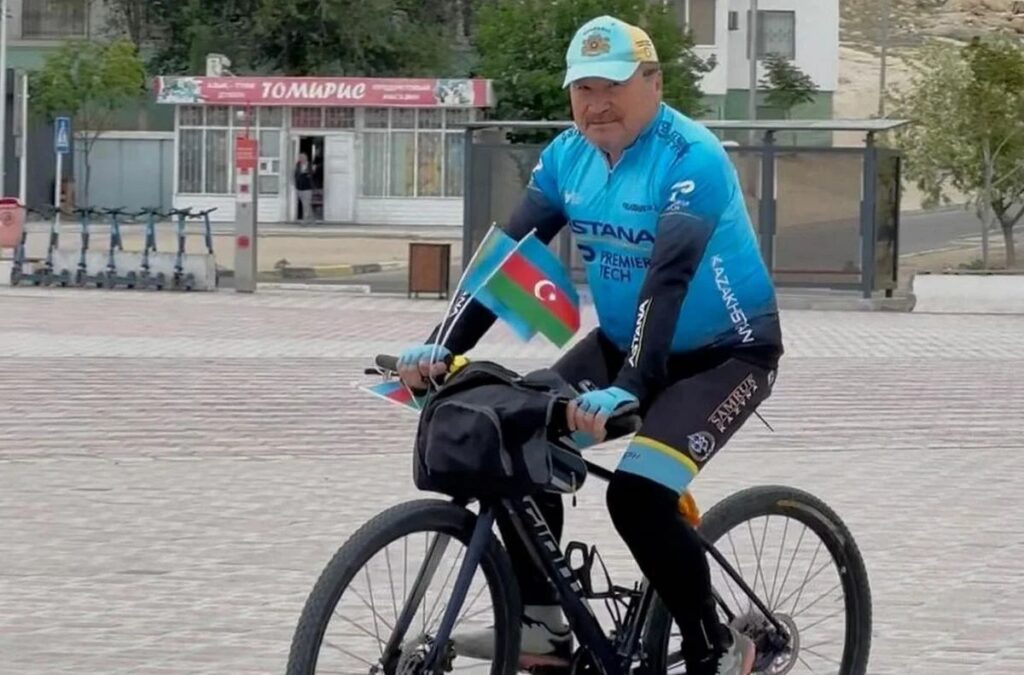
Sixty-four year-old Rabbim Borashev, from the town of Beineu in western Kazakhstan's Mangystau region, has set out to cycle to the Olympic Games in Paris, which begin at the end of July. He plans to cover 5,000 kilometers on his bike, reports Lada.kz. "You could say that traveling to the Olympics is my dream. When I was young there was no chance, but now the time has come. First I will go from Aktau to Baku. Representatives of [Kazakhstan's] Consulate General will be waiting there, and will escort me to the border with Georgia. This is great support for me. Then I will go to Batumi and participate in the Great Steppe Hike project. In June, I will leave for Turkey. I have plans to pass through Hungary, Austria, Germany and reach France," said Borashev. Before retiring, Borashev worked in the construction industry. In recent years he has become interested in cycling, and has taken part in several races.