• KGS/USD = 0.01144 0%
  • KZT/USD = 0.00215 0%
  • TJS/USD = 0.10599 -0.28%
  • UZS/USD = 0.00008 0%
  • TMT/USD = 0.28571 0%
  • KGS/USD = 0.01144 0%
  • KZT/USD = 0.00215 0%
  • TJS/USD = 0.10599 -0.28%
  • UZS/USD = 0.00008 0%
  • TMT/USD = 0.28571 0%
  • KGS/USD = 0.01144 0%
  • KZT/USD = 0.00215 0%
  • TJS/USD = 0.10599 -0.28%
  • UZS/USD = 0.00008 0%
  • TMT/USD = 0.28571 0%
  • KGS/USD = 0.01144 0%
  • KZT/USD = 0.00215 0%
  • TJS/USD = 0.10599 -0.28%
  • UZS/USD = 0.00008 0%
  • TMT/USD = 0.28571 0%
  • KGS/USD = 0.01144 0%
  • KZT/USD = 0.00215 0%
  • TJS/USD = 0.10599 -0.28%
  • UZS/USD = 0.00008 0%
  • TMT/USD = 0.28571 0%
  • KGS/USD = 0.01144 0%
  • KZT/USD = 0.00215 0%
  • TJS/USD = 0.10599 -0.28%
  • UZS/USD = 0.00008 0%
  • TMT/USD = 0.28571 0%
  • KGS/USD = 0.01144 0%
  • KZT/USD = 0.00215 0%
  • TJS/USD = 0.10599 -0.28%
  • UZS/USD = 0.00008 0%
  • TMT/USD = 0.28571 0%
  • KGS/USD = 0.01144 0%
  • KZT/USD = 0.00215 0%
  • TJS/USD = 0.10599 -0.28%
  • UZS/USD = 0.00008 0%
  • TMT/USD = 0.28571 0%

Viewing results 565 - 570 of 1031

“This Disaster Has Shown We Are All United”: An Interview with Zakirzhan Kharisovich, Deputy of Petropavlovsk, about the Kazakh Floods

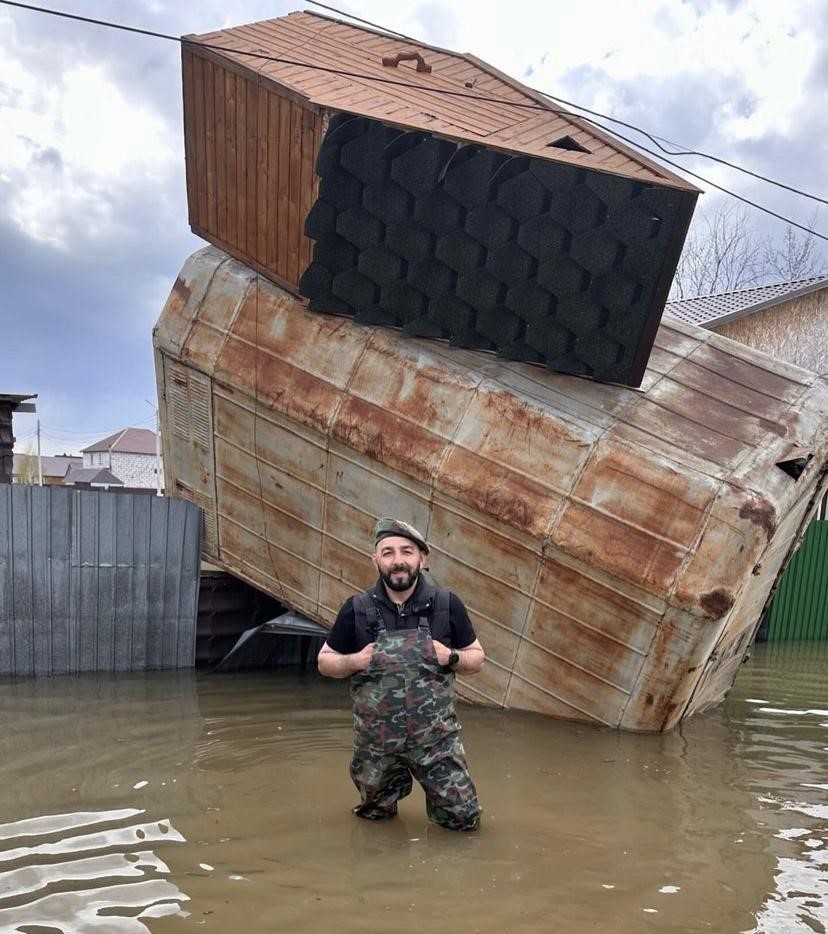
This spring Kazakhstan struggled to contain flooding that displaced upwards of 120,000 people -- described by president Kassym-Jomart Tokayev as the country’s ‘worst natural disaster in 80 years’. With the flooding now contained, and excess water being repurposed, The Times of Central Asia spoke to Zakirzhan Kharisovich, a deputy of the maslikhat (local representative body) of the city of Petropavlovsk, about his experience of the natural disaster. TCA: What were the main challenges you faced during the first months of the floods? ZK: The last time we experienced floods was back in 2017, when my yard was filled with 30-40 centimetres of water. We knew then that if rainfall exceeded the norm, the subsequent rise in the water level in the Sergeevskoye Reservoir, 170 kilometers away, would again pose a threat. This year, alerted by weather forecasts, to combat the problem I joined residents in building embankments and dams. We were assisted by soldiers from Astana, whom we called the "300 Spartans", as well as staff from the Emergency Situations Department in Karaganda. Despite precautionary measures, this time my yard was flooded with three meters of water. I couldn’t access my home for over three weeks, and during that time everything inside -- furniture, household appliances, etc. -- was submerged. TCA: How was aid organized in the first days after the floods? ZK: Due to the collapse of the city’s water tower, we had no access to drinking water for almost a month. In addition to providing the aforementioned help, Kazakhstan’s volunteer movement worked full-pelt in shipping in truckloads of humanitarian aid, including household products, mattresses, clothes, food, cereal, rice and flour, as well as pumps and water-pumping generators. The range of their assistance was enormous. Our compatriots in nearby cities, such as Kurgan and Tyumen, were worried about us and were quick to assist. We also received support from other places, including Dagestan, Tajikistan, Ingushetia, and from Russia and further afield. TCA: How did the akimat, public services and local communities work together, and what support was provided by the central government in addressing issues? ZK: Under the supervision of the deputy akim, the akimat staff were actively involved in building the dam, as well as coordinating and organizing activities in response to the floods. I packed bags with water-absorbent materials. Regarding the actions of the central government, Roman Sklyar, the first deputy prime minister, immediately arrived on site to speak to residents and help supervise measures to both clear the damage and resolve other issues caused by the floods. Following his visit, prime minister Olzhas Bektenov proposed to allocate funds to replace essentials such as furniture, cooking utensils, refrigerators etc. So, in principle, if four million tenge ($9,100) worth of furniture and appliances has been lost, it will be covered by the government. This does however raise many questions. Whilst we have full confidence in the pledge made by the president to restore our property, doubts surround the lower officials’ full understanding of his intentions. TCA: What was...

Victory Day Comes in Central Asian Countries Without Much Pomp, but Plenty of Feeling

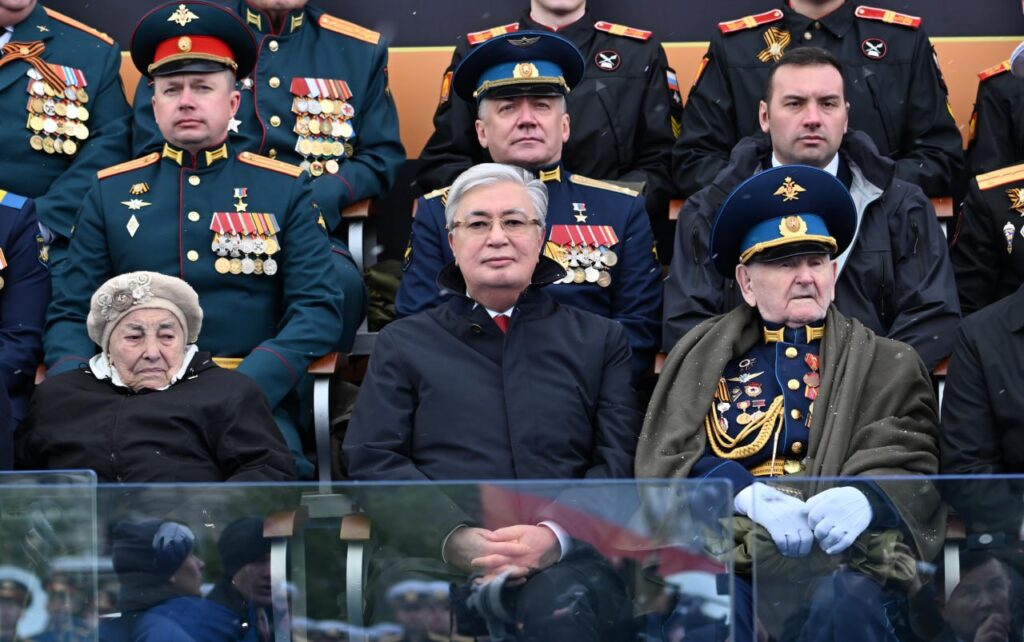
This year, as in previous years, the attitude toward Victory Day celebrations in Central Asian countries serves as an important political marker. The leaders of Kazakhstan, Kyrgyzstan, Tajikistan and Turkmenistan are scheduled to attend the Victory Day parade in Moscow on May 9. The leaders of Belarus, Cuba, Laos and Guinea-Bissau will also take part in the celebrations. The absences of the presidents of Uzbekistan, Armenia and Azerbaijan are particularly noticeable in that list. It's noteworthy that the Russian press is commenting on the different stances taken by the Central Asian countries in an extremely negative way -- deliberately agitating discord between Russia and the region. It's even been stated that Victory Day has been "canceled" in the region. Such are the broadcasts taking place against a backdrop of analysts' opinions: that in the coming decades, Central Asian countries won't be able to break the ties that bind them to their former Soviet master, as the economic dependence on Russia is only growing. This is especially true for Kazakhstan, as the lion's share of Kazakhstan's oil goes through Russian pipelines to Europe. In addition, a project increasing the transshipment of Russian hydrocarbons to China through Kazakhstan is in the works. However, contrary to the opinion of Russian tabloids, the Central Asian countries remain reverent and respectful of the cultural institution that is Victory Day. Most residents of the republics are proud of their fathers and grandfathers who fought on the fronts of World War II. In particular, for several years in a row, Kazakhstan has maintained a leading role in terms of doling out state budget payments to veterans of World War II. According to statistics, the size of a lump-sum social payment commemorating Victory Day in Kazakhstan, where 148 veterans live, averages $3,800. In Tajikistan there are 24 surviving veterans of World War II, and their payments amounted to $2,200-$2,300. Veterans in Uzbekistan received about $1,500, and in Belarus, Azerbaijan and Kyrgyzstan, about $1,100 apiece. Russia's 12,500 surviving veterans in Russia will receive the least -- the equivalent of only $107. To be sure, Kazakhstan has not held military parades in honor of the holiday for a year. That move is explained by the need to save money. This spring, unprecedented floods -- which affected almost half of the country -- have pushed President Kassym-Jomart Tokayev's administration to tend towards being thrifty and instead fund humanitarian aid and reconstruction. According to the Ministry of Defense of Kazakhstan, the parade requires spending about 4 billion tenge ($9 million) -- such a huge sum of money can be spent more impactfully on providing housing for the victims. Along with large-scale, WWII-related festive events in Kazakhstan, other important projects, such as international forums, have been canceled. Nevertheless, in his speech, President Tokayev not only congratulated veterans, but also emphasized the need to prepare for the 80th anniversary of the May 1945 victory, which is scheduled to be widely celebrated next year. In Uzbekistan, May 9 is considered a Day of Remembrance, but...

Kazakh Embassy Counselor in UAE Recalled After Domestic Violence Allegations

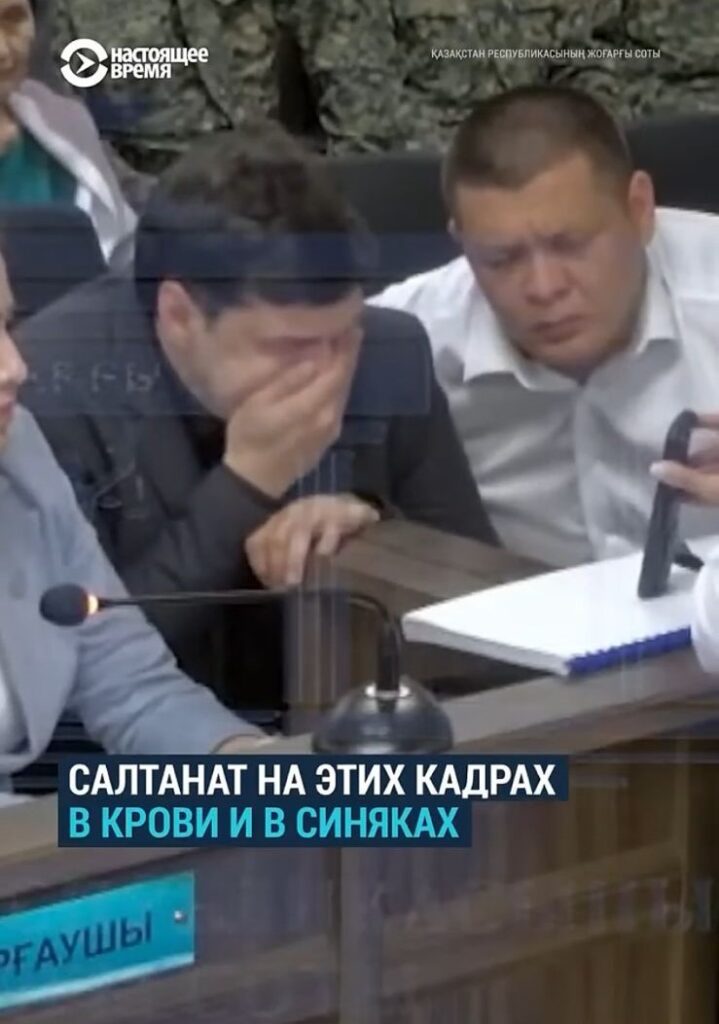
The Ministry of Foreign Affairs of Kazakhstan has recalled an Embassy Counselor from the United Arab Emirates (UAE), Saken Mamash, after the publication of a video message by his wife, Karina Mamash, who alleged ongoing domestic violence, according to a report in Kursiv.kz. "We urgently recalled this employee to Kazakhstan. Further, his case will be dealt with by law enforcement agencies," said an official representative of the ministry. Karina Mamash's appeal was published on an Instagram page run the public foundation, "NeMolchi" (Don't Remain Silent"). In the video, Mamash accuses her husband of years of violence, and expresses fear for her own safety and the safety of their children. "My name is Karina Mamash Gosmanovna. My husband, counselor to the Ambassador of the Republic of Kazakhstan to the UAE, yesterday beat me and my sister, who came to visit me on the 3rd [of May]. I demand help from our state. I am tired of being silent. I am tired of tolerating. For ten years he has been raping me, beating me. I am in danger, and my children are in danger around him. I demand help from our state. Help me," she said, attaching photos of herself and her sister with bruises on their faces to the post. Karina Mamash also insisted that her husband be "stripped of his status as a diplomat and put in jail for all the abuse." Domestic violence has become a key topic of discussion in Kazakhstan amid the high-profile case of Kuandyk Bishimbayev for allegedly killing his common-law wife, Saltanat Nukenova. On April 15, President Tokayev signed into law amendments and additions passed by Kazakhstan’s parliament ensuring the rights of women and the safety of children. The initiative represents a first in the CIS in terms of how far it goes to provide protection for women and children in the country.

Bishimbayev Trial: Will the “Show” Shift Reality?

The trial of Kuandyk Bishimbayev, accused of murdering his common-law wife, Saltanat Nukenova, is coming to an end with the verdict now in the hands of the jury. The trial has resonated widely in Kazakhstani society, but according to Gulmira Ileuova, a sociologist and head of the public foundation, Strategy: Center for Social and Political Research, Kazakhstan still has a long way to go to successfully fight abusive relationships. Ileuva commented on the case in an interview with the Times of Central Asia.   TCA: In Kazakhstan, Bishimbayev's trial has received a huge amount of attention, and Nukenova's death is being discussed at home and abroad, with rallies being held in her memory. Moreover, a law toughening penalties for domestic violence has recently been passed. Will that help to radically change the situation with violence to which thousands of Kazakhstani women are subjected every year? Ileuova: It seems to me that Bishimbayev's trial has influenced some categories of people - those who are ready to listen and draw conclusions. But society in a broader sense will not be overtly affected by this situation. Specialists are watching the trial, examining the behavior of lawyers, prosecutors, and other participants. Conclusions are also being drawn that the arguments used by the defense remain childish, infantile. Public opinion attributes to Bishimbayev's lawyers, let's say, the moral image of Bishimbayev himself. Psychologists will also draw conclusions: about problems with upbringing, family relations, etc. But in general, the feeling is that of a show having been created, captivating the audience, and making [the audience] terrified or delighted. Emotional swings are created, adrenaline is produced, and accordingly, people watch and get involved. But I doubt that there has been a profound shift in society against the backdrop of the trial. There needs to be a lot of additional activities, outreach, to tie the new law on domestic violence, in particular, to direct practice. Just the other day, the wife of a Kazakhstani diplomat appealed to the authorities for protection, saying that her husband had been torturing her for years and had beaten her again. This particular man did not draw any conclusions from Bishimbayev's story, including concerning his own actions. This official should have realized that the president was one of the most active initiators of the law on domestic violence. Of course, further public reaction will also be influenced by the expected decision of the court in the Bishimbayev case. If the principle of the inevitability of punishment and changes in the judicial system are demonstrated, there will be a certain shift. However, for now it is perceived mainly as a show. There is still an educational effect [only] in a small segment of society.   TCA: Why doesn't society perceive such clear signals? Why isn't there a shift to zero tolerance for domestic violence? Ileuova: We want change too fast, which is hardly possible because the inertia within society is huge. If women are sold for kalym (bride price or dowry), then they are still...

Kazakhstan Suspends Sugar Exports Until August

To ensure an uninterrupted supply of sugar to residents during the summer season, Kazakhstan’s government has announced a temporary ban on its export of sugar to third countries until 31 August. The decision made on 6 May, will affect fellow members of the Eurasian Economic Union - Armenia, Belarus, Kyrgyzstan, and Russia - but will not impact international transit. Kazakhstan’s warehouses can store about 256 thousand tons of its own reserves and imported sugar, which is enough to meet half of the country’s annual requirement of 500-550 thousand tons. According to Deputy Minister of Agriculture Erbol Taszhurekov, current stocks of sugar and raw cane amount to 136 thousand tons. Combined with the quota of 120 thousand tons of imported Russian sugar, reserves will reach 256 thousand tons by 31 August. In addition, Kazakhstan has a duty-free import quota of 300 thousand tons of raw cane for processing until the end of 2024. The average monthly sugar consumption is 46 thousand tons, and in summer, reaches 60 thousand tons.  Thus, explained the deputy minister, “the existing sugar reserves are more than enough to meet demand until the new harvest.” Kazakhstan also plans to negotiate with Russia to increase the quota of its supply of sugar by 100 thousand tons until the end of the year.  

First Kazakh Kindergarten Has Opened in California’s Silicon Valley

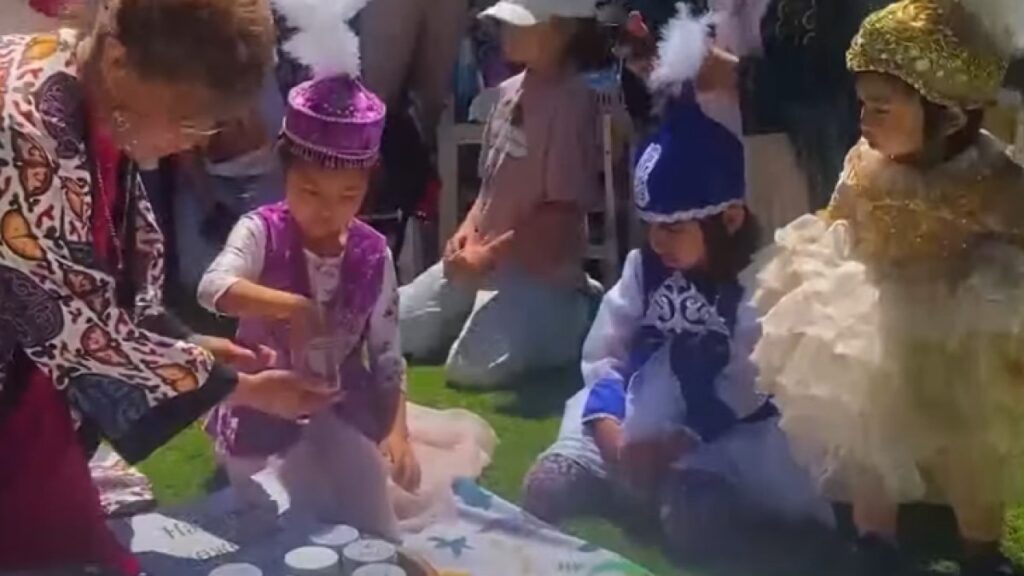
The first Kazakh kindergarten in the U.S. has opened in the state of California, and its a project developed and operated by natives of Kazakhstan. The main purpose of the educational center is to work for the preservation of national culture abroad, reports the news site 24.KZ. The idea to create a kindergarten replete with Kazakh-language instruction education came to Zhanna Atabekova. According to her, through the new school, citizens of Kazakhstan who live and work in Silicon Valley can now instill national values in their children. "We want our child to receive the same upbringing as if he or she was raised by grandparents. This kindergarten is important to preserve our language," parents stated. Earlier, President Kassym-Jomart Tokayev spoke out on the issue of a national language policy, expressing confidence that Kazakh would become the main language of inter-ethnic communication. At the end of last year, Kazakhstan's Ministry of Labor and Social Protection reported on its efforts to open education and training centers to help prepare Kazakhs for work abroad. According to official data, more than 194,000 citizens currently work abroad: 162,700 in Russia, 13,100 in Poland, 6,000 in South Korea, and 5,000 in Britain.