• KGS/USD = 0.01144 0%
  • KZT/USD = 0.00213 0%
  • TJS/USD = 0.10456 0.19%
  • UZS/USD = 0.00008 0%
  • TMT/USD = 0.28490 0%
  • KGS/USD = 0.01144 0%
  • KZT/USD = 0.00213 0%
  • TJS/USD = 0.10456 0.19%
  • UZS/USD = 0.00008 0%
  • TMT/USD = 0.28490 0%
  • KGS/USD = 0.01144 0%
  • KZT/USD = 0.00213 0%
  • TJS/USD = 0.10456 0.19%
  • UZS/USD = 0.00008 0%
  • TMT/USD = 0.28490 0%
  • KGS/USD = 0.01144 0%
  • KZT/USD = 0.00213 0%
  • TJS/USD = 0.10456 0.19%
  • UZS/USD = 0.00008 0%
  • TMT/USD = 0.28490 0%
  • KGS/USD = 0.01144 0%
  • KZT/USD = 0.00213 0%
  • TJS/USD = 0.10456 0.19%
  • UZS/USD = 0.00008 0%
  • TMT/USD = 0.28490 0%
  • KGS/USD = 0.01144 0%
  • KZT/USD = 0.00213 0%
  • TJS/USD = 0.10456 0.19%
  • UZS/USD = 0.00008 0%
  • TMT/USD = 0.28490 0%
  • KGS/USD = 0.01144 0%
  • KZT/USD = 0.00213 0%
  • TJS/USD = 0.10456 0.19%
  • UZS/USD = 0.00008 0%
  • TMT/USD = 0.28490 0%
  • KGS/USD = 0.01144 0%
  • KZT/USD = 0.00213 0%
  • TJS/USD = 0.10456 0.19%
  • UZS/USD = 0.00008 0%
  • TMT/USD = 0.28490 0%

Viewing results 2467 - 2472 of 4651

TikTok Tourism in Kazakhstan

On June 24, Minister of Tourism and Sports of Kazakhstan Ermek Marzhikpayev met Dmitry Pylev, TikTok’s representative and head of government relations in Central Asia, to discuss the joint success of TikTok and KazakhTourism's promotion of tourism in Kazakhstan via the popular online platform. As reported by the Ministry of Tourism and Sports, the parties focused on the large-scale initiative #GuideAcrossKazakhstan including video guides to attractions, cultural sites, and gastronomic tourism throughout the country. Dmitry Pylev noted that #GuideAcrossKazakhstan, dedicated to domestic tourism, has become TikTok’s most popular segment in Kazakhstan, gathering over 4,000 videos and some 2.5 million users. This is not the first successful project implemented by TikTok in partnership with KazakhTourism. Last year’s launch of #TravelKazakhstan which provided professional guided tours around the country and opportunities for users to share videos of their favourite places, attracted almost 25 million views. Praising the initiatives, the ministry stated that they not only boosted the development of domestic tourism, but also had a significant impact on popularizing Kazakhstan’s cultural heritage internationally.    
Water in Kazakhstan’s North Aral Sea Rises by Over a Billion Cubic Meters

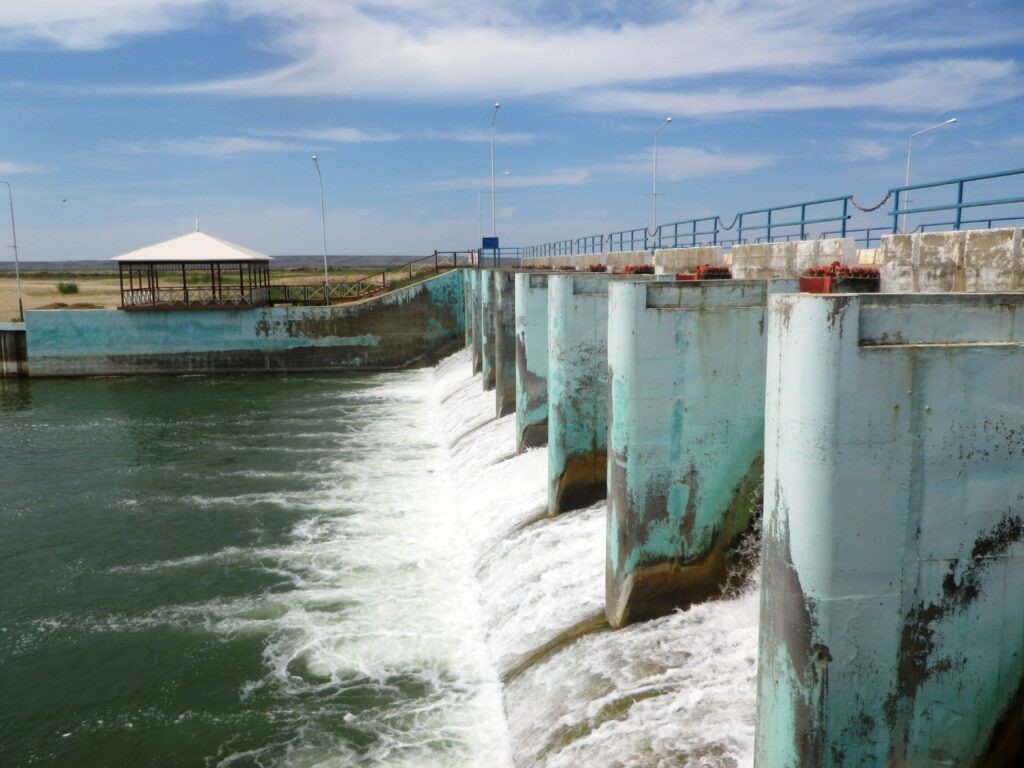
On June 24, the Kazakh Ministry of Water Resources and Irrigation announced that since the beginning of the year, 1.1 billion cubic meters of water have flowed into the North Aral Sea in Kazakhstan, raising the volume to 21.4 billion cubic meters. The North Aral Sea is the portion of the former Aral Sea fed by the Syr Darya River. It split from the South Aral Sea in 1987–‘88 when water levels dropped as a result of water being diverted from the river for agricultural use. At the recent 86th meeting of the Interstate Coordination Water Commission, which includes Kazakhstan, Kyrgyzstan, Tajikistan, Turkmenistan, and Uzbekistan, it was agreed that during this year’s irrigation season, 997 million cubic meters of water would be fed into the North Aral Sea at a rate of at least 30 cubic meters per second. Now, 50 cubic meters of water per second enters the sea, compared to just six cubic meters per second last year. In the 1990s, a dam was constructed to prevent the inflow of water from the North to the South Aral. Rebuilt in 2005, the Kok-Aral Dam enabled water levels to rise in the North Aral Sea. “From the moment the dam was put into operation until today, 46.6 billion cubic meters of water have flowed from the Syr Darya River into the North Aral Sea,” said Moldir Abdualieva, official representative of the Kazakh Ministry of Water Resources and Irrigation. “And over the past 7 years, 13.3 billion cubic meters of water have entered the sea. In recent years, the volume of water in the North Aral had been declining, but since the beginning of 2024 it has begun to grow again and today has reached 21.4 billion cubic meters.” According to the ministry, 75% of the flow of the Syr Darya River comes from Kyrgyzstan, 20% from Uzbekistan, and 5% from Kazakhstan.    

French Company Signs Contract With Karachaganak Consortium

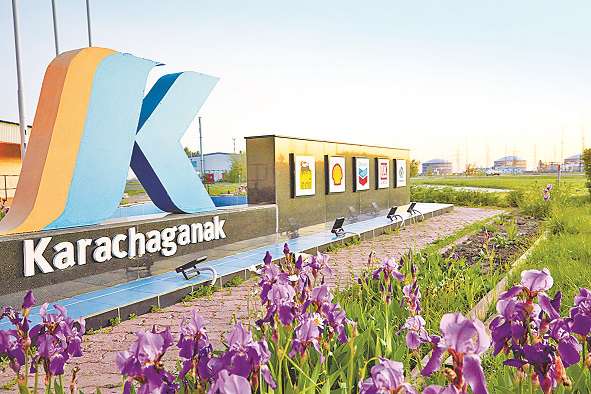
Technip Energies NV, a French engineering and technology company in the energy sector, has entered into a five-year service agreement with Karachaganak Petroleum Operating B.V. (KPO) to develop the Karachaganak field in northwest Kazakhstan. According to representatives of Technip, the agreement covers a wide range of services, from consulting and conceptualization to detailed design of facilities and infrastructure. The project will be implemented through the joint venture TKJV LLP, created by Technip Energies in cooperation with the Kazakh company KPSP. Technip Energies is already engaged in projects in Kazakhstan, including the production of "green hydrogen" (Hyrasia One) and the construction of a gas processing plant at Kashagan. Earlier, Kazakhstan's energy minister, Almasadam Satkaliyev, announced the implementation of investment projects to expand Karachaganak. These projects are planned until 2028 and will maintain the production shelf at 11 million tons annually.

Over a Million Ethnic Kazakhs Have Returned to Kazakhstan Since 1991

Since 1991, over 1.1 million ethnic Kazakhs have returned to live in Kazakhstan, the government has reported. Since the start of this year 7,353 ethnic Kazakhs have received the status of kanda (Kazakh repatriates). Just under half (49.4%) arrived from China, 34.4% came from Uzbekistan, followed by Turkmenistan (6.3%), Mongolia (5.4%) and Russia (3.2%). These kandas have settled in different regions of Kazakhstan, but labor-deficient regions -- the Akmola, Abay, Kostanay, Pavlodar, East, and North Kazakhstan regions -- have been promoted as potential new homes. Kandas resettling in these regions are provided state support, namely a relocation subsidy of KZT 258,400 ($560) per family. The Ministry of Labor has announced that since 2023 the pilot relocation program has implemented a "one window" mechanism for granting kandas status through Kazakhstan's embassies. This initiative allows ethnic Kazakhs to address issues related to visiting Kazakhstan, securing employment, finding housing, and obtaining official status without physically entering the country. To date, 9,569 applications from ethnic Kazakhs have been processed under this new system.

Alleged Arson: Greek Authorities Detain Crew of Pleasure Boat Carrying Kazakh Tourists

The Greek authorities are investigating a forest fire on Hydra Island that was allegedly caused by fireworks that were launched from a luxury boat carrying tourists from Kazakhstan. The captain and 12 crewmembers of the vessel Persephone face arson charges in connection with the fire that broke out on Friday night, Greek media has reported. Citing Greek police, Kazakhstan’s foreign ministry said no Kazakh citizens have been detained “and no claims were made against them either,” according to the official Kazinform News Agency. The Persephone headed in bad weather to a marina after the fire broke out Friday and the 17 Kazakh passengers left Greece from the international airport in Athens on Saturday morning, reported Proto Thema, a Greek newspaper. “The fire of Hydra endangered the island, burned 300 acres and our firefighters made superhuman efforts to contain it. The case is before the Piraeus Public Prosecutor's Office and it remains to be proven what exactly happened,” said Vassilis Kikilias, Minister of Climate Crisis and Civil Protection in Greece. The fire occurred in a pine forest in a remote area of Hydra, a popular tourist island. Residents expressed anger about the incident, which is among a number of wildfires that Greece has been battling amid high temperatures.

Central Asian Leaders Offer Support, Condolences to Putin After Dagestan Attack

Several leaders in Central Asia have spoken by telephone with Russian President Vladimir Putin and expressed their condolences after attacks by alleged Islamic militants in the Russian area of Dagestan killed about 20 people.  The quick expressions of support on Monday reflect longstanding security ties between Russia and Central Asian countries, as well as growing concerns about extremist attacks in the region, particularly following the March 22 assault on the Crocus City concert hall in the Moscow area that killed more than 140 people. The violence in Russia on Sunday happened in two cities in a mostly Muslim region of the North Caucasus and targeted police and places of worship.  Uzbek President Shavkat Mirziyoyev said in his conversation with Putin that Uzbekistan was ready “to continue active cooperation between the relevant structures in the fight against common threats in the field of security,” according to a statement by Mirziyoyev. The two leaders also discussed implementation of agreements reached during a visit by Putin to Uzbekistan on May 26-28.  Kazakh President Kassym-Jomart Tokayev made similar remarks in a call with Putin, saying Kazakhstan “condemns any assassination and evil attempt on the lives of civilians and regards it as a great threat to international and regional security,” Tokayev’s office reported. It said the two presidents talked about strengthening their “strategic partnership” and discussed the agenda of the Shanghai Cooperation Organization summit, to be held in the Kazakh capital of Astana on July 3-4.  Tajikistan’s leader Emomali Rahmon sent a message expressing “a feeling of deep sadness” and pledges of collaboration on security issues to Putin, saying his country had been fighting terrorism for decades. “Tajikistan, which has been fighting against all forms of terrorism for more than 30 years, strongly condemns this inhuman act of violence in Dagestan and advocates active cooperation in the fight against terrorism,” Rahmon said.  Kyrgyzstan’s leader, Sadyr Japarov, who left Bishkek on Monday on an official trip to Belgium, also expressed solidarity with Russia.  The Islamic State group claimed responsibility for the March 22 attack in suburban Moscow and several Tajik suspects were arrested, leading to some harassment and increased scrutiny of many Central Asian migrants who travel to Russia in hopes of finding work. The situation fueled diplomatic tension between Russia and some Central Asian countries, though their leaders have worked to stabilize relations.  Putin blamed battlefield adversary Ukraine for the March 22 attack, but he didn’t offer evidence and Kyiv denied the allegation.