• KGS/USD = 0.01144 0%
  • KZT/USD = 0.00212 0%
  • TJS/USD = 0.10432 0%
  • UZS/USD = 0.00008 0%
  • TMT/USD = 0.28490 0%
  • KGS/USD = 0.01144 0%
  • KZT/USD = 0.00212 0%
  • TJS/USD = 0.10432 0%
  • UZS/USD = 0.00008 0%
  • TMT/USD = 0.28490 0%
  • KGS/USD = 0.01144 0%
  • KZT/USD = 0.00212 0%
  • TJS/USD = 0.10432 0%
  • UZS/USD = 0.00008 0%
  • TMT/USD = 0.28490 0%
  • KGS/USD = 0.01144 0%
  • KZT/USD = 0.00212 0%
  • TJS/USD = 0.10432 0%
  • UZS/USD = 0.00008 0%
  • TMT/USD = 0.28490 0%
  • KGS/USD = 0.01144 0%
  • KZT/USD = 0.00212 0%
  • TJS/USD = 0.10432 0%
  • UZS/USD = 0.00008 0%
  • TMT/USD = 0.28490 0%
  • KGS/USD = 0.01144 0%
  • KZT/USD = 0.00212 0%
  • TJS/USD = 0.10432 0%
  • UZS/USD = 0.00008 0%
  • TMT/USD = 0.28490 0%
  • KGS/USD = 0.01144 0%
  • KZT/USD = 0.00212 0%
  • TJS/USD = 0.10432 0%
  • UZS/USD = 0.00008 0%
  • TMT/USD = 0.28490 0%
  • KGS/USD = 0.01144 0%
  • KZT/USD = 0.00212 0%
  • TJS/USD = 0.10432 0%
  • UZS/USD = 0.00008 0%
  • TMT/USD = 0.28490 0%

Viewing results 235 - 240 of 919

Kyrgyzstan Turns to Alternative Energy to Address Power Deficit

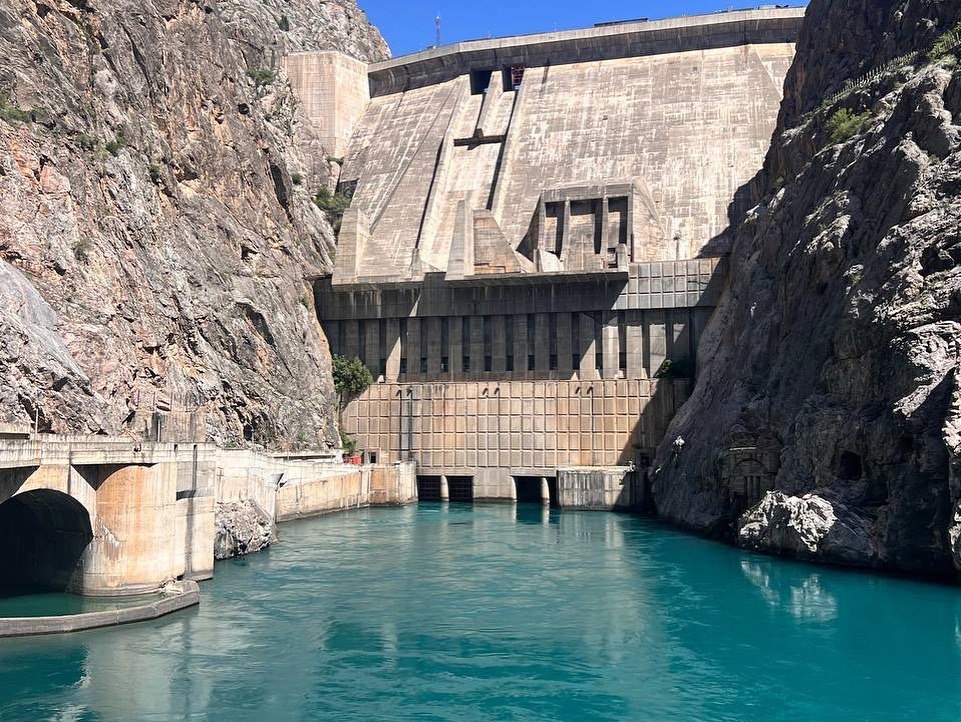
Expanding the use of alternative energy sources is key to overcoming Kyrgyzstan’s persistent electricity shortages, Deputy Chairman of the Cabinet of Ministers Bakyt Torobayev said during a meeting at the Ministry of Energy on March 27. Torobayev acknowledged the country’s chronic power deficit and underscored the need for investment in renewable energy development. “Increasing power generation is today’s top priority,” he stated. In response to the ongoing energy crisis, the Kyrgyz government declared a state of emergency in the energy sector from August 1, 2023, to December 31, 2026. The move was intended to accelerate emergency measures to counter the impacts of climate change, reduced water flows in the Naryn River, a major source of hydropower, rising energy demand, and limited generating capacity. Power Imports Fill the Gap Although Kyrgyzstan has the potential to generate 142 billion kilowatt-hours (kWh) annually, current production stands at just 14 billion kWh, approximately 10% of its hydropower capacity. According to Energy Minister Taalaibek Ibrayev, the country currently generates 3,450 megawatts of electricity, while demand has risen to 3,600 megawatts. In 2024, Kyrgyzstan consumed 18.3 billion kWh, an increase of 1.1 billion kWh over the previous year. Hydropower plants accounted for 12.77 billion kWh, while coal-fired thermal plants produced 1.76 billion kWh. Small private hydropower plants added 156.2 million kWh, and solar installations contributed 0.17 million kWh. To close the gap, Kyrgyzstan imported 3.63 billion kWh of electricity in 2024, an increase of 141.7 million kWh from 2023. Expanding Generation Capacity To alleviate the crisis, the government has launched several major hydropower construction projects. The Ministry of Energy announced ongoing work to install a second hydroelectric unit at the Kambarata-2 Hydropower Plant (HPP). The plant is designed for three units with a combined capacity of 360 megawatts (120 MW each). Currently, only the first unit is operational. The addition of the second unit will significantly enhance the plant’s output. Meanwhile, construction has also begun on the much larger Kambarata-1 HPP on the Naryn River. When completed, it will become Kyrgyzstan’s largest hydropower facility, with a projected capacity of 1,860 megawatts and an expected annual output of 5.6 billion kWh, enough to substantially address the country’s energy shortfall. Embracing Solar and Wind As part of its energy diversification strategy, Kyrgyzstan has also initiated solar and wind energy projects. In 2024, the country began building a 400-megawatt solar power plant and a 100-megawatt wind farm, marking significant steps toward reducing reliance on imported electricity and fossil fuels.

Kyrgyz Startup Yessa Helping Women to Reclaim Pleasure

When Begaiym Zamirbek left her job at the Institute for War & Peace Reporting (IWPR), where everything was stable and predictable, she dove into the significantly riskier world of startups with her new venture, Yessa. That’s how her path of entrepreneurship began, which led her to Vietnam. Yessa supplies audio erotic entertainment for women, like companies including Quinn and Femtasy. Both boast a vast audience and have raised over $3 Million in investments. Quinn is based in the U.S., and its European counterpart, Femtasy, operates out of Berlin. Neither are available in languages other than English, French, and Deutsch, however. But Yessa is trying to fix that by making audio erotica for women available in other languages. My previous partner “did things in bed that I agreed to unconditionally. I didn't even know I had a choice,” Zamirbek told TCA. “I came out of that relationship traumatized and didn't realize, but after the breakup, any thought of sex made me feel disgusted. I accidentally came across an audio where the men were caring, tender and asked for my consent for literally everything. I thought that if such audios exist, then there must be such partners in reality. And I was not mistaken. I regretted that all such content was in English, and then I thought that Russian-speaking women also need such things.”Apart from her full-time job at IWPR, Zamirbek is a seasoned podcast host. Her podcast, Second Shift, which she has been co-hosting for five years, was the first feminist podcast in Kyrgyzstan and quickly became one of the most popular ones. That experience set her on the path toward the launch of her audio company. During the COVID-19 pandemic, Zamirbek spent a lot of time at home listening to erotica in English, which piqued her interest in exploring her desires and going on dates. In 2024, inspired by TikTok, where more and more women were openly discussing the intimate details of their relationships, she began implementing her startup idea. After seeking advice from a venture capital professional and completing the Y Combinator’s Startup School, Zamirbek started looking for a tech co-founder. “We met at the March 8 march for women's rights in Bishkek. Anna Karamurzina came up to say ‘hello’ because she knew of me. She had worked in IT for over twelve years, and I came to her with an offer to build a startup just when she needed a job. Since August 2024, we’ve been the co-founders of the Yessa app.” The ex-IWPR Program Manager for Central Asia began her journey in the startup ecosystem by participating in the Startup Nation hackathon as the Co-Founder of Yessa in September 2024, where she was awarded a special prize as the strongest startups chosen from over 40 teams. Zamirbek soon realized that she needed resources and expertise to scale Yessa and followed the path of one of the Kyrgyz founders of Antler, one of the leading global accelerators backing early-stage companies with offices worldwide. With the help of several...

EDB Begins Pre-Feasibility Study for Hydropower Plant Cascade in Kyrgyzstan

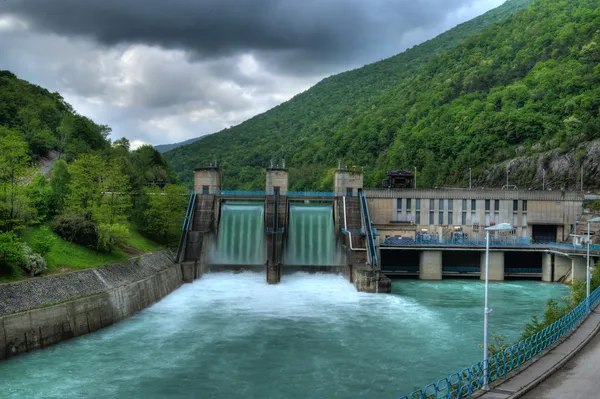
The Eurasian Development Bank (EDB) and Kyrgyzstan’s Ministry of Economy and Commerce have signed a technical assistance agreement to initiate a pre-feasibility study for the Hydropower Plant (HPP) Cascade Project. The announcement was made on March 26 and marks a significant step forward in the development of one of Kyrgyzstan’s most ambitious energy infrastructure projects. This agreement builds on the existing partnership between the EDB and the Ministry, established under a Memorandum of Cooperation signed in December 2024. Scope of the Study Under the agreement, the EDB will finance the pre-feasibility study, which will include: Estimating preliminary capital expenditures Developing key technical solutions Assessing environmental and social impacts Outlining state support measures needed for project implementation The study will be carried out in collaboration with the Ministry and a designated consulting firm. Strategic Importance of the Suusamyr-Kokomeren Cascade The planned hydropower cascade will be situated on the Kokomeren River and consist of three power plants with a combined installed capacity of 1,305 MW. The project is expected to significantly enhance Kyrgyzstan’s electricity generation capacity, help meet growing domestic energy demands, and contribute to reducing greenhouse gas emissions. Hydropower is a cornerstone of Kyrgyzstan’s renewable energy strategy, and the Suusamyr-Kokomeren project is envisioned as a key driver of energy security and regional development. Regional and International Cooperation The EDB is a multilateral development institution comprising six member states: Armenia, Belarus, Kazakhstan, Kyrgyzstan, Russia, and Tajikistan. It finances regional development projects that foster economic integration across Eurasia. It is worth noting that in early 2024, Kyrgyzstan’s Ministry of Energy signed memorandums of understanding with China National Electric Engineering Co. Ltd. These agreements include cooperation on the construction of both the Suusamyr-Kokomeren HPP Cascade and the Kara-Kechin thermal power plant. Together, these initiatives underscore Kyrgyzstan’s strategic push to diversify its energy portfolio and strengthen infrastructure through international partnerships and sustainable energy investments.

Central Asia’s Crypto Gamble: Growth Amid Uncertainty

Central Asian countries are approaching the cryptocurrency and crypto-mining industry at varying speeds. While some are just beginning to explore the sector, others have already taken significant, albeit sometimes contradictory, steps. Kazakhstan: From Mining Powerhouse to Regulatory Caution Kazakhstan once emerged as a global leader in bitcoin mining. Between mid-2021 and early 2022, the country ranked third in the world in terms of bitcoin mining capacity, accounting for 13.22% of global computing power, trailing only the United States and China. This boom was fueled by low electricity costs, favorable tax conditions, and an influx of miners fleeing stricter regulations in China. However, the rapid growth strained Kazakhstan’s energy infrastructure. The Ministry of Energy reported that while annual electricity consumption had previously grown by an average of 2%, in 2021 it surged by 6.1% and up to 12% in the densely populated southern energy zone. Digital mining was cited as the primary cause. By early 2025, Kazakhstan’s share of global mining capacity had dropped to just 1.4%, placing it outside the top five globally. Although around 60 companies are currently active in the sector, some operations have stalled. Tax legislation has tightened since 2022, with miners required to pay 1-2 tenge per kilowatt-hour depending on the energy source. Illegal mining and unlicensed exchanges remain a challenge; in 2024 alone, 12 criminal cases were launched against underground platforms. Despite these setbacks, experts see potential for a more sustainable and regulated industry. The Astana International Financial Center (AIFC) has become the hub for cryptocurrency operations. A 2023 law on digital assets and updated rules from the Astana Financial Services Authority (AFSA) in 2024 have laid a more comprehensive legal foundation, including provisions on cybersecurity and anti-money laundering. Over 10 licensed cryptocurrency exchanges now operate in Kazakhstan, including global names like Binance, Bybit, and Bitfinex Securities. New initiatives such as the digital tenge and the Cryptocard aim to further integrate blockchain into daily financial transactions. President Kassym-Jomart Tokayev reaffirmed the government's commitment to digital transformation in March 2025: “The development of the digital asset industry and blockchain technology plays a major role. Urgent measures must be taken to liberalize regulation, ensure the legal circulation of digital assets and crypto exchanges, and attract investment in digital mining,” he said. Uzbekistan: State-Supported Growth Uzbekistan has made blockchain and digital assets a policy priority. The National Agency for Perspective Projects (NAPP) is the main regulatory body. Between 2022 and 2024, the agency issued 14 licenses to cryptocurrency companies. The UzNEX exchange, an internationally licensed platform, has played a key role in developing the crypto market in both Uzbekistan and the wider region. Its services include crypto asset trading, staking, and NFT transactions. In 2024, it expanded its list of supported cryptocurrencies (including Toncoin) and plans to launch a digital art platform. Total trading volume exceeded $1 billion in 2024. Kyrgyzstan: Building a Legal Framework Since 2022, Kyrgyzstan has actively developed its regulatory environment for digital assets. The key legislation is the Law on Virtual Assets, which outlines...

Kyrgyzstan Begins Domestic Printing of National Currency Banknotes

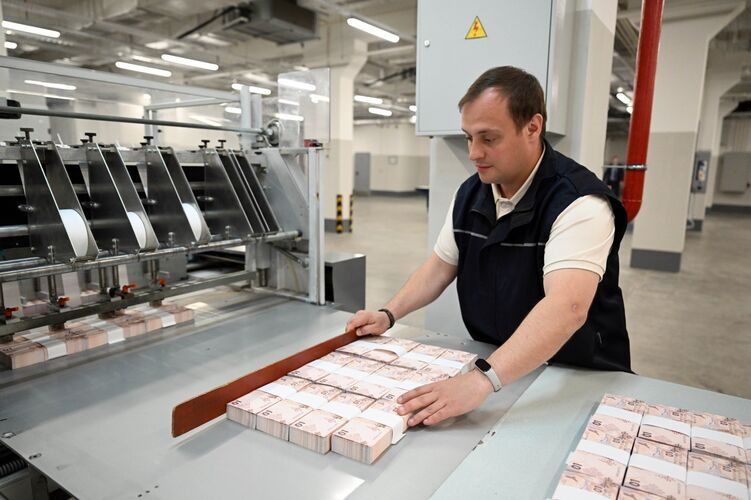
For the first time since gaining independence, Kyrgyzstan has begun printing its national currency, the som, within the country. Previously, Kyrgyz banknotes were produced in various European countries. The new notes are produced by the Bishkek-based Open Joint Stock Company Uchkun. Starting with Small Denominations Chairman of the National Bank Melis Turgunbayev announced that production has begun with small-denomination bills. This approach will enable a quicker replacement of worn or damaged notes scheduled for withdrawal from circulation. Turgunbayev stressed that the new banknotes adhere to the highest international standards for counterfeit protection. A Modernized National Printing Facility Uchkun has recently undergone a major modernization effort, acquiring state-of-the-art printing equipment. In addition to currency, the facility now produces passports, excise stamps, and educational materials. According to Uchkun's Director Bakytbek Sultanov, the enterprise has already begun printing passports and excise stamps. He stated that in his opinion the security features of Kyrgyz passports rank among the top ten globally for protection against counterfeiting. In 2024 alone, Uchkun produced over 770,000 passports and nearly one million books, marking a significant step forward in Kyrgyzstan’s self-reliance in secure printing technologies.

New Border Warehouse to Boost Kyrgyz Agricultural Exports to China

Kyrgyzstan and China have inaugurated a major new warehouse in the city of Ulugqat, located in China’s northwestern Xinjiang Uyghur Autonomous Region (XUAR), near the Kyrgyz border. The facility is designed to facilitate the export of Kyrgyz agricultural products to China, serving as a key logistics hub for cargo passing through the nearby Torugart and Irkeshtam border checkpoints. At the opening ceremony on March 18, Bakyt Torobayev, Deputy Chairman of Kyrgyzstan’s Cabinet of Ministers and Minister of Water Resources, Agriculture, and Processing Industry, stated that the warehouse will improve logistics and ensure a reliable and uninterrupted supply of agricultural goods. In its initial phase, it will focus on the smooth transit of grain and legumes. According to the Kyrgyz government’s press service, the warehouse is divided into four zones: vegetable storage, frozen storage, laboratory facilities, and general cargo. It has an annual processing capacity of more than 1 million tons. Future expansion plans aim to accommodate a broader range of agricultural products beyond grains and legumes. During the ceremony, a deputy chairman of XUAR’s People's Government emphasized China’s commitment to increasing imports of high-quality Kyrgyz agricultural products, in line with President Xi Jinping’s directives. Official statistics show that in 2024, Kyrgyzstan’s agricultural exports to China reached $124 million. Of this, 8.6% consisted of livestock products, 19.4% crop products, and 72% processed food and agricultural goods. Plans for a New Logistics Park During his visit to Xinjiang, Torobayev also met with major Chinese companies in the province's capital Urumqi to discuss a project for an international customs and logistics park, Golden Road Asia-Europe, in Kyrgyzstan’s Chui region. Torobayev announced that Kyrgyzstan will allocate a land plot for the facility, which is expected to equally serve the export-import interests of both countries. The total investment in the project is estimated at $30 million. Chinese Agricultural Equipment for Kyrgyzstan Torobayev also held talks with a Chinese company specializing in agricultural drones and artificial precipitation technologies. As a result, the company agreed to provide Kyrgyzstan with agricultural equipment for artificial rain and pest control, valued at more than $1.1 million, on a grant basis.