• KGS/USD = 0.01144 0%
  • KZT/USD = 0.00208 0%
  • TJS/USD = 0.10431 0.1%
  • UZS/USD = 0.00008 0%
  • TMT/USD = 0.28571 0%
  • KGS/USD = 0.01144 0%
  • KZT/USD = 0.00208 0%
  • TJS/USD = 0.10431 0.1%
  • UZS/USD = 0.00008 0%
  • TMT/USD = 0.28571 0%
  • KGS/USD = 0.01144 0%
  • KZT/USD = 0.00208 0%
  • TJS/USD = 0.10431 0.1%
  • UZS/USD = 0.00008 0%
  • TMT/USD = 0.28571 0%
  • KGS/USD = 0.01144 0%
  • KZT/USD = 0.00208 0%
  • TJS/USD = 0.10431 0.1%
  • UZS/USD = 0.00008 0%
  • TMT/USD = 0.28571 0%
  • KGS/USD = 0.01144 0%
  • KZT/USD = 0.00208 0%
  • TJS/USD = 0.10431 0.1%
  • UZS/USD = 0.00008 0%
  • TMT/USD = 0.28571 0%
  • KGS/USD = 0.01144 0%
  • KZT/USD = 0.00208 0%
  • TJS/USD = 0.10431 0.1%
  • UZS/USD = 0.00008 0%
  • TMT/USD = 0.28571 0%
  • KGS/USD = 0.01144 0%
  • KZT/USD = 0.00208 0%
  • TJS/USD = 0.10431 0.1%
  • UZS/USD = 0.00008 0%
  • TMT/USD = 0.28571 0%
  • KGS/USD = 0.01144 0%
  • KZT/USD = 0.00208 0%
  • TJS/USD = 0.10431 0.1%
  • UZS/USD = 0.00008 0%
  • TMT/USD = 0.28571 0%

Viewing results 193 - 198 of 694

Kazakhstan, Uzbekistan, Kyrgyzstan Condemn Israel for Attack on Hamas in Qatar

Several countries in Central Asia sharply criticized Israel’s airstrike on a Hamas meeting in Qatar on Tuesday, saying it was a violation of sovereignty and international law.  “Whatever the objective, such actions must not be allowed,” President Kassym-Jomart Tokayev of Kazakhstan said. “This violates the sovereignty of the State of Qatar and contradicts the principles of international law.” Uzbekistan´s Ministry of Foreign Affairs issued a similar statement about the attack, which escalated tensions in the Middle East and threatened to disrupt already fragile talks about a cease-fire in Gaza.  The ministry noted that the attack happened in a residential area of the Qatari capital of Doha and described it as “an encroachment upon the inviolability of borders and security” of the Gulf state. “Such actions are unacceptable and represent a serious disregard for the UN Charter, fundamental norms and principles of international law,” the ministry statement said. “Uzbekistan has consistently opposed any form of use of force in international relations that exacerbates the already complex situation in the Middle East.” President Sadyr Japarov of Kyrgyzstan also condemned the Israeli attacks, according to presidential spokesman Askat Alagozov. Hamas negotiators have a base in Qatar, which has served as a mediator in efforts to reach a cease-fire in Gaza. Israel said the strike in Doha was retaliation for a shooting attack that killed five people in Jerusalem on Monday.  Kazakhstan and other Central Asian countries have been developing more investment projects with Qatar as they diversify their international trading partners.  

Kyrgyzstan Adopts the Snow Leopard as Its National Symbol

The snow leopard logo will become a national symbol of Kyrgyzstan and will be used at the state level, according to Erkinbek Mamayev, head of the Wildlife Department at the Ministry of Natural Resources, Ecology and Technical Supervision. The move follows President Sadyr Japarov’s December 2023 decree recognizing the snow leopard as an official emblem of the republic. The Cabinet of Ministers has been tasked with developing the logo and ensuring its use across government, cultural, and promotional initiatives. Elena Bosler-Guseva, the Bishkek-based author of the children's book In the Footsteps of the Little Snow Leopard Brothers, told The Times of Central Asia: “The snow leopard has always been a sacred animal for Kyrgyz. The Kyrgyz people’s nomadic culture is characterized by its special relationship with the natural world, and it has long been believed that they watch over our warriors to protect them. They represent beauty, strength and freedom in our legends and fairy tales.” For the reclusive cat to be officially adopted as a national symbol, coordinated action is needed between government agencies, scientific and educational institutions, public and international organizations. A key aim of the draft law is to further protect the species, as well as maintain its sustainable coexistence with humans.  It is hoped that the snow leopard’s new status will make it easier to increase the snow leopard population, allow more protected areas to be created, and generate more resources for Kyrgyzstan’s authorities to monitor their habitats and combat poaching. Bosler-Guseva expanded on how the government’s proposed law will help snow leopards themselves, adding: “Sadyr Japarov’s order to recognise them as Kyrgyzstan’s national symbol will strengthen the government’s support for initiatives to protect the snow leopard and its habitat”.

Kazakhstan, Kyrgyzstan, and Uzbekistan Agree on Joint Water and Energy Measures

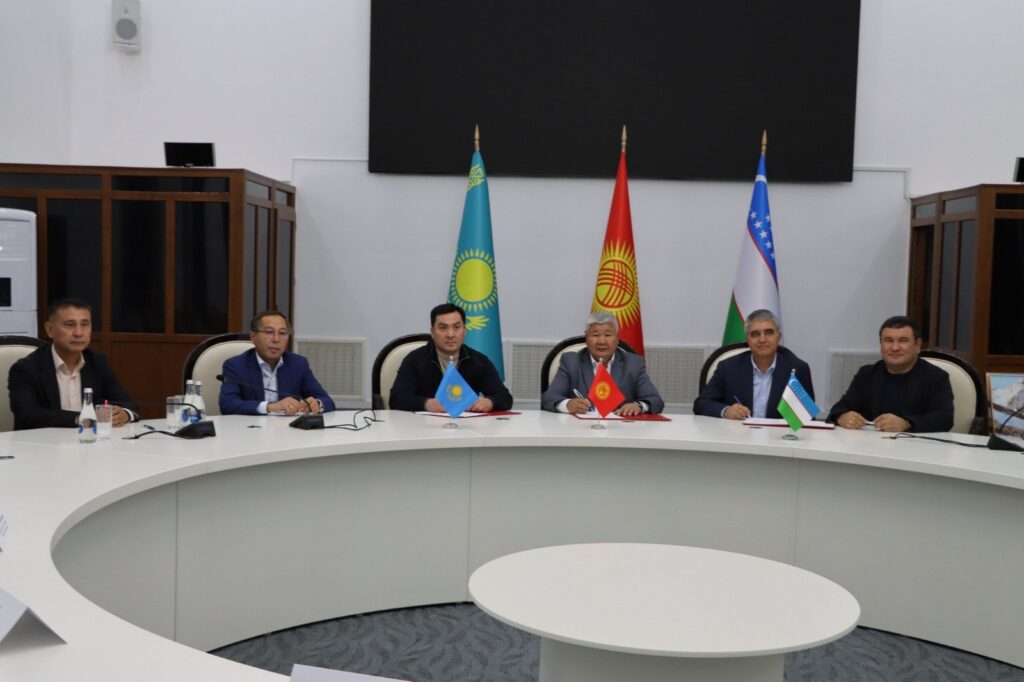
Kazakhstan, Kyrgyzstan, and Uzbekistan have reached a landmark agreement on coordinated water and energy management, signaling a deepening commitment to cross-border cooperation amid growing seasonal and climate-related challenges. The agreement was formalized on September 7 in Cholpon-Ata, Kyrgyzstan, during a meeting of energy ministers and water management authorities from the three countries. The protocols define mutual obligations for water releases and electricity exchanges, with the goal of balancing the region’s energy needs and preserving critical water resources. Under the terms of the agreement, Kyrgyzstan will release water from the Toktogul Hydroelectric Power Plant (HPP) reservoir to downstream Kazakhstan and Uzbekistan. In return, Kyrgyzstan will receive electricity from both countries through spring 2026. According to the Kyrgyz Ministry of Energy, the arrangement is designed to optimize the use of water stored in Toktogul and to secure reliable electricity supplies for Kyrgyzstan during the 2025-2026 autumn-winter period. Regional Power Transit Agreements The protocols also include provisions for cross-border electricity transit: from Russia to Kyrgyzstan via Kazakhstan’s grid, and from Turkmenistan to Kyrgyzstan through Uzbekistan’s transmission network. The Toktogul HPP, situated on the Naryn River, a major tributary of the Syr Darya, is Kyrgyzstan’s largest power facility, generating roughly 40% of the country’s electricity. It serves a dual function: providing domestic energy and regulating water flows that are essential for irrigation in downstream Kazakhstan and Uzbekistan. In winter, Kyrgyzstan often increases power output from Toktogul to meet heating demand, but this can significantly lower reservoir levels, jeopardizing irrigation supplies the following spring. The new agreement is intended to reduce this risk by enabling Kazakhstan and Uzbekistan to supply electricity during peak winter months, allowing Kyrgyzstan to conserve water. Kazakhstan’s Ministry of Energy emphasized that the trilateral deal is crucial to maintaining water levels in Toktogul and ensuring sufficient irrigation for southern Kazakhstan during the next growing season. Broader Regional Energy Cooperation Separately, Kazakhstan and Uzbekistan signed an agreement for the supply of approximately 900 million kilowatt-hours of electricity between March and December 2026. The electricity is expected to cover anticipated shortages in Kazakhstan’s southern power grid and further underscores the growing interdependence of Central Asia’s energy and water systems.

EDB Estimates Central Asia-China Transport Connectivity Projects at $9 Billion

China has emerged as the principal investor in regional transport infrastructure, with analysts from the Eurasian Development Bank (EDB) estimating that cross-border projects linking Central Asia and China will require $9 billion in funding through 2035. According to the EDB, 12 projects valued at more than $9 billion are either underway or in the planning stages. These account for 17% of the $52.8 billion allocated to 90 transport corridor projects across Central Asia. The initiatives are expected to significantly boost trade and cargo flows with China, already the region’s largest trading partner. China-Kyrgyzstan-Uzbekistan Railway The most ambitious among them is the long-anticipated China-Kyrgyzstan-Uzbekistan (CKU) railway, a $4.7 billion project that will establish the first direct rail link between China and these two Central Asian states. Half of the funding will come from a Chinese concessional loan, while the remainder will be provided by a joint venture created to build and operate the railway. China will hold a 51% stake in the venture, while Kyrgyzstan’s contribution is valued at $575.75 million. On August 31 in Tianjin, Kyrgyz President Sadyr Japarov met with Chinese President Xi Jinping. Following the meeting, officials signed a letter of intent regarding China’s preferential loan to finance Kyrgyzstan’s share, according to the Kyrgyz presidency. The 523-kilometer railway officially broke ground on December 27, 2024, in Jalal-Abad, Kyrgyzstan. Once completed, the CKU will link Kashgar (China) with Torugart, Makmal, and Jalal-Abad (Kyrgyzstan), and Andijan (Uzbekistan). The line is projected to carry up to 15 million tons of cargo annually, significantly reshaping regional trade flows. Currently, Kazakhstan is the only Central Asian country with a direct railway connection to China. Kazakhstan’s Leading Role Kazakhstan leads Central Asia in cross-border infrastructure investment with China, accounting for $3.4 billion or 37% of the total. Key projects include: The modernization of the Dostyk-Moiynty railway section (836 km), scheduled for completion in 2025, which will increase freight capacity fivefold. Construction of the Ayagoz-Bakhty railway line and the launch of a third border crossing with China, aimed at further diversifying transit corridors. Regional Impact The scale and scope of these initiatives underscore the strategic importance of transport connectivity in China-Central Asia relations, particularly under the Belt and Road Initiative. By 2035, upgraded infrastructure is expected not only to enhance regional logistics and reduce transport bottlenecks but also to strengthen Central Asia’s position as a vital transit corridor between China and Europe, fostering deeper economic integration across the Eurasian continent.

Uzbekistan Says Border Troops Acted Lawfully in Shooting of Two Kyrgyz Citizens

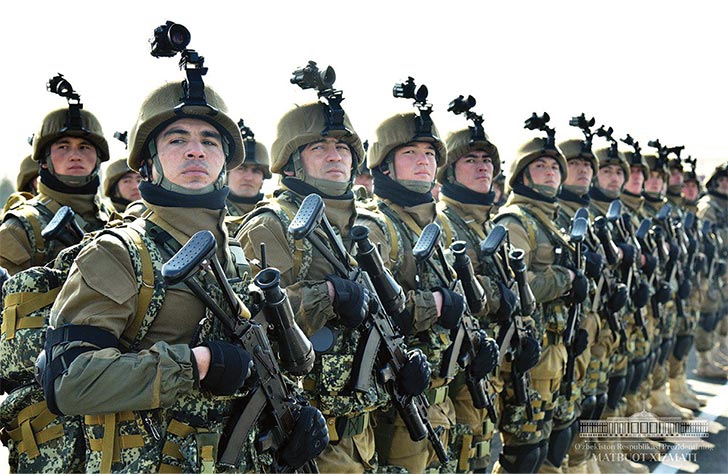
Uzbekistan’s Border Troops have confirmed that Uzbek servicemen acted lawfully during a fatal shooting near the Kyrgyz-Uzbek border on August 15, which resulted in the deaths of two Kyrgyz nationals. The official statement was released by the press service of the Border Troops under the State Security Service on September 4. According to the report, the incident occurred near the Ugam-Chatkal nature reserve in Tashkent region’s Bostanlyk district. Border patrol officers reportedly spotted two unidentified individuals in a restricted area near the state boundary. When ordered to stop, the individuals attempted to flee. Border guards fired several warning shots into the air, but the individuals continued moving toward the border. Weapons were then used “as a last resort,” according to the statement. Both individuals were wounded and died at the scene, despite first aid being administered by border personnel. A search of the area revealed a tent, three horses, food supplies, and tracks indicating the presence of a third individual who reportedly fled back into Kyrgyz territory. The border services of both Kyrgyzstan and Kazakhstan were immediately notified. On August 31, authorities confirmed the deceased were Kyrgyz citizens, and their bodies were returned to their families. A joint site inspection by Uzbek and Kyrgyz border officials was conducted on September 2-3. Following the inspection, a bilateral commission concluded that the Uzbek border patrol had acted in accordance with national law and that the individuals had illegally crossed the state border. Both sides agreed to continue investigating the identity of the third individual and to pursue further action as appropriate.

Gasoline Prices Rise in Kyrgyzstan Amid Heavy Dependence on Russian Imports

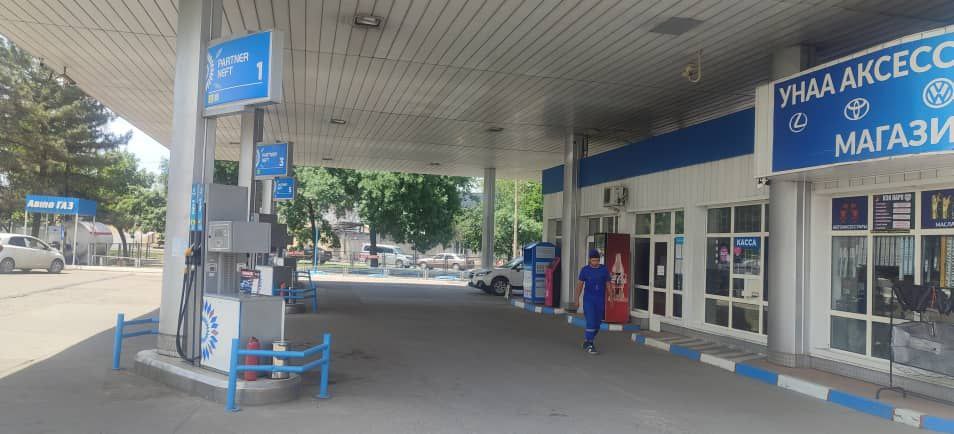
Gasoline prices in Kyrgyzstan have continued to rise in recent months, despite official assurances that fuel reserves remain sufficient. The Kyrgyz Ministry of Energy reports that domestic supplies and ongoing fuel imports from Russia are currently adequate to meet national demand. According to the ministry, Kyrgyzstan consumes approximately 1.6 million tons of fuel annually, with over 90 percent of its gasoline imported from Russia. Each year, export volumes are negotiated between Moscow and Kyrgyz oil traders. When those volumes are exhausted, prices typically begin to increase. “The agreed volumes for 2025 have not yet been fully met, but oil products are being supplied as usual and without interruption. At the same time, work is underway to agree on new volumes for 2026,” the ministry stated. Officials attribute the recent price hikes to global market trends and disruptions in Russian refinery operations. Several refineries have undergone scheduled maintenance, while others were forced to halt operations following drone attacks linked to the conflict in Ukraine. Despite a recently announced gasoline export ban by Russian authorities, the restriction does not apply to countries within the Eurasian Economic Union (EAEU), including Kyrgyzstan. Industry Concerns About Future Supply Kanat Eshatov, head of the Kyrgyz Oil Traders Association, told The Times of Central Asia that local traders remain cautious, anticipating further price increases by the end of September. “The first half of the year was fairly calm on the fuel market, with only a slight increase in prices. But in June and July, prices rose sharply due to scheduled repairs at refineries in Russia. A total of 20 plants were shut down for repairs. Five of them underwent unscheduled repairs due to attacks by Ukrainian drones. Some Russian regions are experiencing a shortage of fuel. The Russian government is now redistributing its reserves,” Eshatov said. The association is concerned about Kyrgyzstan’s limited fuel buffer. Major oil companies in the country reportedly hold only two months’ worth of gasoline reserves. Any significant supply interruption from Russia could quickly lead to a national shortage. Comparative Prices in the Region Eshatov noted that, due to Kyrgyzstan’s exemption from export duties on Russian gasoline, fuel prices remain lower than in neighboring countries. For example, in Tajikistan, gasoline prices have increased by $0.27 per liter this year, and diesel by $0.22. In Uzbekistan, gasoline is up by $0.26 per liter and diesel by $0.11. To ensure continued supply stability, Kyrgyz oil traders are also exploring alternative import routes and are currently in negotiations with Kazakhstan and Azerbaijan.