• KGS/USD = 0.01144 0%
  • KZT/USD = 0.00218 0%
  • TJS/USD = 0.10456 0%
  • UZS/USD = 0.00008 0%
  • TMT/USD = 0.28571 0%
  • KGS/USD = 0.01144 0%
  • KZT/USD = 0.00218 0%
  • TJS/USD = 0.10456 0%
  • UZS/USD = 0.00008 0%
  • TMT/USD = 0.28571 0%
  • KGS/USD = 0.01144 0%
  • KZT/USD = 0.00218 0%
  • TJS/USD = 0.10456 0%
  • UZS/USD = 0.00008 0%
  • TMT/USD = 0.28571 0%
  • KGS/USD = 0.01144 0%
  • KZT/USD = 0.00218 0%
  • TJS/USD = 0.10456 0%
  • UZS/USD = 0.00008 0%
  • TMT/USD = 0.28571 0%
  • KGS/USD = 0.01144 0%
  • KZT/USD = 0.00218 0%
  • TJS/USD = 0.10456 0%
  • UZS/USD = 0.00008 0%
  • TMT/USD = 0.28571 0%
  • KGS/USD = 0.01144 0%
  • KZT/USD = 0.00218 0%
  • TJS/USD = 0.10456 0%
  • UZS/USD = 0.00008 0%
  • TMT/USD = 0.28571 0%
  • KGS/USD = 0.01144 0%
  • KZT/USD = 0.00218 0%
  • TJS/USD = 0.10456 0%
  • UZS/USD = 0.00008 0%
  • TMT/USD = 0.28571 0%
  • KGS/USD = 0.01144 0%
  • KZT/USD = 0.00218 0%
  • TJS/USD = 0.10456 0%
  • UZS/USD = 0.00008 0%
  • TMT/USD = 0.28571 0%

Viewing results 271 - 276 of 491

Kyrgyzstan to Ban Plastic Bags

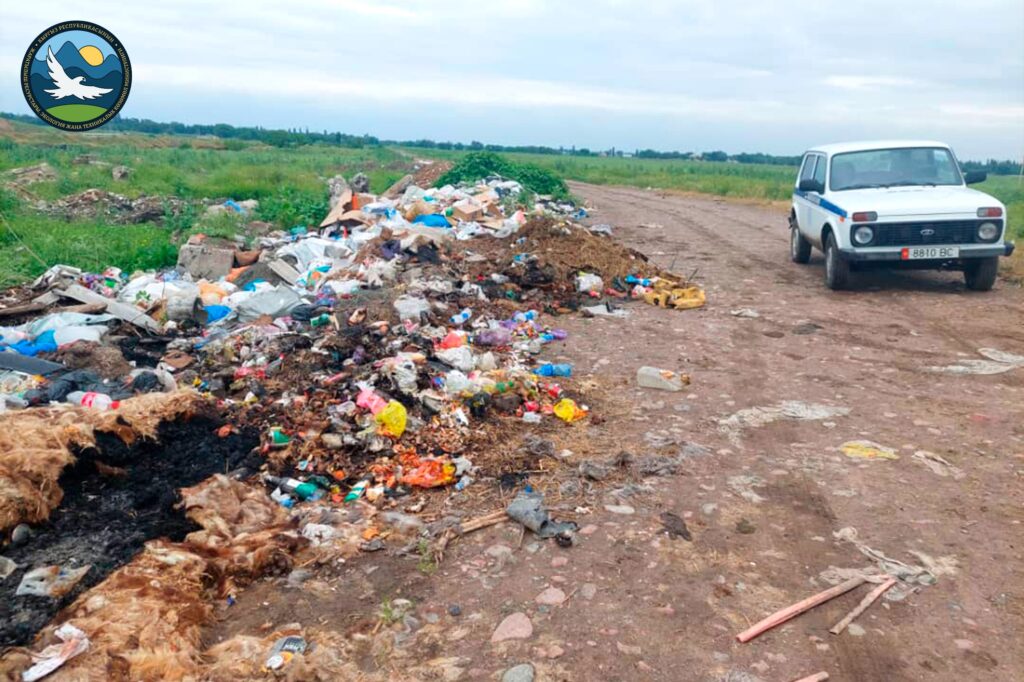
Following a ban of plastic bags in biosphere reserves and natural protected areas on June 1 2024, Kyrgyzstan is to prohibit their production, sale and distribution nationwide, from 2027 onwards. Regarding the move, the Ministry of Natural Resources of the Kyrgyz Republic stated: "Plastic and the pollution it causes, is detrimental to human health. Plastic enters the human body as micro- and nano-particles through food, packaging, water, and air. Plastic waste continues to pollute the environment at the disposal stage, and waste disposal workers suffer, especially from close contact with burning plastic." Asel Raimkulova, Deputy Minister of Natural Resources, Ecology and Technical Supervision of Kyrgyzstan, told the Times of Central Asia that whilst the use of plastic products which can be recycled within the country is under review and likely to continue, the ban on plastic bags throughout the country is absolute. Deputy ministers however, have opposed the use of plastic bottles but said that given the lack of alternatives available to Kyrgyz bottling companies, some exceptions will be made. According to eco-activists, Kyrgyzstan has some 80 plants to recycle plastic but since seven out of ten supermarket products are now fully or partially packaged in plastic, they do not have the capacity to process the ever-increasing volume of waste. "For example, in Kyrgyzstan, tetra paks—multi-layer juice or milk cartons that, at first glance, look like cardboard—are not recyclable. In addition to cardboard, such packaging contains a layer of aluminum and several layers of polyethylene. And separating them from each other is not easy,” stressed activists of the environmental movement Peshcom.

Kyrgyzstan Aims to Achieve GDP of $30 Billion by 2030

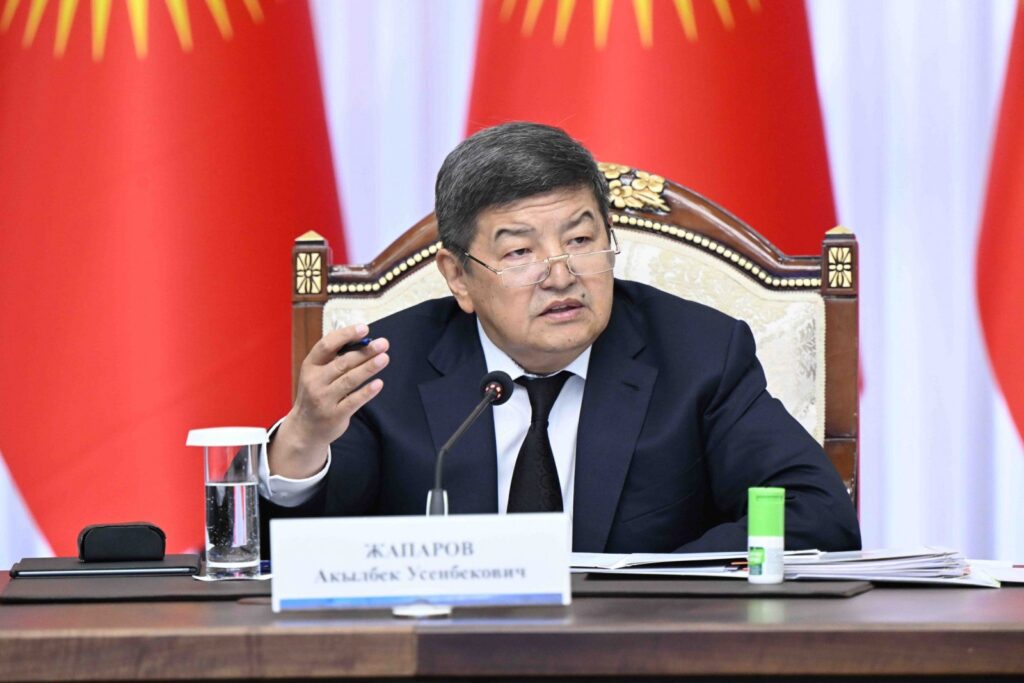
The Chairman of the Cabinet of Ministers of Kyrgyzstan, Akylbek Japarov, says that Kyrgyzstan aims to be among the world’s top 30 countries in terms of achieving the Sustainable Development Goals (SDGs) by 2030. “The main goal is to achieve a GDP of $30 billion in the next six years," Japarov said on July 31. "This requires maintaining annual nominal GDP growth at 10-12%. According to the World Bank classification, Kyrgyzstan can confidently increase its GDP per capita and join the ranks of upper-middle-income countries by 2030, leaving the category of lower-middle-income countries,” he added. According to Japarov, Kyrgyzstan's economic growth demonstrates sustainable development. The average GDP growth rate in 2023 was 7%, and according to the National Statistical Committee, while it was 8.1% in the first half of 2024. Japarov added that in 2023, Kyrgyzstan crossed a historic milestone, with the country's GDP reaching an all-time high of $13.9 billion. He added that inflation in January-June 2024 was 2.4% due to a balanced monetary policy.

Kyrgyzstan Accelerates Work to Bring Drinking Water to Villages

While only 637 of Kyrgyzstan’s 1906 villages have access to clean drinking water, the government plans to provide piped drinking water to an additional 1071 villages in the near future. The country's minister of water resources and agriculture, Bakyt Torobayev, ordered this work to be accelerated on July 30. Torobayev ordered the expedition of work in this area, emphasizing that providing clean water to the population is one of the ministry's top priorities. “The population must be provided with clean drinking water,” he said. The Ministry of Water Resources is currently implementing a program to provide clean drinking water to 260 towns and villages across the country. In addition, a program for using groundwater from 2024 to 2030 will be implemented, with plans to repair 1,155 wells.

Central Asian Countries Increasing Defense Budgets

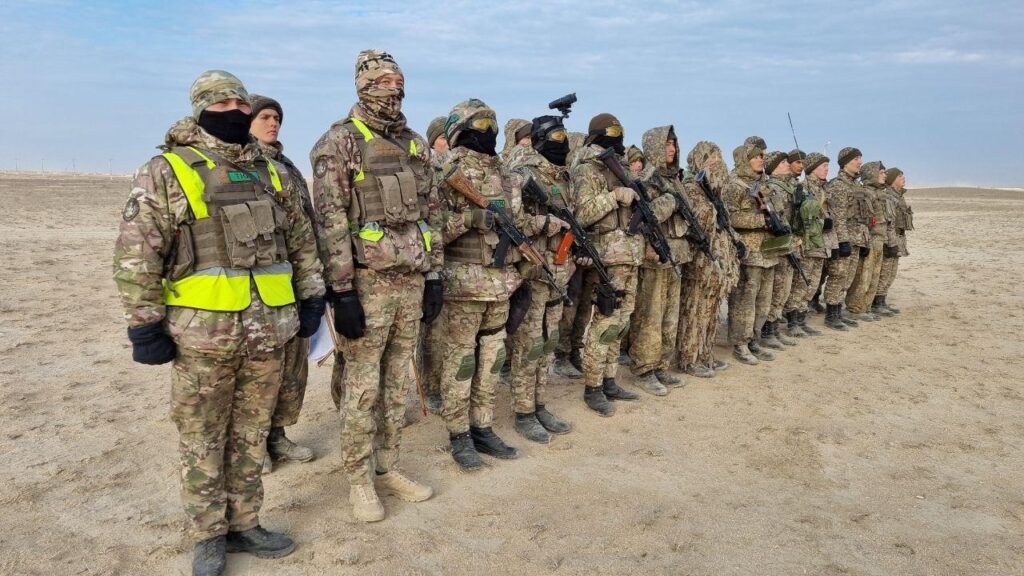
Voice of America has published an article that states that the countries of Central Asia are increasing their spending on defense and military equipment. Turkey, China, and the United States are now challenging Russia as the main suppliers of this equipment. According to analysis by the Stockholm International Peace Research Institute, which studies conflicts worldwide, the defense expenses of Kyrgyzstan, Kazakhstan, and Tajikistan totaled $1.8 billion last year. The institute did not explain Uzbekistan’s failure to disclose its defense expenditures, and there is no information on Turkmenistan. Last year, Kazakhstan’s military budget was 0.5% of its GDP, equal to $259.7 billion. Kyrgyzstan’s military expenditure was 1.5% of its GDP, $13.9 billion, totaling $208.5 million for defense. For Tajikistan, it was 1% of GDP, $12 billion, and $120 million for the military. The report also noted that Kazakhstan’s defense spending increased by 8.8% compared to last year. Uzbekistan, which does not disclose its military budget, reportedly allocated an additional $260 million to its defense budget last year. Officials in the region cite conflicts in the Eurasia region – the war in Ukraine and the war between Armenia and Azerbaijan, plus border disputes in Central Asia, and instability in Afghanistan – as reasons for Central Asian states to beef up their military forces. However, Peter Leonard, a writer specializing in Central Asian affairs, told Voice of America that it was partly a matter of reputation. “Partly, it is a matter of prestige. Authoritarian leaders like to flaunt shiny and expensive weapons. During annual military parades, we see this visually in Turkmenistan, where officials show off their new weapons and vehicles from China, Europe, and elsewhere. We see this trend in all of Central Asia,” he said. "Paradoxically, the intensification of militaries in these countries has not, in fact, exacerbated tensions but has resulted in a different outcome - which is much more cordial and practical dialogue about border demarcation. These countries, which were at a dangerous point, are on the cusp of signing a historic border agreement which will put an end to three decades of conflict."

U.S. Embassy Supports Future Rural Teachers in Kyrgyzstan

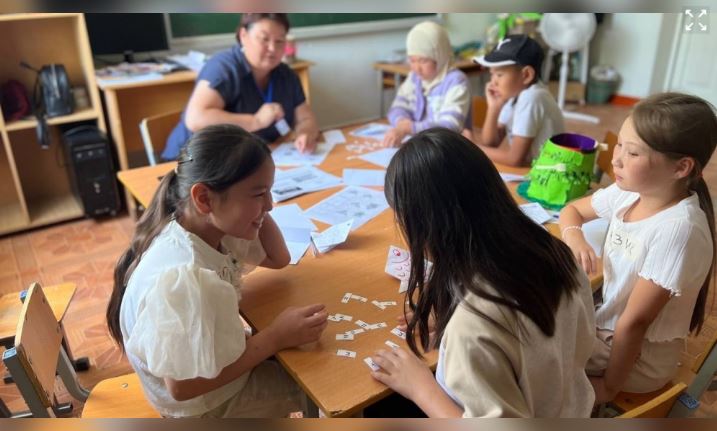
The U.S. Embassy is reporting that 33 participants in the 'Teach for Kyrgyzstan -- Zamanbap Mugalim' project, which it is supporting, will begin teaching in rural schools in the Chui region in September. A summer school called Jaratman, which translates to “creators”, will offer four weeks of training and development for future teachers and other educators. The 'Teach for Kyrgyzstan' project will raise funds to place participants in ten pilot schools in the Chui region in the fall of 2024. Schools were selected by staff from the country's Ministry of Education, as well as educational institutions and public organizations. “The mission of the [project] is to help children reach their potential, and this institute is one step toward achieving that goal for the children of Chui [region] here in the Kyrgyz Republic,” American ambassador Lesslie Viguerie said of the project.

Kyrgyzstan and Turkmenistan to Increase Trade and Economic Cooperation

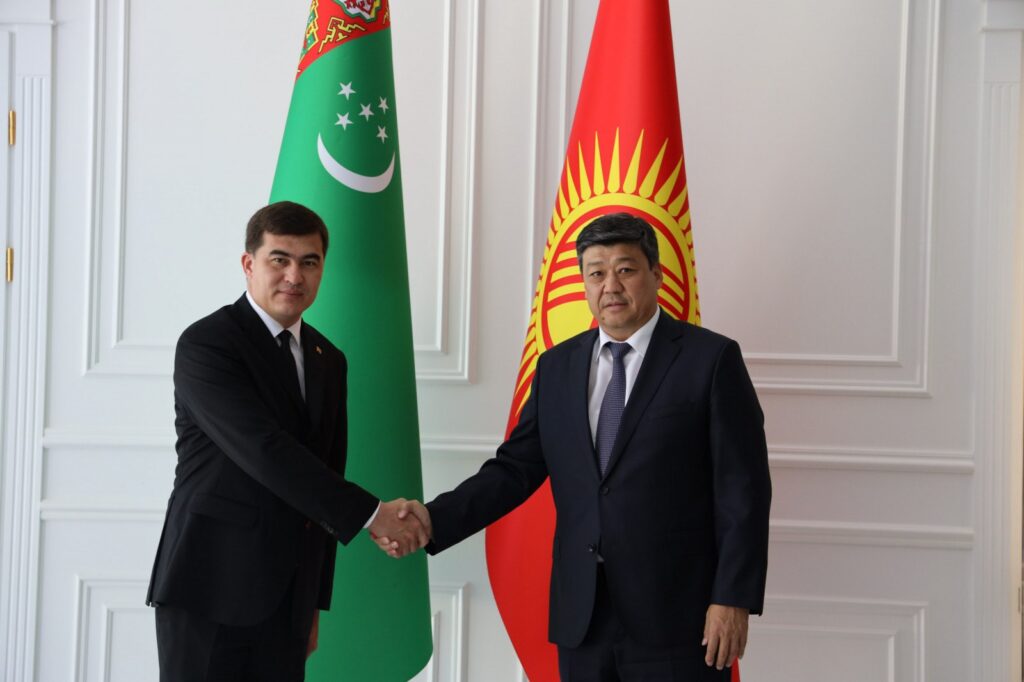
On July 25, Kyrgyzstan hosted the 6th meeting of the Kyrgyz-Turkmen intergovernmental commission on trade, economic, scientific, technical, and humanitarian cooperation, chaired by Kyrgyzstan’s Deputy Chairman of the Cabinet of Ministers—Bakyt Torobaev, Minister of Water Resources, Agriculture and Processing Industry, and Annageldi Saparov, Minister of Energy of Turkmenistan. The parties noted the sevenfold increase in trade turnover between Kyrgyzstan and Turkmenistan over the past four years and discussed means for further improvement.  In 2023, bilateral trade totalled $64 million. Torobaev proposed opening a joint bonded zone in Turkmenistan to develop trade infrastructure and postal operations in e-commerce. He also noted that providing preferential tariffs for Kyrgyz cargo trucks through Turkmenistan's territory and simplifying the visa procedure for Kyrgyz drivers will significantly expand bilateral trade exchange. Due to their geographical locations, the parties emphasized that Kyrgyzstan and Turkmenistan have significant potential in the transport and logistics sector. In particular, the planned launch of a transport corridor from China through Kyrgyzstan and Uzbekistan to Turkmenistan, utilizing the Turkmenbashi seaport, will provide access to the Caspian Sea and the Russian Federation, opening up new economic opportunities for both countries. The meeting addressed the need to continue working on creating a Kyrgyz-Turkmen Development Fund as a mechanism for uniting the two countries' business sectors and stimulating the creation of joint ventures. The parties also discussed a project to build a Turkmen resort in Cholpon-Ata at Lake Issyk-Kul. The Kyrgyz government’s press service stated that the parties signed documents on Kyrgyzstan's import of Turkmen electricity in 2025 but did not disclose details.