• KGS/USD = 0.01144 0%
  • KZT/USD = 0.00210 0%
  • TJS/USD = 0.10438 0%
  • UZS/USD = 0.00008 0%
  • TMT/USD = 0.28490 0%
  • KGS/USD = 0.01144 0%
  • KZT/USD = 0.00210 0%
  • TJS/USD = 0.10438 0%
  • UZS/USD = 0.00008 0%
  • TMT/USD = 0.28490 0%
  • KGS/USD = 0.01144 0%
  • KZT/USD = 0.00210 0%
  • TJS/USD = 0.10438 0%
  • UZS/USD = 0.00008 0%
  • TMT/USD = 0.28490 0%
  • KGS/USD = 0.01144 0%
  • KZT/USD = 0.00210 0%
  • TJS/USD = 0.10438 0%
  • UZS/USD = 0.00008 0%
  • TMT/USD = 0.28490 0%
  • KGS/USD = 0.01144 0%
  • KZT/USD = 0.00210 0%
  • TJS/USD = 0.10438 0%
  • UZS/USD = 0.00008 0%
  • TMT/USD = 0.28490 0%
  • KGS/USD = 0.01144 0%
  • KZT/USD = 0.00210 0%
  • TJS/USD = 0.10438 0%
  • UZS/USD = 0.00008 0%
  • TMT/USD = 0.28490 0%
  • KGS/USD = 0.01144 0%
  • KZT/USD = 0.00210 0%
  • TJS/USD = 0.10438 0%
  • UZS/USD = 0.00008 0%
  • TMT/USD = 0.28490 0%
  • KGS/USD = 0.01144 0%
  • KZT/USD = 0.00210 0%
  • TJS/USD = 0.10438 0%
  • UZS/USD = 0.00008 0%
  • TMT/USD = 0.28490 0%

Viewing results 307 - 312 of 488

Fight Against Corruption Allows Kyrgyzstan to Increase State Budget

The head of the Kyrgyz Cabinet of Ministers, Akylbek Japarov, has said that thanks to the fruitful work of the government, “a new era in the financial sector of the Kyrgyz Republic has begun.” During a conference, which was attended by ministers, deputies, officials of various levels, representatives of the World Bank, Asian Development Bank, and other international organizations, Japarov spoke about the new monetary policy. According to him, in 2020, the consolidated budget amounted to 247.8 billion KGS ($2.8 billion), whereas in 2024, the budget is estimated at 670 billion KGS ($7.6 billion). In four years, the authorities were able to increase the state budget by almost 400 billion som ($4.5 billion). “The reason for such achievements was the elimination of corruption. The main disease was the Kumtor deposit. Dividends received from it from 1994 to May 2021 amounted to $100 million. Over the past two and a half years, we have made a profit of $300 million,” Japarov said. The head of the Cabinet emphasized that Kyrgyzstan's GDP has reached 1.4 trillion som ($15.9 billion), while at the time of the collapse of the USSR and independence, the republic's GDP was only 100 million som ($1.1 billion). “The growth of state budget revenues has become a solid basis for the implementation of policies to improve the socioeconomic situation of citizens,” Japarov summarized.  

Police Officers in Bishkek Fired Over Mob Conflict with Foreign Students

The Kyrgyz Interior Minister and various heads of district police departments, whose duties include ensuring law and order in Bishkek, attended a meeting to discuss the recent mob conflict with foreign-students, wherein the Interior Ministry board of directors and staff members received disciplinary citations. The head of the Interior Ministry's Internal Investigation Service, Zholboldu Kochkonov, briefed law enforcers on the results of an internal investigation which was conducted following the events of May 13th and 17th, when foreign students and workers were beaten, and violent scenes erupted on the streets and in several Bishkek hostels. "A total of 20 employees have been brought to disciplinary responsibility. Of them, 10 employees of the Bishkek Sverdlovsk District Department of Internal Affairs, including the head of the unit, have been relieved of their posts," Kochkonov stated following the meeting. According to the head of the Internal Investigation Service, an additional 10 employees of the Bishkek City Main Department and the Sverdlovsk District Department of Internal Affairs were given various types of disciplinary penalties. Kochkonov said that an investigation was launched into the officers' failure after the May 13th fight, and it was due to their inaction that the conflict escalated into the large-scale riots seen on May 17th. As TCA reported, on May 13th, a fight between local youths and foreign students took place in a hostel in Bishkek. Four days later, a rally and riots occurred in the center of the city in which around a thousand people participated. More than 40 people were hospitalized. Following the unrest, President Japarov promised swift action should the events be repeated, stating that, “Anyone, whether he is our citizen or a foreign citizen, who threatens the integrity of our state, organizes chaos, will be punished mercilessly.”

Kyrgyzstan Proposes To Fine People For Speaking Substandard Kyrgyz

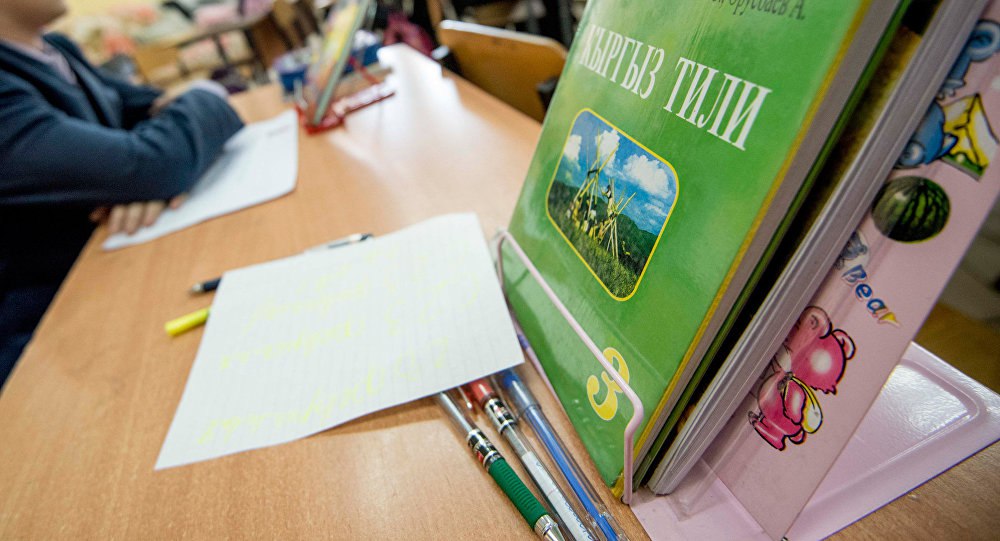
Kyrgyzstan's National Commission on State Language is proposing to introduce fines for people working in certain jobs if they do not speak Kyrgyz well enough. It has submitted the corresponding bill for public discussion. The law "On State Language" sets out a list of people who are obliged to know the state language, and use it while performing their official duties -- be they in socio-cultural, educational, or other professional spheres. The National Commission proposes that people working in certain professions must speak Kyrgyz at an average (B2) level if they are ethnic Kyrgyz, and at least the basic level (A2) if they are a member of another ethnic group. Foreign citizens living in the republic, or intending to obtain immigrant status, should speak at least elementary (A1) Kyrgyz. The draft bill reads: "It is proposed to introduce a new article into the Code of Offenses, according to which violation and non-compliance with the requirements of the legislation on language entails a fine of 5,000 som ($57) for individuals and 17,000 som ($194) for legal entities. In addition, the National Commission proposes to increase fines for texts in advertising and other visual information that do not meet the standards of literary Kyrgyz language.

Kyrgyz Pharmacists Speak Against Abolition of Tax Exemptions

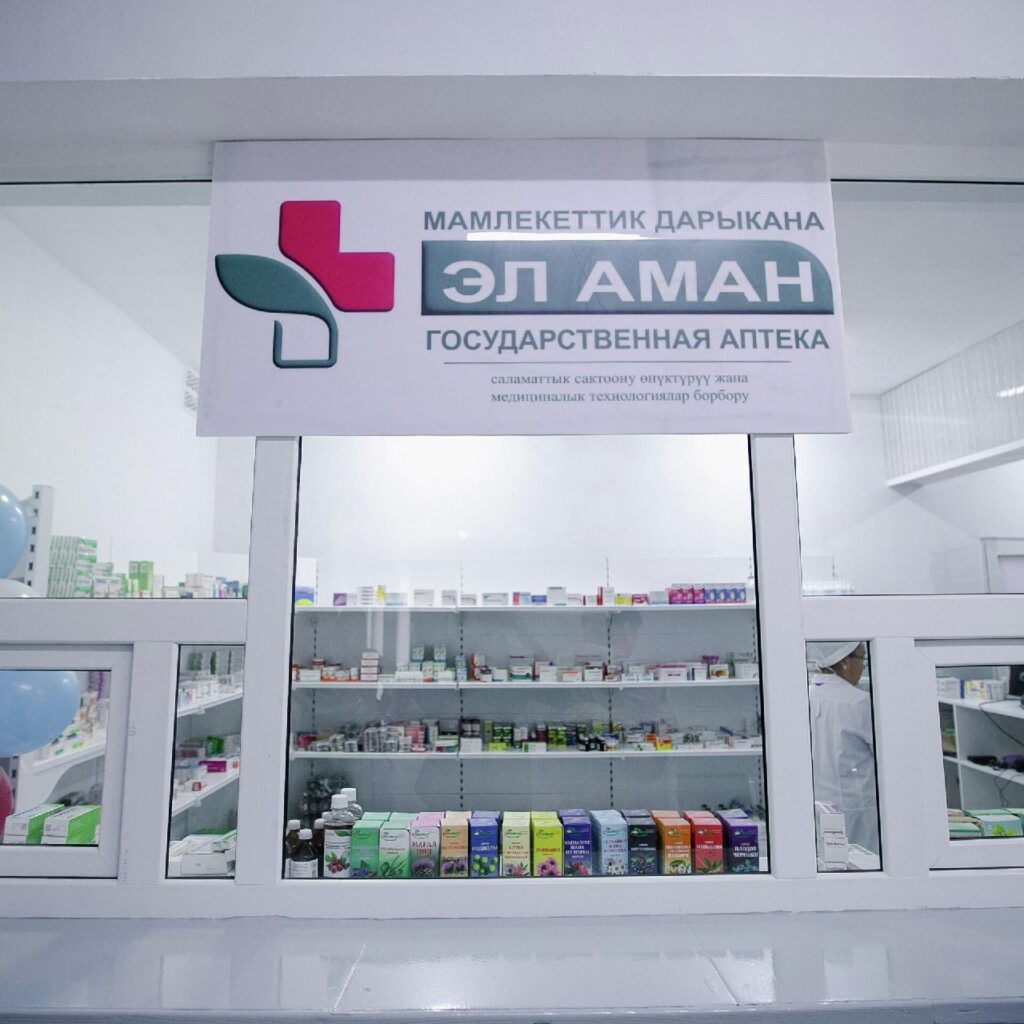
Kyrgyzstan's Ministry of Economy and Commerce has submitted for public discussion a draft law abolishing tax exemptions for importers and manufacturers of some medicines. The ministry believes that by abolishing preferences, the government will increase aid to citizens in need. "We will start to collect taxes on medicines. Help those who need it. There are lists of patients who need surgery, who have severe diagnoses," Kubanychbek Isabekov, head of the ministry's tax policy department, said during the debate. However, representatives of Kyrgyzstan's pharmaceutical union believe that abolishing the benefits will lead to higher drug prices. This could increase social tension in the country, as well as lead to a rise in the number of counterfeit medicines. The bill to abolish drug benefits is crude and unfinished, politician Venera Raimbachayeva commented. She said that the government wants the rich to pay taxes on drugs, but feels the measure won't work. "We should not forget that rich people are not treated in Kyrgyzstan, they are treated abroad. And only ordinary people will suffer from this. You are prying into the pockets of the population with this law," the deputy said. The bill will soon be considered at a sitting of the Kyrgyz parliament.  

Kyrgyzstan President Announces New Social Welfare Measures

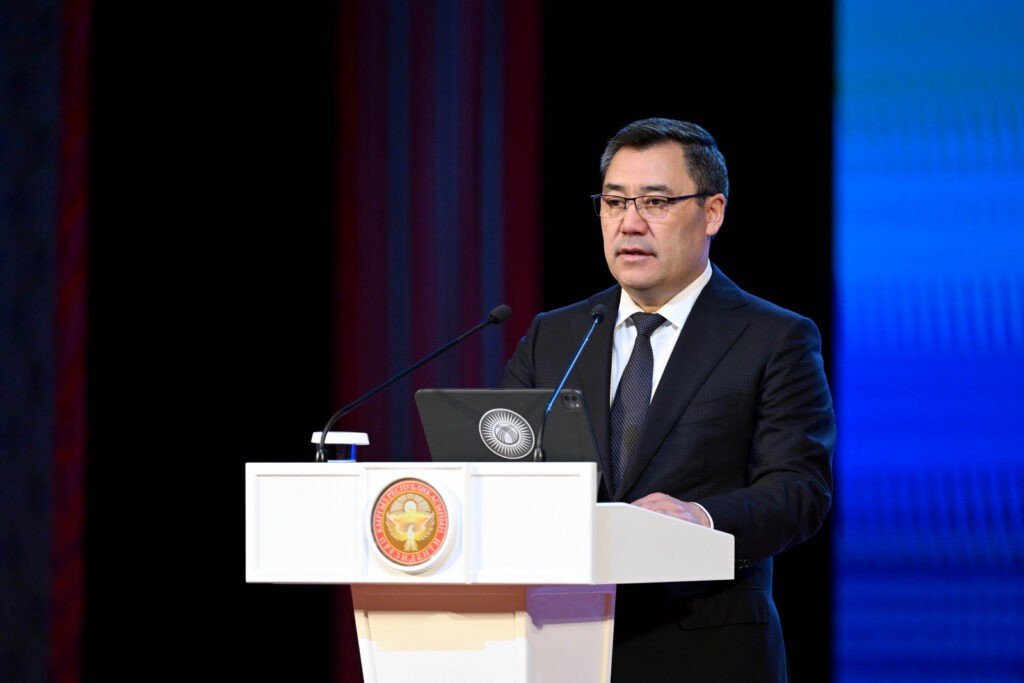
In his address at the National Congress on Social Mobilization on 22 May, Kyrgyzstan President Sadyr Japarov announced several initiatives aimed at raising the standard of living of the country’s citizens. The event was attended by participants of a nationwide Social Contract program through which the Ministry of Labor, Social Security and Migration provides grants of 100 thousand soms/ $1,130, to low-income families wishing to open small businesses. Launched three years ago, the program has enabled some 13,000 people to develop their businesses, created jobs, and generally enhanced the livelihoods of families and local communities. Highly effective, the initiative has to date, benefited over 70,000 people across the country. In addition to a government allocation of 2 billion soms to maintain the program, the president announced plans to boost the economy and improve the wellbeing of Kyrgyzstan citizens, by establishing new enterprises, industrial facilities and in turn, more jobs. President Japarov stated that the Cabinet of Ministers and local authorities had been tasked to support entrepreneurs at all levels from small workshops, fruit processing plants and retail outlets to tourist bed and breakfast services and cafes. To ease the financial burden on small and medium-sized businesses, the president announced a reduction in social tax from 27 percent to 12 percent. In addition, the president has introduced a strict moratorium on inspections of businesses to further support entrepreneurs. Referencing amendments to the Constitution made in 2021 which guaranteed that pensions would not fall below the minimum living wage, the head of state announced that from 1 October, 2024, pensions in Kyrgyzstan will exceed the minimum living wage of 6,800 soms/ $77. The president confirmed the government’s commitment to its provision affordable housing and reported that the construction of multi-storey buildings through the State Mortgage Company has enabled public sector employees and private individuals alike, to obtain mortgages on apartments. He continued by stating that 11,495 apartments are currently being built across the country and the construction of 12,000 apartments will begin before the end of this year. In the healthcare sector, the president has instructed that from 1 July, the number of doctors participating in the program to locate medics in remote areas, small towns, and villages, is to increase from 200 to 500. Regarding the shortage of doctors in the regions, the president has approved the introduction of an additional monthly payment of 20,000 soms/ $226 to paediatricians, neonatologists, surgeons, anaesthesiologists, and resuscitation doctors working outside Bishkek

NGOs in Kyrgyzstan Have Two Months to Register as “Foreign Agents”

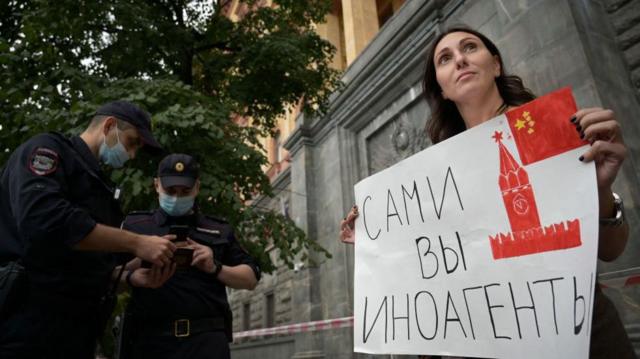
Kyrgyzstan's Ministry of Justice has approved the creation of a register for "non-governmental organizations performing the functions of a foreign representative", which gives authorities the right to inspect their activities. All non-profit agencies that receive foreign funding have been given two months from 16 May to submit documents to the ministry. Kyrgyz president Sadyr Zhaparov signed the law "on Foreign Representatives" on April 2, despite over 100 organizations and civil society figures appealing for him not to do so. Zhaparov made assurances at the time that non-governmental organizations would not be persecuted. Local NGOs funded from abroad that are engaged in political activities in Kyrgyzstan are now recognized as "performing the functions of a foreign representative", and are placed in a separate register. Organizations included in this register -- so-called 'foreign agents' -- may be subjected to various unscheduled inspections. Several international organizations, as well as the United States and certain countries in the European Union, have voiced criticisms of the new law. After it came into force, the Soros-Kyrgyzstan Foundation announced that it would be terminating its activities in Kyrgyzstan.