• KGS/USD = 0.01143 0%
  • KZT/USD = 0.00205 0%
  • TJS/USD = 0.10433 0.1%
  • UZS/USD = 0.00008 0%
  • TMT/USD = 0.28577 0%
  • KGS/USD = 0.01143 0%
  • KZT/USD = 0.00205 0%
  • TJS/USD = 0.10433 0.1%
  • UZS/USD = 0.00008 0%
  • TMT/USD = 0.28577 0%
  • KGS/USD = 0.01143 0%
  • KZT/USD = 0.00205 0%
  • TJS/USD = 0.10433 0.1%
  • UZS/USD = 0.00008 0%
  • TMT/USD = 0.28577 0%
  • KGS/USD = 0.01143 0%
  • KZT/USD = 0.00205 0%
  • TJS/USD = 0.10433 0.1%
  • UZS/USD = 0.00008 0%
  • TMT/USD = 0.28577 0%
  • KGS/USD = 0.01143 0%
  • KZT/USD = 0.00205 0%
  • TJS/USD = 0.10433 0.1%
  • UZS/USD = 0.00008 0%
  • TMT/USD = 0.28577 0%
  • KGS/USD = 0.01143 0%
  • KZT/USD = 0.00205 0%
  • TJS/USD = 0.10433 0.1%
  • UZS/USD = 0.00008 0%
  • TMT/USD = 0.28577 0%
  • KGS/USD = 0.01143 0%
  • KZT/USD = 0.00205 0%
  • TJS/USD = 0.10433 0.1%
  • UZS/USD = 0.00008 0%
  • TMT/USD = 0.28577 0%
  • KGS/USD = 0.01143 0%
  • KZT/USD = 0.00205 0%
  • TJS/USD = 0.10433 0.1%
  • UZS/USD = 0.00008 0%
  • TMT/USD = 0.28577 0%

Viewing results 787 - 792 of 1444

Controversy and Confrontation Surround LGBT Issues in Kazakhstan

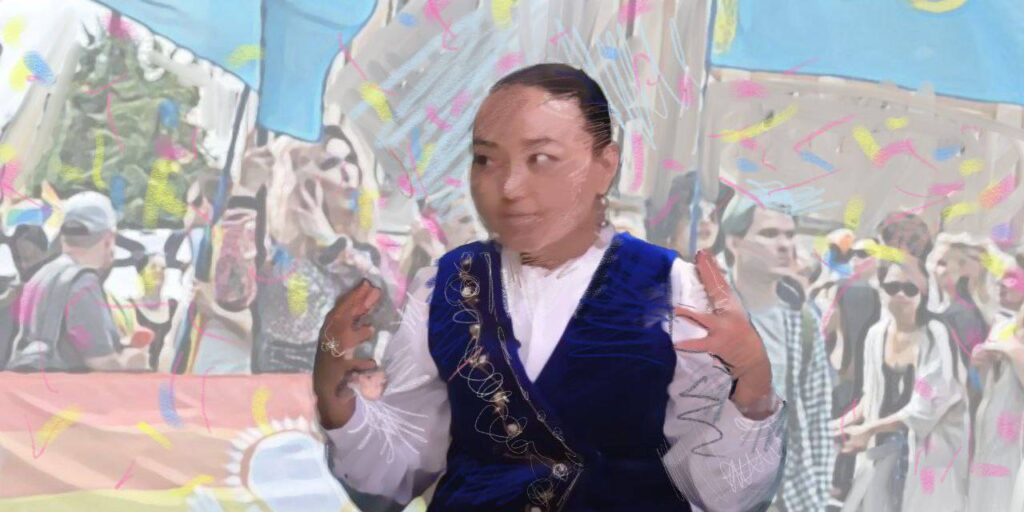
The situation surrounding the so-called “LGBT propaganda” conversation continues to heat up in Kazakhstan. Known for its controversial initiatives and stances, earlier this year the Parents' Union published a petition demanding a ban on demonstrations of non-traditional relationships in the country. The petition gained over 50,000 signatures, meaning Kazakhstan’s Ministry of Culture and Information must consider it under a law passed following Tokayev’s promise of a more engaged and aware “listening state.” However, UN experts have warned that Kazakhstan should not accept the petition for consideration, as it would seriously damage the republic's image in the international arena. The authors of the petition “We are against open and hidden propaganda of LGBT in Kazakhstan,” published on the official portal E-Petition.kz, is the Kazakhstan Union of Parents. The Ministry of Culture reported that according to Article 90-4 of the Administrative Procedural Code of the Republic of Kazakhstan, the petition should be considered. A working group, which includes representatives of interested parties, state bodies, and public associations, has been established, and hearings are underway. [caption id="attachment_21311" align="aligncenter" width="598"] Poster of Kazakh composer Kurmangazy Sagyrbaiuly and Russian poet Aleksandr Pushkin, Havas Worldwide, Facebook[/caption]   UN warning On July 31, UN experts said Kazakhstan should reject the petition calling for a law banning gay propaganda. The statement was attributed to Graham Reed, Independent Expert on the Protection against Violence and Discrimination on the Basis of Sexual Orientation and Gender, Irene Khan, UN Special Rapporteur on the right to freedom of opinion and expression, Mary Llor, Special Rapporteur on the situation of human rights defenders, Gina Romero Rodriguez, Special Rapporteur on the right to freedom of peaceful assembly, and Farida Shaheed, Special Rapporteur on the right to education. "The Government of Kazakhstan should reject the petition it is considering for legislation that violates freedom of expression, peaceful assembly, and association based on sexual orientation and gender identity. The petition itself is based on prejudice, and any legislation resulting from it inevitably and unlawfully tramples on human rights,” the UN experts stated. In their opinion, the call for a ban on propaganda of the LGBT movement contradicts the Administrative Procedure Code of Kazakhstan. According to it, the government is prohibited from considering petitions, the implementation of which may lead to the violations of human rights and freedoms. If the government responds to the petition and adopts a law banning the public expression of lesbian, gay, bisexual, and transgender (LGBT) identity, it would violate many rights, including freedom of expression and equality before the law, as guaranteed by the International Covenant on Civil and Political Rights, which Kazakhstan ratified in 2005. The UN has previously expressed concern about similar bills on so-called “LGBT propaganda” in Kazakhstan, Kyrgyzstan, and the Russian Federation. In Russia, laws against “LGBT propaganda” were introduced in 2013 and were tightened in 2022. A complete legal ban on LGBT propaganda (among people of all ages) was introduced, administrative cases were conducted, and internet resources were blocked. Kyrgyzstan passed a similar law in 2023, effectively...
Turkmen Tennis Player to Enter Qualifying for Junior French Open

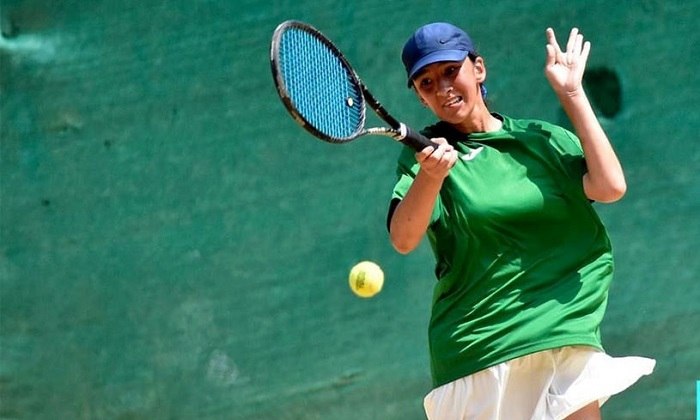
Sabrina Rakhmanova, an under-17 tennis player from Turkmenistan, has been given a 'wild card' entry to compete in a regional qualifying tournament for the junior French Open. The winner of the Central and West Asia qualifier, which will be held at Almaty's Gorky Tennis Park from August 5-9, will earn a place in the competition's main draw, on the clay courts at Roland Garros in Paris. The French Open at Roland Garros has been held since in 1891. Its main and junior competitions are one of the four annual Grand Slams, making them one of the world's biggest tennis tournaments. Rakhmanova's opportunity to play at the qualifying tournament came thanks to a new partnership between the Asian Tennis Federation and the French Tennis Federation. Rakhmanova is currently being coached by Turkmenistan's leading tennis coach, Mirali Hasanov, at a three-week training camp in Uzbekistan. Turkmenistan organizes various tennis tournaments, and the country marks World Tennis Day with competitions for juniors and adults. The national tennis federation organizes the Central Asian Team Championships in Ashgabat for children under twelve.

Central Asian Boxers Poised for Olympic Medals This Week

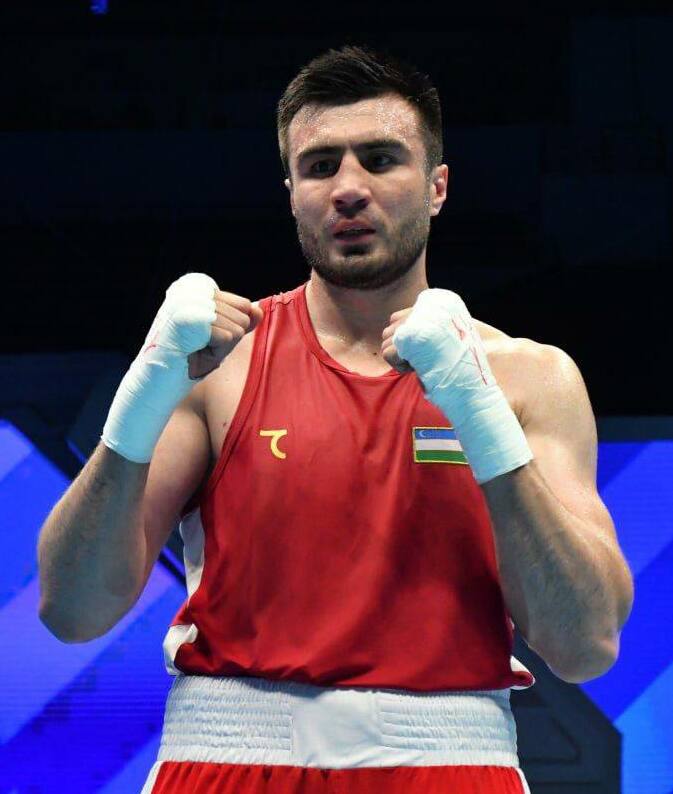
Mark your calendars: boxers from Central Asia are going for gold in Paris. On Wednesday, Kazakh boxer Nurbek Oralbay will fight for Olympic gold in the 80-kilogram class final. Then, on Friday, Lazizbek Mullojonov of Uzbekistan will do the same in the 92-kilogram final. Kazakhstan’s Oralbay, 24, defeated Dominican boxer Christian Pinales in a 3-2 decision on Sunday and will face Oleksandr Khyzhniak of Ukraine in the middleweight final on Aug. 7. Oralbay’s twin brother, Aibek, is also a boxer. He competed in the 92-kilogram class at this year’s Olympics but lost in the quarterfinals. “Their father, a former freestyle wrestler, wanted Nurbek and his brother to follow in his footsteps,” olympics.com reported. “But money was tight at home and boxing coach Askar Yerkebayev (KAZ) offered to train the boys in boxing for free, saying he had a dream to take twins to the world championships - and their father agreed.” The Olympics Games website also reported that Nurbek once pretended to be Aibek in a bout because Aibek was ill. It didn’t offer more details on that subterfuge. Meanwhile, Uzbekistan’s Mullojonov is up against Loren Alfonso of Azerbaijan in the Aug. 9 heavyweight final. Mullojonov, 25, defeated Tajikistan’s Davlat Boltaev in the semifinal on Sunday, and the Tajik boxer gets a bronze medal. Mullojonov, who comes from Uzbekistan’s Ferghana region, was a super heavyweight gold medalist at the 2022 Asian Championships. -- They call him “The Big Uzbek.” Another Central Asian boxer to watch in Paris this week is Uzbekistan’s Bakhodir Jalolov, who competes against Nelvie Raman Tiafack of Germany in a semifinal of the 92-kilogram-plus class on Aug. 7. Jalolov, 30, is a defending champion. He was the super heavyweight champion at the Tokyo games in 2021. He has said he wants to become a professional boxer. -- Nariman Kurbanov of Kazakhstan brought home silver in the men’s pommel horse, the first Olympic medal in gymnastics for the Central Asian country. “20 years of hard work, 35 seconds on the Olympic podium. And now - History!” Kurbanov, 26, said on Instagram. Kurbanov scored 15.433 on Saturday, just falling short of Ireland’s Rhys McClenaghan, whose score of 15.533 propelled him to gold. The road to Olympic success has indeed been arduous for Kurbanov, whose father got him into the sport when he was a young boy. "I had no other choice. My father is a gymnastics coach. He brought me into the gym literally from the cradle. At first, I just ran there, jumped, fooled around. But at the age of five my dad began to train me professionally," Kurbanov said, according to the International Gymnastics Federation. Kurbanov had failed to qualify as an apparatus specialist for the last Olympic Games in Tokyo. -- Veteran sprinter Valentina Meredova of Turkmenistan has competed in Paris, 16 years after making her Olympic debut in Beijing. The 39-year-old ran a 12:01 in the preliminary round of the 100 meters on Friday, finishing fourth in her group and advancing to the next round....

Central Asia Picks Up Golds as Olympics Near Second Week

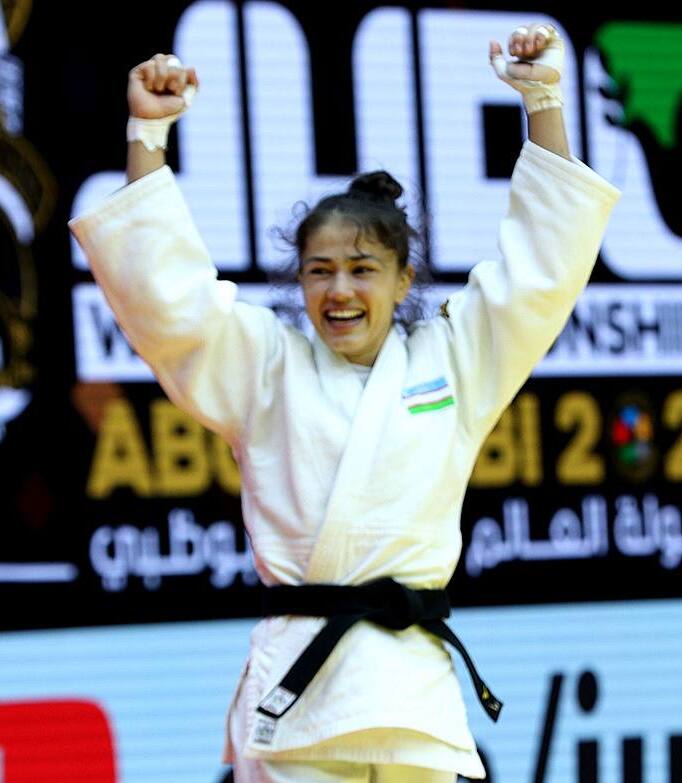
Diyora Keldiyorova, who became Uzbekistan’s first Olympic champion in judo, says she has an even bigger goal. “To change the life of women in Uzbekistan is my mission,” Keldiyorova said, according to the International Judo Federation. The Uzbek sensation spoke after her victory in the 52-kilogram class at the Paris Olympics on July 28. It was an extraordinary achievement for an athlete from a country without much of a tradition in women’s judo. On her way to gold, Keldiyorova defeated Uta Abe, the gold medalist at the last Olympics in Tokyo and a four-time world champion. The Uzbek’s win over Abe “may very well be remembered as one of the biggest upsets of these Olympic Games,” olympics.com reported. Abe was distraught after the defeat. Among those congratulating Keldiyorova was Timothy Smart, Britain’s ambassador to Uzbekistan. He said “it is a medal which shows all girls in Uzbekistan, that they can achieve anything they want!” “Olgʻa, Oʻzbekiston!” Smart said - Let´s go, Uzbekistan. -- Another gold medalist in judo from Central Asia was Kazakhstan’s Yeldos Smetov, who defeated home favorite Luka Mkheidze of France in the 60-kilogram class final. Smetov, 31, won silver at the Olympic Games in Rio de Janeiro in 2016, and Kazakhstan put him on a postage stamp to celebrate. Then he won bronze in 2021 at the Tokyo games, which were delayed from the previous year because of the pandemic. [caption id="attachment_21130" align="aligncenter" width="221"] Yeldos Smetov; image: Post of Kazakhstan[/caption] “Nothing is impossible,” Smetov said after winning gold in Paris, according to Kazakhstan’s Olympic committee. “I achieved this goal on the third attempt.” Smetov, who has been performing at a world-class level for many years, attributed the longevity of his career to family and knowing the limits of his body. “After each competition, I spend all my time with my family, not thinking about sport. I am also careful with the bigger injuries; I never go back to competition until fully recovered. A lot of rest is necessary especially when a career is this long," Smetov, who has five children, told the International Judo Federation. “The first day of this Olympic Games brought my gold for Kazakhstan and the second brought Diyora’s gold for Uzbekistan, so this is already an incredible games for Central Asia," Smetov said. -- The Paris games were a disappointment for one of the world’s top tennis players, Alexander Bublik of Kazakhstan, though. Russia-born Bublik lost 4-6, 4-6 to Taylor Fritz of the United States in the first round of the singles. He and his partner, Aleksandr Nedovyesov, fell by the same score in the first round of the doubles to the Brazilians, Thiago Monteiro and Thiago Seyboth Wild. “It was an honor to represent Kazakhstan at the Olympics once again,” Bublik said on Instagram. He is currently ranked 25th in the world. Another Kazakh tennis star, world No. 4 Elena Rybakina, had said just before the games that she was sick and would not participate. “After the Wimbledon tournament, I fell ill...

Russia’s “Internet Isolation” Strikes Central Asia

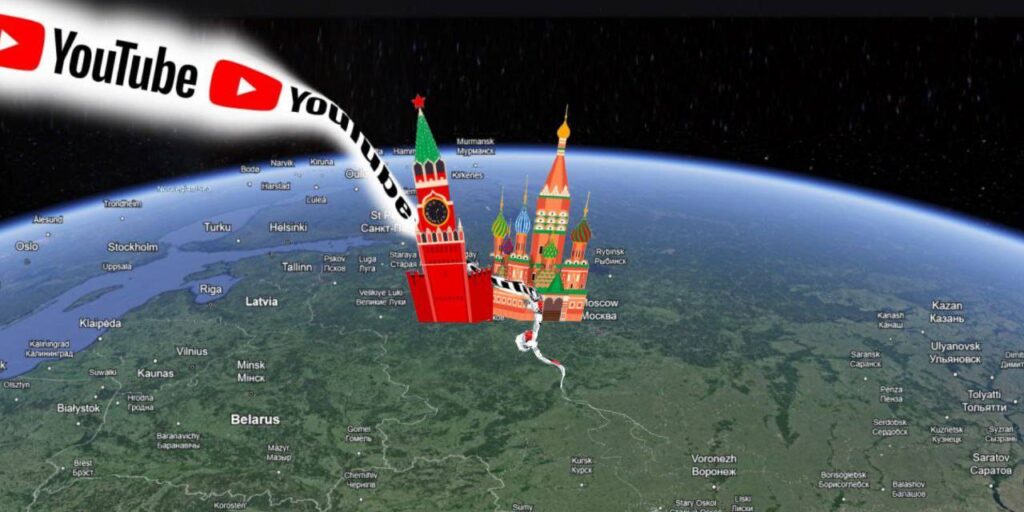
According to numerous reports, including stories from emigre journalists formerly of the radio station, ECHO who now broadcast out of Lithuania, Russia’s purported throttling of YouTube is affecting swathes of the platform’s users across Central Asia. On forums and social media, users have complained that the site is not working properly. This comes as the authorities in Russia are attempting to wean its citizens off of YouTube, one of the sole remaining sources of uncensored news, and onto its replacement, RuNet, as part of a wider drive towards “internet isolation.” In a press release to state-owned news agency, TASS, the Russian Foreign Ministry stated that “YouTube is not a neutral platform, it works out the political directives of Washington. In addition, YouTube ignores Roskomnadzor's demands to remove over 60,000 materials with violations.” Deputy Chairman of the State Duma Committee on Industry, Construction and Science-Intensive Technologies, former journalist Aleksandr Khinshtein has also stated that the “degradation” of YouTube.  is a “forced step aimed not against Russian users, but against the administration of a foreign resource, which still believes that it can violate and oppose our legislation with impunity.” Khinshtein, an architect of legislation targeting the LGBT+ community for being an “element of hybrid warfare” against Russia, is subject to sanctions in the UK for his part in Russia’s war in Ukraine. Despite these open admissions, however, the Kremlin has also sought to lay the blame for the disruption on Google for using "grey and semi-criminal schemes" to manage server payments, which have caused its local subsidiary to go bankrupt. In the meantime, caught in the crosshairs of this wider battle, some users across Central Asia are continuing to have problems accessing the platform, with speeds down by as much as 70%.

Uzbekistan: Nationwide Health Checks for Children Reveal Anaemia Worries

Uzbekistan's acting minister of health, Asilbek Khudayarov, has announced that the country recently conducted medical examinations in the majority of its schools and kindergartens. In the first half of this year, Khudayarov said, 5.7 million of Uzbekistan's 5.9 million schoolchildren were given check-ups. It was found that 1.3 million of these children (27.9%) were suffering from an illness of some kind. Eighty-one percent could be given simple treatments. Among kindergarten-age children, 1.3 million of 2 million pupils (63.5%) underwent a medical examination, and 26% of these were diagnosed with an illness. Khudayarov said that the most common illnesses were blood conditions (28.4% of cases), with anaemia a particularly common ailment. These were followed by problems with the respiratory and digestive systems (6.9% and 5.4% respectively). Almost 13 million Uzbek citizens - over a third of the population - are under the age of 18. The acting minister also noted that in recent years, fewer young Uzbeks have been traveling abroad for treatment, because hospitals in Uzbekistan are increasingly equipped with high-tech equipment. Khudayarov mentioned that presently, in addition to Tashkent, hospitals have high-tech diagnostic equipment in four regions of Uzbekistan: Samarkand, Andijan, Fergana, and Namangan. Citizens in these regions can receive quality treatment without coming to the capital.