• KGS/USD = 0.01144 0%
  • KZT/USD = 0.00204 0%
  • TJS/USD = 0.10394 -0.38%
  • UZS/USD = 0.00008 0%
  • TMT/USD = 0.28571 0%
  • KGS/USD = 0.01144 0%
  • KZT/USD = 0.00204 0%
  • TJS/USD = 0.10394 -0.38%
  • UZS/USD = 0.00008 0%
  • TMT/USD = 0.28571 0%
  • KGS/USD = 0.01144 0%
  • KZT/USD = 0.00204 0%
  • TJS/USD = 0.10394 -0.38%
  • UZS/USD = 0.00008 0%
  • TMT/USD = 0.28571 0%
  • KGS/USD = 0.01144 0%
  • KZT/USD = 0.00204 0%
  • TJS/USD = 0.10394 -0.38%
  • UZS/USD = 0.00008 0%
  • TMT/USD = 0.28571 0%
  • KGS/USD = 0.01144 0%
  • KZT/USD = 0.00204 0%
  • TJS/USD = 0.10394 -0.38%
  • UZS/USD = 0.00008 0%
  • TMT/USD = 0.28571 0%
  • KGS/USD = 0.01144 0%
  • KZT/USD = 0.00204 0%
  • TJS/USD = 0.10394 -0.38%
  • UZS/USD = 0.00008 0%
  • TMT/USD = 0.28571 0%
  • KGS/USD = 0.01144 0%
  • KZT/USD = 0.00204 0%
  • TJS/USD = 0.10394 -0.38%
  • UZS/USD = 0.00008 0%
  • TMT/USD = 0.28571 0%
  • KGS/USD = 0.01144 0%
  • KZT/USD = 0.00204 0%
  • TJS/USD = 0.10394 -0.38%
  • UZS/USD = 0.00008 0%
  • TMT/USD = 0.28571 0%

Viewing results 901 - 906 of 1250

Wages in Uzbekistan Continue to Rise in Early 2024

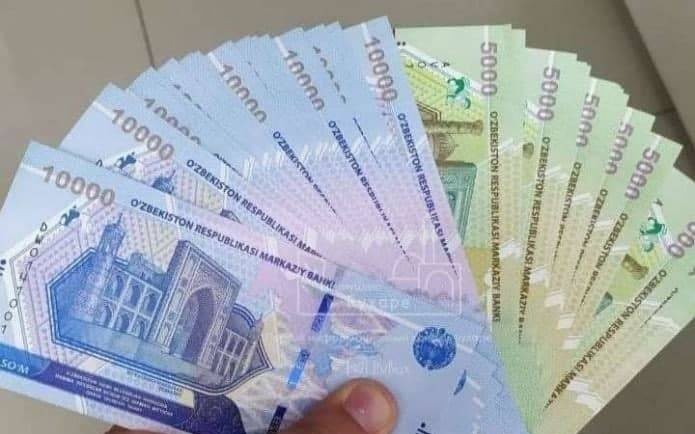
According to the Uzbek Statistics Agency, as of the end of the first quarter of 2024, the average monthly nominal salary in Uzbekistan reached $389. This translates to an increase of almost 20% compared to the same period last year. Average wages are among the highest in the capital of Tashkent ($640) and the Navoi region ($514). Workers in the banking, insurance, credit and professional services spheres earn the most, at $1,043 per month. In the IT sector, Uzbeks earn $925 on average. The lowest wages are traditionally paid to workers in education and healthcare; in the first quarter of 2024, their salaries averaged $269 and $253, respectively. Since 2019, average salaries in Uzbekistan have increased from $183 to $389. For 2023, all Commonwealth of Independent States (CIS) countries saw an increase in average monthly wages. The highest rates of growth were recorded in Armenia and Belarus. Average wages in the CIS countries in 2023 were as follows (based on state statistics): 1. Tajikistan - 2,013.11 somoni ($183) 2. Uzbekistan - 4.5 million som ($360) 3. Turkmenistan - 1,200 manat ($360) 4. Kyrgyzstan - 33,664 som ($376) 5. Azerbaijan - 942 manat ($550) 6. Belarus - 1,991.2 rubles ($616.50) 7. Armenia - 266,990 dram ($660) 8. Russia - 73,709 rubles ($805) 9. Kazakhstan - 393,605 tenge ($874)
Kazakhstan Charges Former Minister Yerlan Turgumbayev With Abuse of Power

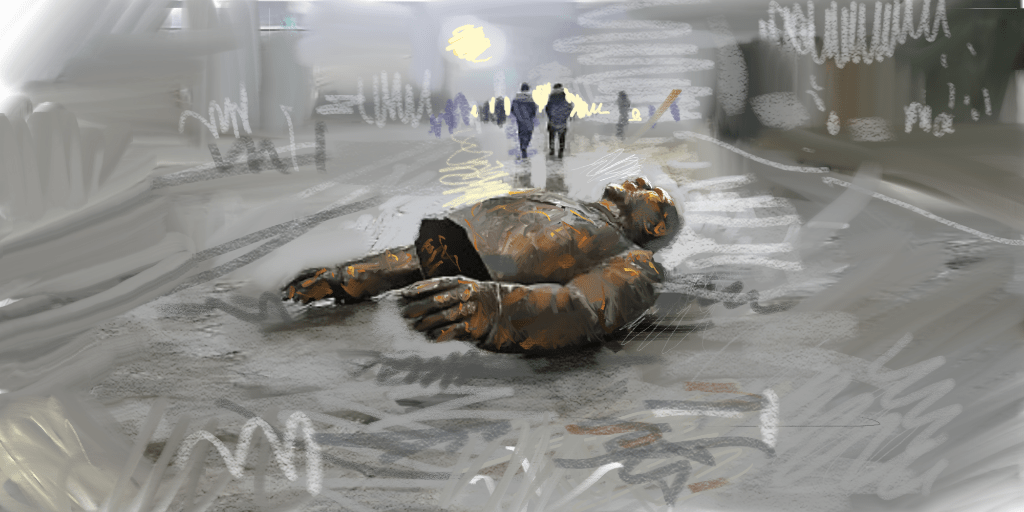
Kazakhstan's General Prosecutor's Office has confirmed its detention of a former high-ranking police officer. Yerlan Turgumbayev, the country's former minister of internal affairs, has been charged with abuse of power, resulting in grave consequences, during the public unrest and political upheaval in January 2022. "The Prosecutor General's Office continues to investigate criminal cases related to the January 2022 events. On April 29, ex-Minister of Internal Affairs Yerlan Turgumbayev was detained for abuse of power and official authority that caused grave consequences," the prosecutor's office said in an official statement. The office mentioned that the criminal case contains information that includes classified state secrets; therefore, the data, findings and statements included in the pre-trial investigation are not subject to disclosure. As has already been widely reported, in early 2022 in Kazakhstan thousands of protests were organized across the country, which, when brutally suppressed by government forces, went down in history as Qandy Qantar -- "Bloody January." What began as peaceful anti-government demonstrations turned into uncontrolled riots with numerous casualties among the civilian population. Rapid response forces from the Collective Security Treaty Organization (CSTO), which includes Armenia, Russia, Kyrgyzstan, Belarus and Kazakhstan, were deployed. After the violent suppression of the protests, a number of high-ranking officials were arrested and accused of attempting a coup d'état. In March 2024, the General Prosecutor's Office reported that Turgumbayev was being questioned as part of ongoing investigations against security officials for failing to ensure law and order and public security during the January events, as well as for torturing citizens. Turgumbayev became head of the Interior Ministry in 2019. Before that he headed the police department of Kazakhstan's largest city, Almaty. In February 2022 he was dismissed from his post and appointed as an adviser to Kazakhstan's president, Kassym-Jomart Tokayev.

Kyrgyz Authorities Promise Not to Persecute Human Rights Advocates Using Foreign Agent Law

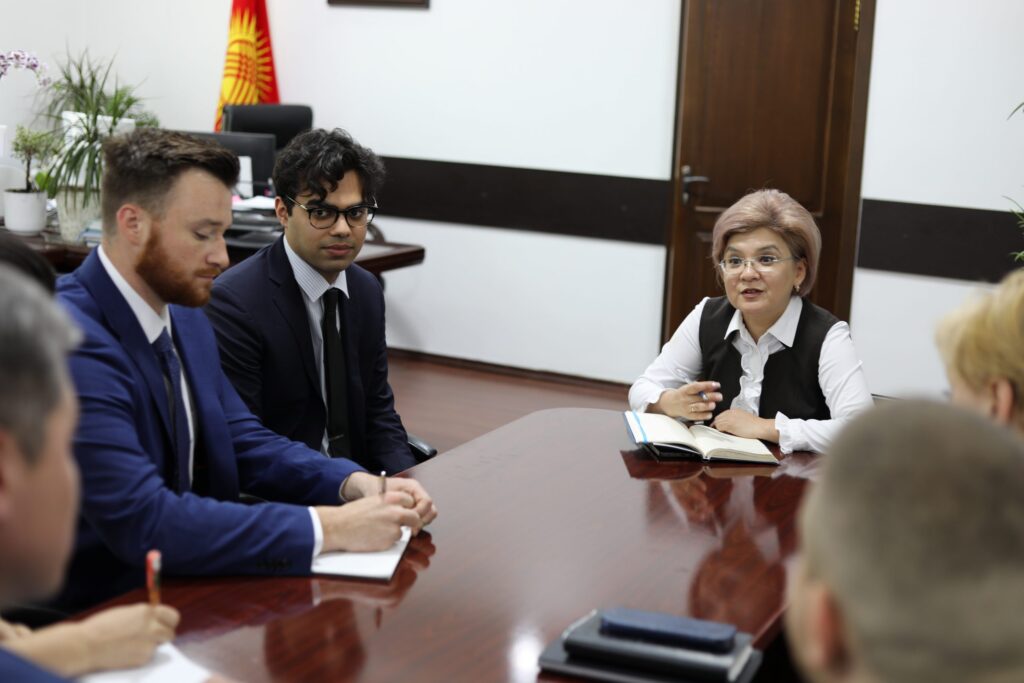
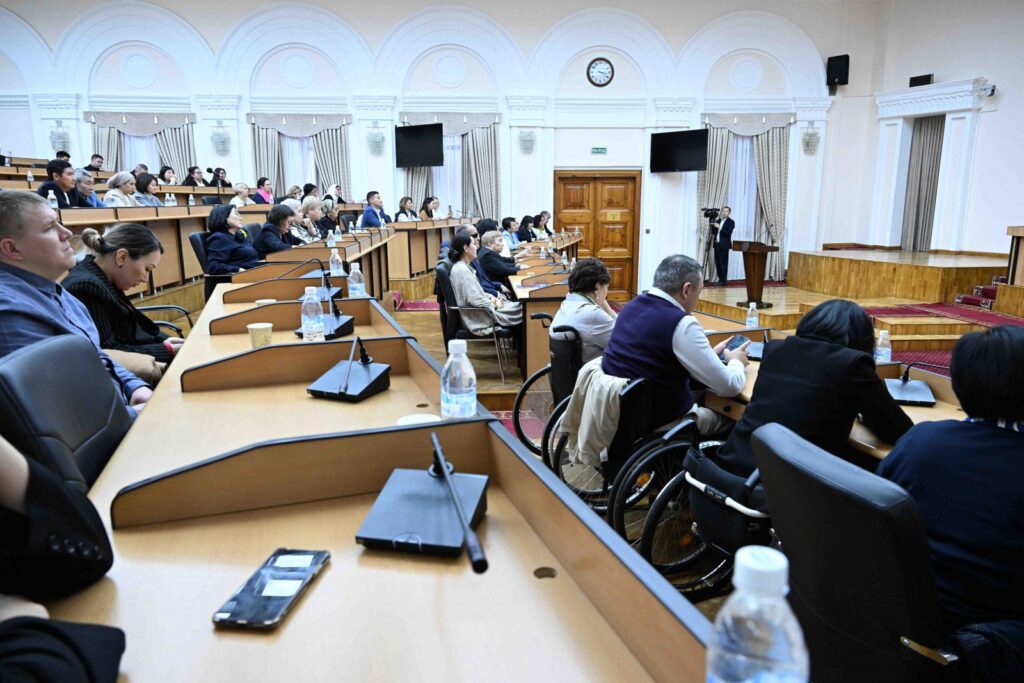
Deputy Chairman of the Cabinet of Ministers of the Kyrgyz Republic, Edil Baisalov met with representatives of domestic non-governmental organizations (NGOs), where he assured participants that the new Foreign Agent's Law is not aimed at restricting the work of NGOs. All rights and freedoms have been preserved, and human rights defenders can participate in the political life of the country, Baisalov stated. "The only thing required is to be on the register. This requirement is common around the world. There will be no persecution; no restrictions on activities. We are interested in the activities of [NGOs] for the benefit of our country," Baisalov said. Earlier, the Times of Central Asia reported on human rights activists concerns regarding reputational risks, possible interference by government agencies in the work of NGOs, and the risk of mandatory financial audits. There were also questions about the implementation of new legislative guidelines, most of which, according to opponents of the law, are not viable. The Kyrgyz Ministry of Justice responded to an inquiry from the Times of Central Asia, with officials saying that bylaws and rule-making for the new law are in the works. However, more detailed information will be provided later, when the updates and amendments are submitted for public discussion. In early April, Kyrgyz President Sadyr Japarov signed the law "On Foreign Representatives," which sparked a wave of criticism from foreign organizations, foreign governments, and NGOs working in Kyrgyzstan.

Uzbekistan Will Allow Gambling From Next Year

From 1 January 2025, gambling, lotteries and betting activities will be legal in Uzbekistan. The National Agency for Advanced Projects will control the legal entities that will manage gambling activities in the country. Those management companies will pay a tax on revenue at the rate of four percent for five years. Under the regulations, the age limit will be set for gambling participants at 18 years of age, and companies must have a license to provide betting services and gambling platforms. Despite the current bans, the population actively participates in games of chance -- using foreign and illegal services. That means that participants risk falling prey to scammers, losing huge sums of money in the process. Crimes and suicides among gamblers are not uncommon. According to preliminary estimates, the state budget will receive about $6 million per year. Earlier, the Uzbekistan Football Association's press secretary, Davron Faiziev, spoke about the advantages of legalizing betting activities: "By banning betting activities, we lose a lot. First of all, a large flow of funds goes to other countries. This is why the decision was made -- to legalize all this, to control and ensure clean activity in the future." In Faiziev's opinion, gaming and betting companies can improve the situation in the sports sector of the country's economy, as according to foreign experience, many betting offices are active sponsors of sports teams.

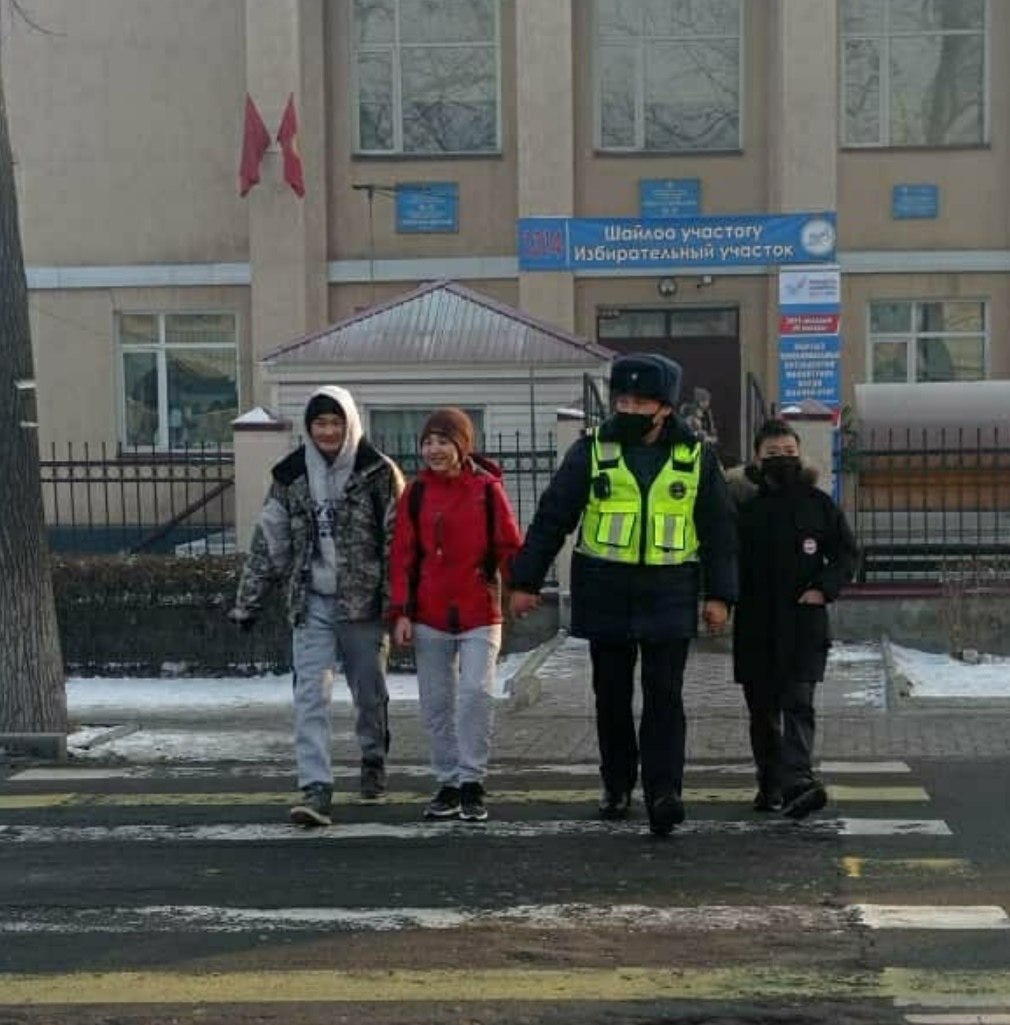
300 Children Killed on Kyrgyzstan’s Roads

The Director of the Situation Centre of the Kyrgyz Republic, Joldoshbek Mambetaliyev, has issued a harrowing report that since 2021, more than 2,000 people including 316 children,  have been killed on roads in Kyrgyzstan. Research by the centre cites the prime causes as  poor road surfaces, insufficient lighting, lack of road signs and parapets, alongside non-compliance with speed limits and dangerous driving.  Mambetaliyev also stressed that  lack of knowledge and non- adherence to traffic rules amongst drivers were major contributing factors given that over a third of accidents were caused by overtaking, violating crosswalk rules, driving on the wrong side of the road and driving under the influence of alcohol. More than 20 percent of accidents were caused by speeding. The Situation Centre recommended that in order to reduce the number of road accidents, the government must collaborate with local authorities to develop a safer and more comprehensive infrastructure. Mambetaliyev  concluded, "Road safety depends directly on the responsible behaviour of all road users... It is important to conduct awareness-raising activities among the population to reduce accidents on the roads." Kyrgyzstan's Situation Centre currently monitors key events and incidents on roads throughout the country in real time, followed by  in-depth analyses.  

Starlink Close to Providing Internet Access in Remote Parts of Kyrgyzstan

Representatives of Kyrgyzstan's ministry of digital development have met again with the American company Starlink, with a view to bringing satellite internet access to the country. However, there are still regulatory hurdles in Kyrgyzstan that hinder the development of Starlink technology. Elon Musk's aerospace company SpaceX first entered the Kyrgyz market in 2021, and a subsidiary company named Starlink KG was registered. However, the first attempts at cooperation were unsuccessful, as the Kyrgyz authorities refused to allocate the necessary radio frequencies without a tender process. Starlink KG received a license for its operations only at the end of last year. Nevertheless, Starlink remains willing to work with Kyrgyzstan, one of its directors Rebecca Hunter meeting recently with the Kyrgyz ambassador to the U.S. and Canada Baktybek Amanbaev to discuss this issue. Last year, deputy chairman of the cabinet Edil Baisalov also spoke with representatives from Starlink. They discussed the possibility of using this company's technology to deploy satellite internet in Kyrgyzstan's mountainous regions, particularly in remote schools.