• KGS/USD = 0.01143 0%
  • KZT/USD = 0.00205 0%
  • TJS/USD = 0.10433 0.1%
  • UZS/USD = 0.00008 0%
  • TMT/USD = 0.28577 0%
  • KGS/USD = 0.01143 0%
  • KZT/USD = 0.00205 0%
  • TJS/USD = 0.10433 0.1%
  • UZS/USD = 0.00008 0%
  • TMT/USD = 0.28577 0%
  • KGS/USD = 0.01143 0%
  • KZT/USD = 0.00205 0%
  • TJS/USD = 0.10433 0.1%
  • UZS/USD = 0.00008 0%
  • TMT/USD = 0.28577 0%
  • KGS/USD = 0.01143 0%
  • KZT/USD = 0.00205 0%
  • TJS/USD = 0.10433 0.1%
  • UZS/USD = 0.00008 0%
  • TMT/USD = 0.28577 0%
  • KGS/USD = 0.01143 0%
  • KZT/USD = 0.00205 0%
  • TJS/USD = 0.10433 0.1%
  • UZS/USD = 0.00008 0%
  • TMT/USD = 0.28577 0%
  • KGS/USD = 0.01143 0%
  • KZT/USD = 0.00205 0%
  • TJS/USD = 0.10433 0.1%
  • UZS/USD = 0.00008 0%
  • TMT/USD = 0.28577 0%
  • KGS/USD = 0.01143 0%
  • KZT/USD = 0.00205 0%
  • TJS/USD = 0.10433 0.1%
  • UZS/USD = 0.00008 0%
  • TMT/USD = 0.28577 0%
  • KGS/USD = 0.01143 0%
  • KZT/USD = 0.00205 0%
  • TJS/USD = 0.10433 0.1%
  • UZS/USD = 0.00008 0%
  • TMT/USD = 0.28577 0%

Viewing results 85 - 90 of 387

Tajikistan Introduces 20% Duty on Imported Mobile Phones

Starting July 1, 2025, Tajikistan will impose a 20% customs duty on all imported mobile phones, including both feature phones and smartphones. This marks a significant policy shift, as such devices were previously exempt from import duties. Policy Details According to Government Decree No. 364, dated June 10, the duty applies to goods classified under HS codes 8517130000 and 8517140000, which encompass mobile phones, including smartphones. The new regulation stipulates a 20% tariff based on the customs value of the imported goods. “This means that upon import, phones will be subject to a 20% charge on their declared value,” a local trade expert explained. As a result, the retail price of a single device could rise by nearly one-fifth. Expected Price Increases Analysts predict retail prices for mobile phones will rise by 15% to 25%, depending on the brand and model. The price hike is expected to shift consumer preferences, with more people likely turning to budget or second-hand devices. The government has not publicly provided an official rationale for the duty. The decree was issued without accompanying commentary. However, economists suggest the measure is intended to bolster state revenues by broadening the import tax base. Experts advise consumers planning to purchase a new phone to do so before July 1, as many foreign-manufactured models, particularly those brought in through official channels, are expected to become significantly more expensive thereafter. Tightened Import Controls This move follows earlier steps by the Tajik government to tighten oversight of the mobile phone market. Since February 1, 2023, all mobile phones and tablets must be registered through their IMEI numbers. Devices connected to local mobile networks were automatically logged into the national database during a three-month grace period. From May 1, 2023, all imported phones must undergo formal customs clearance, with IMEI numbers automatically registered upon completion. Individuals bringing phones into the country for personal use or as gifts must complete a T-6 customs form. In such cases, IMEI registration is also automatic. While IMEI registration for individuals is free, all customs-related costs are borne by importers and are typically passed on to consumers through retail pricing. As a result, Tajik consumers should expect further price pressures starting in July, likely making new mobile phones less accessible to the broader population.

Central Asian and Pakistani Leaders Showcase Digital Future at GSMA Summit in Tashkent

The second day of the GSMA M360 Eurasia conference, held on May 21 in Tashkent, delivered a resounding message of partnership, innovation, and forward-looking digital strategies. Leaders from Kazakhstan, Uzbekistan, and Tajikistan, alongside delegates from other countries, shared insights on fostering resilient digital economies through collaboration and technology. Kazakhstan: Digital Leadership and AI Strategy Kazakhstan’s Minister of Digital Development, Innovation and Aerospace Industry, Zhaslan Madiyev, highlighted his country’s digital advancements. Over the past decade, Kazakhstan has ascended into the global top ten for online service quality and now ranks 24th in e-government development. “More than 90% of transactions are cashless,” he noted, “and over 35 personal documents are exclusively digital. Digital documents now carry the same legal weight as paper ones.” Citizens can even travel domestically using only a digital ID on their phones. Madiyev spotlighted Astana Hub, Kazakhstan’s primary IT cluster, which hosts over 1,600 startups and global tech firms, with outposts in Silicon Valley, Singapore, Saudi Arabia, and the UK. “We recently signed an agreement with Uzbekistan’s IT Park,” he said, “and we will soon open a joint mobile lab with Tcell in Uzbekistan.” He emphasized that cross-border collaboration enables startups to access global markets. Artificial intelligence (AI) featured prominently in Madiyev’s address. He announced the formation of a national AI committee and the adoption of a five-year strategy that includes ethical guidelines, product labeling, and a public AI platform. A newly acquired supercomputer, boasting two exaflops of processing power, will soon support universities, startups, and companies. Kazakhstan also plans to train one million individuals over five years, spanning schoolchildren to government employees. Madiyev invited Uzbekistan to join a regional AI collaboration centered around the forthcoming International Center of AI in Astana, which will host labs, exhibits, hackathons, and workspaces for startups and major tech firms. Uzbekistan: Building a 5G Future In an interview with The Times of Central Asia, Dmitriy Shukov, CEO of Perfectum, the first stand-alone 5G mobile network operator in Uzbekistan, discussed the company’s vision. Perfectum primarily serves the business sector with advanced network solutions. “We focus on B2B clients and will continue to develop cutting-edge services for a fast-growing economy,” Shukov stated. On expanding 5G access nationwide, Shukov pointed to device compatibility. “People need access to 5G stand-alone service. We hope GSMA can facilitate discussions with handset manufacturers to unlock all 5G features here,” he said, underscoring that broader access is essential for digital inclusivity. Perfectum’s pioneering role in the region sets a benchmark for others. Discussing Uzbekistan’s telecom infrastructure, Shukov expressed optimism. “Our population grows by 700,000 annually. Sixty percent are under 30, demanding high-speed, low-latency services. And the regulatory environment is now very favorable to investors,” he said. These dynamics, he concluded, set a strong foundation for the next three years. Tajikistan: Rethinking Telecom Models Tcell CEO Ozodkhon Davlatshoev, whose company serves over two million customers and is Tajikistan’s largest mobile operator, addressed the pressures facing the sector. “Our market share is about 14%, growing 7% annually, but with just 2% population...

Kazakhstan to Import Electricity from Tajikistan to Address Energy Shortages

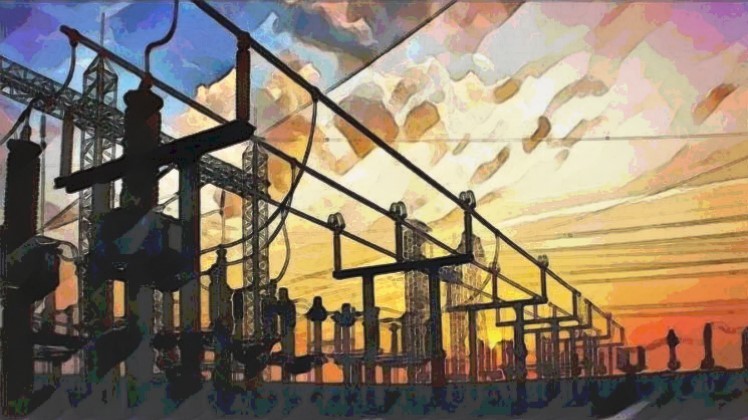
Kazakhstan and Tajikistan have signed an agreement on long-term cooperation in the energy sector. The agreement will remain in effect for 20 years, with the possibility of a 10-year extension. The document aims to strengthen energy security, promote environmentally friendly technologies, and reduce greenhouse gas emissions. Monitoring and telemetry Under the agreement, Kazakhstan will receive scheduled electricity supplies from Tajikistan, particularly from the Rogun Hydroelectric Power Plant (HPP). These imports are intended to cover planned shortages in the North-South zone of Kazakhstan’s unified power system. The price is set at $0.034 per kilowatt-hour (kWh), including VAT at a zero rate. The agreement also includes the introduction of hourly electricity metering at connection points between Kazakhstan's and Central Asia’s power grids, as well as along the Tajik border. Kazakhstan's system operator, KEGOC JSC, will receive real-time telemetry data from Tajikistan via interstate transmission lines to ensure accurate metering and efficient coordination. Electricity deliveries will follow the routes specified in the purchase agreements. The primary source will be the Rogun HPP, with supplies timed to match Kazakhstan's peak shortage periods. A long-awaited step Energy cooperation between the two countries has been under discussion for some time. In August 2024, former Kazakh Energy Minister Almasadam Satkaliev held talks on importing electricity from Tajikistan. These discussions also addressed the issue of unscheduled electricity flows between their power grids. By December 2024, plans were already in place to finalize a 20-year agreement. In February 2025, the deal was confirmed during talks between Kazakhstan’s Foreign Minister Murat Nurtleu and his Tajik counterpart, Sirojiddin Mukhriddin. “We agree that Tajik-Kazakh energy cooperation has broad prospects. We have agreed that an intergovernmental agreement on electricity will be signed in the very near future,” the Tajik foreign minister said at the time. The potential of the Rogun HPP and prospects for Kazakhstan A key element of the agreement will be the Rogun hydroelectric power plant on the Vakhsh River. Once completed, its dam will reach a height of 335 meters, making it the tallest in the world. The power plant will have a capacity of 3,600 MW, making it the largest power plant in Central Asia. This makes the project strategically important not only for Tajikistan but for the entire region. The official website of the Rogun HPP states that the facility will be the upper stage of the Vakhsh cascade and will play a key role in ensuring sustainable energy supplies. The agreement is expected to not only enable Kazakhstan to stabilize its energy balance during peak loads, but also open up new opportunities for cross-border cooperation. With the growing demand for green energy, the strategic alliance with Tajikistan could become an important element of the country's energy transition. The resolution enters into force on the day of its signing and effectively launches an intergovernmental mechanism capable of strengthening Kazakhstan's energy security for decades to come.

Russia and Tajikistan to Open Joint Industrial Park by 2030

Russia and Tajikistan are planning to establish a joint industrial park in Tajikistan by 2030, in a move aimed at significantly boosting bilateral trade. The announcement was made by the Russian Ministry of Industry and Trade in a recent statement. The industrial park, to be built in Tajikistan and managed by the Russian side, is designed to facilitate the entry of more Russian industrial companies into the local market. According to officials, the project seeks to increase trade between the two countries by 2.5 times within the next five years. The initiative is part of Russia’s national project on international cooperation and export, and participation will be open to companies from both Russia and other countries. Products manufactured at the site are expected to be sold not only within Tajikistan but also across neighboring countries in Central Asia. Details of the project were presented in Dushanbe by Artur Galiullin, Deputy Director of the Department for International Cooperation and Export Licensing. His remarks came during a visit to the Korgohi Machine Building Enterprise. As previously reported by The Times of Central Asia, Tajikistan has made substantial progress in shifting trade settlements with Russia to the ruble. According to Firdavs Tolibzoda, Chairman of the National Bank of Tajikistan, over 90% of trade transactions are now conducted in Russian currency, a sharp departure from 2021, when trade was evenly split between the ruble and the U.S. dollar.

Tajikistan Predicts Economic Slowdown Amid Declining Remittances

Tajikistan's economic growth is projected to decelerate to 7.5% in 2025, largely due to weakening domestic demand, according to the latest regional economic review by the Eurasian Fund for Stabilization and Development (EFSD). Migrant Remittances: A Key Factor The anticipated slowdown is primarily attributed to a decline in remittances from labor migrants, which have historically formed a substantial share of Tajikistan’s GDP. EFSD analysts forecast that from 2025 to 2027, the volume of transfers will gradually normalize after peaking between 2022 and 2024. Despite this decline, the EFSD maintains that Tajikistan’s balance of payments will remain stable, helped in part by reduced capital outflows, including foreign currency purchases. Previously, the World Bank reported that migrant remittances accounted for 45% of the country’s GDP in 2024, the highest proportion globally. By comparison, remittances made up 24% of GDP in Kyrgyzstan and 14% in Uzbekistan. The Asian Development Bank (ADB) expects this share to fall to 37% in 2025. Inflation Pressures Rise EFSD economists also warn of mounting inflationary pressures. Inflation is projected to approach the upper limit of the National Bank of Tajikistan’s target corridor, 5% with an acceptable deviation of ±2 percentage points. Over the medium term, inflation is expected to stabilize within the target range. Food prices remain the primary risk to price stability, the EFSD cautioned. Exports, External Risks, and Trade Barriers The ADB has also published a forecast supporting a more restrained outlook, highlighting falling global prices for Tajikistan’s key exports, metals and agricultural goods, including aluminum, as an added drag on growth. Additionally, regional trade barriers are posing challenges. Uzbekistan recently raised import duties on Tajik cement, a move seen by analysts as part of a broader trend of protectionist policies in neighboring countries. External conditions are also exerting pressure. Economic slowdowns in Russia and China, Tajikistan’s primary trading partners, could suppress both export revenue and remittances, the majority of which come from migrant workers in Russia. GDP Projections and Sector Breakdown According to the ADB’s baseline scenario, Tajikistan’s GDP growth is expected to slow to 7.4% in 2025 and 6.8% in 2026. In contrast, Tajik authorities aim to maintain growth at no less than 8%. In 2024, the economy grew by 8.4%, a 0.1 percentage point increase over the previous year. GDP totaled 153.4 billion somoni (approximately $14 billion). The sectoral composition of GDP included agriculture (22.8%), industry (16.9%), trade (15.2%), transportation (9.3%), construction (8.1%), taxes (9.4%), and other services (18.3%). Despite the projected slowdown, ADB experts remain cautiously optimistic. They cite sustained investment in energy and industrial sectors, expanded agricultural and service output, and continued, albeit diminished, remittance inflows as key factors that will support Tajikistan’s economic momentum.

Jewelry Factory Opens in Tajikistan with Chinese Investment

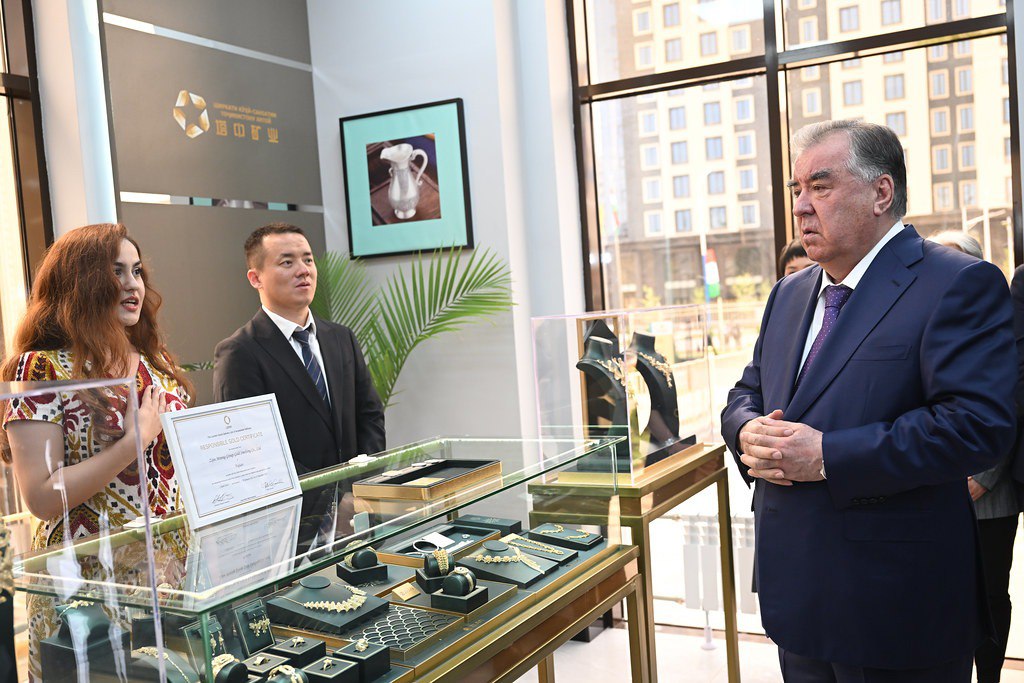
A new jewelry factory operated by China-Tajikistan Mining Industry Company LLC officially opened in Dushanbe on April 10. The inauguration ceremony was attended by President Emomali Rahmon of Tajikistan. Construction of the facility began in 2023. The complex now includes modern production facilities and a two-story gold sales center. Utilizing the latest Chinese technology, the factory is capable of processing up to one ton of gold and 30 tons of silver annually. It will also produce a variety of goods, including jewelry, home decorations, and household items. On the same day, President Rahmon laid the foundation stones for two additional jewelry factories, also backed by Chinese investment. One will be operated by TBEA Dushanbe Mining Industry Company LLC, and the other by Pakrut Company LLC. Both are slated for completion within a year and will be located in Dushanbe. China currently controls over 75% of Tajikistan’s gold production. While Chinese investment has helped develop Tajikistan’s mining infrastructure, it has also raised concerns. Critics point to potential environmental risks and labor rights issues associated with the expanding influence of Chinese firms in the sector.