• KGS/USD = 0.01144 0%
  • KZT/USD = 0.00204 0%
  • TJS/USD = 0.10394 -0.38%
  • UZS/USD = 0.00008 0%
  • TMT/USD = 0.28571 0%
  • KGS/USD = 0.01144 0%
  • KZT/USD = 0.00204 0%
  • TJS/USD = 0.10394 -0.38%
  • UZS/USD = 0.00008 0%
  • TMT/USD = 0.28571 0%
  • KGS/USD = 0.01144 0%
  • KZT/USD = 0.00204 0%
  • TJS/USD = 0.10394 -0.38%
  • UZS/USD = 0.00008 0%
  • TMT/USD = 0.28571 0%
  • KGS/USD = 0.01144 0%
  • KZT/USD = 0.00204 0%
  • TJS/USD = 0.10394 -0.38%
  • UZS/USD = 0.00008 0%
  • TMT/USD = 0.28571 0%
  • KGS/USD = 0.01144 0%
  • KZT/USD = 0.00204 0%
  • TJS/USD = 0.10394 -0.38%
  • UZS/USD = 0.00008 0%
  • TMT/USD = 0.28571 0%
  • KGS/USD = 0.01144 0%
  • KZT/USD = 0.00204 0%
  • TJS/USD = 0.10394 -0.38%
  • UZS/USD = 0.00008 0%
  • TMT/USD = 0.28571 0%
  • KGS/USD = 0.01144 0%
  • KZT/USD = 0.00204 0%
  • TJS/USD = 0.10394 -0.38%
  • UZS/USD = 0.00008 0%
  • TMT/USD = 0.28571 0%
  • KGS/USD = 0.01144 0%
  • KZT/USD = 0.00204 0%
  • TJS/USD = 0.10394 -0.38%
  • UZS/USD = 0.00008 0%
  • TMT/USD = 0.28571 0%

Viewing results 91 - 96 of 166

Korean Company to Build Solar Panel Production Plant in Tajikistan

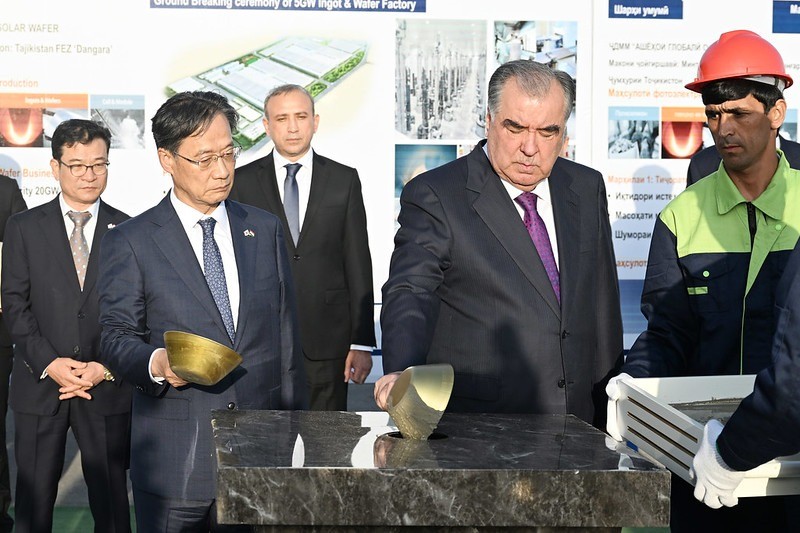
On 24 May, Tajikistan President Emomali Rahmon laid the foundation stone for the construction of the first solar panel production plant in the country’s Danghara Free Economic Zone. According to the Tajik president’s press service, the facility will be built in four phases with government support and investment by the Global Solar Wafer company of the Republic of Korea totalling $2 billion. Construction on 22 hectares of land in the western part of Danghara Free Economic Zone is scheduled to begin in July this year. The first phase, comprising a facility to manufacture solar panels with a capacity of 5 thousand megawatts, will be completed in March 2025. Once fully operational, the plant will provide 8,000 jobs, 95 percent will be allocated to Tajik citizens. The launch of the domestic production of solar panels will contribute to the realization of goals set by Tajikistan’s green economy development strategy which aims to generate at least 1000 megawatts of green energy by 2030.    

Rahmon Orders Map of Environmental Hazards

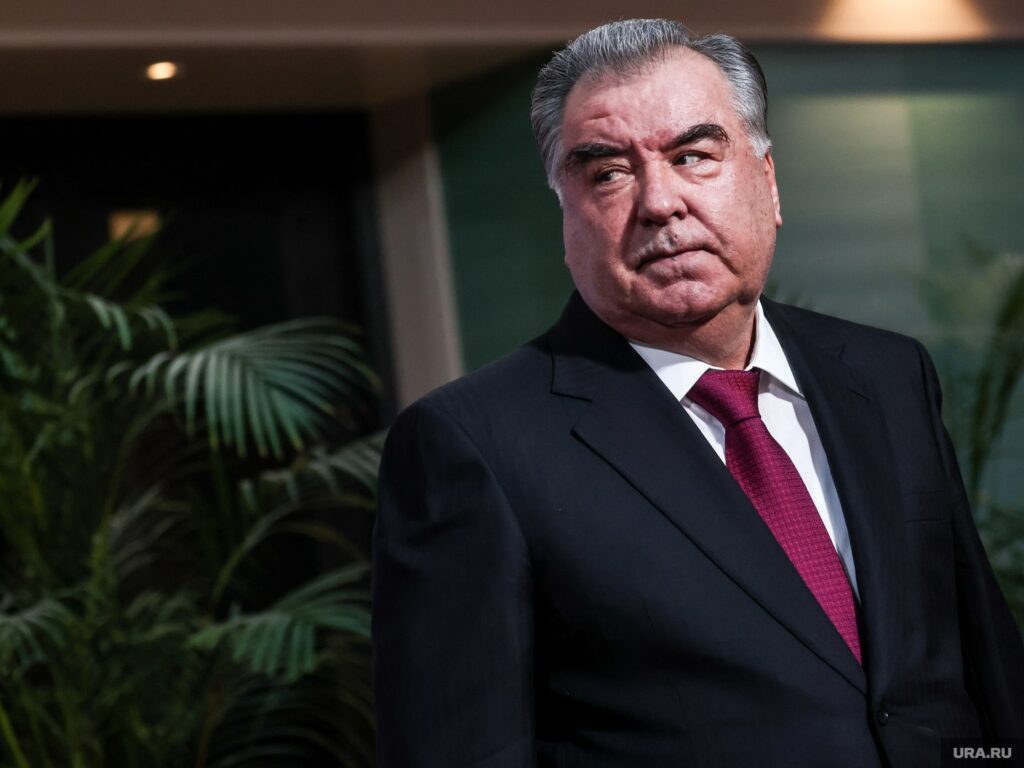
The Government of Tajikistan plans to create an atlas of exogenous geological processes, Sputnik has reported. The General Directorate of Geology of the Republic will prepare the map and present it to the government for consideration. The President of Tajikistan, Emomali Rahmon, announced this during his visit to the Khatlon region. According to Rahmon, it is necessary to strengthen early warning systems regarding possible environmental hazards in Tajikistan and to prevent the adverse consequences of such situations. Leaders of regions, cities and districts, together with relevant ministries and agencies, have been instructed to take measures to mitigate the effects of natural disasters and provide assistance to victims. “In the second ten days of May, as a result of heavy rains, floods and landslides occurred in some areas, causing economic damage as well as human casualties,” Rahmon said. He also emphasized the need to strengthen cooperation with environmental protection, emergency situations and civil defense committees, as well as the State Committee for Land Surveying and Geodesy on early warnings of potential environmental hazards.

EBRD Helps Improve Dushanbe’s Environment and Support Tajikistan’s Banking Sector

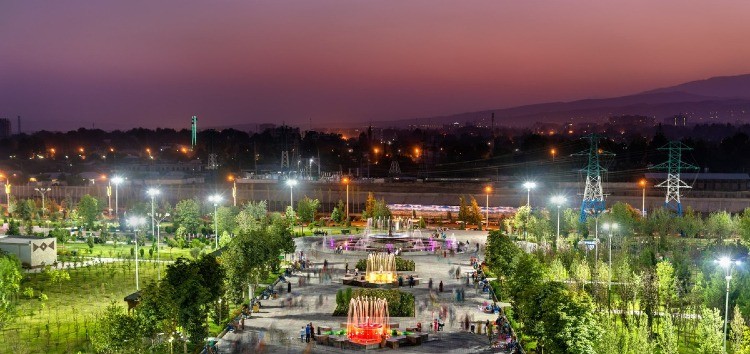
During a visit by Odile Renaud-Basso, President of the European Bank for Reconstruction and Development to Tajikistan, on 29-30 April, the EBRD committed funds to upgrade Dushanbe's  infrastructure,  develop sustainable transportation solutions , and  support for women’s entrepreneurship. The EBRD’s loan of up to €28.45 million will help improve  transportation  in the city’s riverside area through the reconstruction of roads and  a bridge across the Varzob River, as well as the construction of dedicated bus and trolleybus lanes, and purpose-built routes for walking, cycling, electric wheelchairs etc. “We are very pleased to sign this project with the authorities of Dushanbe,” commented EBRD's president. “They have been committed to the green agenda ever since the city joined the EBRD Green Cities programme in 2019.” The Dushanbe Green City Action Plan was developed in collaboration with the EBRD to address environmental and development issues affecting the 800, 000 residents of Tajikistan’s largest municipality. Investment to  promote a strategic shift from carbon-intensive, traditional transportation towards more eco-friendly, sustainable alternatives,  aims to reduce annual carbon dioxide emissions by 37 percent. Joined by the Chairman of the National Bank of Tajikistan, Firdavs Nazrimad Tolibzoda, Renaud-Basso then signed a memorandum of understanding to support the country’s development of the Women Entrepreneurs Finance Code. Representing  providers of financial services, regulators, development banks and other stakeholders, the WE Financial Code was formed to increase financial assistance to women-led micro, small and medium enterprises, and as a globally accepted multi-stakeholder approach, help eliminate constraints and gaps in financing women entrepreneurs in Tajikistan. The EBRD has now provided fresh funds and created new growth opportunities for women-owned and managed businesses in Tajikistan. Under the auspices of its Women in Business (WiB) programme for Central Asia, a loan of US$ 5 million (€4.6 million) has been granted  to one of the country’s largest lenders, Bank Arvand, alongside technical assistance to help the bank promote women’s entrepreneurship and business activity. In addition, and under the EBRD’s Trade Facilitation Programme, a limited loan of US$ 1 million (€0.9 million) was offered to country’s leading microlenders, MDO HUMO, to help local clients both import goods, services, and equipment, and export their products.    

USAID Aids Access to Safe Drinking Water in Tajikistan

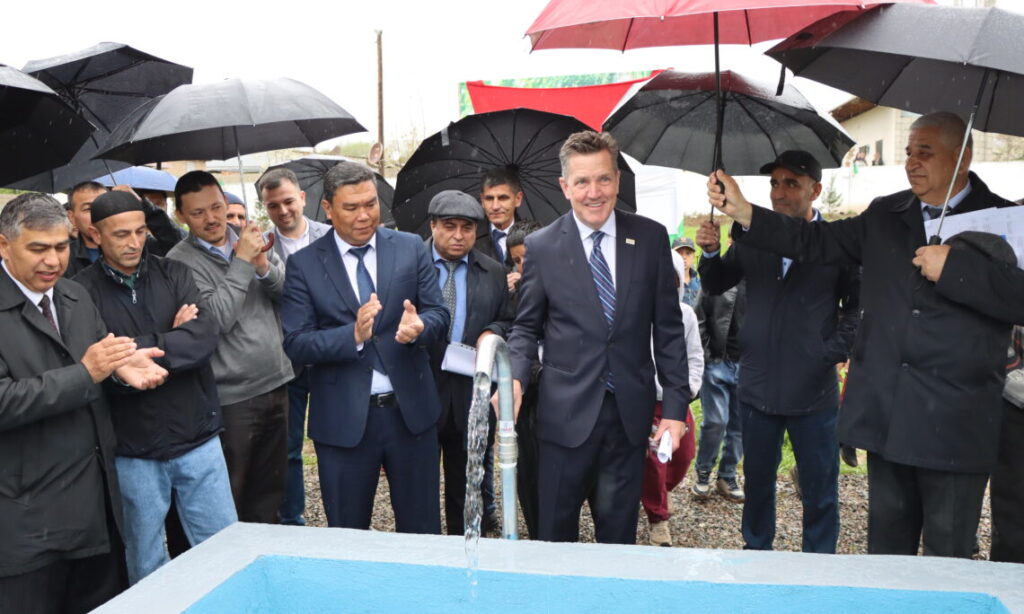
A new water supply system to provide safe drinking water for more than 3,000 people across 455 households has been inaugurated in the village of Rohati in Tajikistan’s Rudaki District. Supported by the United States Agency for International Development (USAID), it is but one of the 12 communities now furnished with rehabilitated water supply systems through public-private partnerships. To ensure the project’s sustainability, USAID helped Rohati’s private water operator develop a sound business plan for its water system, introduced electronic billing, and assisted with the installation of water meters in households. Speaking at the opening ceremony on April 12, USAID Tajikistan Mission Director Peter Riley stated, “The U.S. Government believes that everyone has the right to safe drinking water. USAID strives to increase access to safe drinking water across all regions of Tajikistan. Access to safe drinking water is of critical importance to protecting public health, dignity, equity, and our environment and USAID is committed to that goal.” In the last five years, USAID has rehabilitated and constructed 30 drinking water supply systems throughout Tajikistan, providing more than 100,000 people with safe drinking water.

EBRD Helps Increase Reliability of Tajikistan’s Electrical Grid

An announcement was made on February 28th that the European Bank for Reconstruction and Development (EBRD) is to increase the reliability and sustainability of electricity supply in Tajikistan. The national transmission network operator Shabaqahoi Intiqoli Barq (SIB) will be awarded some €31 million, comprising two EBRD sovereign loans and an investment grant of up to €8 million to help restore the existing transformer and construct a new one at the Sugd-500 substation in the north of the country. The northern Tajikistan power system depends on the 500 kV Sugd-Dushanbe high-voltage line connected to the Sugd-500 substation. Once upgraded and expanded, the substation will allow for a more sustainable electrical grid able to meet domestic and export demands. It will also help SIB integrate up to 700 MW of renewables in line with Tajikistan’s 2030 National Development Strategy to diversify its energy production. In 2023, Tajikistan’s energy capacity exceeded 6,000 megawatts, and electricity production amounted to 22 billion kilowatt-hours; 4.8 billion kilowatt-hours or 28% more than in 2017. Addressing the issue last December, Tajik President Emomali Rahmon announced that the government was making sound progress in its strategy to establish a ‘green economy’. To achieve this goal, he explained that over the next seven years, Tajikistan aims to increase electricity exports to 10 billion kilowatt-hours, and by 2030, the construction of power plants employing renewable energy sources will increase the production of green energy to 1,000 megawatts. Looking ahead, the country aims to source all its electricity from renewable sources, primarily hydropower, by 2023.

One Health Nature Conservation Project Launches in Central Asia

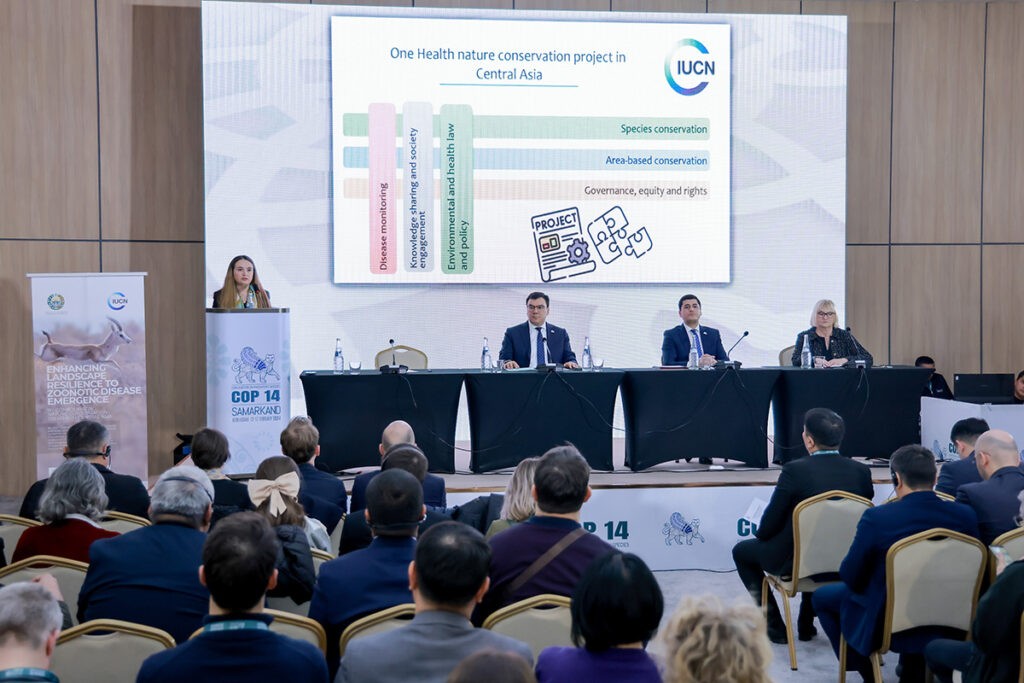
The International Union for Conservation of Nature (IUCN) and its international partners have launched the One Health Central Asia project, aiming to mitigate the risk of zoonoses – diseases that are naturally transmissible from animals to humans – in Central Asia. The new initiative was announced on February 13th at the 14th Conference of the Parties to the Convention on Migratory Species of Wild Animals (CMS COP14) in Samarkand, Uzbekistan.  The risk of zoonotic diseases in Central Asia is exacerbated by biodiversity loss and changes in human-wildlife interactions. As part of the new initiative, IUCN and national and international partners, including all five Central Asian countries, will implement actions to prevent the emergence and spread of zoonotic diseases, IUCN reported on its website.  The experts will work to consolidate a fair and effective regional network of protected and conserved areas, strengthen conservation measures and wildlife management for disease risk mitigation, and promote the latest advancements in zoonosis research and technology.  Speaking at the launch ceremony, IUCN’s director general, Dr Grethel Aguilar, said that nature conservation can contribute to mitigating the risk of zoonotic disease outbreaks, and this important new initiative will strengthen the resilience of Central Asian landscapes, bringing numerous benefits to communities. “We will continue to support the governments here to build regional capacity to apply IUCN's tools and standards, including the IUCN Green List, best practices in species management, and the latest advancements in zoonosis research.”  Aziz Abdukhakimov, the minister of ecology, environmental protection, and climate change of Uzbekistan, commented that: “Over the past few years we have observed how the spread of zoonotic diseases like COVID-19 can have a global impact. This has resulted in entire countries being demobilized, transportation connections being disrupted, an increase in food security issues, and massive socio-economic consequences. We are committed to expanding regional cooperation for sustainable management of protected natural areas, preserving unique biological diversity, and contributing to the environmental balance in the Central Asian region, which will receive a significant boost through this project on One Health in nature conservation.”  Supported by a €11m contribution from the German Ministry for Environment, Nature Conservation, Nuclear Safety and Consumer Protection via the International Climate Initiative, this major regional initiative will spearhead the One Health approach in Central Asia over the next six years. The initiative, entitled Enhancing landscape resilience to zoonotic disease emergence by consolidating nature conservation systems in Central Asia, will focus on the interconnectedness of human, animal, and environmental health. "Obstacles to migration reduce the habitat available to migratory species. This phenomenon has been observed across Central Asia with species such as the Saiga, Wild Ass, and even those with relatively small ranges, like the Bukhara Deer,” said Amy Fraenkel, the executive secretary of the Convention on the Conservation of Migratory Species of Wild Animals (CMS), one of the international partners of the One Health Central Asia initiative. “In the diminished and fragmented habitats, migratory species of wild animals often find themselves in contact and competition with livestock for pasture and water...