• KGS/USD = 0.01144 0%
  • KZT/USD = 0.00214 0%
  • TJS/USD = 0.10617 1.05%
  • UZS/USD = 0.00008 0%
  • TMT/USD = 0.28490 0%
  • KGS/USD = 0.01144 0%
  • KZT/USD = 0.00214 0%
  • TJS/USD = 0.10617 1.05%
  • UZS/USD = 0.00008 0%
  • TMT/USD = 0.28490 0%
  • KGS/USD = 0.01144 0%
  • KZT/USD = 0.00214 0%
  • TJS/USD = 0.10617 1.05%
  • UZS/USD = 0.00008 0%
  • TMT/USD = 0.28490 0%
  • KGS/USD = 0.01144 0%
  • KZT/USD = 0.00214 0%
  • TJS/USD = 0.10617 1.05%
  • UZS/USD = 0.00008 0%
  • TMT/USD = 0.28490 0%
  • KGS/USD = 0.01144 0%
  • KZT/USD = 0.00214 0%
  • TJS/USD = 0.10617 1.05%
  • UZS/USD = 0.00008 0%
  • TMT/USD = 0.28490 0%
  • KGS/USD = 0.01144 0%
  • KZT/USD = 0.00214 0%
  • TJS/USD = 0.10617 1.05%
  • UZS/USD = 0.00008 0%
  • TMT/USD = 0.28490 0%
  • KGS/USD = 0.01144 0%
  • KZT/USD = 0.00214 0%
  • TJS/USD = 0.10617 1.05%
  • UZS/USD = 0.00008 0%
  • TMT/USD = 0.28490 0%
  • KGS/USD = 0.01144 0%
  • KZT/USD = 0.00214 0%
  • TJS/USD = 0.10617 1.05%
  • UZS/USD = 0.00008 0%
  • TMT/USD = 0.28490 0%

Viewing results 319 - 324 of 707

Tajik-Born Artist Sabina Rosas Found Dead in U.S. Hotel

Sabina Rosas, a 33-year-old artist also known as Sabina Khorramdel, was found murdered in a hotel room in the Hamptons in the state of New York, according to the British tabloid the Daily Mail. Born in Tajikistan, Rosas moved to the U.S. in 2009. Her body was discovered on October 28 by staff at the Shou Sugi Ban House spa hotel. Police suspect her partner, 56-year-old Thomas Gannon, in the murder. Gannon was later found dead at his Pennsylvania home, with authorities confirming he had died by suicide. The couple had been seen together at a spa in Water Mill, where CCTV captured Gannon leaving alone. Suffolk County police have described Rosas’s murder as a domestic incident. In 2023 Rosas co-founded Ruyò Journal, a platform to support Central Asian cultural dialogue and community. Just before her birthday, she started a fundraiser to travel to Portugal, where she planned to host her first artist residency in November. She hoped it would provide a beautiful and inspiring space for creating new work. Announcing her plans, she had said: “I will also launch my artist website to create the perfect digital space to showcase my art." “As I am about to turn 33, I can’t help but laugh at the fact that 33 is often associated with the age of Jesus when he made his final sacrifice. Although I don’t plan on doing anything dramatic, I consider this year a turning point in my life,” Sabina wrote shortly before her death.

Rogun HPP Faces Criticism for Violating World Bank Standards

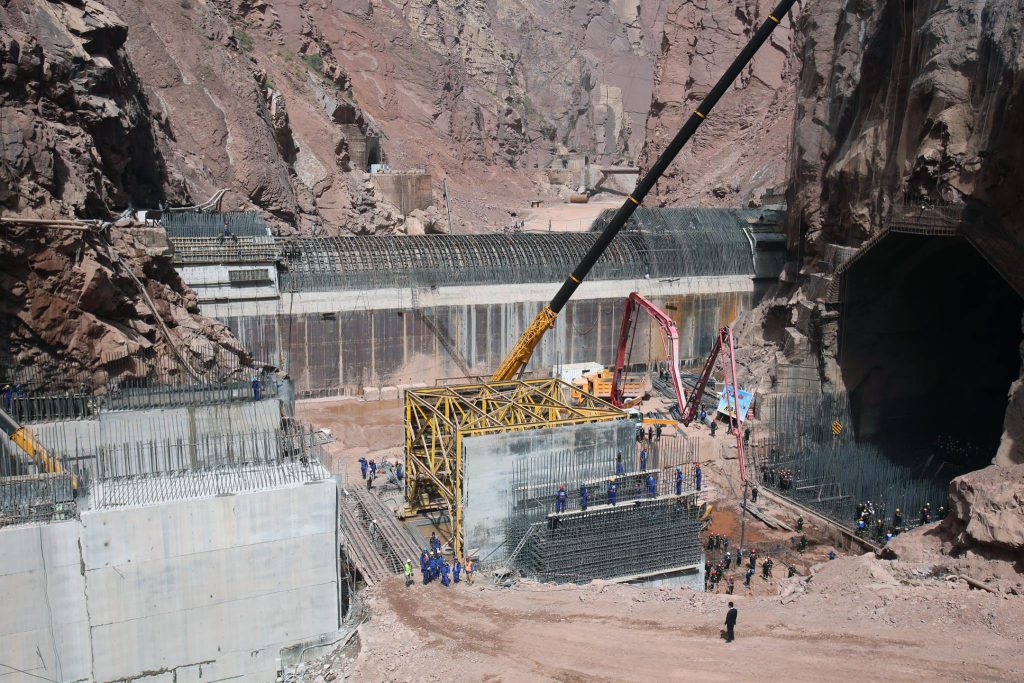
The international environmental coalition Rivers without Boundaries has released a report titled “Rogun Hydroelectric Power Plant Project: Non-Compliance Report with World Bank Requirements.” Outlining how the Rogun HPP in Tajikistan fails to meet the World Bank’s environmental and social standards, the report highlights violations in six key areas: environmental assessment, biodiversity protection, resource efficiency, dam safety, public participation, and forced displacement. It also highlights non-compliance with the bank’s policies on financing investment projects. The report’s authors point out that the situation worsened as a result of the World Bank taking responsibility for developing environmental and social safeguards for the Rogun HPP project on behalf of all financiers, including major banks like the AIIB, ADB, and EIB. In accepting this move, these institutions have effectively treated the World Bank's standards as their own. Therefore, if these standards are violated, the standards of other financial institutions are also breached. “We are convinced that the presented version of the Rogun HPP project does not comply with the social and environmental principles of the World Bank and should not be financed by international development banks in its current form,” said Evgeny Simonov, coordinator of the international environmental coalition 'Rivers Without Borders.' “Due to non-compliance with banking standards and procedures, the project includes many ineffective and risky elements that could lead to serious environmental and social damage during its implementation.” The report was created under the international Rogun Alert initiative, which represents environmental organizations worldwide. Last week, it was sent to all international development banks involved in the Rogun project. On October 23, an open letter signed by 124 public organizations, including Rivers Without Borders, highlighting the risks of financing large dam projects, including Rogun, will be presented to the World Bank management. According to the source, urgent international public consultations on the environmental and social impact of the construction of the Rogun HPP on the basin countries are planned for October 28 of this year.

Migrants in the Crossfire: Russia’s Recruitment for Ukraine War Sparks Tensions

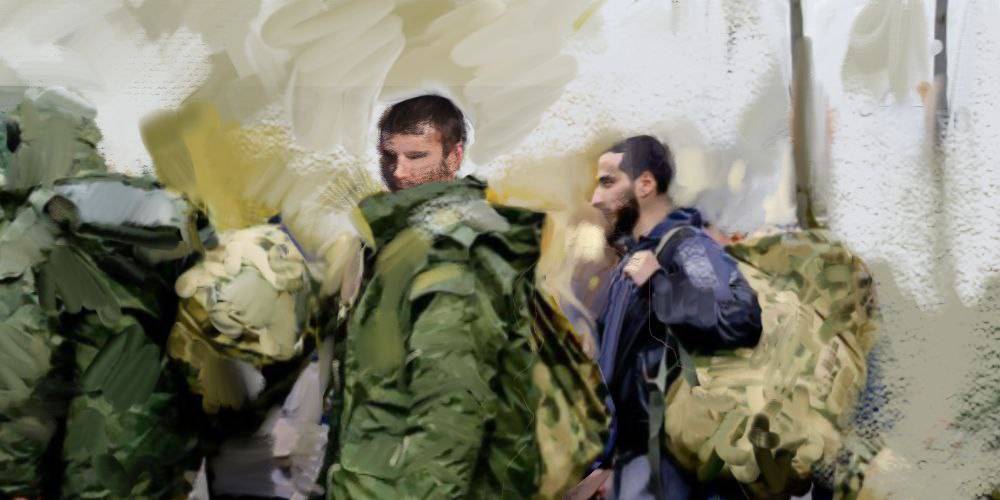
Russia’s ongoing “special military operation” in Ukraine has increased the demand for additional forces, and, in response, Russia is increasingly viewing the use of migrants as a good solution to the situation. As of September 1, 2024, official figures state that 3,985,000 citizens of Central Asian countries lived in Russia. Uzbekistan leads the way with over 1,792,000 migrants, followed by Tajikistan with more than 1,231,000, Kazakhstan with 606,900, Kyrgyzstan with 262,800, and Turkmenistan with 92,000. Some Central Asian migrants have signed contracts with the Russian Ministry of Defense to participate in the war, motivated mainly by financial incentives. However, economic reasons are not the only factor driving them to war. People from Central Asian countries who have received citizenship are also being threatened with imprisonment for failing to join the war effort. TCA has previously reported on efforts by officials to recruit young men detained at the Sakharovo immigration processing center to join the Russian army and fight in Ukraine. In addition, a decree issued by Vladimir Putin has simplified the process for foreigners who join the military to gain Russian citizenship. In contrast, Central Asian governments have looked to discourage their citizens from engaging in the conflict. For example, Uzbekistan has warned that any citizen involved in the Russia-Ukraine war will face legal consequences. In October 2023, an Uzbek citizen who fought in Ukraine for financial reasons was sentenced to three years in prison by a Uzbek court. The defendant had returned to Uzbekistan after being wounded in the conflict, and authorities discovered military documents and proof of his Russian citizenship during their investigation. By September 2024, a growing number of Central Asians had perished in the war, including 47 Uzbeks, 51 Tajiks, and 26 Kyrgyz nationals. In Kazakhstan, since 2014, following the start of the war in the Donetsk and Luhansk regions, criminal liability was been introduced for citizens who participate in armed conflicts abroad. A person who commits such an offense can be punished with imprisonment for up to 12 years, face the confiscation of property, and be deprived of their citizenship. For example, in November of last year, a 34-year-old man from Kazakhstan was imprisoned for six years and eight months for participating in the war in Ukraine. Kyrgyzstan and Tajikistan have also applied measures involving the deprivation of liberty their citizens who participate in the war. Tajikistan’s economy significantly depends on remittances from labor migrants in Russia, which account for approximately one-third of its GDP. Despite the war in Ukraine, over 1.7 million Tajik citizens sought work in Russia in the first half of 2022. However, reports indicate that many Tajik migrants are being sent to Ukraine against their will, raising concerns. The situation further deteriorated after a terrorist attack at Crocus City Hall in February 2024. Tajik nationals were among the primary suspects, leading to a shift in Russia’s attitude towards Central Asian migrants. Tajikistan’s Foreign Minister, Sirojiddin Muhriddin, expressed concerns over the violations of Tajik citizens’ rights in some CIS countries, calling for a...

Central Asia: Working Together on Border Landscapes

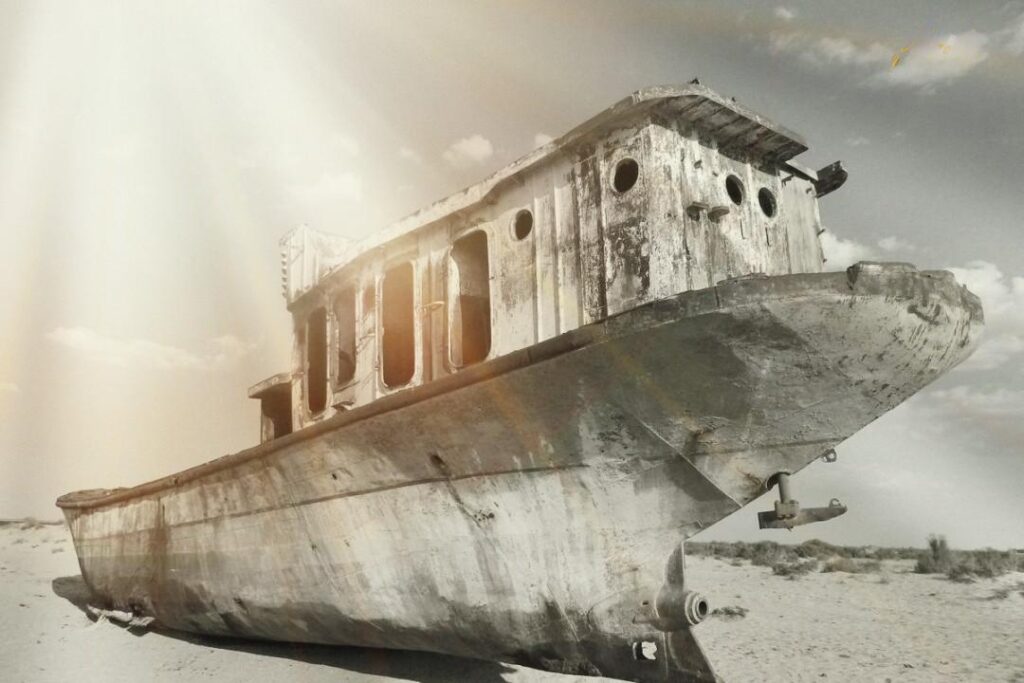
Talk of closer cooperation among Central Asian countries has ebbed and flowed as far back as the period after independence from Soviet rule in the early 1990s. The goal of a more unified region is a work in progress, though one promising area of collaboration is a plan to restore and protect damaged ecosystems in border regions. The first regional meeting on the topic, held this month in Tashkent, Uzbekistan’s capital, brought together government officials from the host nation as well as Kazakhstan, Kyrgyzstan, Tajikistan and Turkmenistan. The portfolios of the delegates were nature preservation, protected areas, emergencies, agriculture, and forestry. They talked about coordinating on wildfire alert systems in cross-border areas, erosion control, tree-planting and nature-oriented tourism in protected areas and other sites shared by Central Asia countries, according to the Regional Environmental Centre for Central Asia, a non-profit group based in Almaty, Kazakhstan that promotes regional dialogue on the environment. The group, which organized the Tashkent meeting, was created in 2001 by the five Central Asian states as well as the European Union and the United Nations Development Programme. The initiative is supported by a $256 million World Bank program to restore degraded landscapes in the region. The World Bank has noted big progress toward poverty alleviation and economic growth by Central Asian countries in the last decades. However, it has cautioned that oil and gas extraction in Kazakhstan, Uzbekistan, and Turkmenistan have taken a heavy environmental toll, while soil erosion and water scarcity have accompanied land development in Kyrgyzstan and Tajikistan. Arid conditions exacerbated by climate change and inefficient management threaten transboundary water resources, a problem that is becoming increasingly severe. “A key example of tragic impacts on livelihoods and health of communities in Kazakhstan and Uzbekistan and across the region are massive sand and salt storms originating from the land areas once covered by the Aral Sea,” the Regional Environmental Centre for Central Asia said. It cited an international disaster database as saying more than 10 million people in Central Asia have “suffered from land degradation-related disasters” since 1990, inflicting damages estimated at around $2.5 billion. Central Asian countries also seek to collaborate on early warning systems and other emergency precautions as they face a variety of natural hazards, including floods, landslides and droughts. Supported by United Nations agencies, the heads of the national emergency departments of Kyrgyzstan, Kazakhstan, Tajikistan and Uzbekistan convened in August at a lakeside resort town in northern Kyrgyzstan. There, they shared information and experiences.

Tajikistan Court Issues Harsh Sentences to Opposition Group 24 Leader and Associate

A Dushanbe court has handed down sentences to two opposition activists: Sukhrob Zafar, leader of the banned Group 24 (G24), and his associate Nasimjon Sharifov. Zafar was sentenced to 30 years and Sharifov to 20 years in prison. The verdict was announced on October 10 behind closed doors in the Dushanbe pre-trial detention center, and according to Radio Ozodi sources, it fully complies with the state prosecution's request. Official structures still need to confirm this information. Representatives of G24 say the sentences relate to the charges of “calls for violent change of the constitutional order” spread through the Internet. They consider these accusations unfounded and call the case politically motivated. In their opinion, the trial was conducted under pressure from the authorities and was a manifestation of Emomali Rahmon's government's repressive policy. Both activists previously lived in Turkey, where they were hiding from the Tajik authorities. Suhrob Zafar had been there since 2014 and had received repeated threats. He was detained several times at Tajikistan's request but was soon released. Sharifov had also been living in Turkey since 2015 and was detained three times but released each time. In March 2024, they mysteriously disappeared, and only in August it became known that they were taken to Dushanbe, where an investigation against them began. The trial, according to G24 representatives, was yet another example of human rights violations and political repression. The organization claims that the trial was held under tremendous pressure and calls the authorities' actions an act of suppression of dissent. Supporters believe that the repression of activists continues as part of the anti-opposition policy that the Tajik authorities have been pursuing for years. G24 is an opposition organization founded in 2012 by businessman Umarali Kuwwatov, who left Tajikistan after conflicts with the authorities. The movement opposes President Emomali Rahmon's policies, accusing him of corruption and authoritarianism. In 2014, Tajikistan's Supreme Court declared the organization extremist after calls for protests and banned its activities, including websites and publications. The group's founder was killed in 2015 in Turkey, raising suspicions of involvement by Tajik authorities.

Tajikistan’s Acute Hunger Issue

Tajikistan has been recognized as the hungriest country among the former Soviet republics. According to the Global Hunger Index prepared by the International Food Policy Institute, 8.7% of the country's population faces food shortages, and ranked 65th out of 127 countries in the world, is on par with countries such as Nicaragua and Ghana. Lower index scores equal less food problems. Assessments of hunger are based on child mortality, stunting, and wasting and in recent years, Tajikistan has consistently ranked lowest among post-Soviet countries in the Global Hunger Index. Despite attempts to improve the situation, the country remains one of the most vulnerable in the region. Today, 18.4% of children under five are stunted due to malnutrition, 5.1% are wasted, and 3% of children do not survive to the age of five; all indicative of  serious food security problems in the country. According to the Global Hunger Index, malnutrition varies widely across the former Soviet Union. The best results are demonstrated by Uzbekistan, which ranks first among countries with minimal hunger issues. In the republic, less than 2.5% of the population faces food shortages. Stunting affects 6.5% of children; wasting ,2.4% of children, and infant mortality does not exceed 3.1%. Uzbekistan was the only Central Asian country to rank highly among the 22 former Soviet republics with the lowest hunger rates, including Belarus, Estonia, Latvia, Lithuania, Russia, and Georgia. Belarus and Lithuania consistently demonstrate a high level of food security, making them among the leaders of the former Soviet republics. Armenia and Kazakhstan, in contrast, rank 23rd and 25th, respectively, demonstrating moderate nutritional problems among the population. Moldova, ranked 26th, has a similar situation: malnutrition remains relatively low but requires attention. Kyrgyzstan ranks 36th and Ukraine 46th, indicating average hunger levels. Turkmenistan was ranked 50th. The situation is particularly dire in Africa, which tops the list of countries with the most significant hunger problems. South Sudan, Burundi, Somalia, Yemen, and Chad, recognized as the hungriest countries in the world, experience extremely high rates of child mortality and malnutrition among their populations.