• KGS/USD = 0.01144 0%
  • KZT/USD = 0.00206 0%
  • TJS/USD = 0.10415 -0.19%
  • UZS/USD = 0.00008 0%
  • TMT/USD = 0.28571 0%
  • KGS/USD = 0.01144 0%
  • KZT/USD = 0.00206 0%
  • TJS/USD = 0.10415 -0.19%
  • UZS/USD = 0.00008 0%
  • TMT/USD = 0.28571 0%
  • KGS/USD = 0.01144 0%
  • KZT/USD = 0.00206 0%
  • TJS/USD = 0.10415 -0.19%
  • UZS/USD = 0.00008 0%
  • TMT/USD = 0.28571 0%
  • KGS/USD = 0.01144 0%
  • KZT/USD = 0.00206 0%
  • TJS/USD = 0.10415 -0.19%
  • UZS/USD = 0.00008 0%
  • TMT/USD = 0.28571 0%
  • KGS/USD = 0.01144 0%
  • KZT/USD = 0.00206 0%
  • TJS/USD = 0.10415 -0.19%
  • UZS/USD = 0.00008 0%
  • TMT/USD = 0.28571 0%
  • KGS/USD = 0.01144 0%
  • KZT/USD = 0.00206 0%
  • TJS/USD = 0.10415 -0.19%
  • UZS/USD = 0.00008 0%
  • TMT/USD = 0.28571 0%
  • KGS/USD = 0.01144 0%
  • KZT/USD = 0.00206 0%
  • TJS/USD = 0.10415 -0.19%
  • UZS/USD = 0.00008 0%
  • TMT/USD = 0.28571 0%
  • KGS/USD = 0.01144 0%
  • KZT/USD = 0.00206 0%
  • TJS/USD = 0.10415 -0.19%
  • UZS/USD = 0.00008 0%
  • TMT/USD = 0.28571 0%

Viewing results 361 - 366 of 597

Flowers Laid at Tajikistan’s Monument to Kazakh Soldiers

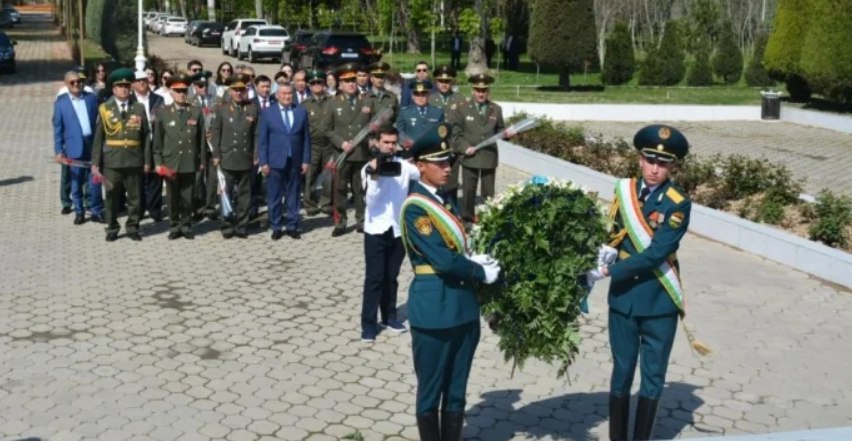
On April 11, a wreath-laying ceremony was held at the monument to the Kazakh soldiers who died on April 7, 1995, while guarding the external borders of the Commonwealth of Independent States (CIS) on the Tajik-Afghan border, according to a report from Avesta. Officials taking part in the ceremony included Kazakhstan's Ambassador Extraordinary and Plenipotentiary to Tajikistan, Valikhon Turekhanov, representatives of the Union of Honorary Internationalists of Tajikistan, veterans of the Border Service, and active military personnel from Tajik armed forces. The participants at the event noted that the Kazakh soldiers had performed their military duty at the cost of their lives, whilst all the while remaining faithful to the military oath. The monument commemorating the bravery of the Kazakh soldiers was opened on December 15, 2007, in the Firdavsi recreation park in Dushanbe. In 2021, the park was renovated and restored with the support of the Embassy of Kazakhstan in Tajikistan, the Ministry of Defense and National Guard of the Republic of Kazakhstan, and other public organizations. On April 7, 1995, the seventh joint company of the Kazakh military was attacked by mujaheddin in a gorge at Pshikharv Mountain on the Tajikistan-Afghanistan border. The militants were defeated in the ensuing battle.

Tajik Islamic State Member Ilhomi Sayrahmanzoda Captured in Italy

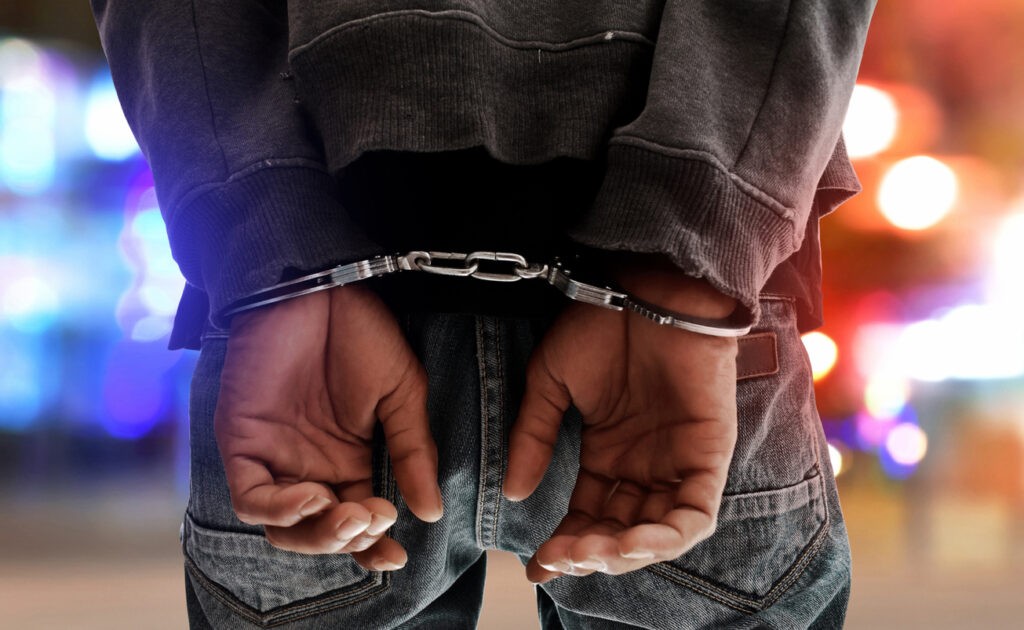
Italian police have arrested a Tajik member of the Islamic State (IS) terrorist group, according to a report by the ANSA news agency. According to police in Rome, 32-year-old Ilhomi Sayrahmanzoda was arrested at the city's Leonardo da Vinci–Fiumicino Airport after arriving on a flight from the Dutch city of Eindhoven. He had been wanted internationally since 2014 for fighting for IS in the war in Syria. Italian police established that Sayrahmanzoda was still an active member of IS, and had been using various aliases, connected with passports of Uzbekistan, Kyrgyzstan and Ukraine, to hide from law enforcement agencies. €2,000 in cash was confiscated from him, as well as a mobile phone, with which investigators are planning to identify whether Sayrahmanzoda had any connections in Italy. “His arrival in Rome raises troubling questions: did he have anything planned here? Has he hired anyone before? Were they waiting for him? His citizenship was a key factor in his arrest on March 22 amid heightened tensions surrounding the Crocus City Hall bombing. However, so far, there are no elements that indicate his involvement in this movement,” the ANSA report said. Italy is currently considering Tajikistan's request to extradite Sayrahmanzoda. Italian interior minister Matteo Piantedosi said the arrest was “a very important result, the result of an effective preventive action against the threat of terrorism.”

Tajikistan and EU Enter Third Round of Negotiations on Partnership and Cooperation

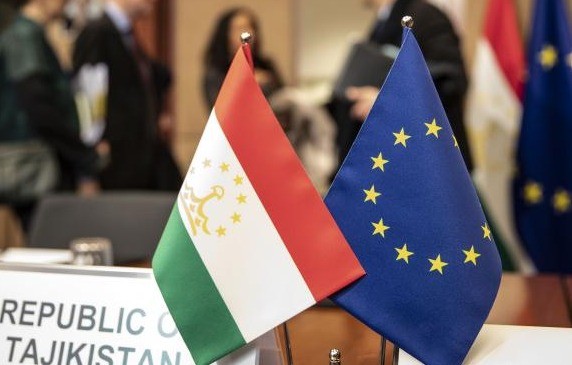
On April 8 and 9, Luc Devigne, Deputy Managing Director for Europe and Central Asia at the European External Action Service, and Ismatullo Nasredin, First Deputy Minister of Foreign Affairs of Tajikistan convened in Dushanbe for a third round of negotiations on a new comprehensive framework for strengthening their bilateral relations. According to the Delegation of the European Union to Tajikistan, the negotiations for an Enhanced Partnership and Cooperation Agreement (EPCA), launched in February 2023, represent an important milestone in the EU’s relations with Tajikistan. In line with the EU-Central Asia Strategy, it aims to strengthen cooperation regarding political relations, trade, key economic sectors, as well as the rule of law and human rights. The EU Delegation reported that substantial progress had been made during the third round of negotiations between European Union and Tajikistan, and in the future, the EU-Tajikistan Partnership and Cooperation Agreement, in place since 2010, will be known as the EPCA.

Uzbeks, Tajiks Expelled from Chechnya; Turkey Releases Uzbek Suspect

Turkish local law enforcement agencies have reported the arrest of 70 people suspected of being members of the international terrorist group, Islamic State (ISIS). According to the Telegram channel of the press service of the Consulate General of Uzbekistan in Istanbul, a 39-year-old citizen of Uzbekistan, born in the the Andijan region, was among those arrested. As a result of the intervention of lawyers, the suspect was able to prove that he was not connected to any terrorist group, and he was subsequently released. Also, according to EuraAsia Daily, since the beginning of 2024 Chechen bailiffs have expelled 38 foreigners without documents confirming their right to remain in Russia who had refused to leave the country after the deadline passed. According to the press service of the Russian federal bailiff service for the Republic of Chechnya, the majority of expelled illegal immigrants were citizens of Uzbekistan and Tajikistan. All expelled foreigners will not be legally able to enter the territory of the Russian Federation for five years.

Central Asia Counts the Cost of Drug Trafficking

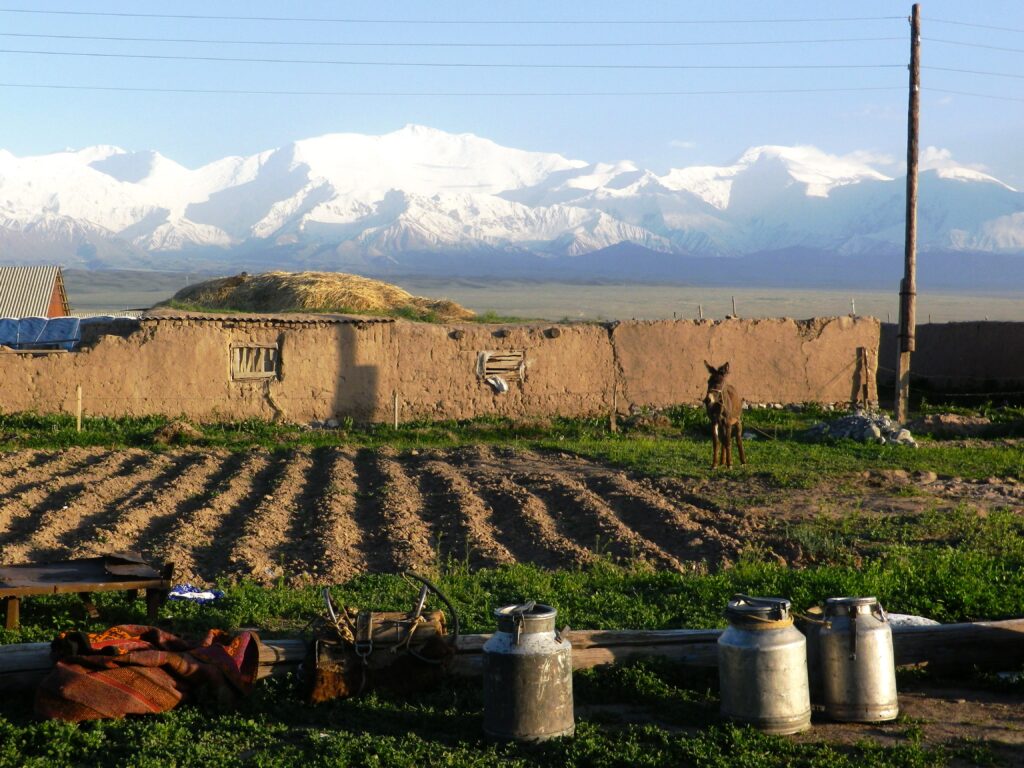
Speaking at the 67th session of the UN Commission on Narcotic Drugs in March, Zafar Samad - director of the Narcotics Control Agency under the President of Tajikistan - admitted that vast quantities of drugs are being smuggled to Europe and Russia through Tajikistan’s “northern route.” In other Central Asian nations, increased efforts are being made to curtail the problem. Kazakhstan, for example, is strengthening its legal systems and policies to effectively counter the laundering of proceeds from drug trafficking in cooperation with the United Nations Office on Drugs and Crime (UNODC). The Kazakh government also recently approved a Comprehensive Plan to Combat Drug Addiction and Trafficking. Given its long and porous border with Afghanistan, however, the problem in Tajikistan remains acute. “The increase in the volume of drug seizures in Tajikistan indicates that there are large stocks of drugs in the northern provinces of Afghanistan intended for shipment along the northern route,” Samad stated. Smugglers are “assessing the situation and exploring the possibilities of transporting drugs into Tajikistan, taking into account the measures taken by the Tajik Government to strengthen the Tajik-Afghan border by creating new border facilities.” This year will see the adoption of a CSTO program aimed at fortifying the border between Tajikistan and Afghanistan. However, the “northern route” - sometimes called the “Heroin Highway” - has a long and checkered history, which has not always led to interstate cooperation. [caption id="attachment_16236" align="aligncenter" width="495"] The village of Karakul, GBAO[/caption]   The Pamir Highway route was established in the 1990s, opening up new avenues for suppliers following the collapse of the Soviet Union. Beginning in the Kyrgyz second city of Osh, the highway - the second highest international road in the world - traverses the length of Tajikistan and down through the south of Uzbekistan before terminating in Afghanistan. An estimated 15 tons of opium and 80 tons of heroin are trafficked through Tajikistan each year, the majority passing through the poverty-stricken, self-governing Gorno-Badakhshan Autonomous Oblast (GBAO) along a desolate mountainous route known locally as Bam-i-Dunya - the Roof of the World. Said by locals to be older than Rome, Osh is a dusty spread of Soviet-era buildings adorned with satellite dishes and murals of MIG fighter jets and Misha the Bear. Having long been dubbed one of the drug capitals of Central Asia, Kalashnikov-wielding soldiers guarded cafés after dark. An ancient Silk Road route in use for millennia, the modern Pamirsky Trakt was completed in 1937. From Osh, the red soil highway ascends to the windswept mud-brick hamlet of Sary Tash, a major stopover on the smuggling route where the roads to Kashgar in China and the border with Tajikistan converge. Despite covering 45% of its landmass, the self-governing Gorno-Badakhshan Autonomous Oblast (GBAO) is home to just 3% of the population of Tajikistan. The only Central Asian country to have descended into civil war following the collapse of the USSR, the Pamiris chose the losing side, with the five-year-long conflict leaving approximately 100,000 dead and 1.2 million...

Tajik Migrants Facing Xenophobia in Russia After Moscow Terrorist Attack

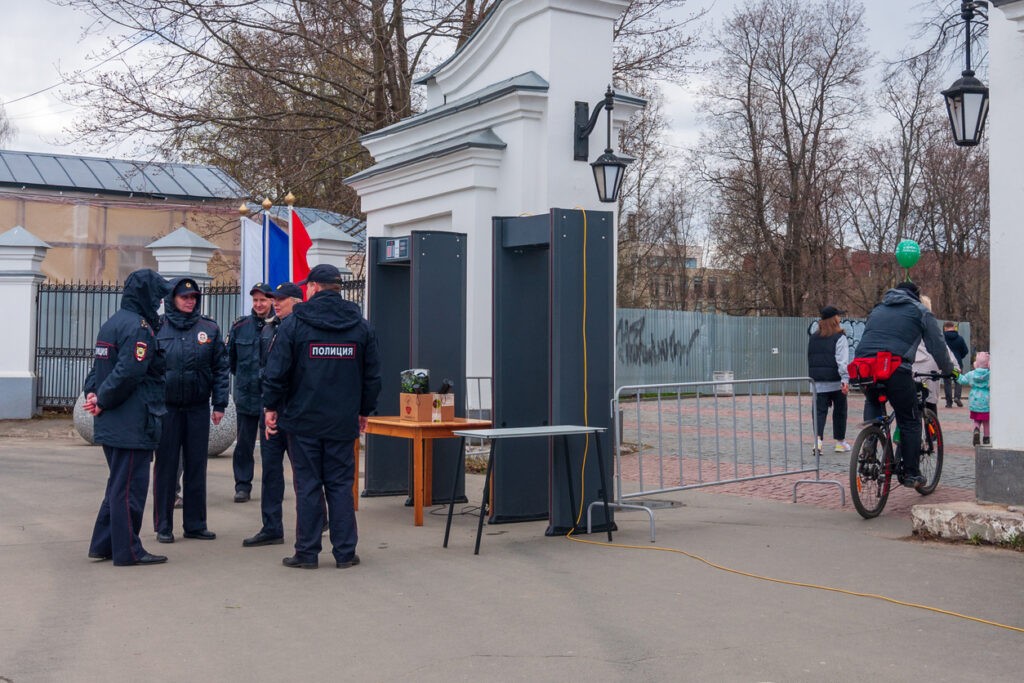
After the detention of four Tajik nationals suspected of committing the terrorist attack at the Crocus City Hall near Moscow, migrants have faced a wave of hatred and aggression. In Blagoveshchensk, along the Amur River that borders China, unknown persons set fire to a market pavilion belonging to migrants. According to the city's mayor, Oleg Imameyev, the arson was committed "obviously on ethnic grounds." In Kaluga, a group of unidentified men beat up three Tajik citizens on the street, with one of them requiring hospitalization. In some regions of Russia, taxi passengers are refusing to use transportation services if they learn the driver is Tajik. Telegram channel, Baza, reports that after the terrorist attack special units were created among domestic law enforcement to conduct additional checks on foreign citizens. Together with traffic police officers, they will check hostels, hostels, businesses and road routes, as well as other places where migrants congregate. Even those Tajiks who have been living in Russia for many years with their families, some whom have Russian citizenship, have felt an increase in xenophobic sentiment. After it became known that one of the detainees, 19-year-old Muhammadsoobir Faizov, had worked for several months in the Ploschadka barbershop in the town of Teykovo, Ivanovo region, local residents started to threaten the salon's manager and hairdressers. The director of the barbershop, Yamina Safieva, told the Moskovsky Komsomolets newspaper that the salon employees' phones "do not stop ringing" with menacing phone calls and messages. Leaders among the Tajik diaspora have recommended that their fellow citizens do not go out on the streets unless necessary and do not to attend mass events. Kyrgyz citizens in Russia have also received similar from their diaspora leaders and government representatives. The Ministry of Internal Affairs of Tajikistan released a statement saying that three citizens of Tajikistan who were named by Russian media were not involved in the terrorist attack: one of them was in Samara at the time of the attack, where he works as a cab driver, and two of them have been living in their home country since November last year. According to various sources, there are about 1.5 million migrant workers from Tajikistan in Russia. As one of the remittance-based countries in the world, in 2021 Tajikistan was also the poorest country in post-Soviet space in terms of GDP per capita, which according to the World Bank was at $878 annually. In Kyrgyzstan, by way of comparison, at that time this indicator was $1,328. At the same time, Tajikistan has a high rate of population growth at 2.7%. Given rampant unemployment in the country - 7.8% in 2023, labor migration is an most important means of livelihood for Tajik citizens.