• KGS/USD = 0.01144 0%
  • KZT/USD = 0.00212 0%
  • TJS/USD = 0.10432 0%
  • UZS/USD = 0.00008 0%
  • TMT/USD = 0.28490 0%
  • KGS/USD = 0.01144 0%
  • KZT/USD = 0.00212 0%
  • TJS/USD = 0.10432 0%
  • UZS/USD = 0.00008 0%
  • TMT/USD = 0.28490 0%
  • KGS/USD = 0.01144 0%
  • KZT/USD = 0.00212 0%
  • TJS/USD = 0.10432 0%
  • UZS/USD = 0.00008 0%
  • TMT/USD = 0.28490 0%
  • KGS/USD = 0.01144 0%
  • KZT/USD = 0.00212 0%
  • TJS/USD = 0.10432 0%
  • UZS/USD = 0.00008 0%
  • TMT/USD = 0.28490 0%
  • KGS/USD = 0.01144 0%
  • KZT/USD = 0.00212 0%
  • TJS/USD = 0.10432 0%
  • UZS/USD = 0.00008 0%
  • TMT/USD = 0.28490 0%
  • KGS/USD = 0.01144 0%
  • KZT/USD = 0.00212 0%
  • TJS/USD = 0.10432 0%
  • UZS/USD = 0.00008 0%
  • TMT/USD = 0.28490 0%
  • KGS/USD = 0.01144 0%
  • KZT/USD = 0.00212 0%
  • TJS/USD = 0.10432 0%
  • UZS/USD = 0.00008 0%
  • TMT/USD = 0.28490 0%
  • KGS/USD = 0.01144 0%
  • KZT/USD = 0.00212 0%
  • TJS/USD = 0.10432 0%
  • UZS/USD = 0.00008 0%
  • TMT/USD = 0.28490 0%

Viewing results 619 - 624 of 1129

Turkmen Gas to Europe Mooted Again

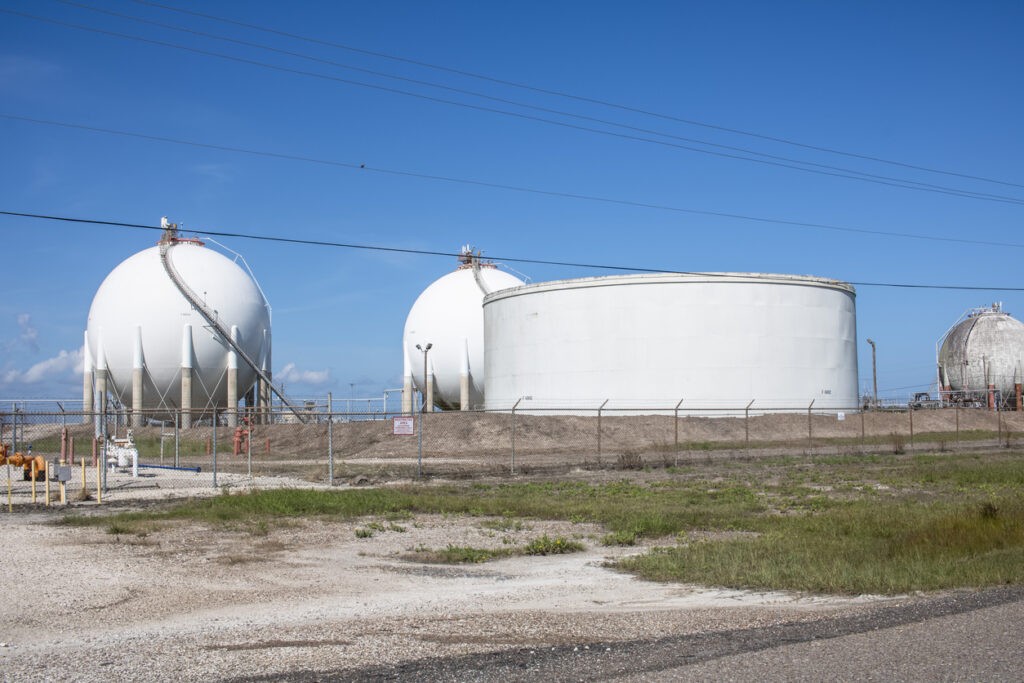
Turkmenistan and Pakistan intend to independently finance the construction of the TAPI gas pipeline (Turkmenistan-Afghanistan-Pakistan-India) to transport Turkmen gas to Europe, according to a statement made by Pakistani Minister, Musadiq Malik, who said the decision was driven by the international community's reluctance to recognize the Afghan government, which has stalled foreign funding. "Turkmenistan, rich in gas reserves and currently only selling to China, has considered exporting its gas to Europe via an LNG train," Malik was quoted as saying by the Profit portal. The minister also talked about the idea of exporting Turkmen gas to the EU via Pakistan. According to this plan, the gas would be piped to Pakistan, and then transported to Europe by rail. According to previous agreements, the $10 billion TAPI gas pipeline project was to be 30% financed ($3 billion) by the participants, and 70% ($7 billion) by loans from international financial institutions. Of the 30% to be allocated by the participating countries, 85% ($2.55 billion) was from to Turkmenistan, and the other 5% ($150 million each) from Afghanistan, Pakistan and India.

Only Turkmen Graduates Allowed to Participate in “Last Call”

In Balkan velayat (administrative district) this year, only graduates of Turkmen nationality will be able to participate in the "last call" -  the secondary-school graduation ceremony held throughout the CIS, which is held annually in front of the Central Library of Balkanabad. This decision by the local authorities caused bewilderment among the residents of the velayat, where representatives of many nationalities live. This is the second known case in the last four months when the authorities of the western velayat have infringed on the rights of ethnic minorities. In early February, it was reported that in Balkanabad and Turkmenbashi, only Turkmen music was allowed at weddings, whilst songs in the languages of other ethnicities were prohibited. Violations of the rights of ethnic minorities, limiting their opportunities for education in their native language, and observance of cultural traditions is a long-standing problem. Turkmenistan says it "condemns racial discrimination and constantly pursues a policy of mutual understanding between peoples." However, members of minorities complain of systematic restrictions of their rights on ethnic grounds.

Turkmen Scientists Find Way to Make Depleted Gas Wells More Productive

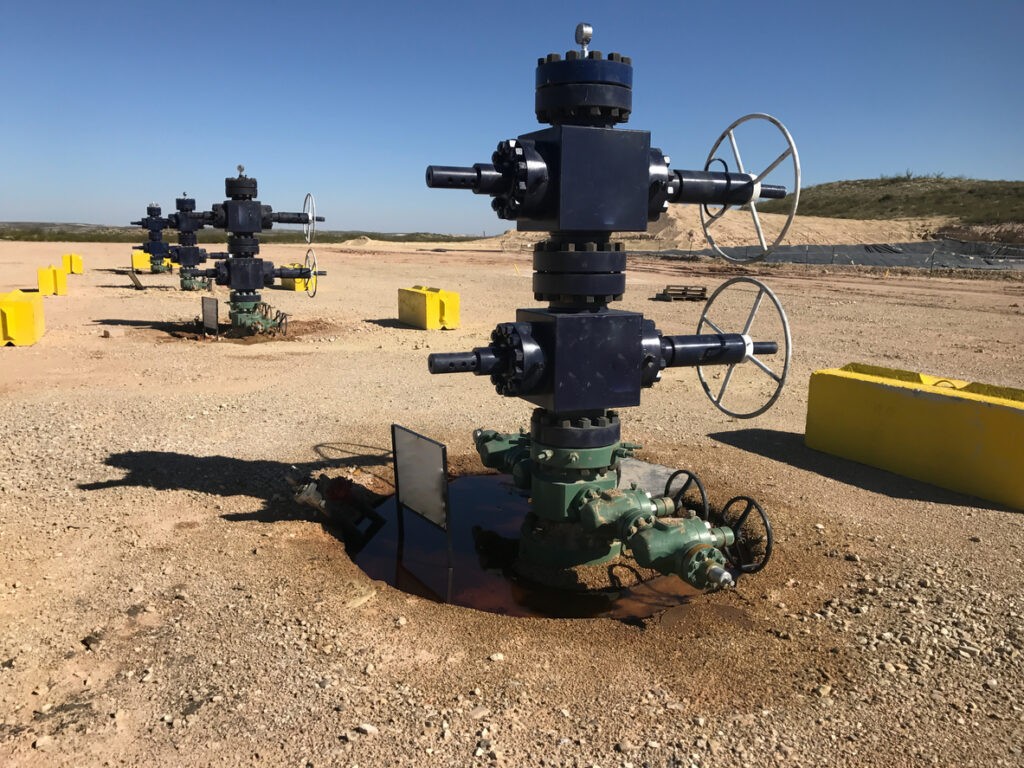
The government of Turkmenistan has reported that a group of scientists working for the state company Türkmengaz have developed a new technology to increase the productivity of depleted gas wells. The technology, which uses hydrogen thermobaric chemicals, impacts the reservoir and increases production of oil, gas, and condensate. This allows for more efficient use of resources.

Higher Education in Central Asia: Leaders and Outsiders

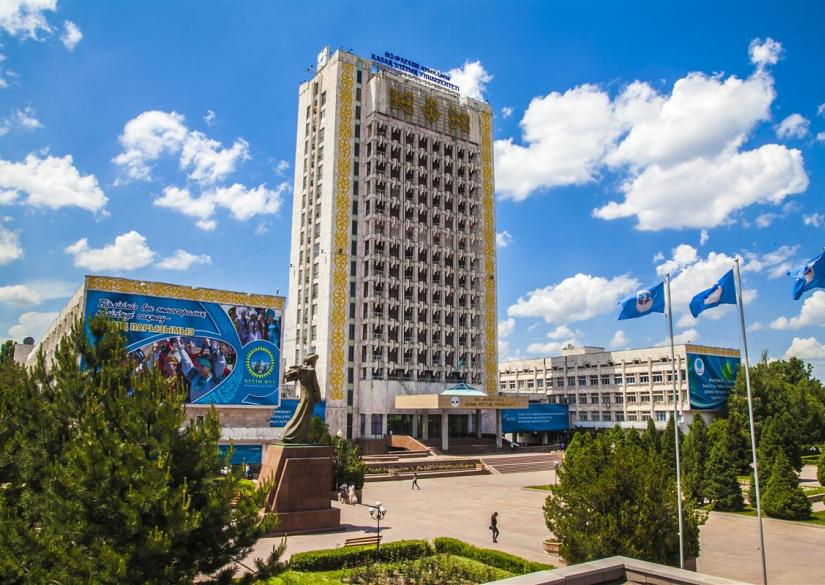
In June, it will be three years since the signing of a declaration at a forum held in the city of Turkestan between the heads of the Ministries of Education of Kazakhstan, Uzbekistan, Tajikistan, Turkmenistan, and Kyrgyzstan. According to the document, the Central Asian states agreed to expand cooperation and unite the scientific, intellectual, and creative potential of higher education institutions throughout the region. However, only Kazakhstan and Uzbekistan have made progress in terms of synergy during this time. The reason for this is the serious gaps between the Central Asian states in the level of provision of higher education for their citizens.   The pace of reform In the 1990s, the reform of education in Central Asia occurred at different rates. Although the Central Asian republics had similar problems at the time of the collapse of the Soviet Union, they began to address them depending on the degree of influence of global trends. For example, Kazakhstan signed the Bologna Declaration and joined the European Higher Education Area in 2010, while Turkmenistan switched to two-stage higher education under the "Bachelor's - Master's" system only in 2013. Some started organizing English-language curricula at their universities as soon as the early 1990s, such as Kazakhstan's KIMEP University or the University of Central Asia in Kyrgyzstan. Uzbekistan, on the other hand, only came around to the idea of the need for English-language education in the noughties. In the 2000s, universities established jointly with foreign partners, such as the Kyrgyz-Russian Slavic University and the Kazakh-British Technical University, began to open in the region. Uzbekistan was again somewhat late to the trend, first opening the International Westminster University (a branch of the University of London) and a branch of Turin Polytechnic University. In 2014, the first university established jointly with foreign partners from South Korea - Inha University, specializing in the training of IT specialists - appeared. Kazakhstan, Kyrgyzstan, and Uzbekistan are currently implementing reforms in the recognition of diplomas and attracting foreign employees and students, while Tajikistan and Turkmenistan are experiencing problems of a different nature related to low levels of enrollment in higher education.   Kazakhstan Kazakhstan has been the most successful nation in reforming higher education. Degrees have been reduced to four years, and the Unified National Testing (UNT) and credit system of education appeared, creating favorable conditions for accession to the Bologna Process in 2010. By 2016, almost every second Kazakhstani was studying at a higher education institution. Now, Kazakhstan has more than 120 universities. There are more than 600,000 students, and about 40% of Kazakhstanis are certified specialists. Kazakhstan's supremacy in this arena is confirmed by international rankings. For example, the international organization, Times Higher Education included four Kazakhstani universities in its rating for 2024: the Eurasian National University named after L.N. Gumilev; Satpayev University; the Kazakh National University named after Al-Farabi; Nazarbayev University (NU). Participating in these rankings for the first time, the latter was recognized as the best in Central Asia. NU is the first university of its...

One Dead and Six Missing in Turkmenistan Mudslides

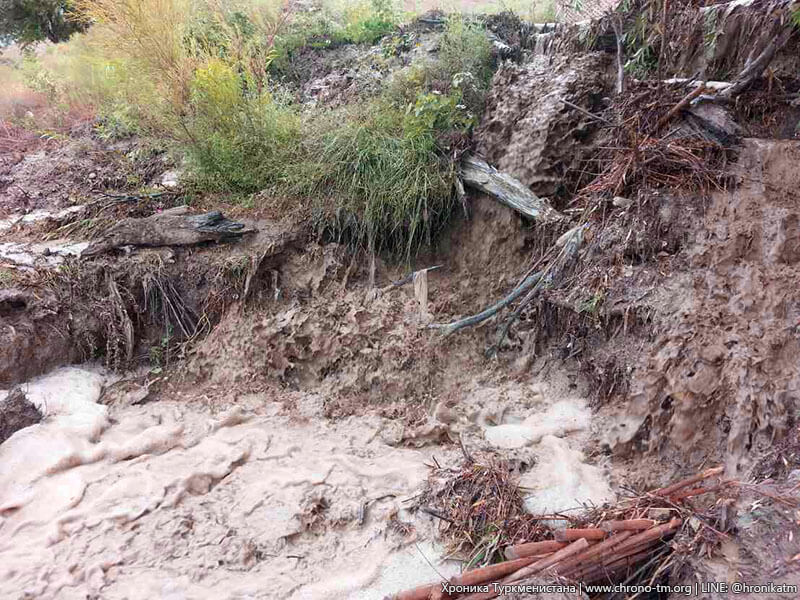
One soldier has been killed and six are missing during mudslides caused by recent heavy rains in Turkmenistan. It is being reported that the man died at the Serakhs border outpost in Akhal province. "On May 17, around 17:00 hours, seven soldiers from the 16-border outpost of the Border Troops connection in Serakhs [on the border with Iran] went missing. The body of one of them was found May 18. The searches for the other six soldiers continue," an anonymous source commented. "The search work is being carried out by the border troops' forces of the adjacent territories," the source said. Special means, such as drones or helicopters, are not involved in the search operations. The source adds that on the day of the incident, the soldiers were sent to repair the automobile roads next to the military unit, which were washed away by mud-flows. The Turkmen government is trying to stop information about the incident from being published, and "it is dangerous to ask and inquire about the details". But in conversations among themselves, servicemen are discussing that "sending soldiers in such weather to this area was a wrong decision and the cause of the accident was the negligence of the commanders and management of the border guard unit." "It was not possible to get comments on the disappearance of several soldiers and the death of at least one of them from the Turkmen authorities, including the aforementioned military unit," the source notes. For almost ten days, Turkmenistan’s capital Ashgabat has been flooded with rain, in what local meteorologists think have been the worst downpours since the 1970s. The rain has caused significant damage to the city’s infrastructure. The Akhal province has also been badly affected, with agricultural land flooded. Mud-flows hit the cities of Anev and Kahka, and in many areas electricity and part of the rail network were shut down. However, there have been no reports in Turkmen media about the rains and the damage they are causing.

Turkmenistan Bans People From Talking About the Weather

For almost ten days Turkmenistan's capital Ashgabat has been flooded with rain, in what local meteorologists think have been the worst downpours since the 1970s. The rain has caused significant damage to the city's infrastructure. The Akhal province has also been badly affected, with agricultural land flooded. Mudflows hit the cities of Anev and Kahka, and in many areas electricity and part of the rail network were shut down. However, there have been no reports in Turkmen media about the rains and the damage they are causing. Turkmenistan's law enforcement agencies have taken unprecedented measures to prevent photos and videos of the downpours from appearing on social networks. According to Radio Azatlyk, internet speed has slowed down, working VPNs are blocked, and IMO messenger has almost stopped working. A Turkmenabad police officer, who spoke on condition of anonymity, said of the order from above: "We have been ordered to prevent the leakage of defamatory photos and videos abroad. It was explained to us that if defamatory information gets into the hands of the West or the U.S. State Department, this information can be used to destabilize the domestic situation." The situation is the same in Ashgabat. Security services are identifying and taking to police stations citizens who have shared photos and videos on social media of the rains, and the damage caused by the rains in Ashgabat and the provinces. "In Ashgabat, cars could not move along the streets, people were swept away by the water pressure, and some of them were badly hurt. In the suburbs, houses and farms were flooded, farmers may be left without any income. There are many casualties, but there are no fatalities among the residents. Now the situation is gradually normalizing, and the authorities are eliminating the consequences of the flooding," one Ashgabat resident told The Times of Central Asia.