• KGS/USD = 0.01143 0%
  • KZT/USD = 0.00202 0%
  • TJS/USD = 0.10433 0%
  • UZS/USD = 0.00008 0%
  • TMT/USD = 0.28575 0%
  • KGS/USD = 0.01143 0%
  • KZT/USD = 0.00202 0%
  • TJS/USD = 0.10433 0%
  • UZS/USD = 0.00008 0%
  • TMT/USD = 0.28575 0%
  • KGS/USD = 0.01143 0%
  • KZT/USD = 0.00202 0%
  • TJS/USD = 0.10433 0%
  • UZS/USD = 0.00008 0%
  • TMT/USD = 0.28575 0%
  • KGS/USD = 0.01143 0%
  • KZT/USD = 0.00202 0%
  • TJS/USD = 0.10433 0%
  • UZS/USD = 0.00008 0%
  • TMT/USD = 0.28575 0%
  • KGS/USD = 0.01143 0%
  • KZT/USD = 0.00202 0%
  • TJS/USD = 0.10433 0%
  • UZS/USD = 0.00008 0%
  • TMT/USD = 0.28575 0%
  • KGS/USD = 0.01143 0%
  • KZT/USD = 0.00202 0%
  • TJS/USD = 0.10433 0%
  • UZS/USD = 0.00008 0%
  • TMT/USD = 0.28575 0%
  • KGS/USD = 0.01143 0%
  • KZT/USD = 0.00202 0%
  • TJS/USD = 0.10433 0%
  • UZS/USD = 0.00008 0%
  • TMT/USD = 0.28575 0%
  • KGS/USD = 0.01143 0%
  • KZT/USD = 0.00202 0%
  • TJS/USD = 0.10433 0%
  • UZS/USD = 0.00008 0%
  • TMT/USD = 0.28575 0%

Viewing results 103 - 108 of 149

Travelers to Turkmenistan Still Forced to Pay for COVID-19 Test

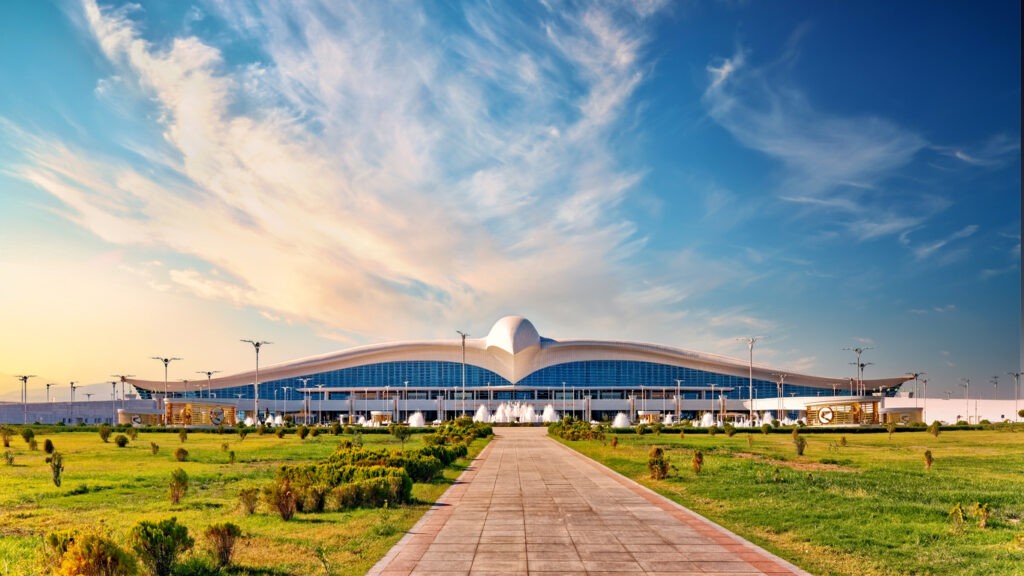
Travelers flying to Ashgabat airport in Turkmenistan still have to pay for a COVID-19 test upon arrival, but don't have to actually take the test, according to a report by Chronicles of Turkmenistan. Passengers landing in Ashgabat are forced to pay 60 manat ($17 at the official rate) for a certificate showing a negative result, but officials are letting them leave the airport without conducting the test. The World Health Organization (WHO) announced in May last year that the COVID-19 virus no longer had pandemic status. Meanwhile, Turkmenistan’s government has always denied that COVID-19 has ever been present in the country.

President of Turkmenistan Pardons 356 Prisoners

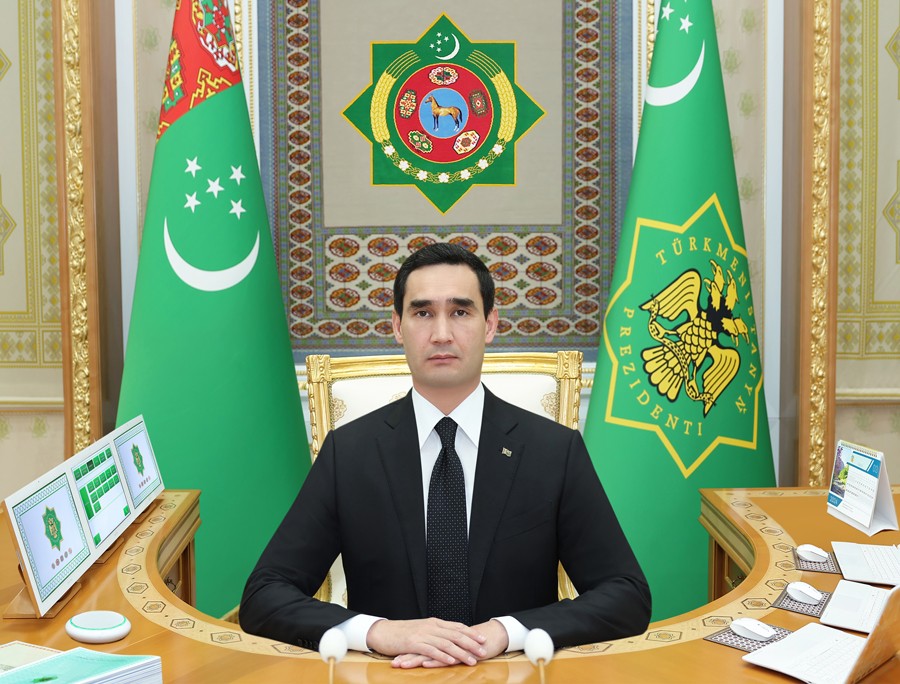
President of Turkmenistan, Serdar Berdymukhamedov has pardoned 356 people who repented for their crimes in honor of Laylat al-Qadr (The Night of Power). The head of state signed the relevant decision at the meeting of the Cabinet of Ministers, according to a report by the Turkmen state news agency. Representatives of the relevant law-enforcement agencies were instructed to release the prisoners and return them to their families in the near future. Furthermore, provincial, etrap (sub-provincial) and city mayors and other leaders were instructed to take appropriate measures to employ pardoned persons. On April 5-6, Muslims in Turkmenistan celebrate the night of power (gadyr gijesi in Turkmen), a symbol of virtue and spiritual purity. Laylat al-Qadr is, in Islamic belief, the night when Muslims believe the Quran was first sent down from heaven to the world, and also the night when the first verses of the Quran were revealed to the Islamic prophet, Muhammad.

Turkmenistan’s Government-Supplied Agricultural Services Soar in Cost

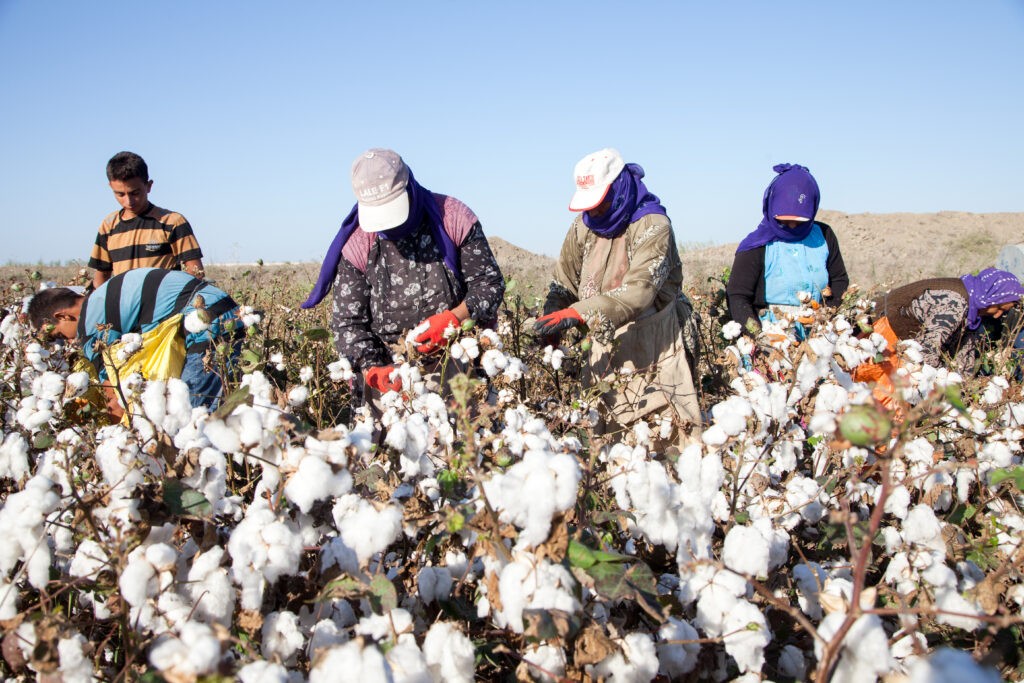
The prices for several services provided by the state to farmers in Turkmenistan have increased several times over, according to a report from news portal Turkmen.news after reviewing documents showing the old and new prices for government goods and services. The price levels in the table are separated by different productivity per hectare, which, in turn, depends on the specific area of the crop. The table defines six stages of medium-fiber cotton yield from 7 (previously 6.4) to 40 centners (one centner is 100kg) per hectare. The price of mineral fertilizers for 1 hectare was 146.64 manat ($7.5 at market rate) in the past, but since the start of 2024 it has increased to 878.7 manats ($45). Seeds for 1 hectare were delivered for 38.83 manat ($2), and now for 103.51 manats ($5). It used to cost 53.88 manat ($2.50) to irrigate 1 hectare of land, but now it costs 208.6 ($10.50). The table also calculates the income of farmers based on all these costs. Before the recent increase in cotton and grain prices, the lowest-yielding tenants received 960 manat ($49) per hectare, and after all subtractions, they were left with just 8.6 manat ($0.40). For fields of the high productivity category - 40 centners per hectare, the standard initial income is 20,000 manat ($1,000), and after fees for state services - 15,000 manat ($770) per hectare. Tenants typically farm from three to 20 hectares, often up to five hectares, depending on their means. These are mostly useless, low-fertility croplands. There remains one glaring problem beyond the price hikes for government services and goods. In practice, farmers' costs aren't limited to payments for the aforementioned services. Firstly, farmers have plenty of informal costs. For example, a tractor driver hired by a farmer doesn't go to the field for free; they should be paid at least 100 additional manat just for showing up. Furthermore, things like timely supply of high-quality and mold-free seeds and fertilizers, the battle with chronic drought - all of these hindrances require large amounts of money to overcome. Second, the official quotas for fertilizer distribution by the state are greatly underestimated. Under government guidelines, 370 kilograms of urea and 500 kilograms of nitrogen are allocated for each hectare. According to the calculations of experienced farmers, at least 600 kilograms of urea are needed per hectare. But it's impossible to get that much at the state price, so one must buy additional fertilizers from private traders at a completely different, higher price. As a result, many villagers hand over their crops to the state and become indebted for all the above services. Villagers are looking for all kinds of additional ways to earn money, most of which are illegal. So, they rent fields for cotton and grain, but at the same time they grow vegetables on a part of the land. But this requires a more expensive rent payment and a separate contract. The result is that most of the farmers are giving up farming altogether and attempting...

Turkmenistan Bans Iranian Colas and Face Creams

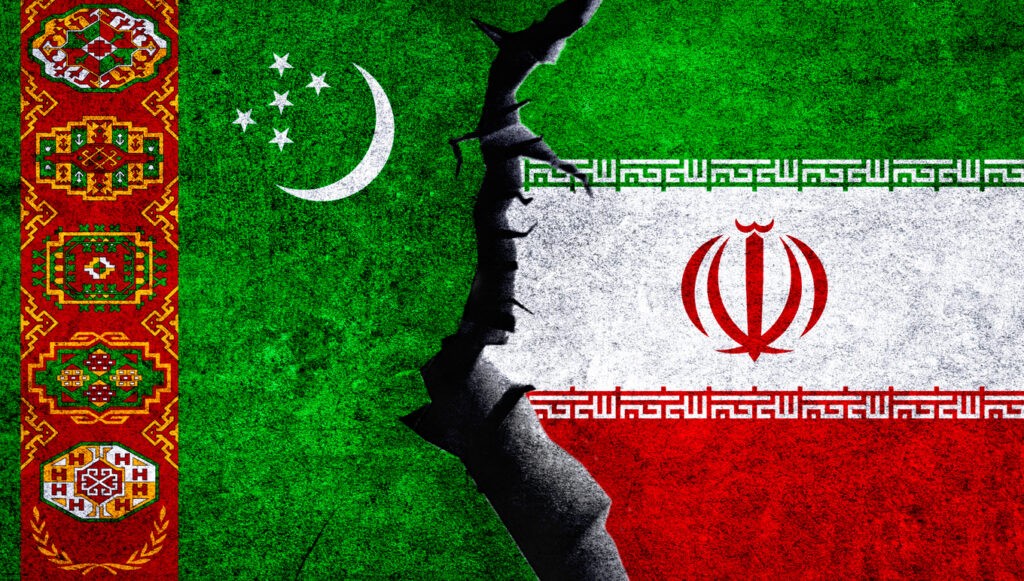
Authorities in Turkmenistan have introduced a number of new import restrictions, according to a report by correspondents from the Chronicles of Turkmenistan. At the request of Iran, the Bajgiran border crossing with Turkmenistan was closed from February 25 to March 11. The crossing is now operational, but imports of bottles of cola and hand and face cream from Iran are forbidden. Customs officials cited the discovery in February of multiple individuals smuggling drugs in cola and face cream bottles as justification for the import ban on those specific goods. Permits for commercial border crossings are granted for six months at a time, and certificates and other paperwork have to be compiled by those who wish to extend their permits. These are now only accepted on one working day per month, as opposed to previously being accepted on any working day. The one working day per month is also subject to change. On that one day, authorities will accept documents from up to 100 people. The prohibition on import of goods that are in high demand has already dealt a serious blow to cross-border merchants and traders -- even though many of them have valid permits to enter the neighboring country, and the prospects for getting new ones include a long, arduous process.

Turkmenistan’s Food Prices Continue to Rise

The prices of subsidized products in Turkmenistan's state stores continue to rise, according to a report by correspondents from the Chronicles of Turkmenistan. Beginning March 12, the price of a kilogram of poultry increased to 35 manat ($10) from 21 manat ($6). The price for domestically produced chicken is the same as for poultry imported from Turkey. In some stores chicken legs are still being sold at the old price -- 16 manat ($4.57) per kilogram -- but according to sellers, new batches could be more expensive. These days in various parts of Turkmenistan's capital Ashghabat, private traders are selling rice -- the price of which has increased by three manat per kilo -- directly from trucks. As of March 6, eggs have become more expensive in Ashgabat's state stores. The price has increased to 1.50 manat ($0.43) and 45 manat ($12.86) for a 30-egg tray, respectively, from one manat ($0.29) per egg or 30 manat ($8,57) per tray. The cost of flour went to 3-5 manat ($0.86 – $1.43) per kilogram from one manat ($0.29) in February -- while the cost of bread increased to four manat ($1.14) from one manat ($0.29) per loaf. Turkmenistan's president Serdar Berdimuhamedov signed an order to raise the purchase prices of wheat and cotton by two to three times beginning with the harvest of 2024 -- just before the sharp increase in the prices of goods in state stores.

Optimism Meets Reality at the B5+1 Forum in Almaty

The inaugural B5+1 Forum, a conference dedicated to strengthening business between the five Central Asian republics and the United States, came to a close today in Almaty after a second well received day of panel discussions. The B5+1 Forum was created by the Center for International Private Enterprise (CIPE), which aims to use public-private partnerships to create a better environment for business and trade. The B5+1 platform brings international and local companies together with high-ranking government officials from all six countries, to learn about the difficulties that each side faces, and suggest new ways to attract partners and investment. Following an opening day focused on “Looking within Central Asia”, today’s speakers brought attention to “Central Asia’s place in the world economy”. The morning began with a keynote speech by Eurasian affairs expert S. Frederick Starr, who argued that because the five countries are now members of different trade blocs, the revival of the Central Asian Economic Union could break down their existing barriers to business and trade with the United States. During a morning session on international partnerships, foreign experts brainstormed ways to speed up the Central Asia region’s economic integration with the rest of the world. To an audience of business leaders whose overall mood was optimistic, the EU’s ambassador to Kazakhstan Kestutis Jankauskas and World Bank economist David Knight brought a dose of realism, by explaining that business in Central Asia is not performing as well as in other emerging regions. This, they both said, is because the governments – and business owners – have mostly still not let go of self-defeating ways of approaching markets and investment. The middle session went into more detail about the investment landscape, particularly in terms of IT and fintech. Jennifer Miel, executive director for Kazakhstan for the US Chamber of Commerce, mentioned that all five Central Asian countries have seen healthy increases in foreign direct investment since 2021. This was soon tempered by Anatoly Motkin of the agency StrategEast, who said that to achieve further sustainable growth, the region must unify its legislation and best practices, so that foreign investors can treat it as a single market as much as possible. The Forum’s closing session explored the role of business associations in public-private dialogue. The panel was moderated by Eric Hontz, CIPE’s director for accountable investments, and featured the executive directors of the US Chambers of Commerce in Kyrgyzstan, Tajikistan and Uzbekistan – Aisuluu Sydygalieva, Nilufar Bulbulshoeva and Tatyana Bystrushkina. Discussion centered on best practices and solutions for effective member representation. The B5+1 Forum forms part of CIPE’s program called “Improving the Business Environment in Central Asia” (IBECA). CIPE themselves are affiliated to the US Chamber of Commerce – the catalyst behind the B7 and B20 platforms – and receive funding from the US Department of State. Early indications are that the B5+1 Forum in 2025 will be held in Bishkek, Kyrgyzstan.