• KGS/USD = 0.01144 0%
  • KZT/USD = 0.00218 0%
  • TJS/USD = 0.10656 0%
  • UZS/USD = 0.00008 0%
  • TMT/USD = 0.28530 0%
  • KGS/USD = 0.01144 0%
  • KZT/USD = 0.00218 0%
  • TJS/USD = 0.10656 0%
  • UZS/USD = 0.00008 0%
  • TMT/USD = 0.28530 0%
  • KGS/USD = 0.01144 0%
  • KZT/USD = 0.00218 0%
  • TJS/USD = 0.10656 0%
  • UZS/USD = 0.00008 0%
  • TMT/USD = 0.28530 0%
  • KGS/USD = 0.01144 0%
  • KZT/USD = 0.00218 0%
  • TJS/USD = 0.10656 0%
  • UZS/USD = 0.00008 0%
  • TMT/USD = 0.28530 0%
  • KGS/USD = 0.01144 0%
  • KZT/USD = 0.00218 0%
  • TJS/USD = 0.10656 0%
  • UZS/USD = 0.00008 0%
  • TMT/USD = 0.28530 0%
  • KGS/USD = 0.01144 0%
  • KZT/USD = 0.00218 0%
  • TJS/USD = 0.10656 0%
  • UZS/USD = 0.00008 0%
  • TMT/USD = 0.28530 0%
  • KGS/USD = 0.01144 0%
  • KZT/USD = 0.00218 0%
  • TJS/USD = 0.10656 0%
  • UZS/USD = 0.00008 0%
  • TMT/USD = 0.28530 0%
  • KGS/USD = 0.01144 0%
  • KZT/USD = 0.00218 0%
  • TJS/USD = 0.10656 0%
  • UZS/USD = 0.00008 0%
  • TMT/USD = 0.28530 0%

Viewing results 5953 - 5958 of 6199

EDB and Kazakhstan Join Efforts for Water Investment

EDB and Kazakhstan Join Efforts for Water Investment The Eurasian Development Bank (EDB) has signed a memorandum of cooperation with Kazakhstan’s Ministry of Water Resources and Irrigation (MWRI). Ruslan Dalenov, Vice Chairman of the EDB Management Board, and Bekniyaz Bolat, MWRI First Deputy Minister, formalized this partnership during a ceremony in Astana on December 13th. The memorandum aims to establish long-term, mutually beneficial collaboration focused on mobilizing investment and grants for joint water and irrigation projects. “We are committed to jointly developing sustainable infrastructure solutions that will support important water-related projects and contribute to overall economic growth,” said Dalenov. The parties intend to actively cooperate in financing investment projects and exchange expertise through participation in workshops, conferences, and other events. The EDB is currently implementing the Central Asian Water and Energy Complex mega-project based on research and projections on the most effective ways to comprehensively develop the sector. Bank analysts have conducted studies such as Investment in the Water and Energy Complex of Central Asia, Regulation of the Water and Energy Complex of Central Asia, and Efficient Irrigation and Water Conservation in Central Asia. The latter outlines ten practical steps for preserving irrigated land potential and promoting water conservation, including four recommendations for adoption at a regional level and six at a national level. These measures are designed to conserve enough water annually to support sustainable development. The EDB has also identified projects to cater to the region’s electricity and water needs. The Bank is financing the construction of the 100 MW Kulanak HPP in the Kyrgyz Republic. Additionally, the Bank is evaluating several projects aimed at enhancing the region’s water and energy infrastructure.
EBRD Launches Youth in Business Program in Central Asia

EBRD Launches Youth in Business Program in Central Asia The European Bank for Reconstruction and Development (EBRD) on December 12th said it is addressing the issue of youth entrepreneurship and employment in Central Asia by launching a seven-year €200 million (U$ 218 million) Youth in Business program designed to provide better access to finance and relevant training to young entrepreneurs in the region, where up to one third of the population is aged between 18 and 34 years. The Youth in Business program in Central Asia (YiB CA) will target micro, small and medium-sized enterprises (MSMEs) led or owned by individuals under the age of 35. It will consist of up to €200 million for on-lending to up to 20 partner financial institutions in Central Asia and Mongolia; targeted non-financial services for eligible small businesses will be provided by the Bank’s Advice for Small Businesses program to help develop their entrepreneurial skills through training, advisory services, and networking opportunities. The EBRD’s investment will be complemented by a package of up to €30 million in grants and concessional co-financing to stimulate inclusive lending and youth entrepreneurship. It is expected that the first agreements under the YiB CA will include: a loan of up to U$ 10 million to Uzbekistan’s largest private bank, Hamkorbank, a loan of up to U$ 8 million to Shinhan Bank Kazakhstan, a loan of up to U$ 4 million to Mongolia’s leading micro-lender, Transcapital, and a loan of up to U$ 2 million to Kazakhstan-based micro-financial organization, Arnur Credit. A market assessment conducted by the EBRD in the region revealed that while many young people across Central Asia have a strong entrepreneurial mindset, very few have access to equal economic opportunities. Only around 10% have access to the necessary training and professional expertise. In Central Asia, MSMEs account for almost half of total employment, and contribute almost 40% of regional GDP. Grant support and concessional finance to the program is provided by the Government of Kazakhstan, the Small Business Impact Fund, and the European Union.

Kazakhstan to Reduce Dependence on Water from Neighboring Countries

Issues of modernizing water infrastructure and improving the water resources management system were discussed at a meeting of the Water Council of Kazakhstan chaired by Prime Minister, Alikhan Smailov, A post on the PM’s official website states. Minister of Water Resources and Irrigation, Nurzhan Nurzhigitov reported that Kazakhstan has 102.3 km3 of water, 54% of which is formed within the country, and the remaining 46% coming from neighboring countries. The annual consumption by economic sectors is about 25 km3 of water, of which 65% is used for agriculture, and 25% for industrial needs. To ensure the country's water security and solve the problem of shortages, a draft Comprehensive Plan for the Development of Water Resources for 2024-2030 has been developed. It provides for a number of urgent measures for the construction and reconstruction of reservoirs, and the reconstruction of hydraulic structures and irrigation systems. Implementation of the plan will increase available water resources by 3.7 cubic kilometers, and the area of irrigated land to 2.2 million hectares, as well as reduce annual losses of irrigation water by 3 cubic kilometers. In 2024-2026, it is planned to begin construction of 20 new reservoirs with a volume of 2.4 cubic kilometers in nine regions. This will increase the area of irrigated land by 250,000 hectares and reduce Kazakhstan’s dependence on neighboring countries for its water supply by an average of 25%. “We must annually introduce water-saving technologies on 150,000 hectares of irrigated lands. Now, implementation is carried out on 40-50,000 hectares per year. At the same time, in the southern regions where there is the greatest water shortage, the volume of implementation is the smallest,” said Smailov.

Company in Uzbekistan Sanctioned by UK

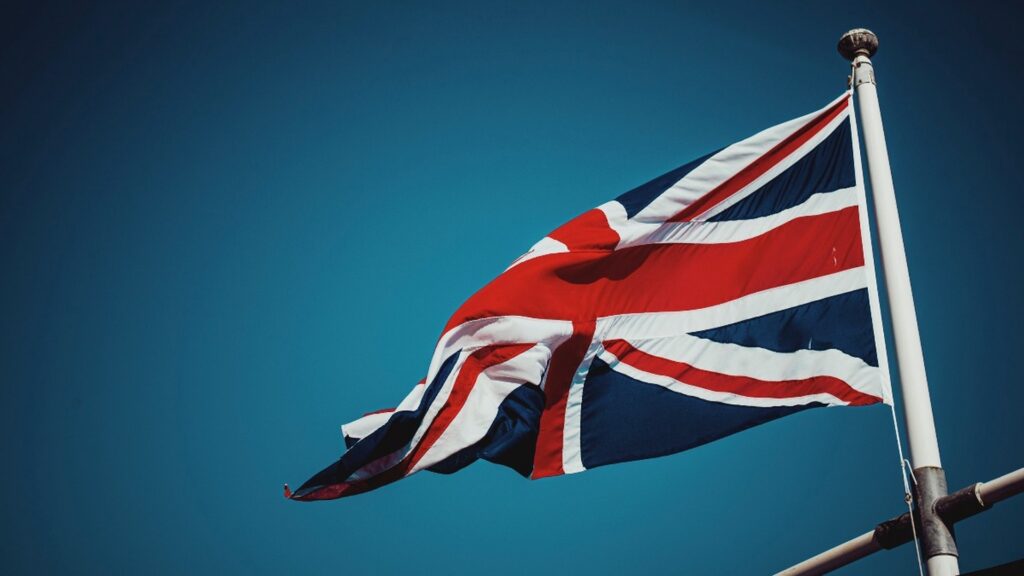
British authorities have recently imposed fresh sanctions targeting individuals and entities suspected of aiding the "Russian military apparatus," which notably includes Uzbekistan-based company Mvizion. This expanded sanctions list encompasses 46 entities linked to weapons production or the import of defense goods for Russia, comprising thirty foreign enterprises, among them those from Uzbekistan. A statement from UK authorities outlined, "Today's measures will prevent Putin from outfitting his military through intermediary supply chains in Belarus, China, Serbia, Turkey, the UAE, and Uzbekistan," citing Mvizion's role as an intermediary in supplying spare parts to Russia. Mvizion had previously been sanctioned by the United States in November, linked by the US Department of Commerce to drone production for the Russian armed forces. The Unified State Register of Enterprises and Organizations shows Mvizion's registration on June 14, 2022, with its primary activity listed as the "wholesale of electronic and telecommunication equipment and related spare parts." Igor Nikolaevich Ievlev is identified as the sole founder and director. David O'Sullivan, the EU Special Envoy for Sanctions, addressed Uzbekistan's efforts to counter the re-export of European goods under sanctions to Russia, emphasizing the significance of economic diversification for the country. "We do not intend to disrupt Uzbekistan's traditional trade relations," he emphasized.

Recent murder in Kazakhstan draws attention to domestic violence and gender discrimination

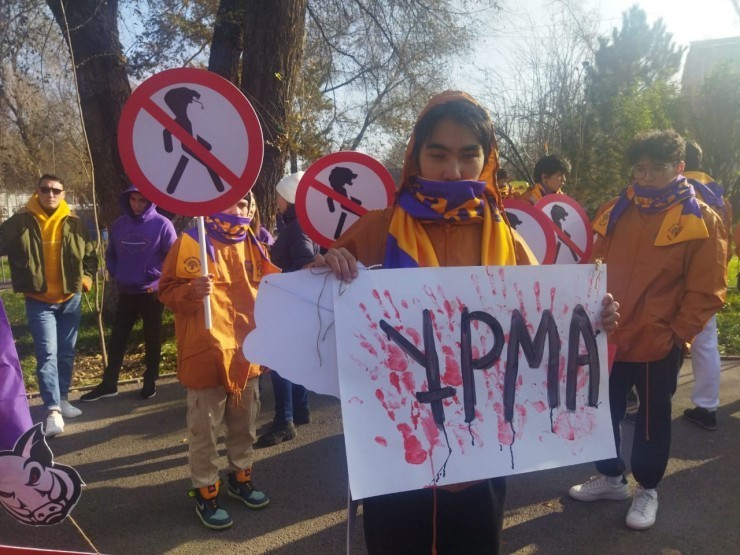
A very public tragedy in Kazakhstan put on display domestic violence at its worst. A quarrel in a restaurant in Astana on the evening of November 8th is reported to have resulted in the death of Saltanat Nukenova, the 31-year-old wife of Kuandyk Bishimbayev. Bishimbayev, who served as Minister of National Economy under former President Nazarbayev, was detained on the same day for suspected murder and remains under arrest awaiting trial. On November 11th, Saltanat was buried in Pavlodar. This appalling incident highlighted the urgent need for stronger protections against domestic violence. An authorized rally was held in Almaty in late November. Around 200 participants came out onto the square behind the Sary Arka cinema, holding posters and chanting slogans against domestic violence. The event was organized by a public movement called Zhana Adamdar and the attendees mostly included young people and students from the movement. Relatives of Saltanat Nukenova also took part. The participants wanted to raise awareness about fighting any manifestation of violence against women and children. Most of the attendees were dressed in the same style, and many of them had scarves with the inscription “Say no to the animal world,” which was also the title of the rally. Speakers at the event detailed the most resonant cases of violence in recent times while the organizers of the rally held a small flash mob and arranged an installation with mannequins in cages with animal masks on them. A minute of silence was observed in honour those who died as a result of violence. Progress in protecting women What proceeded this public tragedy hopefully presents a silver lining. A month later, on December 8, Kazakhstan's current President Kassym-Jomart Tokayev signed a Decree to strengthen human rights with concrete steps towards preventing violence and promoting gender equality. The Decree instructs Kazakhstan’s government to take systematic measures to promote equal rights and opportunities in all spheres of society, as well as to overcome all forms and manifestations of gender discrimination. The decree also encompasses legislation to deter domestic violence and promotes equal rights and safety for both men and women in the Republic of Kazakhstan, as endorsed by UN Security Council resolution 13251. It further involves legislative measures to tighten criminal liability in cases of domestic violence, which have now been implemented. These measures aim to hold perpetrators accountable and ensure that victims can get justice. Additionally, offenders of domestic violence may be required to undergo comprehensive psychological correction as part of their rehabilitation process. The Decree also asks for creating specialized units within the Ministry of Internal Affairs staffed with female officers, who can enhance the effectiveness of combating domestic violence. While the timing of the Decree coincided with the aftermath of Saltanat’s death, there are signs that these steps may have already been in the works. President Tokayev had voiced concerns about domestic violence before the current headlines emerged. At a meeting in the Ministry of Internal Affairs in June 2023, for example, he had affirmed that “comprehensive...

Uzbekistan’s Transition to Market Economy to Accelerate

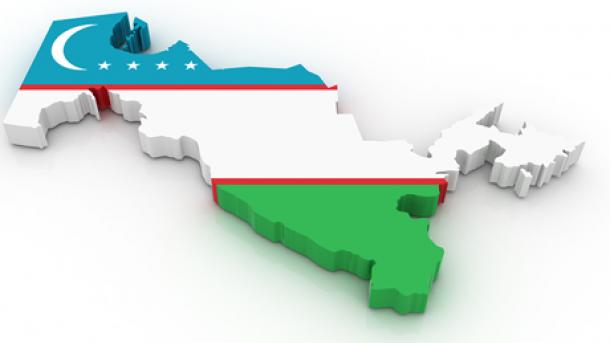
Uzbekistan’s Transition to Market Economy to Accelerate The World Bank’s Board of Executive Directors on December 8th approved a Development Policy Operation to financially support the Government of Uzbekistan in implementing a new generation of economic, social, and climate reforms. The objective of these reforms is to expedite the country’s transition to a market economy, ensuring that economic opportunities are accessible to all citizens and creating a strong foundation for sustained growth. In Uzbekistan, despite significant progress in the transition to a market economy, there is a need to complete this process and to shift urgently towards a greener and more equitable economic model which would help the country achieve its development and environmental goals. The government aims to halve the poverty rate by 2026, and elevate the country to the status of an upper-middle-income economy by 2030. Achieving these objectives requires much faster growth, which is possible through reducing state control over the economy and empowering the private sector to become the primary driver of economic development. “The World Bank’s new operation supports key government priorities, including reducing state dominance in crucial sectors such as agriculture, railway, chemicals, and energy,” said Marco Mantovanelli, World Bank Country Manager for Uzbekistan. “This will allow for greater private sector participation in the given areas. The operation also aims to strengthen social and legal protection for vulnerable groups, and address pressing issues of climate change and environmental protection.” The World Bank will provide financial support to the government through a combination of highly concessional and low-cost loans totaling $800 million. The financing will offer the government a low-cost, long-term repayment option compared to what would be available in international financial markets, resulting in a significantly lower loan repayment cost. This, in turn, will free up more resources for the country’s urgent development priorities. “The Government has a strong commitment to reforms that will transform Uzbekistan into a more open and competitive market economy. The World Bank is supporting the country in achieving this goal by providing the necessary expertise, international experience, and financing,” said Jasur Karshibaev, Deputy Minister of the Economy and Finance of Uzbekistan. The financing from the World Bank operation will support the government’s reforms and actions in a number of critical areas, including: Energy sector: Establishing an independent energy regulator and implementing energy tariff reform to improve the energy sector’s performance, enhance the efficient use of energy resources, attract private investment in modernizing energy infrastructure, and promoting competition and private sector participation in the industry. Railway sector: Undertaking institutional reforms in the railway sector to modernize price setting for passenger and freight transportation and strengthen competition and the institutional environment in the industry. Chemical sector: Establishing a framework for institutional reforms in the chemicals sector and privatizing FerganAzot JSC, a large state-owned chemical plant, to liberalize the sector, attract private investments for its modernization, and enhance competition and efficiency in the industry. Agriculture sector: Abolishing the crop placement system for all crops to promote greater diversity and productivity in crop...