• KGS/USD = 0.01143 0%
  • KZT/USD = 0.00205 0%
  • TJS/USD = 0.10433 0.1%
  • UZS/USD = 0.00008 0%
  • TMT/USD = 0.28577 0%
  • KGS/USD = 0.01143 0%
  • KZT/USD = 0.00205 0%
  • TJS/USD = 0.10433 0.1%
  • UZS/USD = 0.00008 0%
  • TMT/USD = 0.28577 0%
  • KGS/USD = 0.01143 0%
  • KZT/USD = 0.00205 0%
  • TJS/USD = 0.10433 0.1%
  • UZS/USD = 0.00008 0%
  • TMT/USD = 0.28577 0%
  • KGS/USD = 0.01143 0%
  • KZT/USD = 0.00205 0%
  • TJS/USD = 0.10433 0.1%
  • UZS/USD = 0.00008 0%
  • TMT/USD = 0.28577 0%
  • KGS/USD = 0.01143 0%
  • KZT/USD = 0.00205 0%
  • TJS/USD = 0.10433 0.1%
  • UZS/USD = 0.00008 0%
  • TMT/USD = 0.28577 0%
  • KGS/USD = 0.01143 0%
  • KZT/USD = 0.00205 0%
  • TJS/USD = 0.10433 0.1%
  • UZS/USD = 0.00008 0%
  • TMT/USD = 0.28577 0%
  • KGS/USD = 0.01143 0%
  • KZT/USD = 0.00205 0%
  • TJS/USD = 0.10433 0.1%
  • UZS/USD = 0.00008 0%
  • TMT/USD = 0.28577 0%
  • KGS/USD = 0.01143 0%
  • KZT/USD = 0.00205 0%
  • TJS/USD = 0.10433 0.1%
  • UZS/USD = 0.00008 0%
  • TMT/USD = 0.28577 0%

Viewing results 61 - 66 of 935

IMF: Uzbekistan’s Economy Strong but Reforms Needed to Sustain Momentum

Uzbekistan’s economy remains robust, supported by strong domestic demand, high gold prices, and rising investment, according to the International Monetary Fund (IMF). The assessment was released in an end-of-mission statement following an IMF staff visit to Tashkent from November 17 to 25, led by Yasser Abdih. The IMF reported that real GDP grew by 7.6% year-on-year in the first nine months of 2025, driven by buoyant household consumption and increased investment. Despite sustained demand, inflation has moderated. Headline inflation fell to 7.8% in October, while core inflation eased to 6.6%. This slowdown, the IMF noted, reflects the diminishing impact of last year’s administrative energy price adjustments, a firmer exchange rate, and continued tight monetary policy. Household lending grew rapidly, up 23% in September, though business lending rose more modestly. The external current account deficit narrowed significantly in the first half of 2025, bolstered by high global gold prices, a strong performance in non-gold exports, and steady remittance inflows. International reserves remain “ample,” covering roughly 12 months of projected imports. The IMF forecasts GDP growth to exceed 7% in 2025, tapering to around 6% in 2026. Inflation is expected to gradually decline toward the Central Bank of Uzbekistan’s 5% target by the end of 2027. Overall, the economic outlook is “broadly positive,” with risks described as “largely balanced.” However, the IMF cautioned that stronger-than-expected revenues, particularly from gold exports, could lead to excessive government spending. To avoid overheating the economy, it advised limiting new expenditures, curbing real exchange rate appreciation, and reducing exposure to gold price volatility. The Uzbek government has reaffirmed its commitment to keeping the fiscal deficit below 3% of GDP in both 2025 and 2026. The mission urged authorities to broaden the tax base and raise the tax-to-GDP ratio. It welcomed the government’s planned medium-term revenue strategy and ongoing reforms to reduce the shadow economy and modernize the Tax Committee. Key recommendations include restricting new tax incentives, enhancing audit systems, and publishing annual tax expenditure reports to improve transparency. On monetary policy, the IMF stressed the need to maintain a tight stance to drive inflation down. The Central Bank of Uzbekistan has held its policy rate at 14% since March. The IMF welcomed the country’s move toward greater exchange rate flexibility, introduced in April. The Fund also called for acceleration of financial sector reforms, including phasing out directed and preferential lending programs. It urged the finalization of a comprehensive roadmap to implement the 2025 Financial Sector Assessment Program recommendations. Structural reforms remain critical to sustaining long-term growth. The IMF emphasized the need to continue privatizing and restructuring major state-owned enterprises, improve governance, strengthen market competition, and prepare for World Trade Organization accession, targeted for March 2026. The IMF concluded the mission by thanking Uzbek authorities for their cooperation, noting that the visit will not result in a formal Board discussion. A year earlier, the IMF delivered similarly upbeat projections for Uzbekistan, citing 6.4% GDP growth in the first half of 2024, rising remittances, and solid reserves. However, it...
Uzbekistan and Taliban Sign Trade Deals as Coal Shipments Pivot from Pakistan

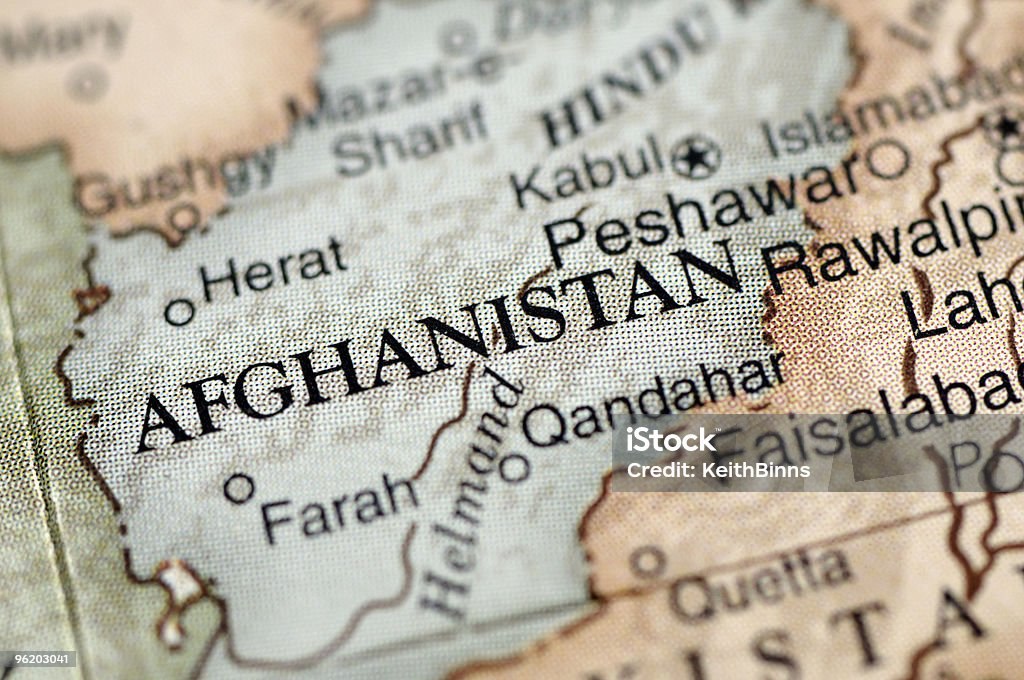
Afghanistan International has reported that the Taliban administration in Afghanistan’s Balkh province has signed new trade agreements with Uzbekistan, signaling a shift in Kabul’s commercial strategy amid growing tensions with Pakistan. According to Haji Zaid, spokesperson for the Taliban-appointed governor in Balkh, Afghan coal will now be exported to Uzbekistan under the newly signed agreements, replacing previous shipments to Pakistan. In exchange, Uzbekistan will export cement and pharmaceuticals to Afghanistan. Zaid stated that the Taliban, in response to border closures and disrupted trade with Pakistan, is seeking to strengthen economic ties with neighboring countries, particularly Uzbekistan and Iran. Persian-language media also reported that Taliban officials are increasingly urging Afghan traders to seek alternative commercial and transit routes. The Taliban’s Ministry of Finance has claimed that the deterioration of trade with Pakistan has had “no negative impact” on Afghanistan’s overall trade volume, asserting that customs revenues have remained stable. The ministry added that it would fully support traders using new trade corridors. However, Afghan economic experts have challenged the Taliban’s claims. Economist Reza Farzam told local media that assertions about Pakistan’s trade freeze having no impact are misleading, arguing that Afghanistan currently lacks sufficient substitutes for its traditional transit infrastructure through Pakistan. Earlier, Pakistan’s Dawn newspaper reported that the month-long closure of the Torkham border crossing caused more than $4.5 billion in economic losses on both sides of the border. The latest agreements build on earlier announcements that Uzbekistan plans to import Afghan coal as part of broader efforts to balance bilateral trade. During a recent visit to Kabul, an Uzbek delegation expressed interest in purchasing coal, resulting in private-sector deals worth $4.5 million. Discussions also covered trade incentives, joint exhibitions, and a proposal from Uzbekistan to construct a cement plant in Afghanistan’s Samangan region. The Taliban administration has further stated that Afghan agricultural products will be exported to Central Asia, South Asia, and Europe via air corridors through Uzbekistan, as part of a wider strategy to diversify the country’s trade routes.

Lukoil ‘Garage Sale’ – Uzbekistan Bows Out, Kazakhstan Keeps Its Options Open

The story of the disposal of foreign assets by Lukoil, which has fallen under U.S. sanctions, is reaching its closing stages. A shortlist of potential buyers has already emerged, and in Kazakhstan intrigue remains: will the country’s national oil and gas company capitalise on the opportunity to acquire Lukoil’s shares in major projects? A recent Reuters report noted that potential buyers of Lukoil’s assets face two key complications: first, U.S. firms, such as Carlyle, Chevron, and Exxon, are seen by analysts as more likely to get licensed, meaning deals will only be recognised after proper U.S. licence approval. Second, Lukoil itself had preferred to sell its assets as a package deal rather than piecemeal.  However, after a deal to offload assets to Guvnor collapsed, several analyses now say a full package sale is unlikely and that piecemeal deals are more realistic or even more profitable. A new negotiation deadline has now been set for December 13, 2025, for the completion of authorised transactions.  Kazakhstan-based oil and gas market observer Oleg Chervinsky suggests that this could increase the likelihood of a “twostage process”. “Most likely, a single buyer with sufficient resources will purchase all of Lukoil’s foreign assets at a significant discount, then sell them off in parts,” Chervinsky said. Some media reports point to the U.S. investment firm Carlyle Group as showing interest in Lukoil’s assets. The firm is considered a plausible main buyer due to its former ties to U.S. presidents Bush senior and junior. In this scenario, Carlyle would act both as buyer and organiser of the subsequent 'garage sale' of individual assets. Other firms, such as Chevron Corporation and ExxonMobil, have already been linked in reports with interest in Lukoil’s Kazakh stakes in the Tengiz and Karachaganak oil fields, while Abu Dhabi National Oil Company (ADNOC) has shown interest in Lukoil’s Uzbek gas projects.  Meanwhile, three weeks ago, Uzbekistan made its position clear: it will not participate in the acquisition of Lukoil’s assets. Uzbekneftegaz Chairman Bahodir Sidikov said that "Buying out Lukoil’s assets in Uzbekistan is not on the table right now.”  In Kazakhstan, energy sector experts believe that this moment presents a real window of opportunity to acquire Lukoil’s shares in systemically important oil and gas projects. “Why hasn’t our Ministry of Energy asked: does the Ministry approve changes in the shareholder structure under the terms of the stabilized contracts for Tengiz and Karachaganak? These shares (if a sale takes place) should go to KazMunayGas. If KMG doesn’t have the cash, then the Chinese state-owned CNPC should be brought in. To balance interests, it would be optimal for one of the world’s largest oil corporations to enter Tengiz and Karachaganak,” argues specialist Olzhas Baidildinov. Baidildinov cited a review by Norway’s Rystad Energy estimating that Lukoil’s net cash flow from its Tengiz stake over the next five years will total $2.8 billion, and from Karachaganak $2.1 billion. However, Kazakhstan’s Energy Minister Erlan Akkenzhenov recently stated that the government is not considering a purchase of Lukoil’s shares. At the same time,...

Uzbekistan to Extend Electricity Supplies to Afghanistan Through 2026

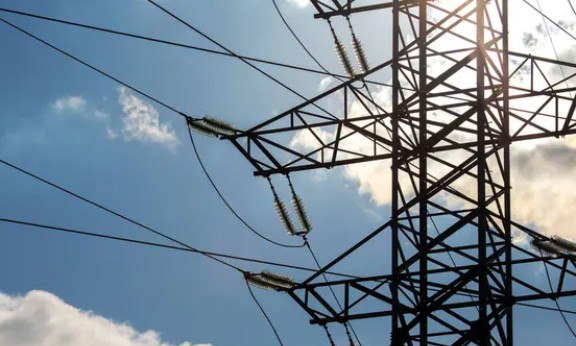
Uzbekistan will continue supplying electricity to Afghanistan in 2026, the Ministry of Energy announced following a bilateral meeting in Tashkent between Uzbek Energy Minister Jorabek Mirzamahmudov and Abdul Bori Umar, Chief Executive of Afghanistan’s state-owned power company Da Afghanistan Breshna Sherkat (DABS). Senior officials from Uzbekistan’s energy sector also participated in the talks. The two sides referenced recent statements by President Shavkat Mirziyoyev at the 80th session of the UN General Assembly and during the Central Asia summit held in Tashkent, where he underscored the importance of supporting the Afghan people and fostering the country’s economic development. Officials said these efforts are helping to reinforce energy cooperation between the neighboring countries. The meeting also covered progress on joint energy infrastructure projects, including the construction of high-voltage transmission lines and substations within Afghanistan. Both sides agreed to accelerate implementation of these facilities. The session concluded with the signing of a new contract extending Uzbekistan’s electricity supply to Afghanistan through 2026. According to the Ministry of Energy, the agreement demonstrates the shared interest of both countries in ensuring stable power delivery and strengthening Afghanistan’s energy infrastructure. Earlier this year, DABS reported that it had signed four contracts worth $243 million with Uzbekistan’s Ministry of Energy, along with partners Nego Energy and Uz Energy. These projects include the extension of the 500-kilovolt Surkhan-Dasht Alwan transmission line, capable of transmitting up to 1,000 megawatts; expansion of the Arghandeh substation to 800 MVA; construction of a new Sheikh Mesri substation in Nangarhar Province; and the extension of the 220-kilovolt Kabul-Nangarhar (Sheikh Mesri) line.

Mirziyoyev and Berdymuhamedov Agree on New Projects as Trade Tops $1 Billion

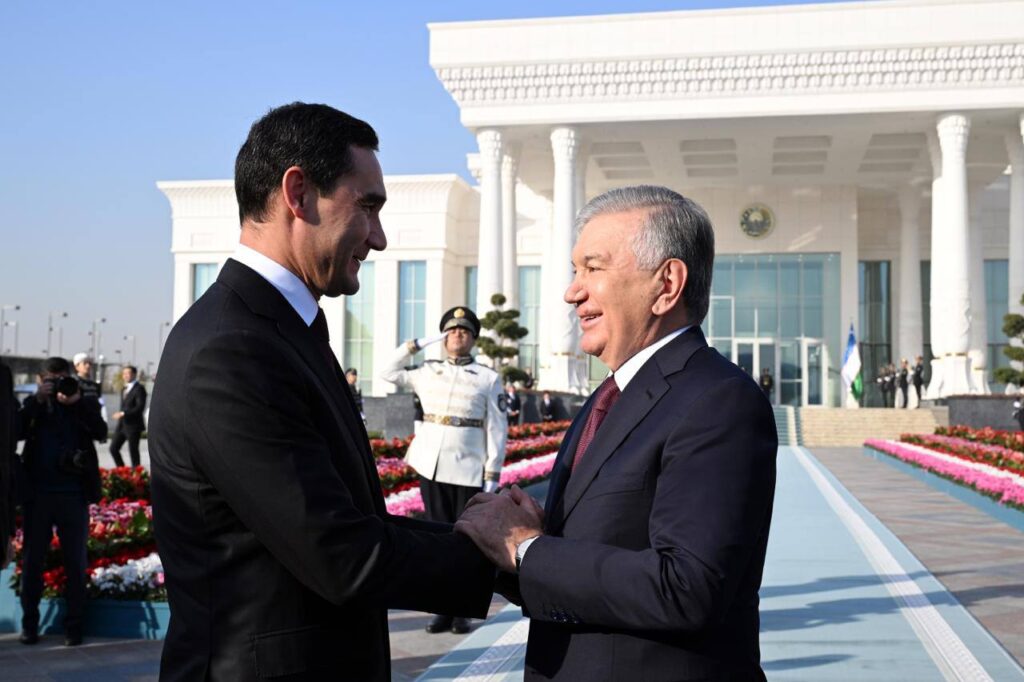
Uzbekistan and Turkmenistan have agreed to deepen political, economic, and humanitarian cooperation following President Serdar Berdymuhamedov’s state visit to Tashkent, where he held talks with President Shavkat Mirziyoyev on November 17. The summit began in a narrow format at the Kuksaroy Residence, where both leaders emphasized the significance of the visit in strengthening the growing strategic partnership. They noted the increasing dialogue across various sectors and highlighted recent cultural initiatives, including the Days of Turkmen Culture and Cinema held in Urgench and Tashkent. Bilateral trade continues to grow, having surpassed $1 billion last year, supported by rising freight flows through the Turkmenbashi port. The presidents explored new opportunities to boost mutual trade and deepen cooperation in industry, energy, transport, mechanical engineering, agriculture, and water management. They also agreed to expand interregional collaboration and to convene the next Forum of Regions in Khiva. Talks then continued in an expanded format with the participation of both delegations. Mirziyoyev stated that the visit reflects the “centuries-old ties of friendship and good neighborliness,” and he praised Turkmenistan’s progress under the leadership of Gurbanguly Berdymuhamedov, Chairman of the Halk Maslahaty. The two sides agreed to work toward increasing trade to $2 billion by expanding the range of goods and more effectively utilizing the free trade regime. They noted that the newly launched Shavat-Dashoguz cross-border trade zone would play a key role in achieving this target and agreed to replicate the model in other regions, starting with the Alat-Farab corridor. Industrial cooperation is set to expand, with both sides encouraging businesses to launch joint projects in sectors such as building materials, pharmaceuticals, and food production. In the energy sector, the two countries plan to embark on larger-scale cooperative projects, including the development of promising natural resource deposits. Transport cooperation will also deepen through joint development of the Turkmenbashi port and the resumption of direct flights between Tashkent and Ashgabat. The presidents instructed their governments to ensure timely implementation of all agreements by holding regular meetings of the Intergovernmental Commission and the Business Council. They also committed to intensifying collaboration in culture, education, youth exchanges, filmmaking, healthcare, and medical science. Following the talks, the leaders jointly inaugurated the Shavat-Dashoguz trade zone, which includes customs, quarantine, and veterinary services, as well as warehouse facilities, a trade pavilion, and public services operating under a single-window system. The zone is expected to significantly boost economic ties between Uzbekistan’s Khorezm region and Turkmenistan’s Dashoguz region, which together are home to more than 3.5 million people. At a ceremony held at Kuksaroy, Berdymuhamedov was awarded the “Oliy Darajali Dustlik” Order, Uzbekistan’s highest state honor. Mirziyoyev said the award reflects Turkmenistan’s contributions to strengthening friendship, trust, and strategic partnership. Berdymuhamedov expressed his gratitude and reaffirmed his commitment to enhancing bilateral relations. The two sides signed a Joint Statement and oversaw the exchange of intergovernmental and interagency agreements covering trade, healthcare, agriculture, transport, biological safety, justice, forestry, and regional cooperation. The Uzbekistan-Turkmenistan summit concluded the same day. As part of his visit, Berdymuhamedov also...

Uzbekistan Revises 2024 GDP to $121.4 Billion

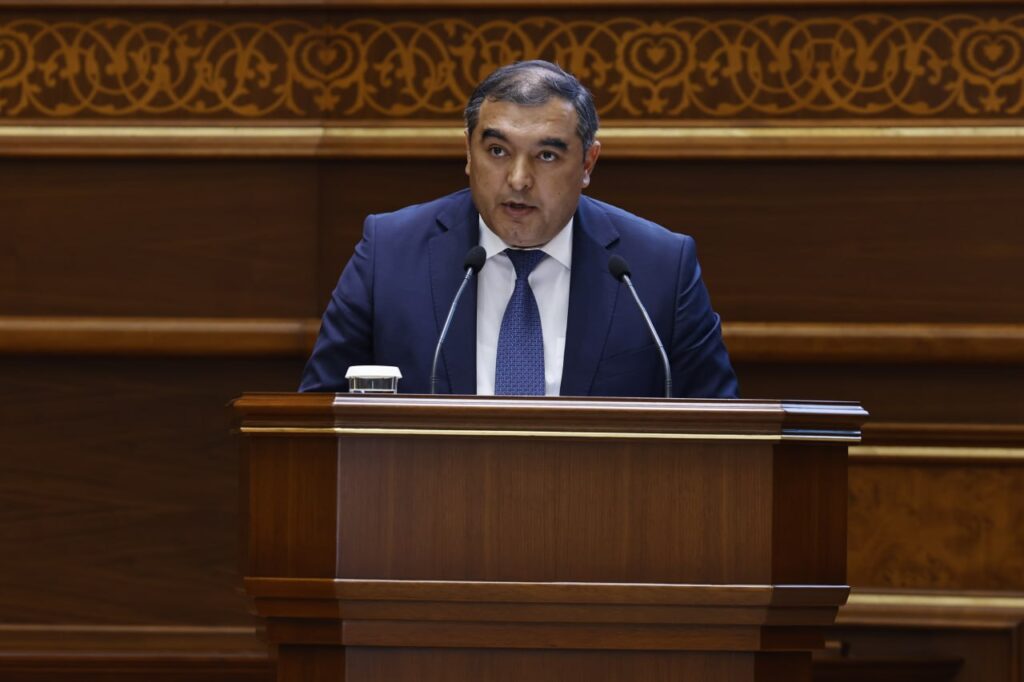
Uzbekistan’s gross domestic product (GDP) for 2024 has been revised upward to $121.4 billion, according to Behzod Hamroyev, Chair of the National Statistics Committee. The new figure was announced on November 17 during an international conference in Tashkent, as reported by the Statistika channel. Hamroyev explained that the revision reflects newly identified value added across key sectors of the economy. According to the final calculations, Uzbekistan’s nominal GDP for 2024 rose from 1,454.6 trillion soums to 1,535.4 trillion soums, an increase of 80.9 trillion soums, or 5.6%. In dollar terms, this marks an upward revision from the previously reported $115.0 billion to $121.4 billion. Following the recalculation, GDP per capita in 2024 reached 41.3 million soums. Hamroyev highlighted that full coverage of state budget execution led to the identification of 36.4 trillion soums in additional newly created value. Sector-specific revisions also contributed significantly: added value in industry rose by 12.7 trillion soums, agriculture by 5.6 trillion soums, construction by 10.3 trillion soums, and services by 16.3 trillion soums. Earlier this year, presidential spokesperson Sherzod Asadov reported that Uzbekistan’s GDP grew by 6.5% in 2024, reaching $115 billion before the revision. He also noted that foreign investment increased by 1.6 times to $34.9 billion, with 242 large and medium-sized projects worth $10 billion launched. National exports reached a record $27 billion.