• KGS/USD = 0.01144 0%
  • KZT/USD = 0.00209 0%
  • TJS/USD = 0.10438 0%
  • UZS/USD = 0.00008 0%
  • TMT/USD = 0.28490 0%
  • KGS/USD = 0.01144 0%
  • KZT/USD = 0.00209 0%
  • TJS/USD = 0.10438 0%
  • UZS/USD = 0.00008 0%
  • TMT/USD = 0.28490 0%
  • KGS/USD = 0.01144 0%
  • KZT/USD = 0.00209 0%
  • TJS/USD = 0.10438 0%
  • UZS/USD = 0.00008 0%
  • TMT/USD = 0.28490 0%
  • KGS/USD = 0.01144 0%
  • KZT/USD = 0.00209 0%
  • TJS/USD = 0.10438 0%
  • UZS/USD = 0.00008 0%
  • TMT/USD = 0.28490 0%
  • KGS/USD = 0.01144 0%
  • KZT/USD = 0.00209 0%
  • TJS/USD = 0.10438 0%
  • UZS/USD = 0.00008 0%
  • TMT/USD = 0.28490 0%
  • KGS/USD = 0.01144 0%
  • KZT/USD = 0.00209 0%
  • TJS/USD = 0.10438 0%
  • UZS/USD = 0.00008 0%
  • TMT/USD = 0.28490 0%
  • KGS/USD = 0.01144 0%
  • KZT/USD = 0.00209 0%
  • TJS/USD = 0.10438 0%
  • UZS/USD = 0.00008 0%
  • TMT/USD = 0.28490 0%
  • KGS/USD = 0.01144 0%
  • KZT/USD = 0.00209 0%
  • TJS/USD = 0.10438 0%
  • UZS/USD = 0.00008 0%
  • TMT/USD = 0.28490 0%

Viewing results 463 - 468 of 968

First Electric Vehicles Roll Off China’s BYD Assembly Line in Uzbekistan

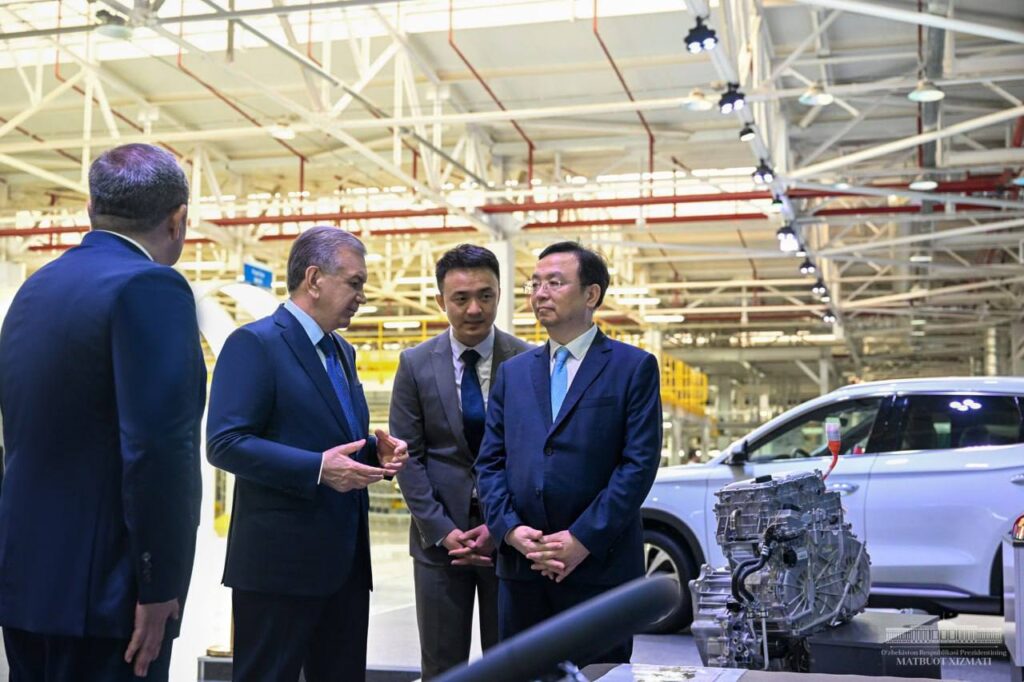
On June 27, Uzbekistan President Shavkat Mirziyoyev joined his Chinese partners in witnessing the start of production of electric vehicles at the BYD Uzbekistan Factory in Jizzakh. The visit marked the completion of first phase of the project which will have the capacity to manufacture 50,000 electric vehicles per year. Costing $160 million, the plant is furnished with modern equipment and robotic systems from China, as well as a laboratory for high-precision testing of the geometric dimensions of electric vehicles. The plant currently manufactures the Chazor and Song Plus Champion and President Mirziyoyev left his signature on the first electric car that rolled off the assembly line. In the coming years, the range of models will expand. During the second phase, costing $300 million, manufacture will increase to up to 200 thousand electric vehicles per year, and in the third stage, at a further cost of $500 million, up to 500 thousand vehicles. In tandem with the rising volume of vehicles produced at the plant,  local production of related parts will also increase. Starting with bumpers, glass, varnished and plastic parts, plans are in place to establish new enterprises to produce batteries, electric motors, aluminium parts, tires, and seats. The plant currently employs 1.2 thousand people and once all three stages are complete, the number of jobs will reach 10 thousand.    
Uzbekistan Unveils Development Plan for Copper Industry Cluster

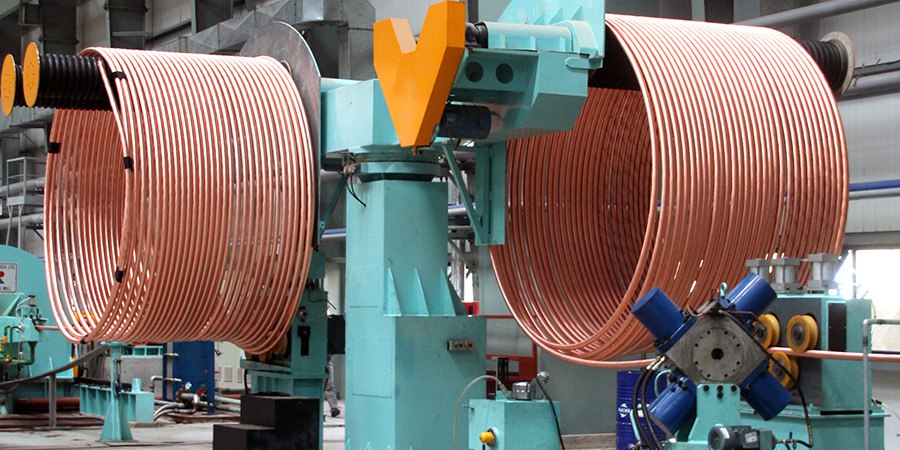
The Uzbek Cabinet of Ministers has announced its draft decision “On the concept of copper industry cluster development aimed at creating multi-stage added value chains from raw materials to finished products.” As part of this decision, documents for the development concept for the copper industry cluster in Uzbekistan until 2030 and the procedure for accommodating investors within the cluster's territory are set to be approved. The adoption and implementation of this decision and its underlying concept are expected to yield the following results by 2030: annual copper production will reach 400,000 tons, with over 300,000 tons processed within the industry. Additionally, attracting $1.5 billion in investments for localizing the production of electrical engineering and household appliances will increase the total production volume to $8 billion. Uzbekistan is looking to attract both domestic and foreign investment to produce finished and semi-finished copper products within the cluster. Additionally, implementing copper processing projects within the cluster will increase the copper raw material processing rate to 80%. This will boost the export volume of high-value-added finished products and services and establish a system for training and upgrading highly qualified personnel in the mining and metallurgical industries. Creating new production facilities within the cluster will generate more than 10,000 jobs.

Mirziyoyev Discusses Cooperation with Russian Minister of Internal Affairs

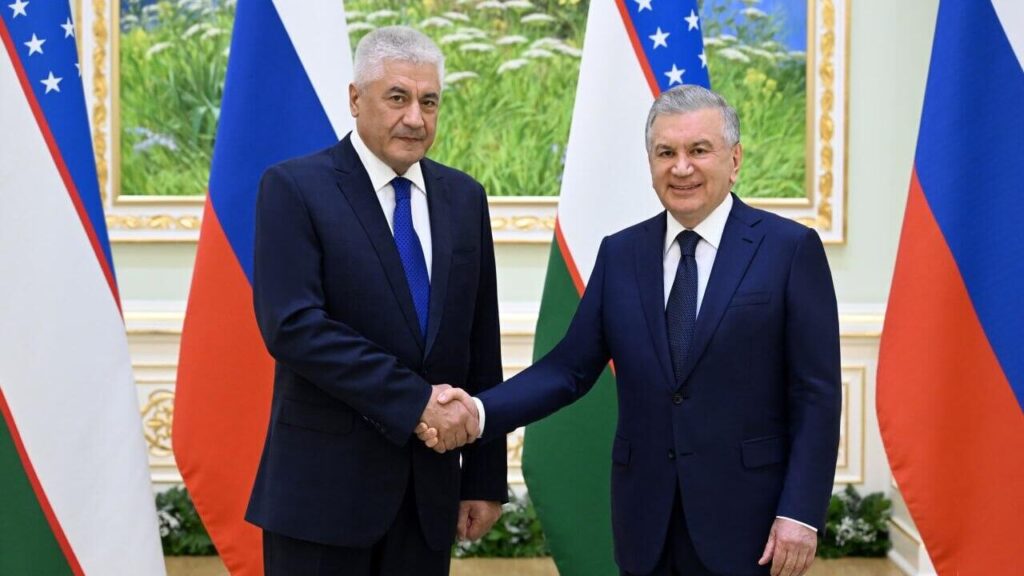
On June 25, Shavkat Mirziyoyev received the Russian Minister of Internal Affairs, Vladimir Kolokolsev, who was in Uzbekistan on a business visit, the president’s press service has reported. At the outset of the meeting, Mirziyoyev expressed his condolences and words of encouragement to the family members of the law enforcement officers who died in the recent terrorist attack in Dagestan. During the meeting, the practical implementation of agreements between the two countries was high on the agenda. Current aspects of cooperation in the fight against terrorism, extremism, drug trafficking, organized crime, cyber security and digital expertise were discussed. Particular attention was paid to the issue of increasing the effectiveness of cooperation mechanisms in the field of migration. On the same day, Ziroat Mirziyoyeva, the First Lady of Uzbekistan and chairman of the board of trustees of the Zamin Foundation, met with Hans Kluge, the director of the European regional office of the World Health Organization. At the meeting, issues of cooperation between the World Health Organization and the Zamin Foundation on improving children's medical services, including those suffering from oncological diseases, their rehabilitation, and the development of palliative care in Uzbekistan were discussed. Special attention was paid to developing and improving environmental protections, including the involvement of international experts in developing international air quality and drinking water quality standards.

Uzbekistan and Mongolia to Develop Multifaceted Cooperation

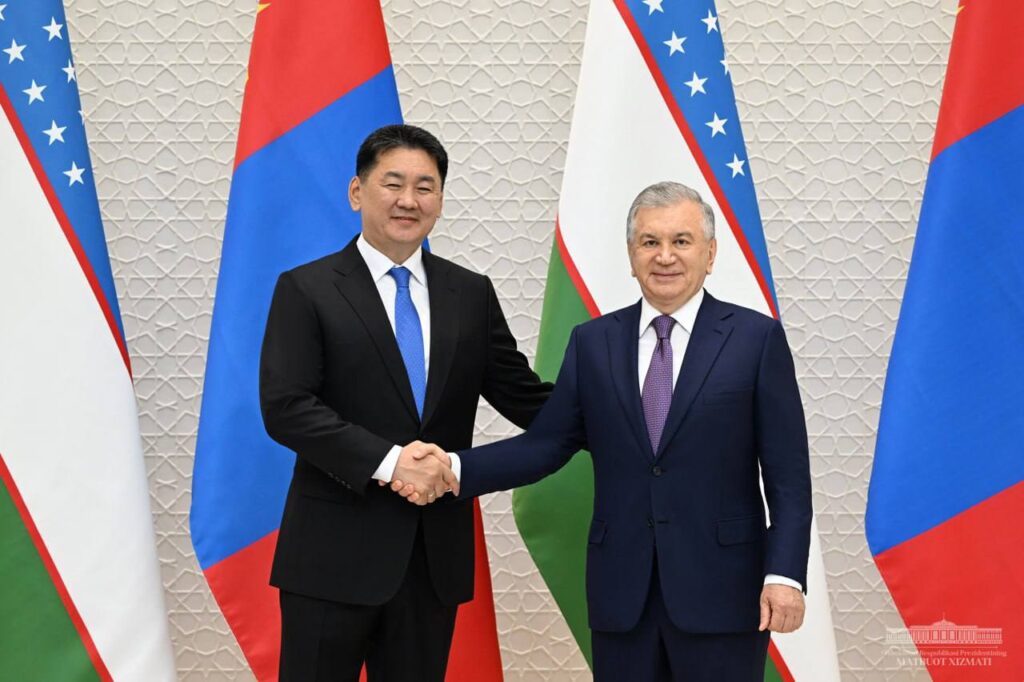
On June 24, the first state visit of President of Mongolia Ukhnaagiin Khurelsukh opened a new page in the development of Uzbek-Mongolian relations. Following negotiations in Taskent between President of Mongolia Ukhnaagiin Khurelsukh  and President of Uzbekistan Shavkat Mirziyoyev,  on deepening trade and economic cooperation, plans were announced to increase bilateral trade 5 to 10-fold in the coming years. The two leaders tasked their governments to create a joint working group on increasing trade turnover, opening official trading houses in Ulaanbaatar and Tashkent, preparing an Agreement on Preferential Trade, and instigating proposals for simplifying access to both countries’ markets. President Mirziyoyev proposed adopting a medium-term Industrial Cooperation Program, with priority given to identifying partnership in geological exploration, development, and processing of raw materials. In addition, it was mooted that comprehensive cooperation be established in agriculture and related industries and plans were discussed on the launch of large joint livestock complexes in Karakalpakstan, Namangan, and other regions of Uzbekistan. Proposals have already been prepared for the import of meat and related processed products from Mongolia, and in return, poultry meat, fruit, vegetables and other agricultural products from Uzbekistan. Negotiations concluded with an agreement to prepare a roadmap for the implementation of the above. The Mongolian president’s visit also included an Uzbek-Mongolian business forum attended by heads of ministries, government agencies, industry associations, and over 150 representatives from leading companies of both countries. As reported by the Uzbek Ministry of Investment, Industry and Trade, the forum identified several prospective avenues for increasing trade and economic partnerships in mining, agriculture, construction materials, healthcare, pharmaceuticals, food, and banking. Initiatives for the joint exploration of new rare metal and basalt deposits, as well as the creation of joint livestock and agro-clusters aimed at exporting produce were earmarked as particularly promising. Dashzeveg Enkhtuvshin, President of the National Chamber of Commerce and Industry of Mongolia, lauded the potential for expanding trade, investment, and industrial collaboration between the two countries, and encouraged entrepreneurs to intensify their interactions and pursue ambitious joint ventures.    

U.S. Ranks Among Top Ten in Uzbekistan’s Foreign Trade Turnover

The Statistics Agency of Uzbekistan has presented information on the country’s foreign trade turnover for January - May 2024. The republic’s foreign trade turnover (FTT) reached $26.7 billion during the reporting period. The volume of exports was $10.8 billion, and the volume of imports was $15.8 billion. Compared to the same period last year, the volume of exports increased by 1.9%, and the volume of imports increased by 3.7%. Uzbekistan's negative foreign trade balance has reached $5 billion. China has retained its position as Uzbekistan's largest trading partner. During the reporting period, the volume of mutual trade reached $5 billion, which is 18.9 % of the republic's total foreign trade turnover. A significant segment of foreign trade turnover was also registered with Russia (17.9%), Kazakhstan (5.9%), Turkey (4.5%), and South Korea (3.4%). Top 10 countries with the highest share in foreign trade turnover of Uzbekistan in January-May 2024 were: China – $5.05 billion; Russia – $4.78 billion; Kazakhstan – $1.58 billion; Turkey – $1.19 billion; Korea – $920 million; France – $471 million; Turkmenistan – $455 million; Germany – $426 million; the USA – $386 million; and Afghanistan – $382 million. For the five months in question, exports without gold increased by 5.9%, almost $6.58 billion. During this period, the share of gold exports decreased from 40.3% to 38.6 %, or $4.2 billion. Furthermore, the share of industrial products in total exports rose from 15.8% to 15.9%, chemicals from 4.3% to 5.6%, mineral fuels from 3% to 3.2%, and machinery and transport equipment from 4.5% to 4.6%, whilst the share of food products and live animals decreased from 6.3% to 5.8%. Machinery and transport equipment (37.3 %), industrial goods (15.2 %), and chemicals and similar products (12.3 %) accounted for the largest share of imports.

Decline in Uzbekistan’s Production of Natural Gas, Oil and Coal

According to data released by the Statistics Agency of Uzbekistan, from January – May, the country’s production of natural gas amounted to 18.8 billion cubic meters, one billion cubic meters less than in the same period last year. Natural gas production in Uzbekistan has seen a steady decline in recent years and from 2019-23, fell by 22.8 percent. In 2022, gas production decreased from 53.8 billion to 51.67 billion cubic meters, or 4%, and in 2023, from 51.67 billion to 46.71 billion cubic meters, or 9.6%. To compensate for the drop in domestic production, Uzbekistan has increased its import of natural gas from Turkmenistan and Russia. In the first 5 months of this year, Uzbekistan also saw a decrease in coal and oil production. Coal production fell by 73 thousand tons, to 1.9 million tons, and oil production, by 22 thousand tons, to 305 thousand tons.