• KGS/USD = 0.01144 0%
  • KZT/USD = 0.00212 0%
  • TJS/USD = 0.10456 0.19%
  • UZS/USD = 0.00008 0%
  • TMT/USD = 0.28490 0%
  • KGS/USD = 0.01144 0%
  • KZT/USD = 0.00212 0%
  • TJS/USD = 0.10456 0.19%
  • UZS/USD = 0.00008 0%
  • TMT/USD = 0.28490 0%
  • KGS/USD = 0.01144 0%
  • KZT/USD = 0.00212 0%
  • TJS/USD = 0.10456 0.19%
  • UZS/USD = 0.00008 0%
  • TMT/USD = 0.28490 0%
  • KGS/USD = 0.01144 0%
  • KZT/USD = 0.00212 0%
  • TJS/USD = 0.10456 0.19%
  • UZS/USD = 0.00008 0%
  • TMT/USD = 0.28490 0%
  • KGS/USD = 0.01144 0%
  • KZT/USD = 0.00212 0%
  • TJS/USD = 0.10456 0.19%
  • UZS/USD = 0.00008 0%
  • TMT/USD = 0.28490 0%
  • KGS/USD = 0.01144 0%
  • KZT/USD = 0.00212 0%
  • TJS/USD = 0.10456 0.19%
  • UZS/USD = 0.00008 0%
  • TMT/USD = 0.28490 0%
  • KGS/USD = 0.01144 0%
  • KZT/USD = 0.00212 0%
  • TJS/USD = 0.10456 0.19%
  • UZS/USD = 0.00008 0%
  • TMT/USD = 0.28490 0%
  • KGS/USD = 0.01144 0%
  • KZT/USD = 0.00212 0%
  • TJS/USD = 0.10456 0.19%
  • UZS/USD = 0.00008 0%
  • TMT/USD = 0.28490 0%

Viewing results 439 - 444 of 1139

Bakyt Baketayev: Organization of Turkic States Is About Investment, Not Politics

The 11th summit of the Organization of Turkic States (OTS), which includes Kyrgyzstan, Kazakhstan, Uzbekistan, Turkmenistan, Azerbaijan, Turkey, and Hungary (as an observer), was held in Bishkek, Kyrgyzstan's capital. Speaking with The Times of Central Asia, Kyrgyz political analyst Bakyt Baketayev noted that the OTS was initially created on a cultural and linguistic basis. However, the turbulent geopolitical situation in the world gave the organization impetus for its current development. “The catalyst for the development of the OTS was the geopolitical situation and military-political events in the world. At the beginning of the organization's work - in 2009 - the countries worked on cultural programs and common spiritual issues uniting Turkic peoples. Today, the members of the OTS already cooperate at the level of governments, ministries, and agencies and discuss economic issues,” Baketayev said. Baketayev drew attention to the composition of the Organization of Turkic States. It includes countries representing different economic and political associations: NATO (Turkey), the European Union (Hungary), and the EAEU (Kyrgyzstan and Kazakhstan). “We should not expect any big results from the OTS summit. There will be no common political statements - the countries are scattered geographically and have different interests. But from the economic point of view of trade development and investment development, concrete steps are quite possible,” Baketayev said. The analyst is confident that the Organisation of Turkic States will help overcome problems related to hydropower and the lack of water resources in Central Asia. If the heads of state have common economic interests, they will be more likely to reach an agreement.
Central Asia Gears Up For Another Trump Term

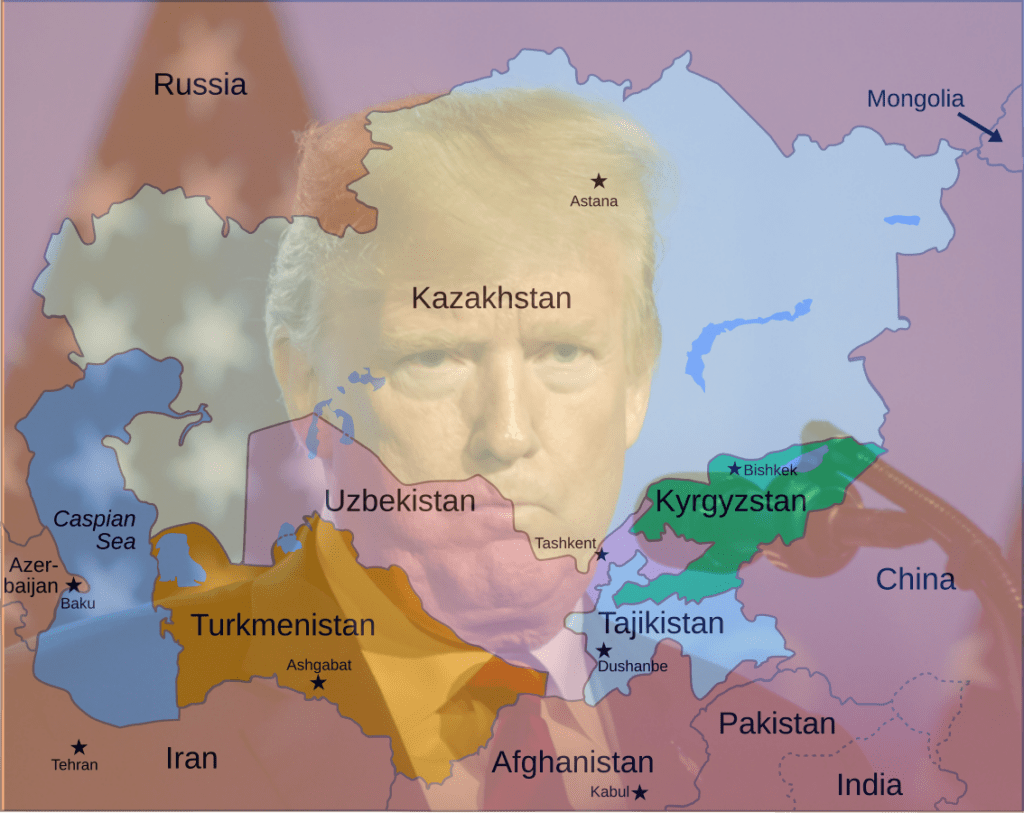
Leaders in Central Asia have congratulated Donald Trump on his election to another term as U.S. president, a development that governments in the region will watch closely for its impact on trade, geopolitical tensions and other priorities. Central Asian governments generally seek to balance their relationships with the West alongside more entrenched ties to nearby Russia and China, and are likely to be sensitive to any disruption of the status quo as the United States transitions from the Biden administration to another Trump term. Trump defeated Vice President Kamala Harris in the election on Tuesday, making an extraordinary political comeback and promising that he will deliver “the golden age of America.” Uzbek President Shavkat Mirziyoyev sent a message of congratulations to Trump in which he reaffirmed Uzbekistan’s commitment to “deepening the strategic partnership” with the United States, Mirziyoyev’s press office said in a statement. “In his letter, he emphasized shared goals for enhanced cooperation across trade, security, and regional stability, marking a new chapter” in relations between Uzbekistan and the United States, the statement said. Last week, Uzbekistan wrapped up talks with the United States as part of its campaign to join the World Trade Organization by early 2026. President Sadyr Japarov of Kyrgyzstan sent a similar message, according to media reports. "I believe that your leadership experience and deep knowledge will create opportunities for further deepening of comprehensive cooperation between Kyrgyzstan and the United States of America, based on the principles of mutual respect,” Japarov said. In comments relayed to Trump, Kazakh President Kassym-Jomart Tokayev “expressed confidence that bilateral cooperation in the areas of security, nuclear non-proliferation, and investment would continue to develop consistently,” his office said. Tokayev wished Trump success in efforts to ensure “global stability and security.” There is likely to be basic continuity on matters such as anti-terror cooperation and a stated commitment to trade relations between the U.S. and Central Asia. However, one area of uncertainty is Trump’s warning that he will intensify tariffs on U.S. imports of goods from China, a major economic player across Central Asia. That, in turn, could lead to major fallout for the global economy. Another prominent question is whether Trump will push Western-backed Ukraine to reach a peace deal with Russia nearly three years after Russia’s full-scale invasion. Central Asian nations – specifically, the five former Soviet republics of Kazakhstan, Kyrgyzstan, Turkmenistan, Tajikistan and Uzbekistan – have sought a position of neutrality, maintaining their relationships with Russia without offering clear support for the Russian military campaign. Relationships in the region might be due for recalibration if Russian President Vladimir Putin emerges emboldened from any Trump initiative in the conflict. Tokayev has already called for peace efforts to bring the war to an end, describing Russia as “militarily invincible.” There are concerns that Trump will erode U.S. democratic institutions in his second term, a potential disappointment for groups that would like to see the U.S. campaign harder for democratic freedoms in Central Asia. Trump has also promised mass deportations and...

Kyrgyzstan Hosts Summit of Organization of Turkic States

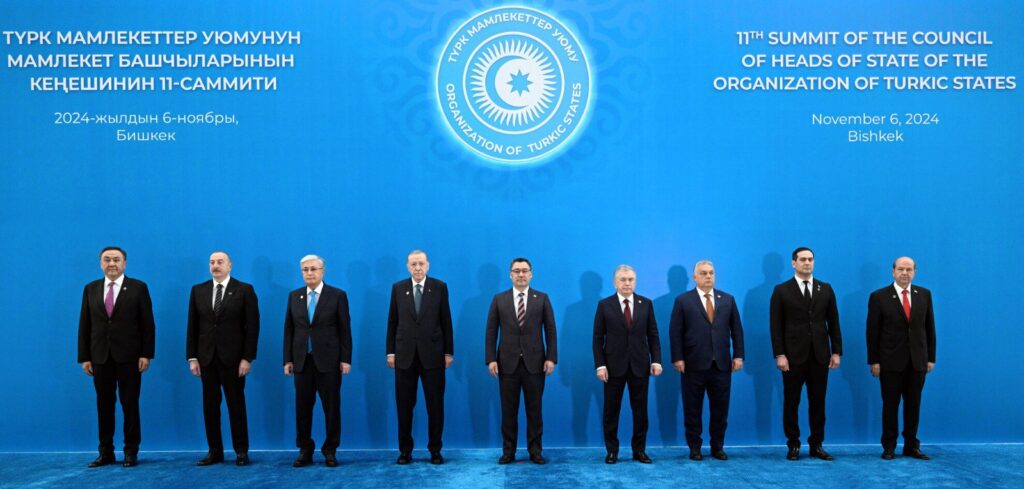
On November 6, Bishkek hosted the 11th Summit of the Council of Heads of State of the Organization of Turkic States (OTS). Chaired by Kyrgyzstan's President Sadyr Japarov and themed “Empowering the Turkic World: Economic Integration, Sustainable Development, Digital Future, and Security for All,” the summit was attended by President of Azerbaijan Ilham Aliyev, President of Kazakhstan Kassym-Jomart Tokayev, President of Turkey Recep Tayyip Erdoğan, President of Uzbekistan Shavkat Mirziyoyev, and Viktor Orbán, the Prime Minister of Hungary (observer state of the OTS). At the summit, the OTS chairmanship passed from Kazakhstan to Kyrgyzstan. In his speech, Kazakhstan's Tokayev summarized the results of his country's chairmanship of the OTS. Tokayev noted that Kazakhstan's chairmanship of the Organization of Turkic States was held under the motto "TURKTIME!" with special attention paid to strengthening the unity of the Turkic world and expanding comprehensive cooperation. Tokayev said that over the past 10 years, economic ties between the OTS members have strengthened significantly, and their trade volume exceeded $45 billion in 2024. According to Tokayev, strengthening transport and logistics ties within the OTS is a priority task. “It is necessary to fully utilize the potential of the Middle Corridor, which is strategically important for the further economic development of the Turkic world. Therefore, it seems necessary to agree to ensure the sustainable development of cargo transportation along this route.” Addressing the summit as the new chairman of the OTS, Japarov emphasized that the Organization has the unique potential to achieve high goals, strengthen its position in the international arena, intensify mutually beneficial cooperation, and create favorable conditions for the prosperity of its people. According to Japarov, during its chairmanship of the OTS, Kyrgyzstan will make every effort to develop economic partnership, sustainable development, digital integration, and strengthening common security. To expand trade and economic cooperation, negotiations will be initiated on intergovernmental agreements in services, finance, the creation and support of common labor markets, digital and e-commerce, intellectual property, agriculture, technology, innovation, tourism, and education. Japarov supported signing the Agreement on Partnership in the Field of Digital Economy, which will facilitate digital trade between the Turkic states. Joint measures to combat the challenges associated with climate change and environmental pollution will be one key area of Kyrgyzstan's chairmanship. According to Japarov, over the past 70 years, the area of glaciers in Kyrgyzstan has decreased by 16%. These glaciers are a source of drinking water for Kyrgyzstan and the entire Central Asian region. “Considering that our region is among the most vulnerable to global warming, by 2100, we may lose more than half of the glaciers,” the Kyrgyz president warned, adding that “we will develop cooperation in the implementation of joint green projects in the field of renewable energy, forest restoration, the introduction of resource-saving and energy-efficient technologies, the protection of glaciers and biological species, as well as the fight against land degradation and desertification.” Addressing the summit, Turkey's Erdoğan said: “I wholeheartedly believe that the decisions we will make today to achieve the targets we...

New Guzor to Beinau Highway Brings Uzbekistan Closer to Europe

Uzbekistan has completed a new 240-kilometer section of the A380 highway connecting the cities of Guzor, Bukhara, Nukus, and Beineu, passing through the Kungirot district of Karakalpakstan. The road, built with a cement-concrete coating, is a strategic road connecting Uzbekistan with Europe. The Asian Development Bank allocated $274.9 million to the construction, while Uzbekistan contributed $108.5 million. Turkish and Azerbaijani companies managed the first 120 kilometers of the road, with Chinese companies managing the rest. The highway aims to boost the capacity and quality of international and national highways, cutting road maintenance costs by 2.5 times. This new road will reduce travel time by 2.2 times, double transit traffic, cut fatal accidents by half, and contribute to regional GDP growth. It will also reduce Uzbekistan's international transport distance to 1,000 kilometers, lowering shipping costs by 25%. New trade and service centers are planned alongside the highway, initially creating 2,000 jobs and an additional 5,000 expected. This development is projected to boost Karakalpakstan’s annual transit and service revenue by $200 million and exports by at least $300 million.

Germany Closes Money Laundering Case Against Uzbek-Russian Billionaire Usmanov

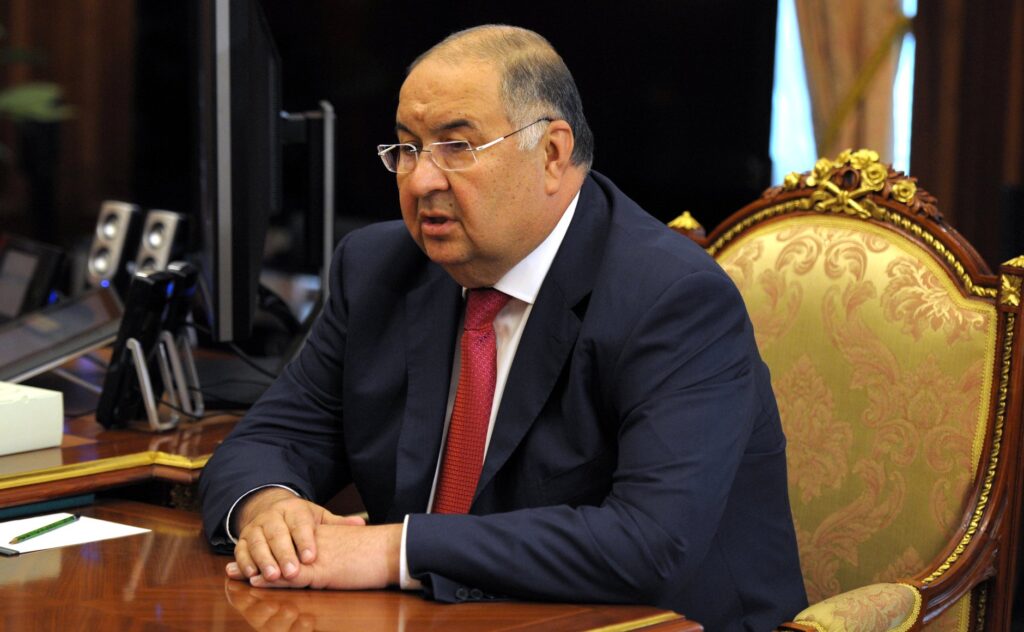
The Frankfurt Prosecutor’s Office has completed its money laundering investigation against Uzbek-Russian businessman Alisher Usmanov. The case was settled on October 11, 2024, when Usmanov agreed to pay 1.5 million euros to non-profit organizations and 2.5 million euros to the German treasury. When these payments are completed, the case will be completely closed. Prosecutors say the alleged actions in question occurred long ago and did not cause financial damage in Germany. This decision was made under section 153a of the German Criminal Procedure Code, which allows cases to be dropped if the crime is minor and prosecution isn’t in the public interest. Usmanov’s lawyers praised the result, calling it a step towards restoring his reputation. They noted that the investigation found no evidence to support money laundering charges. Usmanov has now decided not to file a counter lawsuit against prosecutors or demand damages. In 2022, a Frankfurt court deemed the searches of properties linked to Usmanov in Germany illegal, and all seized items were ordered to be returned. However, in 2023, the German Constitutional Court declined Usmanov’s complaint over the searches, stating that he had not exhausted all legal options before filing the complaint. Previously, The Times of Central Asia reported that the news from the Hamburg court about Usmanov as broadcast by the German TV channel ARD was found to be unreliable. ARD accused Usmanov of creating a system of bribing International Fencing Federation (FIE) judges. According to the report, the court found the information published by the ARD channel unreliable and banned its distribution as “inappropriate news based on suspicion.” If the court order is violated, the party found to be in violation can be fined up to 250,000 euros per episode or face imprisonment.

Uzbekistan and China Strengthen Partnership in Nuclear Energy Development

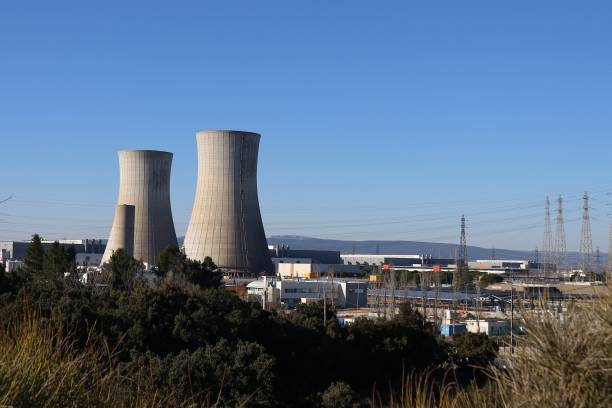
On November 4 during Uzbekistan’s participation in EXPO 2024 in Shanghai, Uzbekistan’s Atomic Energy Agency officials met with Wei Fuqi, General Director of the China National Nuclear Corporation Overseas Ltd (CNOS). They discussed opportunities for collaboration in nuclear energy and other potential joint projects. The Uzbek officials and CNOS reached agreements on cooperation in the peaceful use of nuclear energy, a detailed review of the possibilities of adopting China’s advanced experience in nuclear power plant construction, and studying the possibilities of using China’s small modular reactors. The parties also talked about cooperating to expand uranium ore mining capacity, processing, production and export of finished products with high added value, and subsequent fuel use in nuclear power plants. Uzbekistan is consistently reforming its nuclear program. China has confirmed that it is interested in strengthening bilateral relations in all areas of nuclear technology.