• KGS/USD = 0.01144 0%
  • KZT/USD = 0.00209 0%
  • TJS/USD = 0.10438 0%
  • UZS/USD = 0.00008 0%
  • TMT/USD = 0.28490 0%
  • KGS/USD = 0.01144 0%
  • KZT/USD = 0.00209 0%
  • TJS/USD = 0.10438 0%
  • UZS/USD = 0.00008 0%
  • TMT/USD = 0.28490 0%
  • KGS/USD = 0.01144 0%
  • KZT/USD = 0.00209 0%
  • TJS/USD = 0.10438 0%
  • UZS/USD = 0.00008 0%
  • TMT/USD = 0.28490 0%
  • KGS/USD = 0.01144 0%
  • KZT/USD = 0.00209 0%
  • TJS/USD = 0.10438 0%
  • UZS/USD = 0.00008 0%
  • TMT/USD = 0.28490 0%
  • KGS/USD = 0.01144 0%
  • KZT/USD = 0.00209 0%
  • TJS/USD = 0.10438 0%
  • UZS/USD = 0.00008 0%
  • TMT/USD = 0.28490 0%
  • KGS/USD = 0.01144 0%
  • KZT/USD = 0.00209 0%
  • TJS/USD = 0.10438 0%
  • UZS/USD = 0.00008 0%
  • TMT/USD = 0.28490 0%
  • KGS/USD = 0.01144 0%
  • KZT/USD = 0.00209 0%
  • TJS/USD = 0.10438 0%
  • UZS/USD = 0.00008 0%
  • TMT/USD = 0.28490 0%
  • KGS/USD = 0.01144 0%
  • KZT/USD = 0.00209 0%
  • TJS/USD = 0.10438 0%
  • UZS/USD = 0.00008 0%
  • TMT/USD = 0.28490 0%

Viewing results 433 - 438 of 1136

Central Asia and South Korea Seek to Expand Cooperation

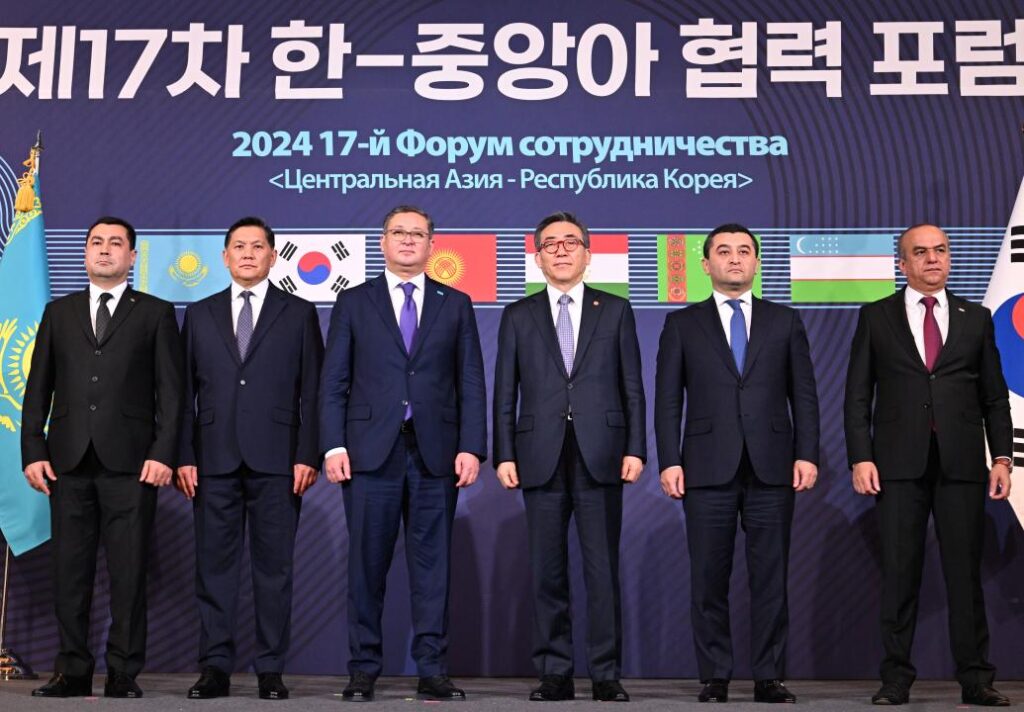
The 17th Central Asia–Republic of Korea Cooperation Forum, which took place in Seoul on November 4, addressed key areas of partnership between Central Asian countries and South Korea in sectors such as transport and logistics, energy, critical minerals, digital transformation, environmental issues, and tourism. Speaking at the forum, Kazakhstan’s Minister of Foreign Affairs, Murat Nurtleu, emphasized the importance of transport connectivity for the region’s sustainable economic growth. Kazakhstan is developing the Trans-Caspian International Transport Route to ensure safe and efficient cargo transportation from Asia to Europe. The Kazakh minister invited Korean companies to participate in major projects to expand the route’s capacity to 10 million tons of cargo annually. Addressing energy cooperation, Nurtleu highlighted Kazakhstan’s abundant natural resources, including rare earth metals and uranium. The Kazakh Foreign Minister expressed hope that Korean companies would join projects for resource extraction and processing and participate in a consortium to construct a nuclear power plant in Kazakhstan. Nurtleu stated, "Central Asian countries and the Republic of Korea are natural partners connected by a shared history, Altai heritage, and traditional trade relations dating back to the Silk Road era. The Republic of Korea is increasingly vital in the economic and technological development of the entire Central Asian region.” At the forum, Kyrgyzstan’s First Deputy Minister of Foreign Affairs, Asein Isaev, highlighted the growing role of South Korea as a high-tech nation interested in strengthening supply chains for energy resources and rare earth metals and developing transport and logistics routes with Kyrgyzstan and other Central Asian countries. As part of the forum, South Korea's President Yoon Suk Yeol met with the heads of Central Asian delegations and pointed out Korea’s interest in strengthening relations with Central Asian countries through the K-Silk Road initiative. This strategic program supports Korean infrastructure development in Central Asia in exchange for improved access to the region’s raw materials and critical minerals. During his visit to Kazakhstan in June, Yoon Suk Yeol emphasized the importance of strengthening the strategic partnership between Kazakhstan and South Korea to supply critical minerals.
Regional Civil Aviation Organization Established for the First Time in Central Asia

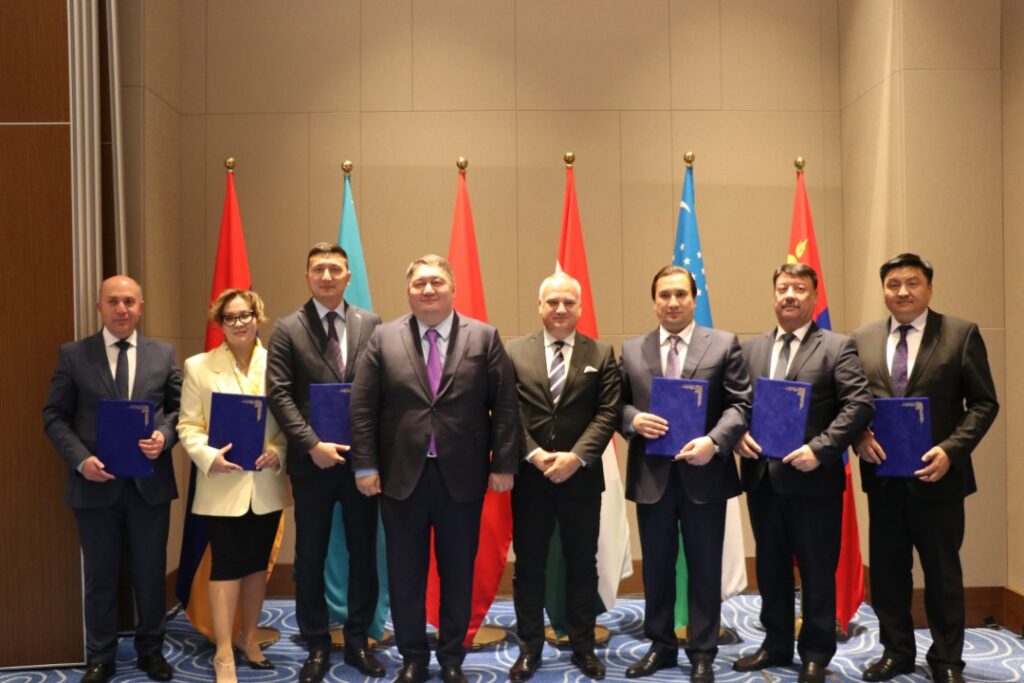
The Eurasian Civil Aviation Conference (EACAC) has held its first meeting in Almaty, with the participation of the aviation authorities from participating countries. The meeting included participants from Armenia, Kazakhstan, Kyrgyzstan, Tajikistan and Uzbekistan, who discussed joint initiatives to strengthen cooperation in flight safety and sustainable aviation development. Representatives from Mongolia also participated as observers. Opening the event, Vice Minister of Transport of Kazakhstan, Talgat Lastayev, noted that EACAC will become a platform to share experiences and address issues related to future challenges in civil aviation. During the meeting, a declaration on the establishment of EACAC was signed, and the document was certified by the Chairman of the Civil Aviation Committee, Saltanat Tompieva, from Kazakhstan. EACAC will allow for the consolidated expression of positions within the framework of interactions with such institutions as the ICAO, the European Commission, IATA, and other international organizations. Katalin Radu, Director General of the Aviation Administration of Kazakhstan, stressed that the new organization would ensure unity in the positions of member countries in the international aviation arena and strengthen cooperation with such associations as ACAO, AFCAC, ECAC, and LACAC. Key tasks of EACAC include the coordination of regional efforts in aviation security, creating common standards, developing unmanned aviation, and training personnel. The initiative was first announced in May 2023 during Kazakhstan's first Aviation Dialogue, “Energy Transition for Sustainable Development and Realization of Central Asia's Transit Potential.” In April 2024, the project was presented during the Directors General of Civil Aviation meeting of the European and North Atlantic Bureau of ICAO (EURNAT-DGCA) in Toulouse, France.

Uzbekistan and EU Look to New Areas of Cooperation

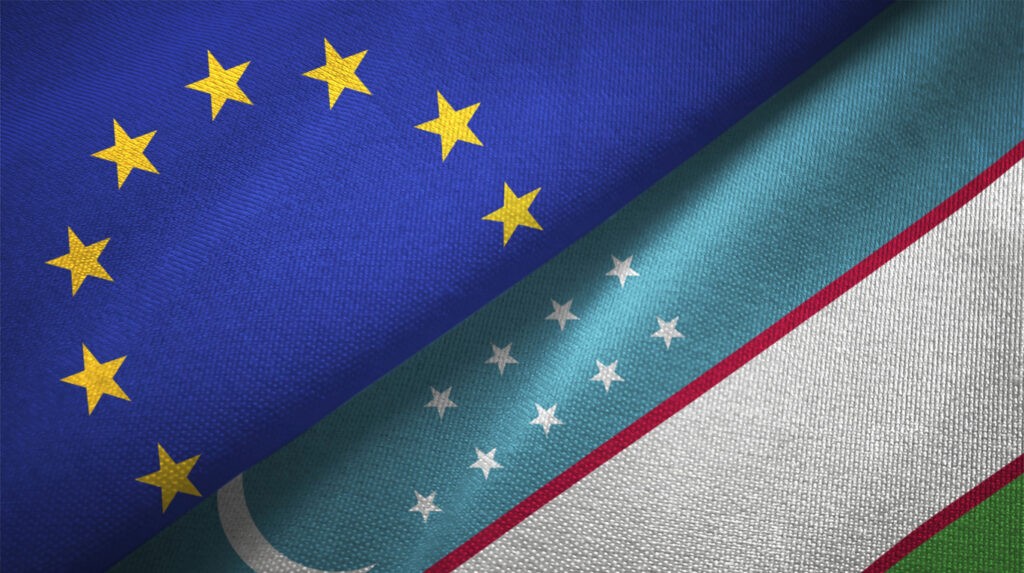
On November 5, the government of Uzbekistan and the European Union held the 7th meeting of their Subcommittee for Development Cooperation in Tashkent, Uzbekistan. The parties reviewed the EU’s ongoing projects in Uzbekistan and agreed to closer cooperation in transport, critical raw materials, digitalization, and territorial planning. As reported by the EU Delegation to Uzbekistan, the parties discussed the progress of the ongoing EU-funded project, “Further Improvement of Public Services Delivery in Uzbekistan,” which has increased Uzbek citizens’ access to public services in rural areas; projects addressing corruption; and budget support and expertise worth 27 million euro for agricultural reforms. The EU and the Uzbek government also addressed potential new areas of cooperation, such as critical raw materials, transport, territorial planning of urban and rural areas, and women’s economic empowerment. As part of the Multi-annual Indicative Program for 2021-2027, the EU will allocate around 43 million euros for new bilateral programs to be launched between 2025 and 2027. An additional 30 million euros will be allocated to regional programs supporting border security, digitalization, including access to the Internet, and national migration policies. The Multi-annual Indicative Programme for 2021-2027 sets the priorities for the EU-Uzbekistan cooperation. The priority areas are effective governance, green and digital growth, and sustainable agri-food sector. In April 2024, the European Commission and Uzbekistan signed a Memorandum of Understanding for a strategic partnership on critical raw materials (CRMs), which marked a significant step towards a diversified and sustainable supply of CRMs for green and digital transitions in both the EU and Uzbekistan. Rich in copper, molybdenum, and gold, Uzbekistan has the second-largest reserves of CRMs in Central Asia (after Kazakhstan).

Mirziyoyev Calls for Independent Palestinian State with East Jerusalem as Capital

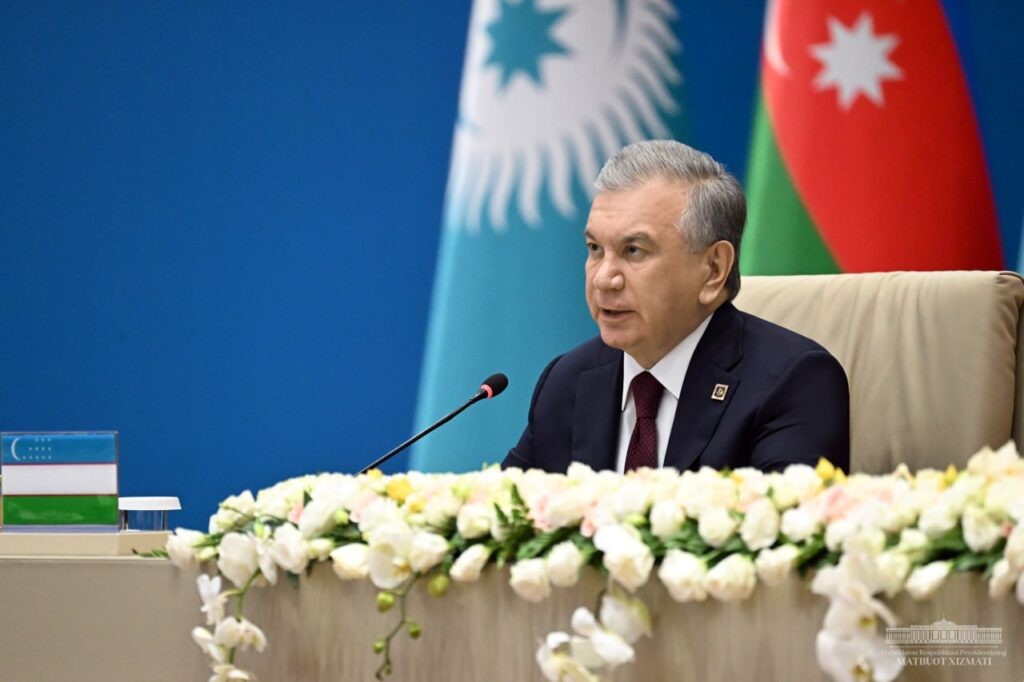
Speaking at this week's summit of the Organization of Turkic States in Bishkek, Uzbekistan's president Shavkat Mirziyoyev has once again discussed the situation in the Middle East. Mirziyoyev noted that global geopolitical processes have become increasingly complex since the start of the war in the region. The atmosphere of competition and mistrust between countries is intensifying, the hotbeds of conflict and war are increasing, and various dangers are growing. "These problems are a severe obstacle to our joint plans and big projects in trade, investment, transport, energy, agriculture, and other fields; this is the truth," Mirziyoyev said. “It is, first and foremost, about the ongoing war in the Middle East and the double standards that we see. Nothing can justify the unprecedented humanitarian tragedy in Gaza and Lebanon, the devastating attacks against civilians, especially the death of innocent children, the elderly, and women. We strongly condemn the actions aimed at restricting the activities of the United Nations Relief and Works Agency for Palestine Refugees. The only solution to this long-standing conflict is the establishment of an independent State of Palestine with East Jerusalem as its capital, based on the 1967 borders, by international regulations and resolutions,” noted Mirziyoyev. He hoped the Arab-Islamic Summit in Riyadh next week would find a clear political solution to this problem. He also highlighted the importance of Afghanistan’s stability: “When it comes to security, we believe Afghanistan should always be at the focus of our Organization. In this regard, it is crucial to establish a regular dialogue mechanism at the ministerial and expert levels. We believe that the issues of providing support to de facto authorities in addressing acute problems in Afghanistan, integrating this country into regional economic processes, and implementing social and infrastructure projects should be considered.”

Von der Leyen Affirms EU’s Commitment to Uzbekistan

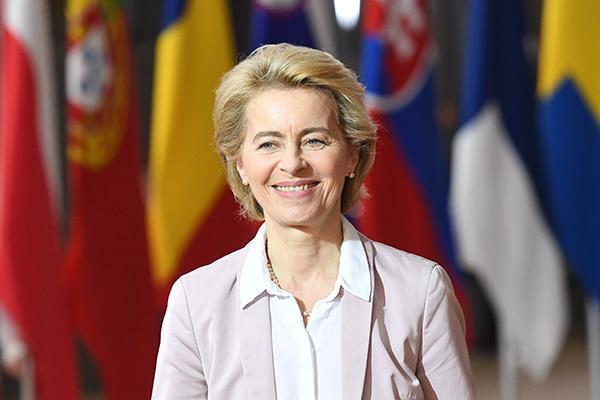
On November 6, the European-Uzbekistan Economic Cooperation Association opened the European Economic Days 2024 in Tashkent. At the ceremony, the President of the European Commission, Ursula von der Leyen, sent a video message to the event participants expressing her support for Uzbekistan’s efforts to restore its central position on Asian and world trade routes. More than 300 representatives from Uzbek and European governments and business sectors participated. Von der Leyen highlighted three main areas of cooperation between the European Union and Uzbekistan, which have grown significantly in recent years. She began by emphasizing Uzbekistan’s historical role as a “beating heart” of global trade. “For centuries, European merchants traveled to Samarkand, Bukhara, and Khiva for clothing and ceramics,” she said, recalling the stories these merchants would bring back of Uzbekistan’s palaces, landscapes, and vibrant culture. She noted that Uzbekistan seeks to open to the world once again. Her first example of collaboration focused on trade: “Since 2021, we opened the European market to Uzbek goods, and exports, especially in textiles and metallurgy, have rapidly increased,” she said, adding that there is still vast growth potential. Von der Leyen then turned to investment, mentioning the EU’s Global Gateway program, which supports Uzbekistan’s goal of global connectivity. She highlighted the EU’s investment of up to 10 billion euros, alongside international partners, in the Trans-Caspian Corridor—the shortest, safest route from Europe to East Asia, connecting Central Asia and Europe in less than 15 days. Additionally, she noted efforts to connect Uzbekistan to the EU satellite network to bring advanced digital communications to even the country’s most remote areas. Her final example centered on expanding EU cooperation in Uzbekistan’s strategic sectors. She referenced an agreement signed in April 2024 to bolster supply chains for critical minerals, a project that aims to create jobs and add value locally. “While some global investors focus solely on raw material extraction, that’s not us,” she emphasized, reaffirming Europe’s commitment to supporting domestic industry, job creation, and value-added production in line with high standards. Concluding her speech, Von der Leyen expressed hope that the forum would establish effective cooperation, new business opportunities, and strong relations between Europe and Uzbekistan. She also announced plans for the first-ever “Central Asia—EU” summit in Samarkand next year, marking another step in the region’s evolving relationship with the EU.

Bakyt Baketayev: Organization of Turkic States Is About Investment, Not Politics

The 11th summit of the Organization of Turkic States (OTS), which includes Kyrgyzstan, Kazakhstan, Uzbekistan, Turkmenistan, Azerbaijan, Turkey, and Hungary (as an observer), was held in Bishkek, Kyrgyzstan's capital. Speaking with The Times of Central Asia, Kyrgyz political analyst Bakyt Baketayev noted that the OTS was initially created on a cultural and linguistic basis. However, the turbulent geopolitical situation in the world gave the organization impetus for its current development. “The catalyst for the development of the OTS was the geopolitical situation and military-political events in the world. At the beginning of the organization's work - in 2009 - the countries worked on cultural programs and common spiritual issues uniting Turkic peoples. Today, the members of the OTS already cooperate at the level of governments, ministries, and agencies and discuss economic issues,” Baketayev said. Baketayev drew attention to the composition of the Organization of Turkic States. It includes countries representing different economic and political associations: NATO (Turkey), the European Union (Hungary), and the EAEU (Kyrgyzstan and Kazakhstan). “We should not expect any big results from the OTS summit. There will be no common political statements - the countries are scattered geographically and have different interests. But from the economic point of view of trade development and investment development, concrete steps are quite possible,” Baketayev said. The analyst is confident that the Organisation of Turkic States will help overcome problems related to hydropower and the lack of water resources in Central Asia. If the heads of state have common economic interests, they will be more likely to reach an agreement.