• KGS/USD = 0.01144 0%
  • KZT/USD = 0.00211 0%
  • TJS/USD = 0.10454 -0.1%
  • UZS/USD = 0.00008 0%
  • TMT/USD = 0.28571 0.28%
  • KGS/USD = 0.01144 0%
  • KZT/USD = 0.00211 0%
  • TJS/USD = 0.10454 -0.1%
  • UZS/USD = 0.00008 0%
  • TMT/USD = 0.28571 0.28%
  • KGS/USD = 0.01144 0%
  • KZT/USD = 0.00211 0%
  • TJS/USD = 0.10454 -0.1%
  • UZS/USD = 0.00008 0%
  • TMT/USD = 0.28571 0.28%
  • KGS/USD = 0.01144 0%
  • KZT/USD = 0.00211 0%
  • TJS/USD = 0.10454 -0.1%
  • UZS/USD = 0.00008 0%
  • TMT/USD = 0.28571 0.28%
  • KGS/USD = 0.01144 0%
  • KZT/USD = 0.00211 0%
  • TJS/USD = 0.10454 -0.1%
  • UZS/USD = 0.00008 0%
  • TMT/USD = 0.28571 0.28%
  • KGS/USD = 0.01144 0%
  • KZT/USD = 0.00211 0%
  • TJS/USD = 0.10454 -0.1%
  • UZS/USD = 0.00008 0%
  • TMT/USD = 0.28571 0.28%
  • KGS/USD = 0.01144 0%
  • KZT/USD = 0.00211 0%
  • TJS/USD = 0.10454 -0.1%
  • UZS/USD = 0.00008 0%
  • TMT/USD = 0.28571 0.28%
  • KGS/USD = 0.01144 0%
  • KZT/USD = 0.00211 0%
  • TJS/USD = 0.10454 -0.1%
  • UZS/USD = 0.00008 0%
  • TMT/USD = 0.28571 0.28%

Viewing results 145 - 150 of 280

Uzbekistan Pushed to Clean Up Cities Amid Air Pollution Protests

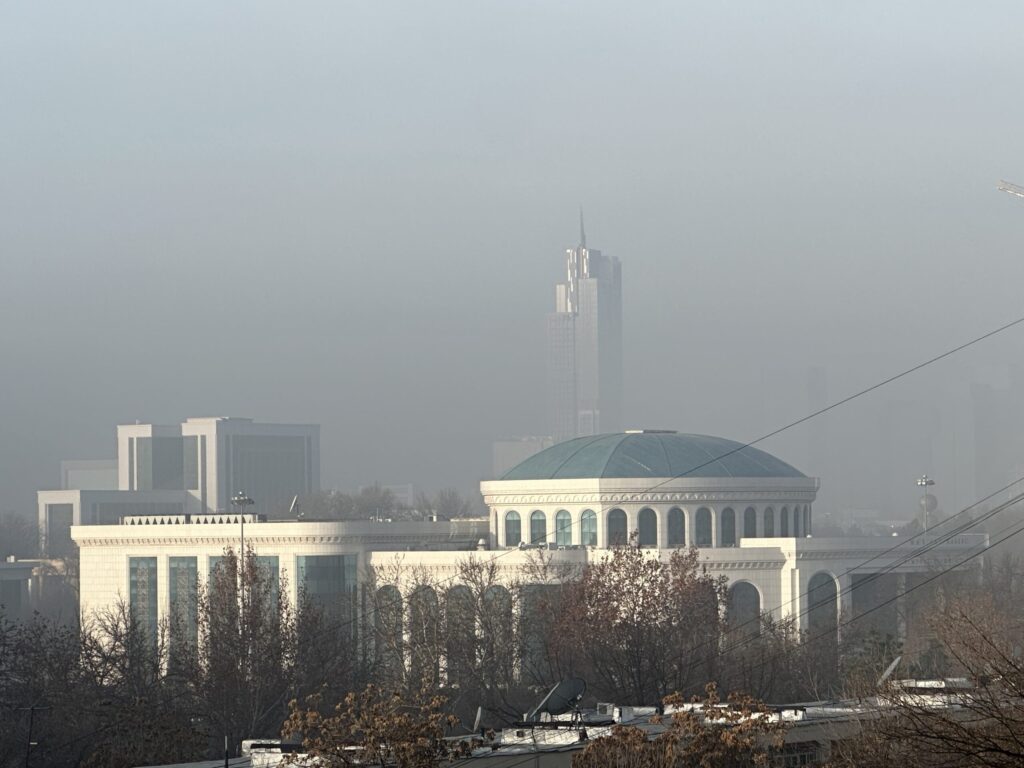
Uzbekistan's capital Tashkent continues to suffer from high levels of air pollution. According to the IQAir portal, on the morning of August 2 the concentration of PM 2.5 (fine particles in the air) in the city was 5.4 times higher than the WHO base indicator. Protest groups have been holding flash mobs in Tashkent this summer. One participant, Temurkhan Jahangir, believes that the main factor for the city's dangerous air is the government's poor urban planning policy. “The urban development strategy, implemented at the expense of urban densification, was a complete mistake from the start. It is foolish to sell land in the city center and build more buildings between multi-story buildings,” he said. According to the Ministry of Ecology, about 49,000 trees have been illegally cut down in the Tashkent region recently, which has also had a negative impact on air quality. At a meeting on January 29, the country's president Shavkat Mirziyoyev spoke about ecological problems. In particular he criticized the implementation of construction projects that don't consider environmental protection. He instructed the ministry to develop a “master plan” for each city and district of Uzbekistan, for local governors to improve the ecological situation by the end of the year. “On average, 730,000 motor vehicles move in Tashkent every day. In addition, 160,000 to 300,000 motor vehicles enter from the regions. Engines using A-80 gasoline, which does not meet international standards, emit harmful emissions into the atmosphere, exceeding the norm,” the Ministry of Ecology says. Mirziyoyev has also tasked the ministry with comprehensively abandoning A-80 gasoline from 2025 onwards, and developing sustainable public transport. He added that encouraging the population to switch to electric cars must be introduced to support green energy, prevent environmental problems, and reduce harmful emissions.

Uzbekistan: Nationwide Health Checks for Children Reveal Anaemia Worries

Uzbekistan's acting minister of health, Asilbek Khudayarov, has announced that the country recently conducted medical examinations in the majority of its schools and kindergartens. In the first half of this year, Khudayarov said, 5.7 million of Uzbekistan's 5.9 million schoolchildren were given check-ups. It was found that 1.3 million of these children (27.9%) were suffering from an illness of some kind. Eighty-one percent could be given simple treatments. Among kindergarten-age children, 1.3 million of 2 million pupils (63.5%) underwent a medical examination, and 26% of these were diagnosed with an illness. Khudayarov said that the most common illnesses were blood conditions (28.4% of cases), with anaemia a particularly common ailment. These were followed by problems with the respiratory and digestive systems (6.9% and 5.4% respectively). Almost 13 million Uzbek citizens - over a third of the population - are under the age of 18. The acting minister also noted that in recent years, fewer young Uzbeks have been traveling abroad for treatment, because hospitals in Uzbekistan are increasingly equipped with high-tech equipment. Khudayarov mentioned that presently, in addition to Tashkent, hospitals have high-tech diagnostic equipment in four regions of Uzbekistan: Samarkand, Andijan, Fergana, and Namangan. Citizens in these regions can receive quality treatment without coming to the capital.

Central Asian Countries Increasing Defense Budgets

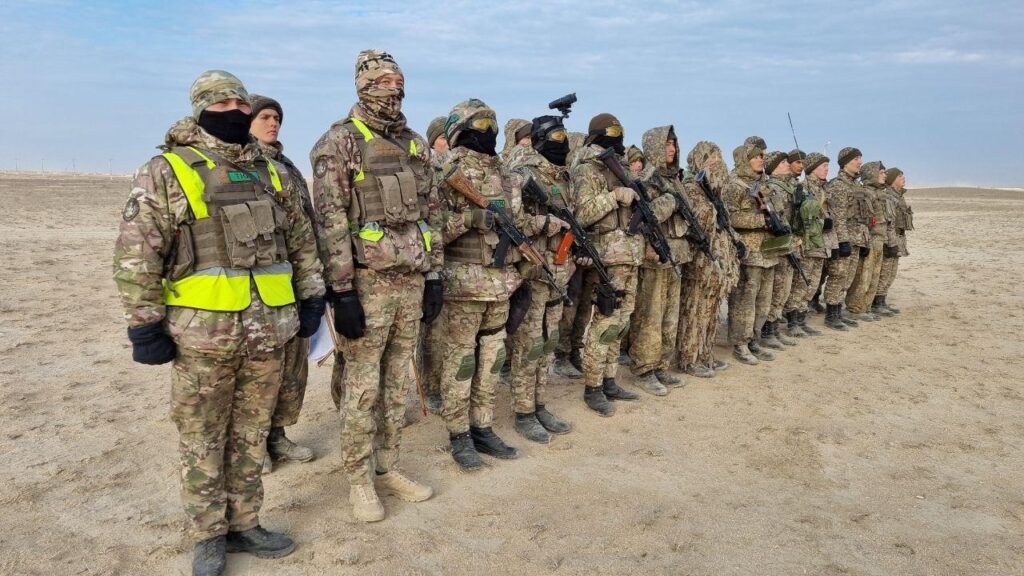
Voice of America has published an article that states that the countries of Central Asia are increasing their spending on defense and military equipment. Turkey, China, and the United States are now challenging Russia as the main suppliers of this equipment. According to analysis by the Stockholm International Peace Research Institute, which studies conflicts worldwide, the defense expenses of Kyrgyzstan, Kazakhstan, and Tajikistan totaled $1.8 billion last year. The institute did not explain Uzbekistan’s failure to disclose its defense expenditures, and there is no information on Turkmenistan. Last year, Kazakhstan’s military budget was 0.5% of its GDP, equal to $259.7 billion. Kyrgyzstan’s military expenditure was 1.5% of its GDP, $13.9 billion, totaling $208.5 million for defense. For Tajikistan, it was 1% of GDP, $12 billion, and $120 million for the military. The report also noted that Kazakhstan’s defense spending increased by 8.8% compared to last year. Uzbekistan, which does not disclose its military budget, reportedly allocated an additional $260 million to its defense budget last year. Officials in the region cite conflicts in the Eurasia region – the war in Ukraine and the war between Armenia and Azerbaijan, plus border disputes in Central Asia, and instability in Afghanistan – as reasons for Central Asian states to beef up their military forces. However, Peter Leonard, a writer specializing in Central Asian affairs, told Voice of America that it was partly a matter of reputation. “Partly, it is a matter of prestige. Authoritarian leaders like to flaunt shiny and expensive weapons. During annual military parades, we see this visually in Turkmenistan, where officials show off their new weapons and vehicles from China, Europe, and elsewhere. We see this trend in all of Central Asia,” he said. "Paradoxically, the intensification of militaries in these countries has not, in fact, exacerbated tensions but has resulted in a different outcome - which is much more cordial and practical dialogue about border demarcation. These countries, which were at a dangerous point, are on the cusp of signing a historic border agreement which will put an end to three decades of conflict."

How Limits on Electricity Use will Impact Uzbekistan

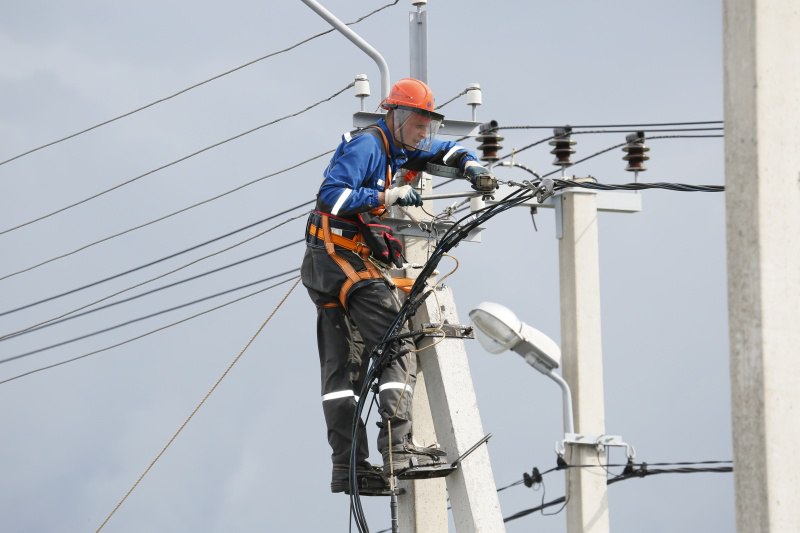
This year, Uzbekistan implemented reforms aimed at modernizing and optimizing energy consumption, including a new scheme introduced by the Cabinet of Ministers of the Republic of Uzbekistan. Entitled “Additional measures to introduce market mechanisms in the fuel and energy sector,” the scheme comprises a new pricing structure for fuel and energy resources for 2024-2025, alongside revised basic standards for monthly household electricity and natural gas consumption, starting May 1, 2024. Under the new regulations, residents must pay 450 UZS (3.6 cents) for each kilowatt used up to 200 kWh per month and 900 UZS (7.2 cents) for 201 kWh to 1,000 kWh per month. If energy consumption increases, the price changes accordingly. Household consumers living in apartment buildings and dormitories equipped with centralized electric plates for cooking will be charged 225 UZS (1.8 cents) for up to 200 kWh per month, from 201 kWh to 1,000 kWh – 450 UZS (3.6 cents). Negative reaction to the move has been widespread with numerous complaints posted on social networks such as Instagram and Facebook, demanding the cancellation of the limit of up to 200 kWh. One of the key protests is that the number of family members was not considered when setting the limit and that it will need to increase in the colder months of autumn-winter. Residents also commented they will need to save up to pay for their bills and one Facebook post commented that the 200-kWh limit should be cancelled or at least increased to 500 kWh. In response  to public outcry, Uzbekistan's Ministry of Energy  issued an official statement announcing that there was no reason to revise its decision and reported that since 71% of the population consumed less than 200 kW of electricity in June, the limit was realistic. When interviewed by TCA on the situation, Umida Ahadova from the Navoi region, commented, “Four people live in our family, and electricity is mainly used for housework. Since it is summer, we often use the air conditioner to cool the house. But the electricity consumption rarely exceeds the set limit of 200 kW." Another interviewee Roziboyeva, who shares a rented house in Tashkent with seven friends said, “Eight girls have lived in a 3-room apartment for almost a year, but our energy consumption is only slightly more than 150 kW. That said, we don’t use air conditioners to heat and cool the house." According to the ministerial statement , 1 kWh of electricity costs 895 UZS (7.1 cents) (without VAT). The state reimburses 552.4 UZS (4.4 cents) for each kWh of electricity supplied to the population within the basic norm and 102.1 UZS (0.81 cents) from 201 kW to 1000 kWh. “It should be said that consumers' electricity savings have increased due to increasing tariffs, " claimed the ministry. " As a result, the load on the system is reduced, people’s electricity systems are cut, and accidents are also decreasing." Research conducted by Asia-Plus last year showed that Kazakhstan has the highest electricity tariff among Central Asian countries....

Uzbekistan Launches NATO-Standard Armored Vehicle

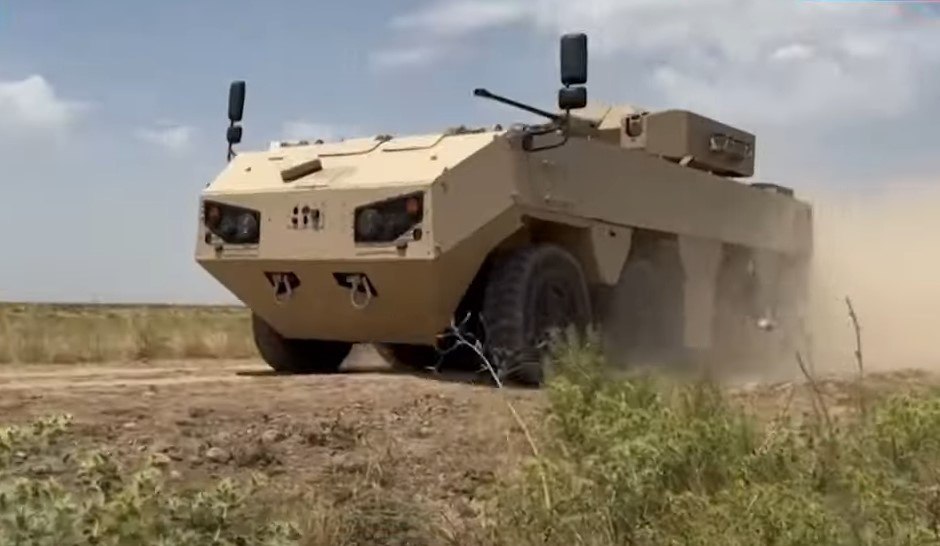
As reported by Uzbekistan 24, the Uzbekistan Defense Industry Agency has developed a new armored military vehicle, "Arslon," which is built to NATO standards. The vehicle, which weighs over 30 tons, can accommodate eight paratroopers and a crew of three. Its front is designed to protect against 30 mm armor-piercing shells. The side armor is capable of repelling 4.5-mm-caliber bullets. “In creating this armored personnel carrier, the parameters provided by NATO standards were considered. This is a national product created in Uzbekistan in cooperation with enterprises that produce high-quality components,” said Akmal Karimov, a company representative.

Uzbekistan Creates Law to Address Excessive Energy Consumption

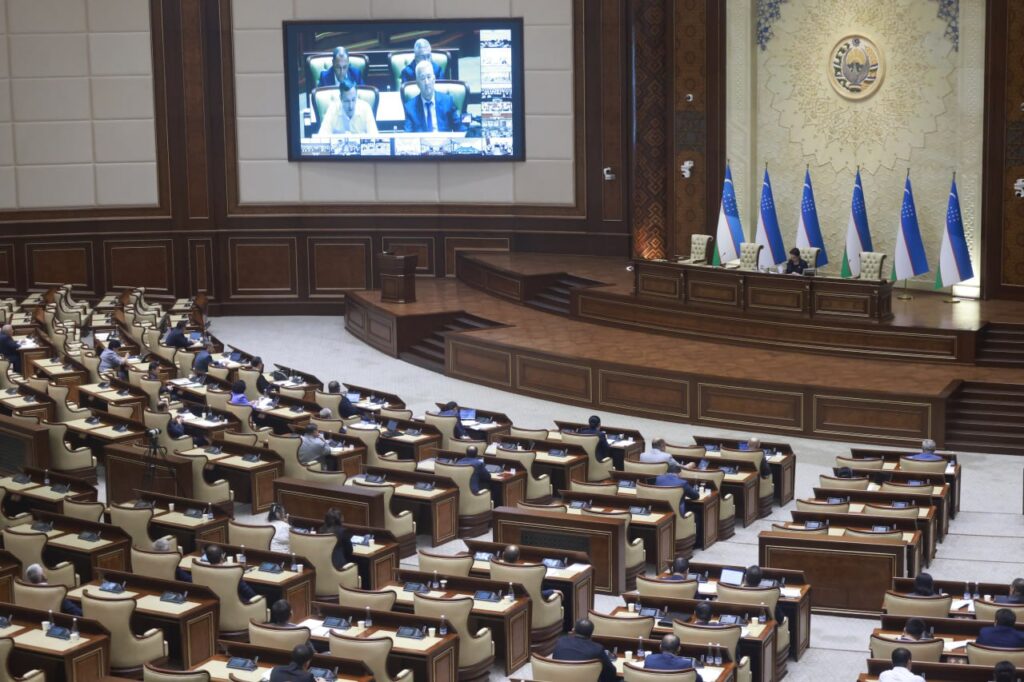
The law “On saving energy, its rational use and increasing energy efficiency" was approved at the plenary session of the Senate of the Oliy Majlis held in Uzbekistan on July 10. The law defines the tasks and rules for ensuring energy security, saving energy, increasing efficiency, and promoting rational use of resources, such as electric and thermal energy, fuel, and non-traditional energy resources in economic and social sectors. The law also establishes the responsibility for excessive energy resource consumption in Uzbekistan. Energy-saving directions and improvements in energy efficiency apply to the fields of construction and transport, buildings and structures, heat supply and utility companies, agriculture, and water management. According to the senators, the adoption of this law will help further optimize the costs of energy resources and create a legal basis for systematic monitoring of energy consumption efficiency.