• KGS/USD = 0.01143 -0%
  • KZT/USD = 0.00192 -0%
  • TJS/USD = 0.10820 0.19%
  • UZS/USD = 0.00008 0%
  • TMT/USD = 0.28575 0%
  • KGS/USD = 0.01143 -0%
  • KZT/USD = 0.00192 -0%
  • TJS/USD = 0.10820 0.19%
  • UZS/USD = 0.00008 0%
  • TMT/USD = 0.28575 0%
  • KGS/USD = 0.01143 -0%
  • KZT/USD = 0.00192 -0%
  • TJS/USD = 0.10820 0.19%
  • UZS/USD = 0.00008 0%
  • TMT/USD = 0.28575 0%
  • KGS/USD = 0.01143 -0%
  • KZT/USD = 0.00192 -0%
  • TJS/USD = 0.10820 0.19%
  • UZS/USD = 0.00008 0%
  • TMT/USD = 0.28575 0%
  • KGS/USD = 0.01143 -0%
  • KZT/USD = 0.00192 -0%
  • TJS/USD = 0.10820 0.19%
  • UZS/USD = 0.00008 0%
  • TMT/USD = 0.28575 0%
  • KGS/USD = 0.01143 -0%
  • KZT/USD = 0.00192 -0%
  • TJS/USD = 0.10820 0.19%
  • UZS/USD = 0.00008 0%
  • TMT/USD = 0.28575 0%
  • KGS/USD = 0.01143 -0%
  • KZT/USD = 0.00192 -0%
  • TJS/USD = 0.10820 0.19%
  • UZS/USD = 0.00008 0%
  • TMT/USD = 0.28575 0%
  • KGS/USD = 0.01143 -0%
  • KZT/USD = 0.00192 -0%
  • TJS/USD = 0.10820 0.19%
  • UZS/USD = 0.00008 0%
  • TMT/USD = 0.28575 0%
14 December 2025

Viewing results 6973 - 6978 of 11538

Lines, price rises and expensive booze – the cost of happiness in Turkmenistan

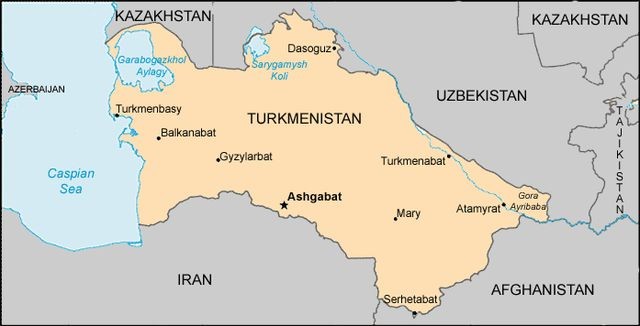
ASHGABAT (TCA) — Gas-rich Turkmenistan is experiencing an economic downturn largely caused by decreasing hard-currency revenues from natural-gas exports, and ordinary Turkmen citizens are the first ones who feel the pinch of the crisis. We are republishing this article on the issue, originally published by Eurasianet: Only on the 10th day of the new year did municipal workers in Turkmenistan’s capital take down the rich array of festive trees laden with blazing fairy lights. The holiday euphoria, meanwhile, faded faster as people began to come to terms with the new reality of utility bills and continue to cope with the ever-present strain of price rises and shortages. In 1993, soon after the Soviet experiment collapsed, the government in newly independent Turkmenistan reverted to state largesse as the heart of an unspoken compact. In return for submission to a suffocating police state, the population was granted free electricity, household gas, water and even salt. Talk of scrapping those handouts has been in the air for some years, but finally came into effect this January 1. The decision was nominally adopted in September by the People’s Council, which consists of a vast and photogenic assembly of robed and bearded town elders and numerous members of the national and regional ruling elite. In reality, it was President Gurbanguly Berdymukhamedov who willed the change, citing his desire to see Turkmenistan evolve into a market economy. Although they had ample time to prepare, authorities were caught short and forced to scramble to put the necessary infrastructure into place. In Ashgabat, the water company failed to evaluate how many customers they actually serve and, as a result, had nowhere near enough meters to hand out. Every day, long lines would form at the company’s headquarters as homeowners tried to get their hands on the legally mandated piece of equipment. Such is the backlog that the water company has agreed to push back the deadline for fitting meters to January 15. When that happens, households will have to pay 0.50 manat for each cubic meter of water that they use. While the official and immovable rate is 3.5 to the dollar, the manat’s value on the black market is a moving feast and was reportedly, as of late December, closer to 18 to the dollar. The installation of gas meters appears to have gone a little more smoothly. It helped when Berdymukhamedov spoke on the issue at one Cabinet meeting and ordered the Interior Minister to take personal charge over the process. The injunction had the desired effect, only with one hitch. Households were required to pay 260 manat (almost $75 at the official rate) for the actual meter. The government touted its willingness to install the counter free-of-charge as a gesture of generosity, although even this was not quite so. The cost of any additional equipment or pipes needed during fitting also had to be borne by the bill-payer. All seemed to be going well until the dying days of the year, when the gas meters...
Uzbekistan reforms offer ‘historic opportunity’ — EBRD first vice president

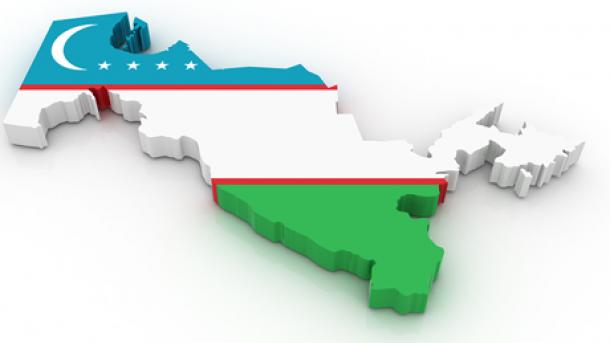
TASHKENT (TCA) — Uzbekistan has taken decisive, bold steps towards openness and reform. Since President Mirziyoyev took office in September 2016, he has implemented a far reaching change process which has taken even long-term observers by surprise in light of its breadth and depth, the European Bank for Reconstruction and Development (EBRD) First Vice President Jürgen Rigterink said while opening the German-Uzbek Business Forum on January 14 in Berlin. Continue reading

Kazakhstan: Khorgos border trade center sees increase in visitors

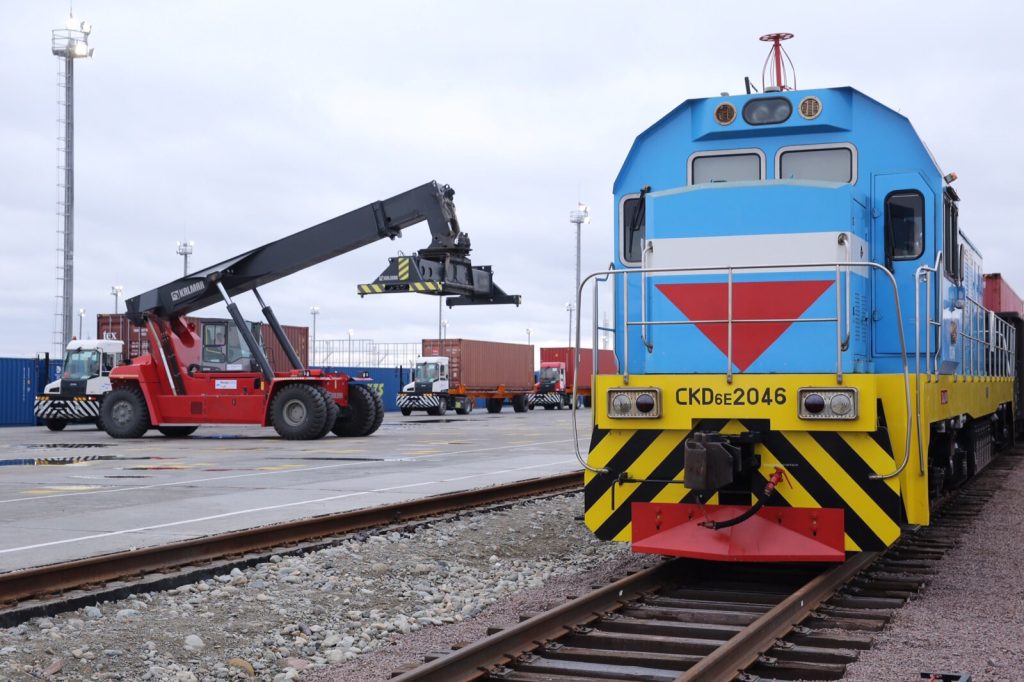
ASTANA (TCA) — More than 1.2 million people visited the Khorgos International Center of Boundary Cooperation (ICBC) in 2018, an 8-percent increase compared to 2017, the press service of national railways company Kazakhstan Temir Zholy said. The Khorgos ICBC is located on the Kazakh-Chinese border in Kazakhstan’s Almaty province, and is a major international transport, transit and trading hub between Kazakhstan and China. The growth of visits was facilitated by measures to create conditions for conducting transparent business of investors and visiting tourists. Thus, the luggage terminal was reconstructed and enlarged from 900 to 3,500 square meters. The fleet of 15 low-tonnage cargo vehicles has been updated. This allowed reducing the time of delivery of visitors' goods from the baggage collection points to the point of delivery in the baggage terminal. There is a single operator for comfortable movement of visitors. Currently, the issues of exemption of Kazakhstan and foreign participants of FEZ ICBC Khorgos from payment of basic taxes, except the social tax, are being resolved. The assignment to ICBC Khorgos — a unique project of Kazakhstan and China for trade, economic, tourism and investment cooperation — of the status of Free Economic Zone (FEZ) created favorable conditions for the development of business and investment in the territory of Kazakhstan. In 2018, 12 investment companies were attracted with a total construction area of 32.7 hectares and a building area of 193,000 square meters. Over the years of operation of ICBC Khorgos, 21 contracts for the construction of investment facilities were signed. The area of land plots at Khorgos was 113.5 hectares with the exception of infrastructure facilities, and the area of premises was 805.4 thousand square meters.

India signs agreements for 26 development projects in Afghanistan

KABUL (TCA) — India and Afghanistan have signed agreements to implement 26 projects worth $9.5 million in Afghanistan amid a changing geopolitical scenario in the region. While the US has been urging India to send its armed forces to the war-torn nation, India has reiterated its commitment to complete infrastructure projects it has promised to Afghanistan, Russia’s Sputnik news agency reported. Continue reading

EBRD invests in modern power generation in Uzbekistan

TASHKENT (TCA) — Power supply in south Uzbekistan will be significantly improved thanks to the creation of additional generation capacity at the existing Talimarjan power plant (TPP) with the help of a sovereign loan of up to US$ 240 million provided by the European Bank for Reconstruction and Development (EBRD) to JSC Uzbekenergo. The project will be the largest EBRD investment in Uzbekistan to date, the Bank said on January 14. Continue reading

Tajikistan’s growth to average at 6% in 2019–2020 — World Bank

DUSHANBE (TCA) — Tajikistan’s short-term and medium-term outlooks are positive, as growth in the Russian economy, elevated prices for major export commodities—cotton and aluminum—and growing regional cooperation will support external proceeds, the World Bank says in its latest issue of the Country Economic Update for Tajikistan, entitled “Rogun HPP – Potential Resource for Building Human Capital”. Continue reading