• KGS/USD = 0.01144 0%
  • KZT/USD = 0.00212 0%
  • TJS/USD = 0.10456 0.19%
  • UZS/USD = 0.00008 0%
  • TMT/USD = 0.28490 0%
  • KGS/USD = 0.01144 0%
  • KZT/USD = 0.00212 0%
  • TJS/USD = 0.10456 0.19%
  • UZS/USD = 0.00008 0%
  • TMT/USD = 0.28490 0%
  • KGS/USD = 0.01144 0%
  • KZT/USD = 0.00212 0%
  • TJS/USD = 0.10456 0.19%
  • UZS/USD = 0.00008 0%
  • TMT/USD = 0.28490 0%
  • KGS/USD = 0.01144 0%
  • KZT/USD = 0.00212 0%
  • TJS/USD = 0.10456 0.19%
  • UZS/USD = 0.00008 0%
  • TMT/USD = 0.28490 0%
  • KGS/USD = 0.01144 0%
  • KZT/USD = 0.00212 0%
  • TJS/USD = 0.10456 0.19%
  • UZS/USD = 0.00008 0%
  • TMT/USD = 0.28490 0%
  • KGS/USD = 0.01144 0%
  • KZT/USD = 0.00212 0%
  • TJS/USD = 0.10456 0.19%
  • UZS/USD = 0.00008 0%
  • TMT/USD = 0.28490 0%
  • KGS/USD = 0.01144 0%
  • KZT/USD = 0.00212 0%
  • TJS/USD = 0.10456 0.19%
  • UZS/USD = 0.00008 0%
  • TMT/USD = 0.28490 0%
  • KGS/USD = 0.01144 0%
  • KZT/USD = 0.00212 0%
  • TJS/USD = 0.10456 0.19%
  • UZS/USD = 0.00008 0%
  • TMT/USD = 0.28490 0%

Viewing results 8953 - 8958 of 12376

Kyrgyzstan: Centerra to invest $25 million to extend Kumtor gold mine’s life

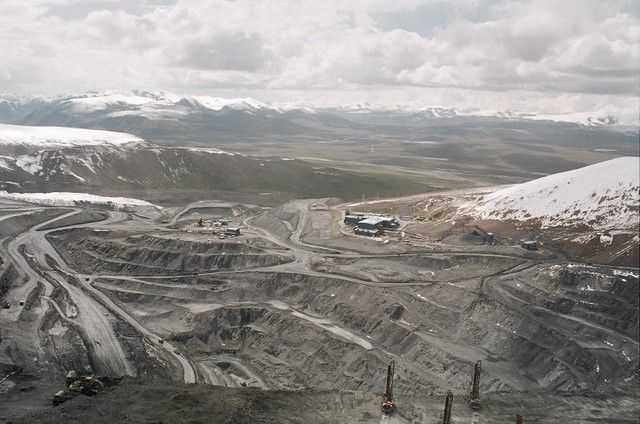
BISHKEK (TCA) — Canadian Centerra Gold Inc intends to invest about $25 million in further geological exploration to extend the life of the Kumtor gold mine in Kyrgyzstan, Chief Executive Officer of Centerra Gold Inc., Scott Perry, said during his meeting with Prime Minister of Kyrgyzstan Sapar Isakov on April 4. Continue reading

Kazakhstan: international experts on President Nazarbayev’s social initiatives

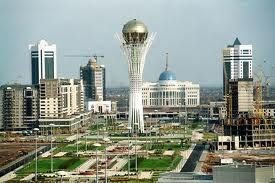
ASTANA (TCA) — International experts have positively assessed Kazakhstan President Nursultan Nazarbayev's Five New Social Initiatives, the official website of the Prime Minister of Kazakhstan reports. At a joint session of Kazakhstan’s parliament on March 5, President Nazarbayev addressed the people of Kazakhstan with the "Five Social Initiatives of the President," which include the new opportunities to purchase housing for each family, reduction of the tax burden to increase the wages of low-paid workers, increase in the accessibility and quality of higher education and improvement of the living conditions of student youth, expansion of micro-crediting, and further gasification of the country. American political scientist, leading expert in foreign policy, security and international relations, Ariel Cohen, considers new initiatives aimed at social modernization to be the great progress of Kazakhstan. "The current package of documentary reforms is a big step on the way of social development and stabilization of the social sphere in Kazakhstan. It is very important that the poor receive such broad support from the state, including rent benefits, tax cuts, education conditions and microcredit. It also indicates that the overall level of Kazakhstan's economic development has grown. This is an evidence of the great progress of Kazakhstan, the people and the President," said Ariel Cohen. China also supports 5 Social Initiatives of the President of Kazakhstan. "The Chinese side supports the social initiatives of the President of Kazakhstan. We are confident that these proposals will lead to an improvement in the well-being of the population," said Lu Kang, the official representative of the Ministry of Foreign Affairs of China. In an interview with a Kazakh TV channel, Wang Xianju, professor of the Chinese National University, shared his opinion on the Five Social Initiatives. "The Chinese people have a proverb: ‘A highly educated person sees far away’. Kazakhstan in this respect is on the right track. Your President Nursultan Nazarbayev pays much attention to the youth. The allocation of additional grants, access to quality education, and support for young people allow your country to receive a generation of highly qualified specialists. And this is the most effective investment in the future of the state," Wang Xianju said. The economic effect of the President's Five Social Initiatives will be manifested in the coming years, Russian economists say. In particular, the reduction of the tax burden and the expansion of microcredit will accelerate the country's economic growth and will help achieve the goal specified in the Kazakhstan-2050 strategy — to bring the share of small and medium businesses in the country's GDP to 50%, said Alexander Abramov, professor of the Higher School of Economics (Russia). Yaroslav Lissovolik, Chief Economist at the Eurasian Development Bank, said that the five initiatives proposed by the President of Kazakhstan, in particular, reduction of the tax burden for low-wage Kazakhstanis, the creation of conditions for obtaining relevant education, and lending for small and medium businesses — all of this will cover broad population with a strategy of economic development. "Kazakhstan is one of the successful economies in...

Afghanistan: Kabul dismisses ex-President Karzai’s remarks on US support of IS

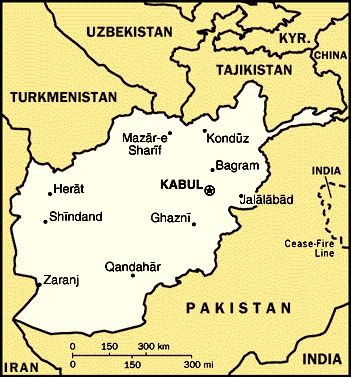
KABUL (TCA) — The Afghan government on April 5 rejected claims by former Afghan President Hamid Karzai that insurgent groups, especially Daesh (Islamic State), are being bolstered by the presence of foreign forces in Afghanistan, TOLOnews reported. Continue reading

Kyrgyzstan: Islamist couple jailed for not allowing children to attend school

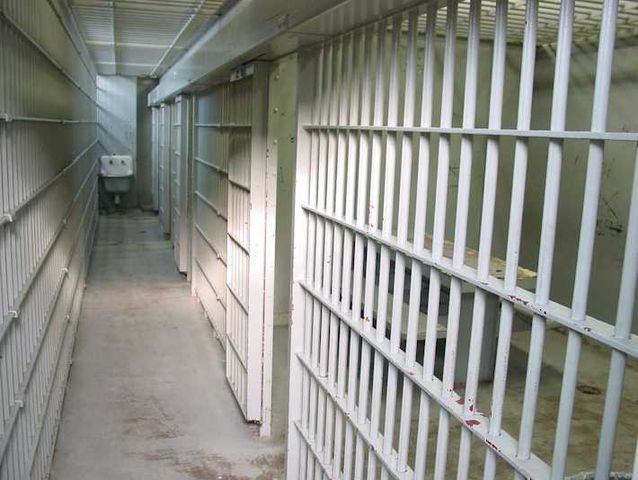
BISHKEK (TCA) — A Kyrgyz court has handed down prison terms to a couple convicted of preventing its children to attend school, RFE/RL's Kyrgyz Service reports. Continue reading

Kazakhstan: online news site’s editor accused of libel

ALMATY (TCA) — The chief editor of the Kazakh online news website Ratel.kz says he has been officially named a suspect in a high-profile libel case, RFE/RL's Kazakh Service reported. Continue reading

Kyrgyzstan: in Kazarman, nothing gold can stay

BISHKEK (TCA) — Mining gold is a troublesome, though lucrative, business in Kyrgyzstan — which often faces opposition from locals in gold-mining areas, which, in turn, scares off foreign investors in gold projects. We are republishing this article on the issue by Nurjamal Djanibekova, originally published by Eurasianet: The language of gold-making spills easily from people’s mouths in Kazarman. Every other townsperson can talk with the best of them about crushing ores, leaching by cyanide and roasting. For a little over 30 years, this town in west-central Kyrgyzstan, home to a giant Soviet-built smelter, has been all about gold. Gripes about the perceived damage caused to the environment by the industry, however, are festering and have galvanized opposition to a new, privately owned gold-refining plant under development since 2016. A couple of times a month since the start of this year, residents have congregated on a square in Kazarman, home to around 12,000 people, in a show of a discontent with Makmal G.L Developing, the Chinese-backed company behind the project. The rallies have typically begun at 10 a.m. in front of the House of Culture building. After organizers set up a microphone and speakers, the town akim, or mayor, Tilek Idirisov, would open proceedings and then give way to others who wished to air their grievances. On February 7, Maksat Yasymov, a former worker at the town’s Makmalzoloto gold smelting plant, came forward to address the crowd, which huddled close around him in a circle under the rapidly falling snow. “We are not at fault here, but at the national level they are saying that an investor has come and that we are against him. We will welcome any investor with open arms if they are proposing something safe and environmentally sound that will provide people with work,” Yasymov declaimed with mounting fervor. “But for six months, these investors have shown us no documents, no feasibility studies. They are the ones at fault. They came here by corrupt means.” Listeners punctuated Yasymov’s delivery with cries of approval, while a stout police officer filmed the gathering on a mobile phone. The assembly concluded without incident and Idirisov, the mayor, assured those present that work on the new plant would be halted and people’s complaints relayed to officials higher up the chain. Murky present Neither promise was kept and so the next protest, on March 1, went less smoothly. Instead of meeting at the House of Culture, as usual, a group of several dozen descended directly on the plant. “People came of their own accord from all over the Toguz-Torou district,” Nuradil Tursunbekov, a member of the town council, told Eurasianet. “It said on the internet that they were brought here by bus, that there were drunk people. Maybe there were some like that, but we sent those people home straight away. People joined the meeting because nobody wants harmful industry here.” After a few hours, a group of rally attendants decided to check for themselves what work was actually going on...