• KGS/USD = 0.01144 0%
  • KZT/USD = 0.00206 0%
  • TJS/USD = 0.10760 -0.46%
  • UZS/USD = 0.00008 0%
  • TMT/USD = 0.28571 0%
  • KGS/USD = 0.01144 0%
  • KZT/USD = 0.00206 0%
  • TJS/USD = 0.10760 -0.46%
  • UZS/USD = 0.00008 0%
  • TMT/USD = 0.28571 0%
  • KGS/USD = 0.01144 0%
  • KZT/USD = 0.00206 0%
  • TJS/USD = 0.10760 -0.46%
  • UZS/USD = 0.00008 0%
  • TMT/USD = 0.28571 0%
  • KGS/USD = 0.01144 0%
  • KZT/USD = 0.00206 0%
  • TJS/USD = 0.10760 -0.46%
  • UZS/USD = 0.00008 0%
  • TMT/USD = 0.28571 0%
  • KGS/USD = 0.01144 0%
  • KZT/USD = 0.00206 0%
  • TJS/USD = 0.10760 -0.46%
  • UZS/USD = 0.00008 0%
  • TMT/USD = 0.28571 0%
  • KGS/USD = 0.01144 0%
  • KZT/USD = 0.00206 0%
  • TJS/USD = 0.10760 -0.46%
  • UZS/USD = 0.00008 0%
  • TMT/USD = 0.28571 0%
  • KGS/USD = 0.01144 0%
  • KZT/USD = 0.00206 0%
  • TJS/USD = 0.10760 -0.46%
  • UZS/USD = 0.00008 0%
  • TMT/USD = 0.28571 0%
  • KGS/USD = 0.01144 0%
  • KZT/USD = 0.00206 0%
  • TJS/USD = 0.10760 -0.46%
  • UZS/USD = 0.00008 0%
  • TMT/USD = 0.28571 0%

Our People > Anton Chipegin

Anton Chipegin's Avatar

Anton Chipegin

Anton was born and grew up in Bishkek, Kyrgyzstan. He worked as a television correspondent, editor and TV presenter on the main television channels of the republic, such as NTS and MIR 24, and also as an economic observer at international news agencies and other media resources of Kyrgyzstan.

Articles

Kyrgyzstan Launches Autumn Sowing of Winter Crops on 250,000 Hectares

Kyrgyzstan has launched its autumn sowing campaign, with winter crops expected to cover 250,000 hectares, according to the Ministry of Water Resources, Agriculture, and Processing Industry. To date, over 81,000 hectares, approximately one-third of the planned area, have already been sown with wheat and barley. “Sowing is underway in all regions of the country. The necessary agricultural equipment has been deployed, and a sufficient amount of seed material has been provided to meet the targets,” the ministry said. Experts note that work is proceeding within optimal agrotechnical timelines, with the campaign scheduled for completion by the end of November. In the Chui and Issyk-Kul regions, more than 40% of the targeted areas have already been sown, despite the campaign beginning only a month ago. In an experimental effort, one farm in the Chui region sowed 50 hectares with the Canadian wheat variety “Jersey,” known for its high yield and grain quality. Farmers state that adherence to agrotechnical standards, including timely soil preparation and the application of modern cultivation techniques, is crucial for achieving strong harvests. In the Talas region, farmers have already cultivated more than a third of the targeted sowing area. Other regions across the country are also progressing on schedule.

7 months ago

Kyrgyz National Bank Conducts Largest Currency Intervention of 2025

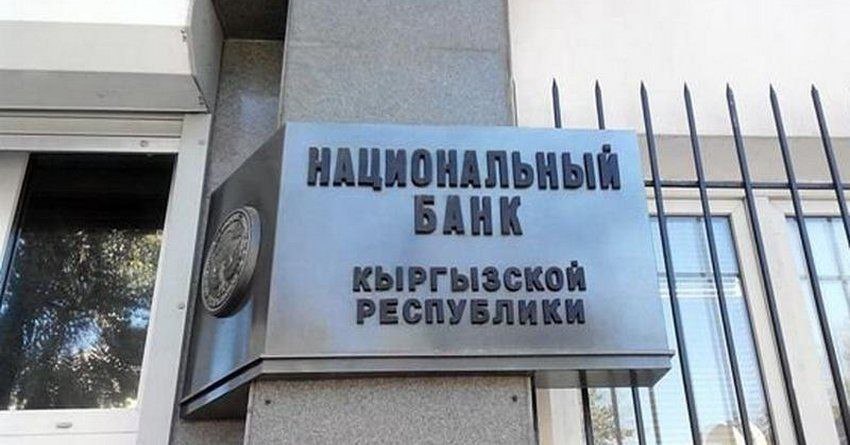
To stabilize the som exchange rate, the National Bank of the Kyrgyz Republic (NBKR) carried out its largest currency intervention of 2025, selling nearly $174 million on the foreign exchange market. According to the NBKR, $65.3 million was sold on the day of the transaction, with an additional $108.6 million sold under deferred payment terms. This marks the bank’s sixth intervention of the year and its most substantial by volume. In previous months, the NBKR intervened with $158.3 million in April, $81.5 million in September, and $38 million in October. The regulator emphasized that the som remains a floating currency and that interventions are undertaken solely to limit excessive volatility and ensure market stability. Throughout 2025, the NBKR has only conducted dollar sales, without any reverse interventions to repurchase foreign currency. This pattern reflects sustained demand for foreign currency and active trade flows within the country. As a result of these actions, the som has remained stable, with the exchange rate holding just above 87 soms per $. Since the beginning of the year, the NBKR’s total foreign currency sales have exceeded $590 million. Over the past five years, the bank has carried out 99 interventions, selling nearly $3 billion on the market.

7 months ago

Kyrgyzstan Officially Launches Gold-Backed State Stablecoin

Kyrgyzstan has announced the launch of its own state-backed digital currency, USDKG, a gold-backed stablecoin pegged to the US dollar. With this move, Kyrgyzstan becomes one of the first countries globally to introduce a government-backed stablecoin secured by physical gold reserves. According to the Ministry of Finance of the Kyrgyz Republic, the initial issuance of USDKG is valued at $50 million. A source within the ministry told The Times of Central Asia that this launch marks just the beginning of a phased rollout. “In a few weeks, USDKG will be listed on crypto exchanges, making it available for purchase. If the project is successful, we could double the issuance volume within a year and ultimately scale to $1 billion,” the official said. The stablecoin is being issued by Virtual Asset Issuer, a state-owned company under the Ministry of Finance. The ministry noted that the primary use case for USDKG will be cross-border transactions. Users will be able to convert the digital asset into fiat currency from virtually anywhere in the world. Momentum for the project grew after a high-profile visit in October by Binance founder Changpeng Zhao, who met with President Sadyr Japarov in Bishkek. Following the meeting, President Japarov instructed the National Council for the Development of Assets and Blockchain Technologies to create the necessary regulatory framework to support the launch and international listing of the KGST stablecoin. Simultaneously, the National Bank of Kyrgyzstan is developing its own digital currency. Unlike USDKG, this central bank digital currency (CBDC) will be aimed at broad public use and has already been recognized as an official means of payment in the country.

7 months ago

Kyrgyzstan to Nationalize Driving Schools and Reform Driver Training

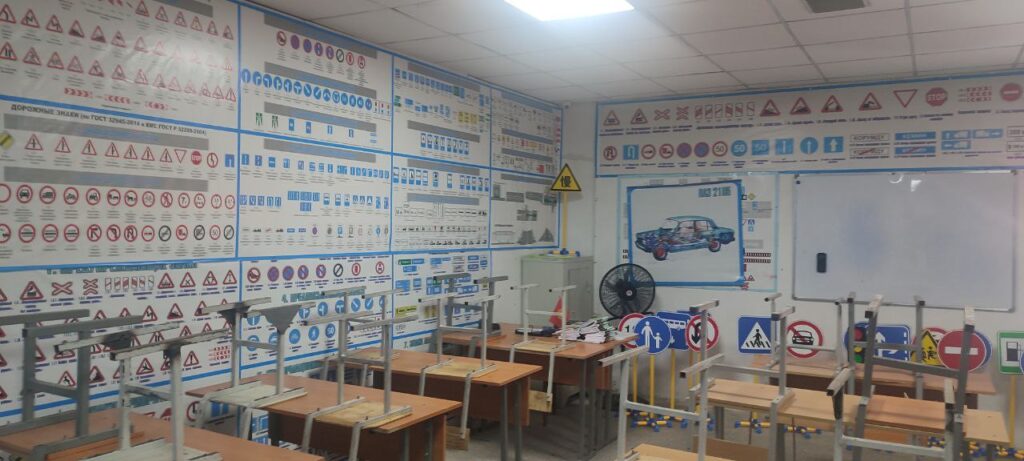
Kyrgyzstan has announced sweeping reforms to its driver training system, set to take effect at the beginning of 2026. All private driving schools will be brought under state control, and the duration of driver training will be extended from three months to fourteen. The reform was presented at a press conference in Bishkek by Kanybek Tumanbaev, Chief of Staff to the President. He stated that the initiative aims to improve road safety and curb corruption in the issuance of driver’s licenses. “There are too many traffic accidents in Kyrgyzstan today. Young people admit to purchasing driver’s licenses through private driving schools, where practical training often lasts just two or three hours,” Tumanbaev said. Under the new system, practical instruction will take place across different seasons, including both summer and winter driving conditions. The curriculum will also include courses on vehicle maintenance and driving etiquette. All exams will be administered under state supervision to prevent bribery and ensure consistent standards. Private driving instructors will not lose their jobs; instead, they will be integrated into the new state-run driving schools. The cost of training for citizens is expected to remain unchanged. Authorities also plan to introduce a partially online format for theoretical classes. As part of the reform, Kyrgyzstan will abolish indefinite driver’s licenses. Beginning in 2026, all newly issued licenses will be valid for 10 years, aligning with international standards. Citizens holding permanent licenses will be required to exchange them for the new format starting in January 2026. The replacement process will be free of charge and will not require retesting. The reforms are a response to persistently high accident rates and what officials describe as inadequate driver education. In 2024, Kyrgyzstan recorded 7,423 traffic accidents resulting in 514 deaths. In the first nine months of 2025, that figure rose to 9,078 accidents with 636 fatalities.

7 months ago

Kyrgyzstan Launches Unified State Lottery Infrastructure

Kyrgyzstan is consolidating all private lottery operations into a single, state-controlled system as part of a national initiative to modernize the sector and align it with international standards. The project is being implemented by the Information Security Center in partnership with the state-owned enterprise Kyrgyzloto. Under the new framework, all types of lottery draws in the country will be brought under state oversight. Authorities say the system will provide full transparency over financial flows, enable real-time monitoring of sales and payouts, and protect citizens from unscrupulous operators. The Lottery Information Processing Center will manage real-time data collection on ticket sales, draw results, and prize pools. Financial and fiscal oversight will be conducted by the Ministry of Finance and the State Tax Service. “Our task is to agree on the rules for conducting lotteries and to form a fund for targeted deductions. We intend to unify the draws and channel the proceeds into useful areas,” said Sherik Kasmaliev, director of Kyrgyzloto, during a press briefing. Government projections estimate that over the next ten years, the national lottery could generate approximately $1 billion in tax revenues and licensing fees. Officials also believe the launch of a unified state lottery system will provide a legal alternative to illegal gambling, help curb gambling addiction, and return billions of som previously lost to unlicensed foreign platforms back into the domestic economy. All data processing and storage infrastructure will be located within Kyrgyzstan, which project developers say will enhance cybersecurity and reduce the risk of capital outflows.

7 months ago

Bishkek City Hall Tightens School Meal Oversight After Mass Food Poisoning

A mass food poisoning incident at a Bishkek school has prompted city authorities to intensify oversight of school meal programs. Eighty children and four adults were affected after consuming shawarma (flatbread wraps filled with grilled meat) prepared with allegedly poor-quality ingredients, according to the Bishkek City Hall. The Bishkek Center for Hygiene and Epidemiology has launched an inspection of all schools in the capital. Dozens of children sought medical care, reporting symptoms such as nausea, vomiting, abdominal pain, and diarrhea. Twelve individuals were hospitalized, while the remaining victims are receiving outpatient treatment. The school cafeteria involved has been shut down pending an epidemiological investigation. Deputy Mayor of Bishkek Victoria Mozgacheva met with the school's director and underscored the zero-tolerance policy for violations of the approved meal plan and sanitary protocols. “All general education institutions in the capital, regardless of their ownership, have been ordered to strictly follow the approved meal regulations,” the mayor’s office stated. “Any deviation from the menu, which is approved in consultation with medical and epidemiological experts, is strictly prohibited.” Preliminary findings suggest the source of the poisoning may have been improperly handled chicken used in the shawarma served. In response, Bishkek authorities have instructed schools to tighten food quality control measures. The Ministry of Health of Kyrgyzstan has also initiated legislation to ban the sale of unhealthy food products in close proximity to schools.

7 months ago

Kyrgyzstan Boosts Coal Production Ahead of Winter Heating Season

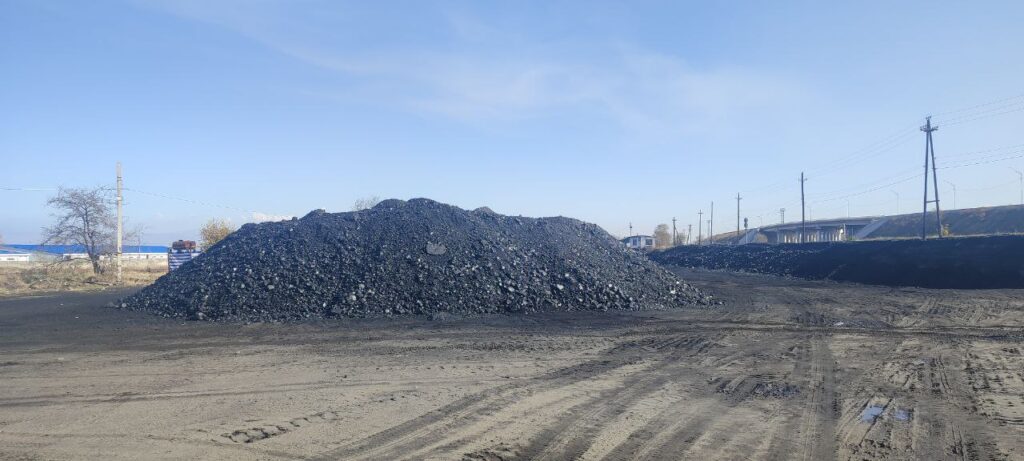
Kyrgyzstan has increased domestic coal production in preparation for the winter, with four of the country's six deposits now operating at full capacity, according to the state-owned enterprise Kyrgyzkomur, which oversees coal mining and distribution at socially affordable prices. To ensure stable fuel supply, Kyrgyzkomur has signed agreements with 126 coal trading bases nationwide. These sites sell coal at reduced prices, aimed at supporting low-income households and easing the burden on public utilities. In the first nine months of 2025, Kyrgyzstan produced 655,000 tons of coal, while overburden removal reached 6.8 million cubic meters. Coal from the Kara-Keche deposit remains the most in demand. It is also supplied to the Bishkek thermal power plant, which provides the capital with heat and electricity. However, local coal is considered lower in quality compared to imports, particularly coal from Kazakhstan’s Shabyrkul deposit. To stabilize the market and prevent price hikes, authorities have tightened oversight of the coal sector. Under an order issued by the Ministry of Economy on September 26, 2025, temporary state regulation of coal prices was introduced for 90 days. “The maximum retail prices are set at $80 per ton for imported coal and $66 per ton for local coal from the Kara-Keche deposit, mined by Kyrgyzkomur,” said Maksat Akylbekov, chief inspector at the Antimonopoly Regulation Service, in an interview with Tbe Times of Central Asia. To curb speculation and prevent the sale of low-quality coal, Bishkek authorities have banned the retail sale of coal in bags. Fuel can now only be purchased by the ton at designated depots. As a result, smaller traders have relocated to the outskirts of the city, where they continue to sell coal in smaller quantities. Sellers report that many residents request 100-200 kilograms of coal, as not all can afford to purchase an entire season’s supply at once or have the storage capacity. In some cases, sellers informally accommodate these buyers. Violations of the government’s pricing rules are subject to fines of $35 for individuals and $150 for legal entities.

7 months ago

Kyrgyzstan Loosens Livestock Export Ban, But Only by Air

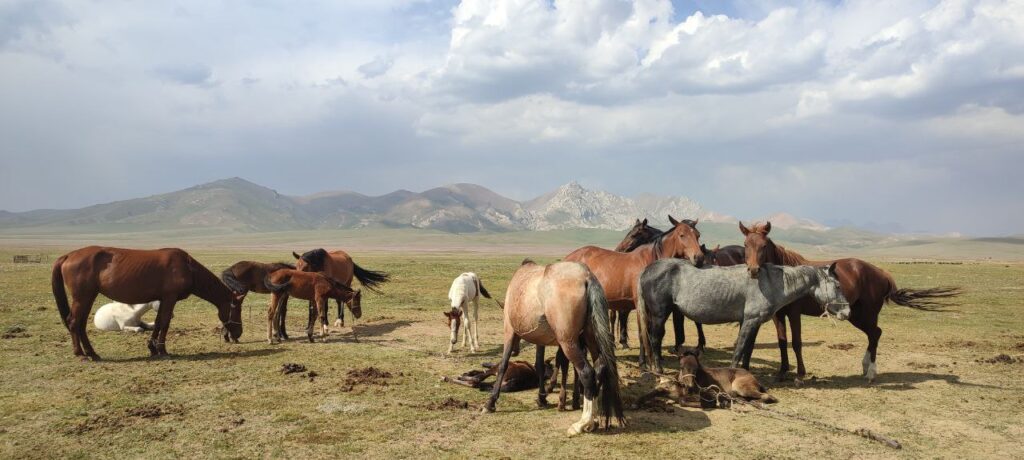
The Kyrgyz government has made an exception to its current ban on livestock exports, allowing horses to be exported by air under specific conditions. According to an official decree, the temporary export restrictions do not apply to horses transported via aircraft. Other permitted exceptions include the transit of livestock through Kyrgyz territory, the export of animals for participation in international competitions, and the gifting of horses to foreign dignitaries and international organizations. The exclusive right to export horses abroad has been granted to the state-owned enterprise Kyrgyz Agroholding. Customs and border control authorities have been ordered to step up oversight to prevent illegal animal exports. The Cabinet of Ministers initially imposed a six-month ban on the export of cattle, horses, sheep, and goats in response to rising meat prices in the domestic market. Authorities cited the widening price gap between Kyrgyzstan and neighboring countries as a key factor, with significantly higher meat prices abroad prompting farmers to sell livestock across borders.

7 months ago

Central Asia Loses 14 Million Tons of Crops Annually Due to Poor Storage Infrastructure

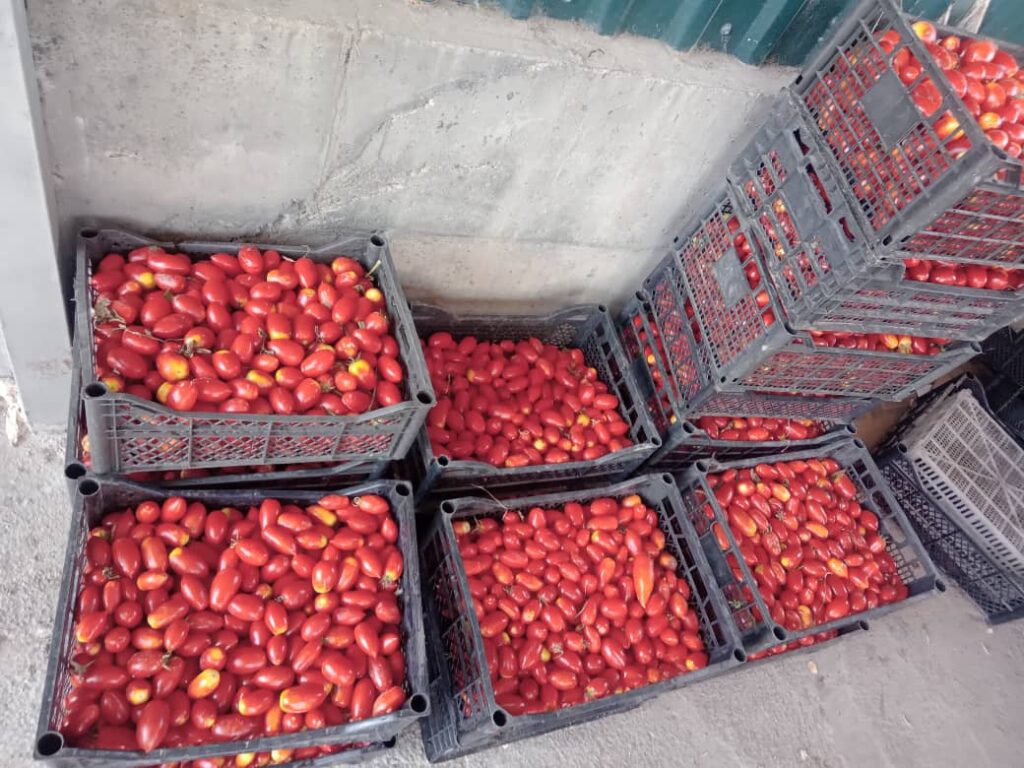
Each year, approximately 14 million tons of agricultural products are lost across Central Asia due to inadequate storage infrastructure, according to a recent analytical report from the Eurasian Development Bank (EDB). In Kyrgyzstan, Tajikistan, and Uzbekistan, so-called “dry warehouses” remain the norm. A significant share of produce is stored in facilities lacking the conditions necessary for long-term preservation. As a result, large volumes of crops spoil annually, especially during seasonal peaks. The EDB notes that Eurasian countries are entering a new logistics phase. The rapid growth of e-commerce and retail expansion is generating unprecedented demand for modern warehouse infrastructure. According to the bank’s projections, total demand for warehouse space in the region will double by 2040, surpassing 120 million square meters. Between 2020 and 2024, the region’s total warehouse space increased from 48 to 58 million square meters. Russia remains the dominant player, with around 53 million square meters of commercial and logistics space. Central Asian countries, however, continue to lag far behind. Crop losses peak during the autumn harvest and spring sales of residual stock. During these times, buffer storage and efficient transport logistics are critical. Without these, “farmers are forced to sell surpluses at the lowest price or throw them away,” EDB analysts warn. Experts identify the warehouse sector as a key driver of trade growth in Eurasia. Realizing this potential, however, will require coordinated action among governments, businesses, and international institutions. The report emphasizes the need for a unified institutional environment to enhance investment appeal and market transparency. “The region, which has long remained on the periphery of global logistics flows, is now shaping a new map of Eurasian logistics. In the coming years, the market will remain highly dynamic: more than 20 million square meters of new warehouse space is planned for commissioning, including 1.6 million square meters in Central Asian countries,” the report states. Kyrgyzstan serves as a case in point. In 2020, amid the COVID-19 pandemic, agriculture was the country’s only growing sector. Yet farmers struggled with oversupply, cabbage, in particular, had to be fed to livestock or discarded due to a lack of buyers and storage facilities. A similar situation unfolded with potatoes.

7 months ago

National Bank of Kyrgyzstan Reports Profit Surge in 2025

The National Bank of the Kyrgyz Republic (NBKR), the country’s central bank, reported a net profit of 33.2 billion soms (about $380.7 million) for the first nine months of 2025, nearly 13 times higher than in the same period last year. The sharp increase was driven by gains from monetary gold transactions, the revaluation of foreign currency reserves, and overall asset appreciation. According to the central bank, gold now accounts for around $5 billion of its total assets, a 2.5-fold rise from 2024. Gold holdings currently represent about half of the NBKR’s total assets. Officials attributed the growth to the bank’s risk-diversification strategy and higher global gold prices. The NBKR also reported a rise in household investment in government securities, reflecting stronger public confidence in domestic financial instruments. While the overall asset structure remains stable, several notable shifts have occurred. The volume of nonmonetary gold and bullion has declined to $1.1 billion, reflecting strong demand from the jewelry industry and increased gold exports. Gold continues to be a key contributor to Kyrgyzstan’s export portfolio. The commercial banking sector is also expanding. The total loan portfolio reached $2 billion, up from $1.5 billion a year earlier. As previously reported by The Times of Central Asia, Kyrgyzstan’s GDP grew by 11.5% in January–July 2025, supported by strong investment in finance, manufacturing, and construction. Construction firms have been borrowing more from local banks, which are expanding lending to meet rising demand from businesses.

7 months ago