• KGS/USD = 0.01144 0%
  • KZT/USD = 0.00212 0%
  • TJS/USD = 0.10569 0.09%
  • UZS/USD = 0.00008 0%
  • TMT/USD = 0.28530 0%
  • KGS/USD = 0.01144 0%
  • KZT/USD = 0.00212 0%
  • TJS/USD = 0.10569 0.09%
  • UZS/USD = 0.00008 0%
  • TMT/USD = 0.28530 0%
  • KGS/USD = 0.01144 0%
  • KZT/USD = 0.00212 0%
  • TJS/USD = 0.10569 0.09%
  • UZS/USD = 0.00008 0%
  • TMT/USD = 0.28530 0%
  • KGS/USD = 0.01144 0%
  • KZT/USD = 0.00212 0%
  • TJS/USD = 0.10569 0.09%
  • UZS/USD = 0.00008 0%
  • TMT/USD = 0.28530 0%
  • KGS/USD = 0.01144 0%
  • KZT/USD = 0.00212 0%
  • TJS/USD = 0.10569 0.09%
  • UZS/USD = 0.00008 0%
  • TMT/USD = 0.28530 0%
  • KGS/USD = 0.01144 0%
  • KZT/USD = 0.00212 0%
  • TJS/USD = 0.10569 0.09%
  • UZS/USD = 0.00008 0%
  • TMT/USD = 0.28530 0%
  • KGS/USD = 0.01144 0%
  • KZT/USD = 0.00212 0%
  • TJS/USD = 0.10569 0.09%
  • UZS/USD = 0.00008 0%
  • TMT/USD = 0.28530 0%
  • KGS/USD = 0.01144 0%
  • KZT/USD = 0.00212 0%
  • TJS/USD = 0.10569 0.09%
  • UZS/USD = 0.00008 0%
  • TMT/USD = 0.28530 0%

Viewing results 1 - 6 of 16

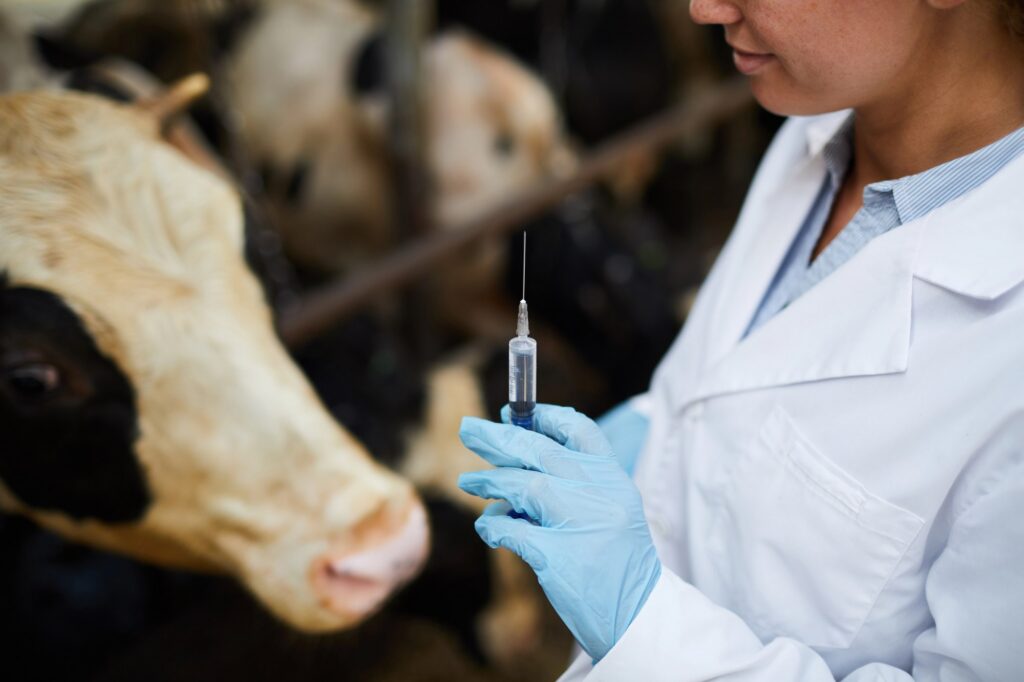
Kyrgyzstan Plans $10 Million Animal Vaccine Plant to Strengthen Livestock Sector

Kyrgyzstan is planning to build a modern animal vaccine production facility as part of broader efforts to improve disease prevention and support the development of its livestock sector. The project was discussed on March 17 during a meeting between Minister of Water Resources, Agriculture, and Processing Industry Erlist Akunbekov and representatives of Altyn Tamyr Joint-Stock Company. Altyn Tamyr is currently the country’s only producer of veterinary biopreparations, supplying the domestic market and exporting products to Kazakhstan, Uzbekistan, Afghanistan, Tajikistan, and Azerbaijan. Akunbekov described the planned facility as a strategic initiative and instructed officials to ensure that construction and commissioning proceed as quickly as possible. Preliminary estimates put the cost of the project at approximately $10 million. The government is expected to support the initiative through preferential financing and by creating favorable conditions for investors. Officials say the plant will help strengthen veterinary safety standards and improve productivity in the livestock sector. Once operational, it is also expected to enable Kyrgyzstan not only to meet domestic demand for veterinary vaccines but also to expand exports. The project comes amid continued growth in the country’s livestock population. According to the Ministry of Agriculture, as of the end of 2024 Kyrgyzstan had 1,828,527 head of cattle, an increase of 1.5% compared with the previous year, including 918,638 cows, up 1.8%. The number of sheep and goats reached 6,282,810, a year-on-year increase of 1.1%, while the horse population grew by 2% to 553,531 head. Poultry numbers rose more sharply, increasing by 10.5% to 7,724,314. To obtain more precise data, Kyrgyzstan plans to conduct a nationwide agricultural census from March 20 to April 10, 2026. Experts note that strengthening veterinary infrastructure will be crucial for sustaining growth in the livestock sector and expanding the country’s agricultural exports.

Kazakhstan Maintains Meat Exports to the UAE and Plans to Increase Shipments

Kazakhstani producers continue to export meat products to the United Arab Emirates despite logistical complications caused by the conflict in the Middle East. Shipments are also expected to increase, according to Kazakhstan’s Ministry of Trade and Integration. Military developments in the region, including hostilities affecting Iranian territory since February 28, have disrupted logistics for several Central Asian countries. Nevertheless, Kazakhstani exporters have managed to maintain their presence in Middle Eastern markets. According to the ministry, seven tons of chilled lamb were exported to the UAE over the past week. Deliveries are being carried out with the support of the ministry and the national export development operator QazTrade. Authorities aim to raise lamb exports to a regular level of ten tons per week. Shipments are taking place amid ongoing challenges in international logistics in the Persian Gulf region. International carriers report that restrictions on air traffic and disruptions to certain transport routes continue to affect cargo transport, particularly for perishable goods. To ensure stable exports, government agencies have strengthened cooperation with industry associations, including the Union of Livestock Breeders of Kazakhstan, the Union of Poultry Breeders of Kazakhstan, and the National Association of Meat Processors. The ministry states that Kazakhstan fully meets domestic demand for meat products. Export deliveries are carried out using surplus production volumes, enabling farmers to expand their access to foreign markets. A significant share of the food market in Gulf countries relies on imports. According to estimates by international organizations, up to 85-90% of food products in the UAE are imported. By the end of 2025, Kazakhstan’s total exports to the UAE amounted to $132.9 million. Mutton accounted for about 55% of food exports. Kazakhstan has been supplying mutton to the UAE market since 2021. In recent years, the country has actively expanded food exports to Middle Eastern markets, including shipments of grain, flour, vegetable oils, and meat products. According to Kazakhstan’s Ministry of Agriculture, by the end of the 2024/2025 marketing year (September-August), exports of grain and flour in grain equivalent reached 15.3 million tons, 60% higher than the previous year. In the current marketing year, shipments of grain and flour from the new harvest have already reached 8.5 million tons, representing a 14% increase compared with the same period in 2025.

Uzbekistan to Import 300,000 Animals, Launch $367 Million in Livestock Projects

Uzbekistan’s President Shavkat Mirziyoyev has announced a sweeping expansion of the country’s livestock sector as part of broader agricultural reforms. Speaking on December 10 at a meeting with industry specialists to mark Agriculture Workers’ Day, the president outlined key initiatives aimed at boosting domestic production of meat and dairy products. According to the president’s press secretary, the government will import 100,000 head of cattle and 200,000 sheep and goats in 2026. Farmers working within cotton and grain clusters will be permitted to construct lightweight livestock facilities of up to 20 sotok (approximately 0.2 hectares) on their existing plots, a move designed to better integrate crop and livestock operations. Uzbekistan will also extend its subsidy program for imported breeding cattle and day-old chicks for an additional five years. To support the livestock sector’s growth, the government plans to allocate $157 million from funding provided by the World Bank and the International Fund for Agricultural Development. These loans will be issued to farmers at an interest rate of 17% for a term of up to 10 years, including a three-year grace period. Additional financing will include $150 million from the Japan International Cooperation Agency (JICA) and $60 million from the Asian Development Bank. Authorities say the efficient use of these resources could support the launch of 1,000 projects valued at 5 trillion UZS, including the establishment of 340 small livestock farms across 167 districts, modeled after a French framework. Last year, the European Union Delegation to Uzbekistan and the French Development Agency (AFD) signed agreements to support sustainable livestock development. The EU committed €4.7 million in grants for technical assistance and an additional €7.9 million to support Uzbekistan’s drinking water program, helping lay the groundwork for these agricultural reforms.

Kyrgyzstan Loosens Livestock Export Ban, But Only by Air

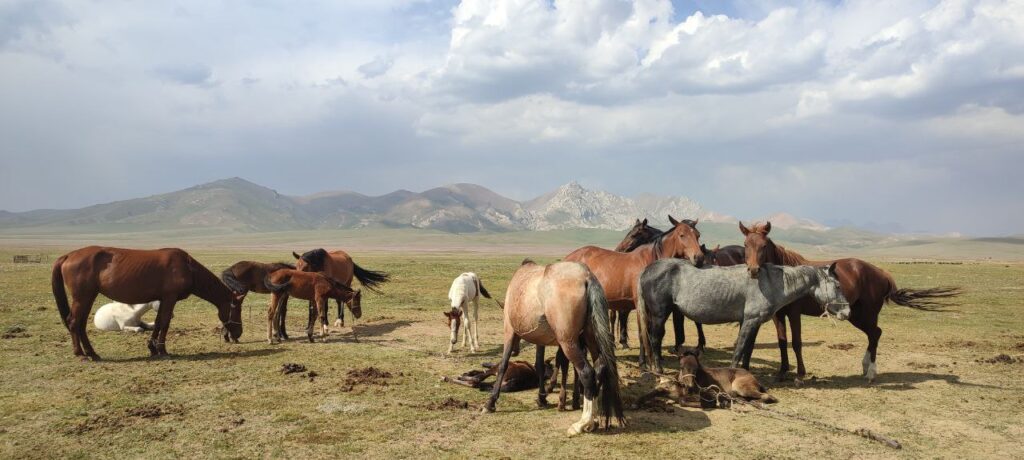
The Kyrgyz government has made an exception to its current ban on livestock exports, allowing horses to be exported by air under specific conditions. According to an official decree, the temporary export restrictions do not apply to horses transported via aircraft. Other permitted exceptions include the transit of livestock through Kyrgyz territory, the export of animals for participation in international competitions, and the gifting of horses to foreign dignitaries and international organizations. The exclusive right to export horses abroad has been granted to the state-owned enterprise Kyrgyz Agroholding. Customs and border control authorities have been ordered to step up oversight to prevent illegal animal exports. The Cabinet of Ministers initially imposed a six-month ban on the export of cattle, horses, sheep, and goats in response to rising meat prices in the domestic market. Authorities cited the widening price gap between Kyrgyzstan and neighboring countries as a key factor, with significantly higher meat prices abroad prompting farmers to sell livestock across borders.

Kyrgyzstan Restricts Livestock Exports to Stabilize Meat Prices

In early 2025, Kyrgyzstan temporarily suspended livestock exports in a bid to curb rising meat prices on the domestic market. The measure has resulted in a significant reduction in export volumes. According to the Ministry of Water Resources, Agriculture and Processing Industry, between January and mid-August 2025, Kyrgyzstan exported 30,493 cattle, 31,781 sheep and goats, and 1,636 horses. This marks a sharp decline compared to the same period in 2024, when the country exported 77,907 cattle, 70,392 sheep and goats, and 5,113 horses. Kyrgyz livestock is primarily exported to neighboring Central Asian countries. Officials say the suspension has helped prevent meat shortages and price surges domestically. To further bolster local meat production and supply, the ministry has proposed extending the export ban for an additional six months. In the first half of 2025, Kyrgyzstan produced 115,400 tons of meat, an increase of 3,900 tons compared to the same period in 2024. However, demand continues to outpace supply. National meat consumption stood at 309,400 tons in 2024 and reached 157,300 tons in the first half of 2025. In 2024, Kyrgyzstan met 86.2% of domestic meat demand through local production. That figure dropped to 79.7% in the first half of 2025, underscoring the country’s ongoing reliance on imports to bridge the supply gap. To contain prices, the government implemented temporary state control over retail meat prices beginning August 11. For a 90-day period, the price of beef and mutton has been capped at 700 Kyrgyz soms ($8) per kilogram.

Kyrgyzstan Urges Farmers to Expand Fodder Crop Cultivation

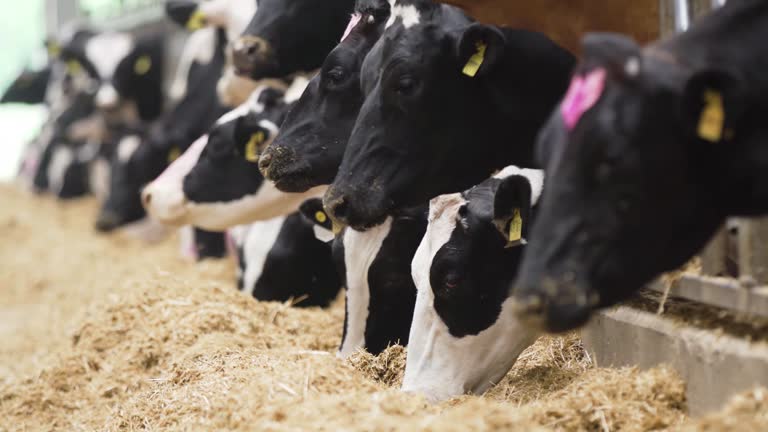
The Kyrgyz Ministry of Water Resources, Agriculture, and Processing Industry has called on farmers to actively plant corn, soybeans, sorghum, and other fodder crops for animal feed. The appeal was published on the ministry’s website. According to the ministry, these crops are used to produce green fodder for livestock during the winter months, when pastures are bare. This practice is particularly important in regions with developed livestock farming. Naryn region, for example, is the coldest in the country but also a leader in livestock production. Experts say expanding fodder crop cultivation would strengthen the sector’s resilience, boost meat and dairy output, and support overall agricultural growth. The ministry noted that each autumn, prices for hay and feed rise sharply due to shortages. In Chui region, many farmers prefer to grow alfalfa to fatten livestock. Alfalfa is also used for hay bales, but it is highly water-intensive. Given Kyrgyzstan’s limited water resources and reliance on flood irrigation, this can lead to disputes between farmers. While alfalfa remains popular, the ministry stressed that it is not suitable for all regions. As The Times of Central Asia previously reported, Kyrgyz authorities recently imposed price controls on meat amid growing exports to neighboring countries. One of the factors behind the price hikes was a shortage of animal feed.