Each year, approximately 14 million tons of agricultural products are lost across Central Asia due to inadequate storage infrastructure, according to a recent analytical report from the Eurasian Development Bank (EDB).
In Kyrgyzstan, Tajikistan, and Uzbekistan, so-called “dry warehouses” remain the norm. A significant share of produce is stored in facilities lacking the conditions necessary for long-term preservation. As a result, large volumes of crops spoil annually, especially during seasonal peaks.
The EDB notes that Eurasian countries are entering a new logistics phase. The rapid growth of e-commerce and retail expansion is generating unprecedented demand for modern warehouse infrastructure. According to the bank’s projections, total demand for warehouse space in the region will double by 2040, surpassing 120 million square meters.
Between 2020 and 2024, the region’s total warehouse space increased from 48 to 58 million square meters. Russia remains the dominant player, with around 53 million square meters of commercial and logistics space. Central Asian countries, however, continue to lag far behind.
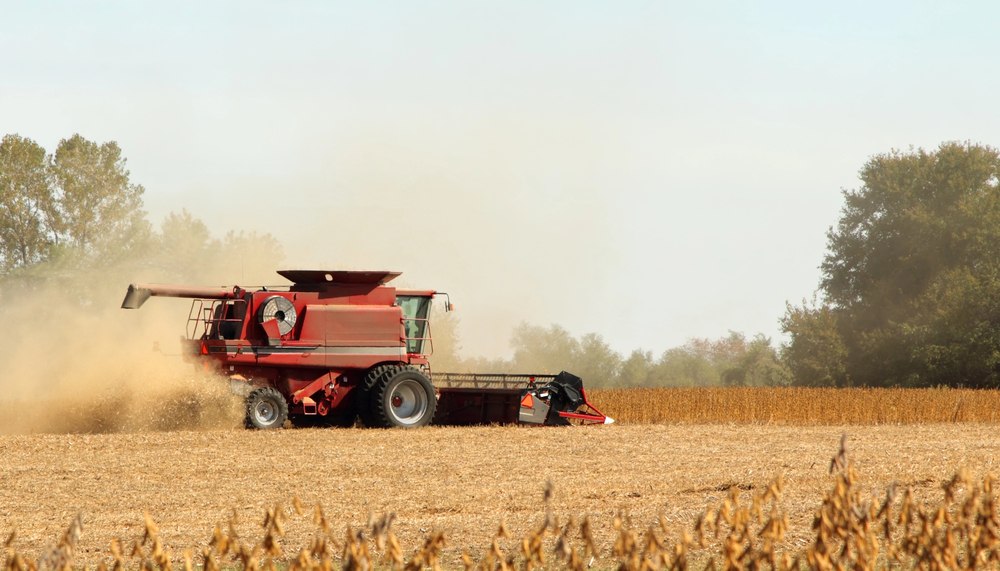
Crop losses peak during the autumn harvest and spring sales of residual stock. During these times, buffer storage and efficient transport logistics are critical. Without these, “farmers are forced to sell surpluses at the lowest price or throw them away,” EDB analysts warn.
Experts identify the warehouse sector as a key driver of trade growth in Eurasia. Realizing this potential, however, will require coordinated action among governments, businesses, and international institutions. The report emphasizes the need for a unified institutional environment to enhance investment appeal and market transparency.
“The region, which has long remained on the periphery of global logistics flows, is now shaping a new map of Eurasian logistics. In the coming years, the market will remain highly dynamic: more than 20 million square meters of new warehouse space is planned for commissioning, including 1.6 million square meters in Central Asian countries,” the report states.
Kyrgyzstan serves as a case in point. In 2020, amid the COVID-19 pandemic, agriculture was the country’s only growing sector. Yet farmers struggled with oversupply, cabbage, in particular, had to be fed to livestock or discarded due to a lack of buyers and storage facilities. A similar situation unfolded with potatoes.