• KGS/USD = 0.01144 0%
  • KZT/USD = 0.00211 0%
  • TJS/USD = 0.10515 0.48%
  • UZS/USD = 0.00008 0%
  • TMT/USD = 0.28530 0%
  • KGS/USD = 0.01144 0%
  • KZT/USD = 0.00211 0%
  • TJS/USD = 0.10515 0.48%
  • UZS/USD = 0.00008 0%
  • TMT/USD = 0.28530 0%
  • KGS/USD = 0.01144 0%
  • KZT/USD = 0.00211 0%
  • TJS/USD = 0.10515 0.48%
  • UZS/USD = 0.00008 0%
  • TMT/USD = 0.28530 0%
  • KGS/USD = 0.01144 0%
  • KZT/USD = 0.00211 0%
  • TJS/USD = 0.10515 0.48%
  • UZS/USD = 0.00008 0%
  • TMT/USD = 0.28530 0%
  • KGS/USD = 0.01144 0%
  • KZT/USD = 0.00211 0%
  • TJS/USD = 0.10515 0.48%
  • UZS/USD = 0.00008 0%
  • TMT/USD = 0.28530 0%
  • KGS/USD = 0.01144 0%
  • KZT/USD = 0.00211 0%
  • TJS/USD = 0.10515 0.48%
  • UZS/USD = 0.00008 0%
  • TMT/USD = 0.28530 0%
  • KGS/USD = 0.01144 0%
  • KZT/USD = 0.00211 0%
  • TJS/USD = 0.10515 0.48%
  • UZS/USD = 0.00008 0%
  • TMT/USD = 0.28530 0%
  • KGS/USD = 0.01144 0%
  • KZT/USD = 0.00211 0%
  • TJS/USD = 0.10515 0.48%
  • UZS/USD = 0.00008 0%
  • TMT/USD = 0.28530 0%

Our People > Anton Chipegin

Anton Chipegin's Avatar

Anton Chipegin

Anton was born and grew up in Bishkek, Kyrgyzstan. He worked as a television correspondent, editor and TV presenter on the main television channels of the republic, such as NTS and MIR 24, and also as an economic observer at international news agencies and other media resources of Kyrgyzstan.

Articles

Kyrgyzstan and Tajikistan Restore Flights Following Landmark Border Agreement

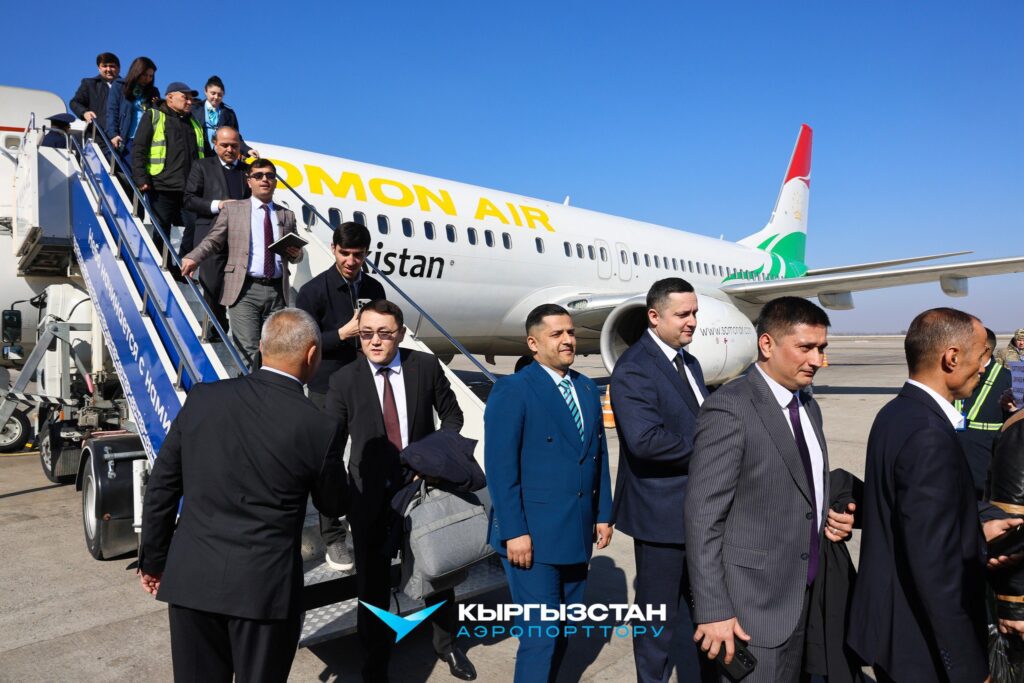
Regular flights between Kyrgyzstan and Tajikistan will resume in April 2025, marking a significant step in restoring air connectivity between the two countries​. A test flight on the Bishkek-Khujand-Bishkek route was successfully conducted by Kyrgyz airline Asman Airlines. Regular operations on this route will begin on April 8, with flights scheduled once a week. The approximate cost of a one-way ticket is expected to be around $90​. Additionally, Tajikistan's national carrier, Somon Air, has resumed regular flights between Dushanbe and Bishkek after nearly four years. The first flight was made possible following an agreement between the two governments to restore air service​. “This important development significantly strengthens air connectivity between Kyrgyzstan and Tajikistan, creating new opportunities for passengers and businesses. With the support of the presidents of both countries, regular flights between the capitals will become more accessible, contributing to the growth of economic and cultural ties,” said Manasbek Samidinov, Chairman of the Board of Manas International Airport Company​. As previously reported by The Times of Central Asia, the resumption of air travel comes shortly after a historic border demarcation agreement between Kyrgyzstan and Tajikistan. On March 13, Presidents Sadyr Japarov and Emomali Rahmon signed a treaty finalizing all border sections. The landmark deal was the result of three years of negotiations, mutual concessions, and land swaps.

1 year ago
English Law in Kyrgyzstan? Bold Move Faces Hurdles in Investment Disputes

Kyrgyzstan’s government is considering adopting elements of English common law to handle investment disputes, but legal experts remain skeptical about its feasibility. On March 13, Chairman of the Cabinet of Ministers Adylbek Kasymaliev met with the British Ambassador to Kyrgyzstan and a group of international consultants to discuss the potential integration of English legal principles into Kyrgyzstan’s legal framework. The initiative has also received support from President Sadyr Japarov, who, in late 2024, stated at the People’s Kurultai in Bishkek that the adoption of English law principles is essential for attracting foreign investment. “Citizens and external investors have the opportunity to invest in the construction of large projects. For large investments, first of all, it is necessary to have fair courts,” Japarov stated. Challenges in Implementing English Law In an interview with The Times of Central Asia, Shamaral Maichiev, chairman of the International Court of Arbitration in Kyrgyzstan, cautioned that adopting English law would require extensive legal and structural changes. “A package of legal and regulatory documents duplicating existing commercial law, including court procedures, would need to be developed and adopted. Alternatively, specific sections based on English law principles could be incorporated into current legislation,” Maichiev explained. Beyond legislative changes, Maichiev noted that judicial retraining would be essential. This includes: Requalifying legal professionals to apply Common Law principles Establishing a register of judges specialized in Common Law Conducting court proceedings in English or other international languages could pose logistical and financial challenges Hiring foreign judges would add further costs to the national budget. “Creating a new Common Law Court would be financially burdensome for the country, requiring substantial resources and a long implementation period,” Maichiev emphasized. Existing Arbitration Mechanisms in Kyrgyzstan Legal experts argue that Kyrgyzstan already allows the use of Common Law principles in international arbitration courts, making a new Common Law Court unnecessary. Judges at the Court of Arbitration under the Chamber of Commerce and Industry of Kyrgyzstan contend that investment and commercial disputes are already effectively handled through alternative dispute resolution mechanisms. “Today, the Kyrgyz Republic is one of the regional leaders in establishing legislative mechanisms for alternative dispute resolution. To enhance Kyrgyzstan’s international reputation and investment appeal, it is proposed that the International Court of Arbitration under the Chamber of Commerce and Industry handle investment and commercial disputes, including those based on Common Law principles, without requiring state budget funds,” Maichiev told TCA. The judge expressed confidence that the International Court of Arbitration in Kyrgyzstan has the resources to become a leading center for economic dispute resolution in the Eurasian region.

1 year ago

Kyrgyzstan Prepares for Spring Field Work

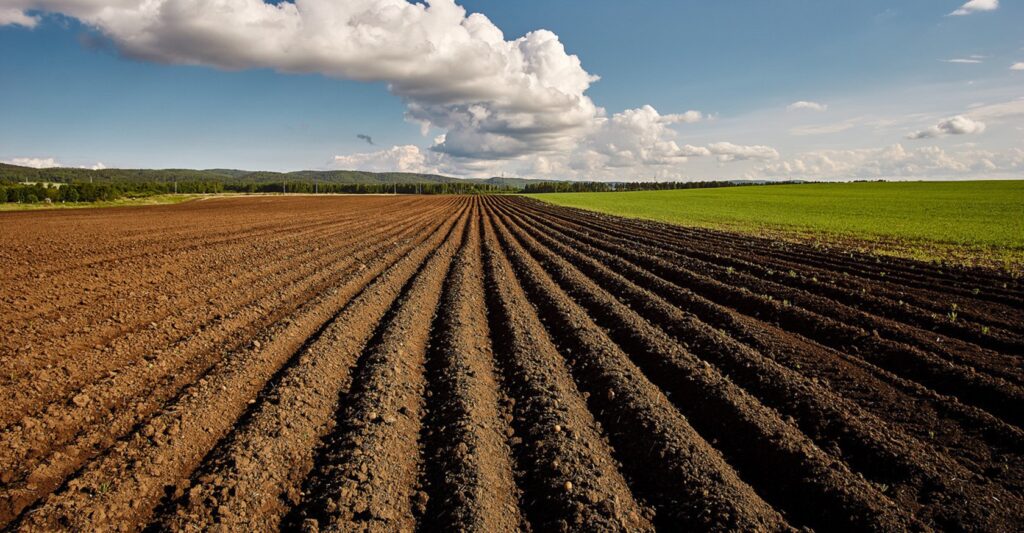
Kyrgyzstan’s Minister of Water Resources, Agriculture, and Processing Industry, Bakyt Torobaev, has reported to parliament on the country's preparations for the 2025 spring agricultural season. Key topics discussed included the reconstruction of irrigation facilities, the availability of fuel, seeds, and fertilizers, and the issuance of soft loans for purchasing agricultural machinery. According to Torobaev, the government has secured 42,000 tons of diesel fuel and 12,000 tons of gasoline to support farmers. This year’s total sowing area will cover 1.25 million hectares, an increase of 3,300 hectares from the previous year, which is expected to result in a larger harvest. Irrigation System Challenges Judging by questions raised by deputies from various regions, the main concern for farmers remains irrigation water supply. The discussion covered the construction of additional irrigation canals and the overall condition of the country’s irrigation system. Last year, a drought and deteriorating irrigation infrastructure led to significant water shortages for farmers, prompting widespread criticism of the Ministry of Agriculture. In response, the ministry developed a plan to construct dozens of Seasonal Regulation Basins, reservoirs designed to store excess water from snowmelt and rainfall for use in dry months. By 2028, the ministry aims to build 106 of these reservoirs. Seed and Fertilizer Supply Deputies also inquired about the availability of seeds ahead of spring planting. Torobaev gave assurances that 90% of the required seed volume has already been secured, and there will be no shortages of seeds, fertilizers, or pesticides. “This year, 64,600 tons of grain seeds will be sown. As of today, 58,500 tons have been accumulated, ensuring 91% of the required supply. For crops such as cereals, rice, tobacco, legumes, and soybeans, we are fully stocked at 100%,” Torobaev stated. Additionally, more than 12 million fruit and berry seedlings have been prepared for planting in state nurseries, with mineral fertilizers and pesticides actively being stocked. Advancements in Irrigation In southern Kyrgyzstan, enhanced water-saving irrigation has already begun. This technique involves providing crops with a high volume of water early in the growing season, which promotes better growth, increases stress resistance, and improves soil structure.

1 year ago

Kyrgyzstan’s Economic Boom or Bust? Calls for Inclusive Growth Persist

Kyrgyz President Sadyr Japarov declared late last year that the country’s economic growth had reached historic milestones, with GDP maintaining positive momentum. However, local economists remain skeptical about the broader impact of this growth. In 2020, Kyrgyzstan’s GDP stood at 639 billion KGS ($7.3 billion), according to official data. By the end of 2025, this figure is projected to reach 1.8 trillion KGS ($22 billion). Growth Without Inclusion In an interview with The Times of Central Asia, economist Nurgul Akimova acknowledged that the reported 9% GDP growth and the so-called “leopard’s leap” frequently mentioned by the government are positive developments. However, she stressed that for economic expansion to be meaningful for ordinary citizens, it must be inclusive. "Nine percent growth is not inclusive because it does not create additional jobs. The main drivers of our economic growth are construction, downstream industries, and the financial sector. These sectors do not contribute to improving human capital. In construction, for instance, a significant portion of costs goes toward imported building materials," Akimova explained. According to Akimova, Kyrgyzstan’s economy has followed an inertia-driven trajectory for the past 30 years, avoiding major shocks but also failing to achieve significant breakthroughs. She pointed out that if the garment sector were growing, it would have a greater impact, as it did 15 years ago when Kyrgyz-made clothing was exported to neighboring countries. "For example, a seamstress spends her income on education, healthcare, and consumption. By doing so, she contributes to the development of other inclusive sectors, benefiting society as a whole," Akimova said, adding that while the economy is expanding, it is not improving the welfare of citizens. A People-Centered Economy Akimova emphasized that economic policy should prioritize people’s wellbeing, as failure to do so could erode public trust in the government. She also criticized official comparisons of Kyrgyzstan’s economic growth with other countries, arguing that such assessments lack context. "Officials claim Kyrgyzstan is growing faster than others, but an economy that produces microchips and one that manufactures T-shirts are fundamentally different. These industries require distinct investment levels, equipment, and human capital." Kyrgyzstan’s economy is currently valued at approximately $14 billion. If the country were to sustain an annual 10% growth rate, as authorities suggest, GDP would increase by $1.4 billion per year. Akimova highlighted that this figure represents only 0.5% of Kazakhstan’s economic growth, 0.06% of Russia’s, and a mere 0.0006% of the United States’ GDP expansion. "When we hear claims that we are growing faster than others, we must consider the scale and complexity of economic processes," the economist concluded.

1 year ago

Kyrgyz Orthodox Bishop Urges Osh Authorities to Preserve Historic Cemetery

The head of the Orthodox Church in Kyrgyzstan has appealed to the mayor of Osh, the country's second city, to halt the planned demolition of an old cemetery as part of a large-scale urban reconstruction project. According to the bishop, the site is not only a burial ground but also an important historical monument tied to the lives of many generations of citizens. The Osh City Hall is currently undertaking an extensive redevelopment of roads, squares, and public spaces, as outlined in a municipal report. However, among the affected areas is an ancient cemetery dating back to 1870, which local clergy and historians consider an architectural and spiritual heritage site. For years, residents have voiced concerns to local media about the deteriorating condition of the cemetery. They claim that the site, located in the city center, has been neglected, misused for cattle grazing, and subjected to unauthorized construction. “Many graves here are not only examples of architectural art but also serve as a historical record of the diverse peoples of Kyrgyzstan,” local residents stated. The cemetery has been closed to new burials since the 1980s, but it contains mass graves of World War II veterans and other individuals who played a significant role in the development of Kyrgyzstan and Osh. Orthodox Bishop Savvatiy of Bishkek and Kyrgyzstan formally requested that the Osh City Hall preserve the cemetery, emphasizing its cultural and historical significance. He stressed that economic considerations should not take precedence over heritage preservation. “In many countries, old cemeteries are transformed into memorial complexes and historical landmarks,” Savvatiy noted. “For example, Père Lachaise Cemetery in Paris, Highgate in London, and Recoleta in Buenos Aires attract visitors from around the world and serve as places of remembrance and respect. The Russian cemetery in Osh is also part of the city's cultural heritage and should not be lost.” As of now, city officials have not issued an official response to the bishop’s appeal.

1 year ago