
• KGS/USD = 0.01143 0%
  • KZT/USD = 0.00216 0%
  • TJS/USD = 0.10633 -0.28%
  • UZS/USD = 0.00008 0%
  • TMT/USD = 0.28571 0%
  • KGS/USD = 0.01143 0%
  • KZT/USD = 0.00216 0%
  • TJS/USD = 0.10633 -0.28%
  • UZS/USD = 0.00008 0%
  • TMT/USD = 0.28571 0%
  • KGS/USD = 0.01143 0%
  • KZT/USD = 0.00216 0%
  • TJS/USD = 0.10633 -0.28%
  • UZS/USD = 0.00008 0%
  • TMT/USD = 0.28571 0%
  • KGS/USD = 0.01143 0%
  • KZT/USD = 0.00216 0%
  • TJS/USD = 0.10633 -0.28%
  • UZS/USD = 0.00008 0%
  • TMT/USD = 0.28571 0%
  • KGS/USD = 0.01143 0%
  • KZT/USD = 0.00216 0%
  • TJS/USD = 0.10633 -0.28%
  • UZS/USD = 0.00008 0%
  • TMT/USD = 0.28571 0%
  • KGS/USD = 0.01143 0%
  • KZT/USD = 0.00216 0%
  • TJS/USD = 0.10633 -0.28%
  • UZS/USD = 0.00008 0%
  • TMT/USD = 0.28571 0%
  • KGS/USD = 0.01143 0%
  • KZT/USD = 0.00216 0%
  • TJS/USD = 0.10633 -0.28%
  • UZS/USD = 0.00008 0%
  • TMT/USD = 0.28571 0%
  • KGS/USD = 0.01143 0%
  • KZT/USD = 0.00216 0%
  • TJS/USD = 0.10633 -0.28%
  • UZS/USD = 0.00008 0%
  • TMT/USD = 0.28571 0%

Our People > Anton Chipegin

Anton Chipegin's Avatar

Anton Chipegin

Anton was born and grew up in Bishkek, Kyrgyzstan. He worked as a television correspondent, editor and TV presenter on the main television channels of the republic, such as NTS and MIR 24, and also as an economic observer at international news agencies and other media resources of Kyrgyzstan.

Articles

Bishkek Continues Controversial Stray Dog Culling Amid Criticism and Lack of Resources

In 2024, Bishkek authorities received 158 citizen requests to capture and eliminate stray animals, all of which were fulfilled. According to official data, 14,378 stray dogs were captured and killed over the course of the year in the Kyrgyz capital​. Despite longstanding regulations mandating humane treatment, sterilization, vaccination, and release, city officials cite a lack of resources and infrastructure as the reason for continuing the practice of mass culling. The current rules were approved by the Bishkek City Council in 2002. “There are no municipal shelters for stray animals in Bishkek,” the City Council stated in official documents. “As a result, the municipal enterprise Tazalyk is forced to shoot stray dogs.” Officials argue that ending the practice would require the construction of an animal shelter, but such a project is not accounted for in the city’s budget. “Around the world, animal shelters are usually established by charitable organizations and public foundations,” said First Deputy Mayor Mirlanbek Baigonchokov, defending the administration’s inaction. The mayor’s office noted that stray dog shootings were temporarily halted in 2021, but resumed following what it described as numerous public complaints. From 2015 to 2024, Bishkek health institutions registered 1,391 dog bite cases, 949 of which involved children. Tazalyk reports that it costs approximately 430 Kyrgyz soms (about $5) to eliminate a single stray dog. This cost covers one bullet, a disposal bag, the hunter’s salary, and a contribution to the Social Fund​. However, animal welfare experts argue that culling is not only inhumane but ineffective. “Shooting does not work. In fact, the number of stray animals increases every year,” said Tazalyk Director Zholdosh Chushtukov. “We need a different approach. We propose mandatory sterilization and castration.”

1 year ago

Kyrgyz Drivers to Face On-the-Spot Traffic Rule Tests During Stops

Beginning September 1, drivers in Kyrgyzstan may be required to demonstrate their knowledge of traffic regulations during routine stops by traffic police. The directive aims to reduce road accidents by ensuring that motorists are familiar with basic driving rules. The new policy was announced by government spokesperson Askat Alagozov on his Facebook page. Oral Exams During Traffic Stops Under the initiative, drivers found violating traffic rules may be asked to take an oral exam on the spot. Those who fail will have their driver’s license temporarily suspended until they pass the test. According to Alagozov, the fee for the first retest attempt will be 500 Kyrgyz som (approximately $5.70). The cost increases with each failed attempt, 1,000 KGS ($11.50) for the second, 2,000 KGS ($23) for the third, and 4,000 KGS ($46) for the fourth try. The entire testing process will be recorded on video to help prevent corruption. Drivers will regain their licenses immediately upon successfully passing the exam. A Response to Rising Road Fatalities Alagozov said the initiative responds to the country’s high number of traffic accidents, which have claimed hundreds of lives. He attributed many of these incidents to drivers lacking basic knowledge of road safety rules. “Because of those who do not know the rules of the road, children become orphans, parents lose their sons and daughters, experiencing terrible tragedies. Many become disabled,” he said. He added that prior to 2020, driver's licenses were routinely sold for 15,000 to 20,000 KGS ($80 to $150), with only 20-30% of motorists having actually passed the required exams. Mixed Reactions From the Public The initiative has sparked heated debate on social media. While some citizens support the move as a necessary step toward improving road safety, others fear it could open the door to new forms of corruption and extortion by traffic police. Authorities maintain that the video-recorded testing procedure will act as a safeguard against abuse, and insist the new policy is a serious step toward safer roads in Kyrgyzstan.

1 year ago

Tajik Entrepreneurs Return to Kyrgyz Markets

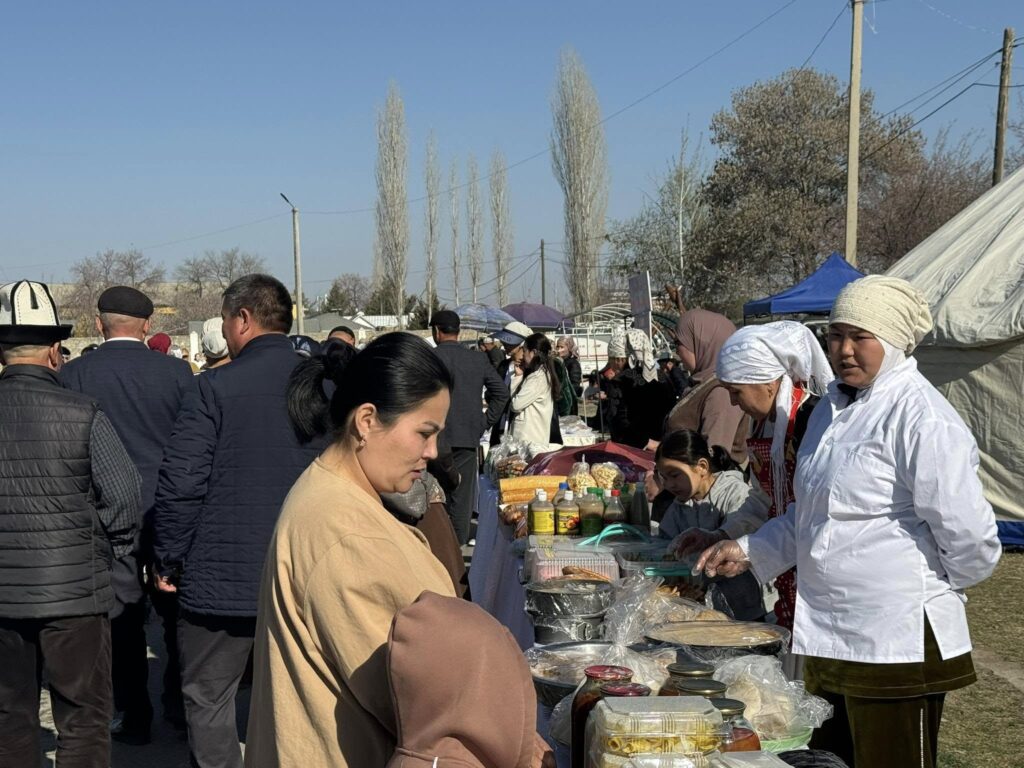
Following the reopening of the Kyrgyz-Tajik border, Tajik entrepreneurs have resumed visits to markets in Batken Oblast, Kyrgyzstan. Local media report that residents are welcoming the return of their southern neighbors​. Once a week, the market in Ak-Turpak village becomes a hub of activity, drawing sellers and buyers from across the region and neighboring countries. A major draw is Batken rice, which resellers purchase in bulk for export to Uzbekistan and Russia. According to local vendors, the market can sell up to 200 tons of rice on a busy day. Rice is cultivated across 3,000 hectares in this border region and remains a vital source of income for many farmers. With the border now open and economic ties restored, buyers from Isfara, Tajikistan, have begun frequenting the Ak-Turpak market, offering a welcome boost to Kyrgyz vendors. As previously reported by The Times of Central Asia, residents of Batken’s border districts also benefit from cross-border trade, often finding it more economical to purchase certain fruits and vegetables in Tajikistan than in Kyrgyzstan’s oblast centers. On March 13, 2025, following the signing of bilateral agreements, the Kairagach and Kyzyl-Bel border checkpoints in Batken Oblast officially reopened. According to Kyrgyzstan’s Border Guard Service, approximately 5,000 people crossed the Kyrgyz-Tajik border between March 13 and 17. An additional 500 individuals crossed by air. Prior to the agreement, all crossings had remained closed since 2021.

1 year ago

UN Human Rights Commissioner Raises Alarm Over Air Quality in Bishkek

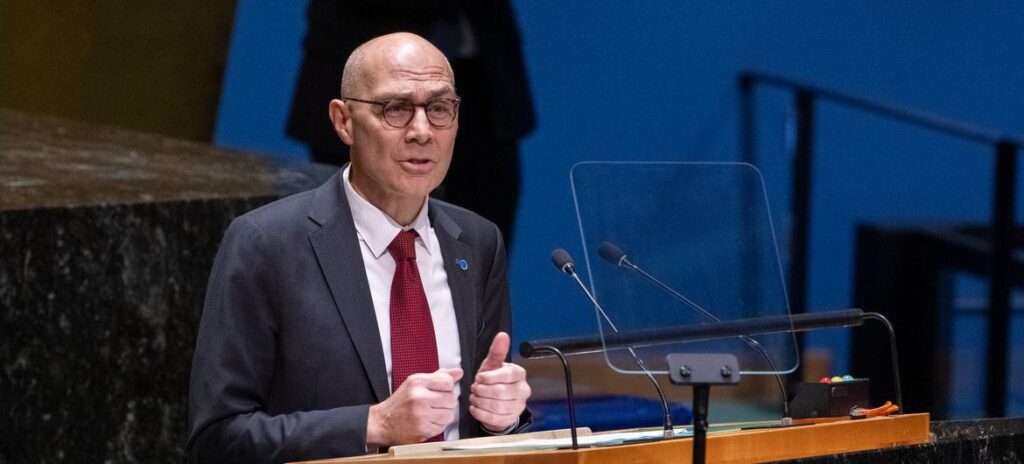
UN High Commissioner for Human Rights Volker Türk has expressed concern over deteriorating air quality in Bishkek during his official visit to Kyrgyzstan. The visit, focused on civil rights, freedom of speech, and economic development, also addressed pressing environmental issues affecting the Kyrgyz capital. Speaking at a press conference, Türk emphasized that Kyrgyzstan ranks among the most polluted countries in the region, and that air quality in Bishkek poses a serious threat to public health and the environment. “Despite some progress and financial support from international organizations, much more needs to be done to protect the environment,” he said. Türk urged Kyrgyz authorities to intensify efforts to combat climate change and to increase investment in green initiatives. He underscored the importance of climate finance and the need for comprehensive, cooperative action. “This issue must be addressed in partnership and through a climate change lens,” he said. “While there have been financial injections from international donors, they have not yet translated into sufficient results. Each country bears responsibility. Green investments are essential, not just for Kyrgyzstan, but for all nations. The government must take stronger, more effective action.” According to the 2024 World Air Quality Report from IQAir, cities across Central Asia consistently exceed World Health Organization (WHO) recommendations for fine particulate matter (PM2.5). The report notes the following annual average concentrations (in micrograms per cubic meter): Dushanbe: 46.3 Tashkent: 31.4 Bishkek: 21.2 Osh: 20.5 Almaty: 20.3 Astana: 15.4 For context, the WHO’s recommended safe limit for PM2.5 is no more than 5 micrograms per cubic meter.

1 year ago

Kyrgyzstan’s Largest Gold Deposit: Environmental Disaster on the Horizon?

Concerns over a potential environmental catastrophe at the Kumtor mine, Kyrgyzstan’s largest gold deposit, have gained traction following a recent statement by Adilet Usupbaev, an ecologist from the National Academy of Sciences. According to Usupbaev, a waste dump at the high-altitude mine is shifting toward the Kumtor River, which feeds into the Naryn River and, eventually, the Syr Darya River, raising fears of severe contamination if waste reaches the waterway. Ecologist Raises Alarm in Parliament Speaking in Parliament, Usupbaev explained that waste rock dumps, formed as a byproduct of mining operations, are gradually shifting. While several such dumps exist at Kumtor, one in particular is now edging closer to the Kumtor River. “If the dump reaches the Kumtor River, it will be a disaster. We need urgent measures to stop its movement, planting Caragana shrubs, for instance. As an experiment, we planted them in the area, and they took root. The shrubbery won’t stop the dump entirely, but it’s at least an attempt,” Usupbaev said. He warned that waste accumulation at mining sites across the country is increasing each year, potentially leading to widespread environmental damage if proper land reclamation is not implemented. Many dumps, he noted, contain harmful chemical compounds. Mining Company Rejects Claims The Kumtor Gold Company dismissed the ecologist’s concerns, asserting that his claims lack an objective basis. The company emphasized that the movement of waste dumps is occurring at a slower rate than anticipated. “At present, actual displacement is within our 2023 forecast and does not yet match the projected values for 2025. The dump remains 160 meters from the 2025 boundary and roughly one kilometer from the Kumtor River,” the company stated. Kumtor officials insisted that continuous scientific monitoring allows them to assess and manage geotechnical risks, preventing potential hazards such as dump collapses or water contamination. They further argued that the dumps consist solely of waste rock mass, free of harmful chemical elements. Has This Happened Before? Kumtor has previously been the cause of significant environmental issues. In 1998, a traffic accident led to almost a ton of cyanide spilling into a river near the village of Barskoon. In terms of waste dump movements, in 2013, shifting rock masses threatened residential areas, administrative buildings, and a weather station, forcing the company to demolish and relocate infrastructure. According to Isakbek Torgoev, head of the Geoecological Monitoring Laboratory at the Kyrgyz National Academy of Sciences, the movement of waste rock dumps is a constant process at Kumtor due to the thawing of permafrost beneath them. “These dumps are always moving, sometimes faster, sometimes slower, but Kumtor’s geotechnical service closely monitors them. The Lysyi Glacier dump is currently the closest to the Kumtor River, but it is still about a kilometer away,” Torgoev told The Times of Central Asia. Torgoev recalled visiting the mine a decade ago as part of a government commission tasked with inspecting the dumps. At the time, authorities stated that all waste dumps should be stabilized by the mine’s closure, a goal that...

1 year ago