• KGS/USD = 0.01144 0%
  • KZT/USD = 0.00217 0%
  • TJS/USD = 0.10456 0%
  • UZS/USD = 0.00008 0%
  • TMT/USD = 0.28571 0%
  • KGS/USD = 0.01144 0%
  • KZT/USD = 0.00217 0%
  • TJS/USD = 0.10456 0%
  • UZS/USD = 0.00008 0%
  • TMT/USD = 0.28571 0%
  • KGS/USD = 0.01144 0%
  • KZT/USD = 0.00217 0%
  • TJS/USD = 0.10456 0%
  • UZS/USD = 0.00008 0%
  • TMT/USD = 0.28571 0%
  • KGS/USD = 0.01144 0%
  • KZT/USD = 0.00217 0%
  • TJS/USD = 0.10456 0%
  • UZS/USD = 0.00008 0%
  • TMT/USD = 0.28571 0%
  • KGS/USD = 0.01144 0%
  • KZT/USD = 0.00217 0%
  • TJS/USD = 0.10456 0%
  • UZS/USD = 0.00008 0%
  • TMT/USD = 0.28571 0%
  • KGS/USD = 0.01144 0%
  • KZT/USD = 0.00217 0%
  • TJS/USD = 0.10456 0%
  • UZS/USD = 0.00008 0%
  • TMT/USD = 0.28571 0%
  • KGS/USD = 0.01144 0%
  • KZT/USD = 0.00217 0%
  • TJS/USD = 0.10456 0%
  • UZS/USD = 0.00008 0%
  • TMT/USD = 0.28571 0%
  • KGS/USD = 0.01144 0%
  • KZT/USD = 0.00217 0%
  • TJS/USD = 0.10456 0%
  • UZS/USD = 0.00008 0%
  • TMT/USD = 0.28571 0%

Our People > Anton Chipegin

Anton Chipegin's Avatar

Anton Chipegin

Anton was born and grew up in Bishkek, Kyrgyzstan. He worked as a television correspondent, editor and TV presenter on the main television channels of the republic, such as NTS and MIR 24, and also as an economic observer at international news agencies and other media resources of Kyrgyzstan.

Articles

Kyrgyz Health Ministry Pushes for Laws to Shield Medics from Violence

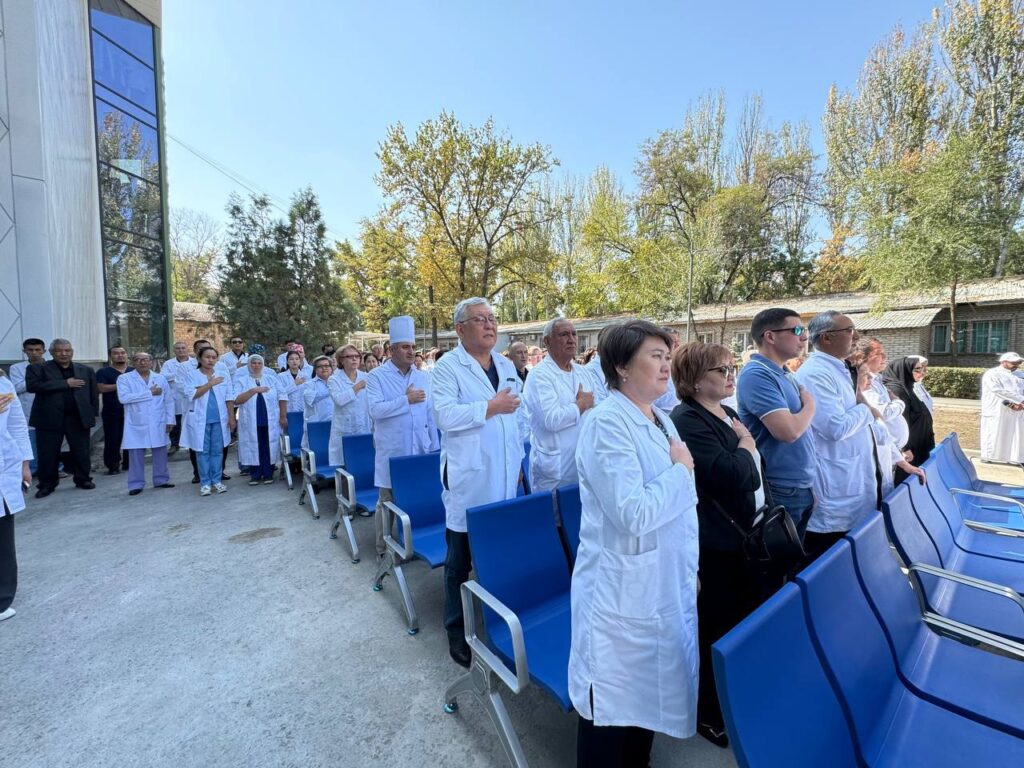
The Kyrgyz Ministry of Health has called for amendments to the country’s criminal code to establish a legal framework protecting medical professionals from violence by citizens. The proposed measures aim to address a growing concern for the safety of doctors, nurses, and other healthcare workers. “Violence against medical workers is a serious problem that requires immediate action,” the ministry stated in its justification for the bill. “Doctors, nurses, and other staff face physical aggression from patients, relatives, or even bystanders. This threatens the health and lives of medical personnel and disrupts the normal functioning of healthcare institutions.” The ministry emphasized that threats or acts of physical harm create a stressful work environment, distract medical workers from their duties, and may lead to errors in diagnosing and treating patients. Proposed Penalties The Ministry of Health outlined specific punishments for various forms of violence and disrespect toward medical workers: • Minor harm: A fine of up to 100,000 KGS ($1,200), correctional labor for six months to one year, or deprivation of the right to hold certain positions. • Severe harm: A fine or imprisonment for one to three years. Additionally, the ministry seeks penalties for disrespectful or insulting behavior toward doctors. This includes demonstrating obscene gestures, verbal abuse, or indecent conduct, which could also result in fines or correctional labor. Growing Concerns Healthcare workers in Kyrgyzstan have long faced violence in their workplaces. After several incidents of attacks on doctors by patients and their relatives, the National Hospital implemented stricter security measures, including the installation of panic buttons and video surveillance cameras. Medical professionals have voiced the need for stronger protections to ensure a safer working environment. The proposed amendments aim to deter violence and foster greater respect for those who provide critical healthcare services.

1 year ago

Kyrgyzstan to Impose Fines for Online Insult and Libel

The Jogorku Kenesh, Kyrgyzstan’s parliament, has approved a bill in its second reading to impose fines for insult and libel on the Internet. Initially criticized for its steep penalties, the fines have been reduced fivefold following public backlash. The bill was first introduced to the parliamentary committee in June. Public dissatisfaction arose over the high penalties it proposed, which included fines of 100,000 KGS ($1,200) for individuals and 200,000 KGS ($2,400) for legal entities. Kyrgyz Ombudsman Jamilya Dzhamanbaeva was among the first to voice opposition, arguing that the fines were “unreasonably high” and violated the principle of proportionality. Media representatives also demanded public consultations, emphasizing that laws affecting citizens' rights and media freedom require parliamentary hearings under Article 115 of Kyrgyz law. Responding to the widespread criticism, lawmakers amended the bill to reduce the fines by 80%. “It is every citizen's absolute right to criticize the authorities. But every criticism must have a ‘red line’ that no one is allowed to cross. Constructive criticism should never be perceived as an offense by government bodies,” said social activist Alisher Tashmatov, speaking to The Times of Central Asia. Tashmatov supported the need for libel laws, pointing out that false information, particularly targeting high-ranking officials during election seasons, is a growing concern in Kyrgyzstan. Guli Almambetova, former head of the Bishkek City Hall press service, shared her perspective, having faced numerous online insults during her tenure. While unpleasant, she said such criticism often provided valuable insights into municipal shortcomings. “This kind of unflattering feedback helped us analyze the performance of city services and address specific issues,” Almambetova explained. Known for her blunt social media commentary, she also acknowledged that her sharp exchanges with citizens spurred her to establish press services within municipal agencies to handle complaints more constructively. Almambetova stressed the importance of balancing responsibility and freedom of expression: “A system of accountability for one’s words is essential. Citizens should channel their grievances about poor public service through proper contacts. That’s how we grow as a society and find the balance between insult and constructive criticism.” Until such a balance is achieved, however, the state is adopting stricter measures to curb online hostilities toward public officials and institutions.

1 year ago

Kyrgyzstan Seeks to Boost Food Exports to EU Markets

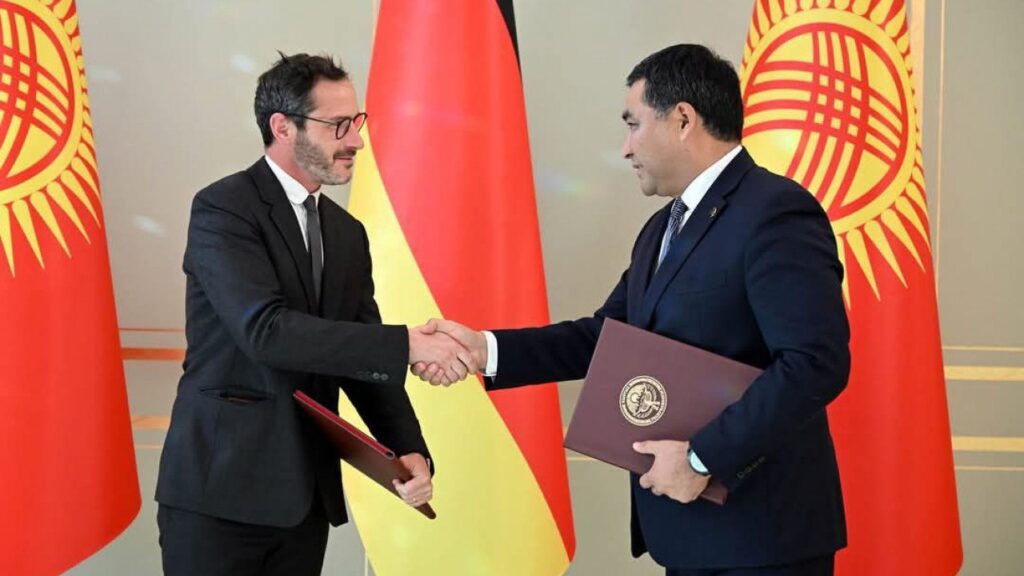
Kyrgyzstan is set to increase its agricultural exports to the European Union following an agreement with British certification company Intertek. Minister of Economy and Commerce Daniyar Amangeldiev recently met with Jeremy Gaspar, Vice President for Government and Trade Services at Intertek, in Berlin to discuss the initiative. The agreement will help Kyrgyz companies certify their products according to international standards, significantly improving their competitiveness in EU markets. The Ministry of Economy is optimistic that this collaboration will expand the country's export capacity while modernizing its quality assurance systems. Beyond agriculture, the ministry is also exploring certification opportunities for the manufacturing sector, particularly Kyrgyzstan's garment industry, which holds significant potential for international growth. As part of the next phase of the project, Intertek experts will visit Kyrgyzstan to conduct a comprehensive analysis of the country's laboratories and certification infrastructure. Intertek, a global leader in product certification and quality control, will work closely with local authorities to align Kyrgyzstan’s systems with international standards. “A visit by Intertek specialists will mark a crucial step in modernizing our laboratories and integrating Kyrgyzstan’s national certification framework into global quality assurance practices,” the ministry stated. Last month, a Kyrgyz delegation visited an Intertek laboratory in Bremen, Germany, to review European methodologies and initiate arrangements for European specialists to visit Kyrgyzstan. These specialists will evaluate the functionality of Kyrgyz laboratories and recommend improvements to ensure compliance with EU requirements. Kyrgyzstan views this partnership as a critical step toward enhancing the quality and competitiveness of its export products, ultimately strengthening its presence in international markets.

1 year ago

On the Threshold of Cold Weather, Kyrgyz People Stockpile Coal

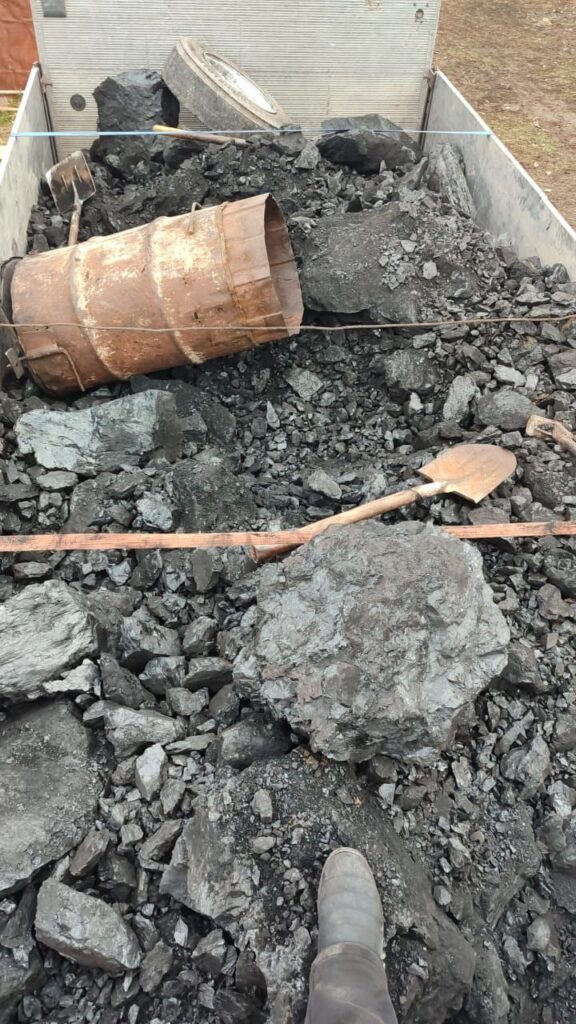
Kyrgyz authorities have extended a temporary ban on coal exports outside the Eurasian Economic Union (EAEU) customs territory. The decree, signed by the head of the Cabinet of Ministers, Akylbek Japarov, aims to prevent a sharp rise in coal prices amid growing demand and to mitigate potential public unrest caused by fuel shortages. The ban, which will remain in effect for six months, excludes coal exported by the state enterprise Kyrgyzkomur. This coal is sold to neighboring Uzbekistan. The Kyrgyz Ministry of Economy and Commerce has been tasked with notifying the World Trade Organization of this decision. As temperatures drop, coal outlets across Kyrgyzstan are experiencing a rush of purchases by residents anxious to prepare for the cold weather. This surge in demand has caused coal prices to rise. To address the issue, the Antimonopoly Service has begun conducting regular inspections of retail outlets to identify sellers inflating prices. “We visit trading outlets undercover and identify sellers who artificially increase prices. Citizens also report violations via our hotline. According to the law, individuals can be fined 3,000 KGS (around $35), and companies can face fines of up to 13,000 KGS (approximately $150),” explained Taalaibek Kenzheshev, a leading specialist in the Antimonopoly Regulation Service's department, during an interview with The Times of Central Asia. In response to rising prices, the government has opened state-run coal outlets to sell fuel directly to consumers without intermediaries, ensuring more affordable pricing. “At private markets, sellers often cheat by selling coal in bags with insufficient weight. State-run outlets sell coal by weight, making it more reliable and cost-effective,” shared Sanzhar Orozbekov, a resident of Chui Oblast, with The Times of Central Asia. The Antimonopoly Regulation Service has set maximum coal prices in each region, depending on logistics complexity and the distance from coal mines. The highest coal prices are in Karakol, located east of the Issyk-Kul region, while the cheapest coal is found in southern Kyrgyzstan. However, even in the south, prices are influenced by coal exports to Uzbekistan. Imported Kazakh coal remains popular among Kyrgyz residents despite its higher cost. Known for burning more efficiently and producing greater heat, it is a preferred choice for some. However, the government intends to phase out the use of Kazakh coal at the Bishkek combined heat and Power Plant (CHPP), planning instead to rely entirely on domestic coal sources. According to the Kyrgyz Ministry of Energy, the country will need 2.6 million tons of coal for the upcoming autumn-winter season, half of which is required by households. The Ministry has assessed preparations for winter as adequate and has assured citizens that there will be no power outages this year.

1 year ago

France to Support Development of Kyrgyzstan’s Largest Ski Resort

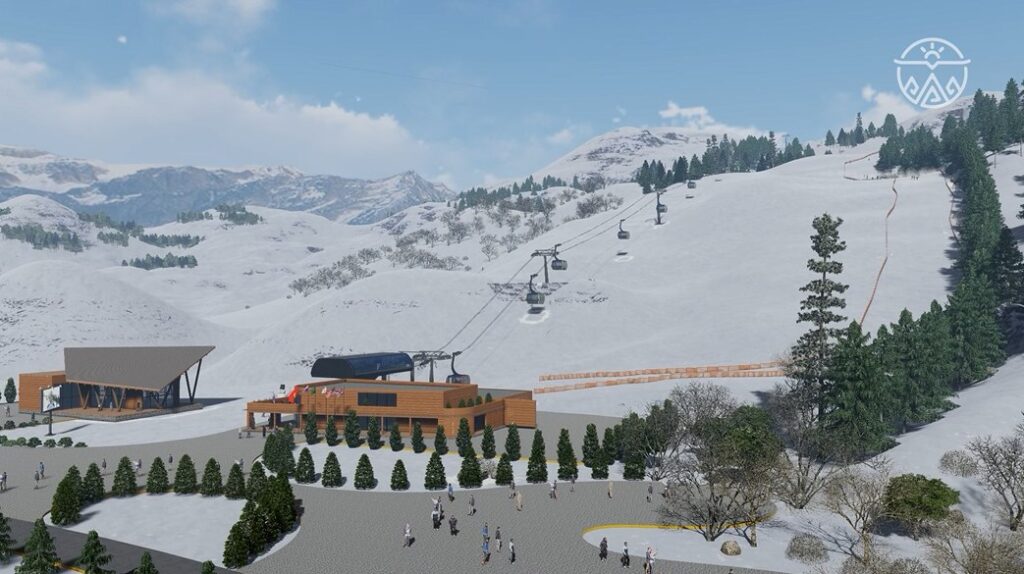
Kylychbek Rysaliyev, President of Kyrgyzstan’s Tourism Development Support Fund, recently met with French Ambassador to Kyrgyzstan Nicolas Faye to discuss enhancing bilateral cooperation in tourism. During the talks, Ambassador Faye reaffirmed France’s commitment to supporting the development of a major skiing complex in the Issyk-Kul region. Highlighting the importance of the Three Peaks Ski Complex project, Ambassador Faye described it as a priority for the French Embassy, promising France’s expertise in its design and execution. “The lack of direct flights between Kyrgyzstan and France currently hinders a broader influx of tourists,” noted Ambassador Faye, emphasizing that improving air connectivity could significantly boost tourism potential. Rysaliyev underscored the value of French expertise, pointing to France’s robust tourism industry, which is a key driver of its national economy. He expressed confidence that collaboration on the Issyk-Kul ski complex would facilitate valuable knowledge exchange and elevate Kyrgyzstan’s position as a global tourist destination. The Three Peaks Ski Complex, a flagship initiative announced by Kyrgyz President Sadyr Japarov, is already in its preparatory phase. Infrastructure improvements, including road construction, power supply, and water systems, are underway. The state-owned company Kyrgyz Courchevel has been tasked with overseeing the project’s development. The first phase of the resort, set to open by 2030, will include 60 kilometers of ski tracks out of an anticipated 200 kilometers, six ropeways, and a range of facilities such as hotels, restaurants, ethno-towns, and conference halls. The project is expected to position the Issyk-Kul region as a premier skiing destination, fostering economic growth and attracting international visitors.

1 year ago