• KGS/USD = 0.01144 0%
  • KZT/USD = 0.00212 0%
  • TJS/USD = 0.10456 0.19%
  • UZS/USD = 0.00008 0%
  • TMT/USD = 0.28490 0%
  • KGS/USD = 0.01144 0%
  • KZT/USD = 0.00212 0%
  • TJS/USD = 0.10456 0.19%
  • UZS/USD = 0.00008 0%
  • TMT/USD = 0.28490 0%
  • KGS/USD = 0.01144 0%
  • KZT/USD = 0.00212 0%
  • TJS/USD = 0.10456 0.19%
  • UZS/USD = 0.00008 0%
  • TMT/USD = 0.28490 0%
  • KGS/USD = 0.01144 0%
  • KZT/USD = 0.00212 0%
  • TJS/USD = 0.10456 0.19%
  • UZS/USD = 0.00008 0%
  • TMT/USD = 0.28490 0%
  • KGS/USD = 0.01144 0%
  • KZT/USD = 0.00212 0%
  • TJS/USD = 0.10456 0.19%
  • UZS/USD = 0.00008 0%
  • TMT/USD = 0.28490 0%
  • KGS/USD = 0.01144 0%
  • KZT/USD = 0.00212 0%
  • TJS/USD = 0.10456 0.19%
  • UZS/USD = 0.00008 0%
  • TMT/USD = 0.28490 0%
  • KGS/USD = 0.01144 0%
  • KZT/USD = 0.00212 0%
  • TJS/USD = 0.10456 0.19%
  • UZS/USD = 0.00008 0%
  • TMT/USD = 0.28490 0%
  • KGS/USD = 0.01144 0%
  • KZT/USD = 0.00212 0%
  • TJS/USD = 0.10456 0.19%
  • UZS/USD = 0.00008 0%
  • TMT/USD = 0.28490 0%

Our People > Anton Chipegin

Anton Chipegin's Avatar

Anton Chipegin

Anton was born and grew up in Bishkek, Kyrgyzstan. He worked as a television correspondent, editor and TV presenter on the main television channels of the republic, such as NTS and MIR 24, and also as an economic observer at international news agencies and other media resources of Kyrgyzstan.

Articles

End of the Trolleybus: Bishkek Authorities Abandon Eco-Friendly Transport Option

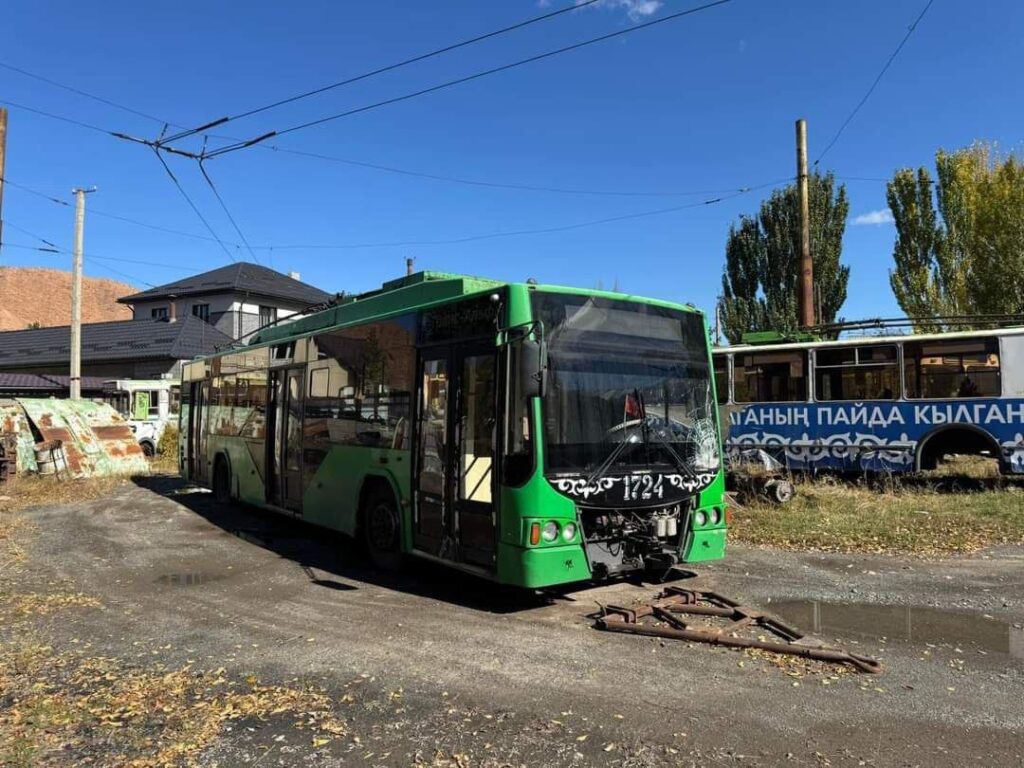
Bishkek authorities are phasing out trolleybuses in favor of buses, sparking criticism from residents and environmental advocates. Activists allege that municipal workers are dismantling trolleybus infrastructure, prompting lawsuits and complaints to the European Bank for Reconstruction and Development (EBRD), which funded trolleybus purchases for the city. The Shift to Electric Buses In defense of the decision, Mayor Aibek Junushaliyev argued that trolleybuses no longer meet the city’s needs, citing frequent breakdowns and their inability to operate effectively in Bishkek’s outskirts. Instead, the city plans to transition to large electric buses, with 120 units ordered from China’s Ankai Automobile Co., set to arrive in mid-2025. For now, public transport is provided by gasoline and gas-powered buses. The existing trolleybuses are being transferred to Osh, with approximately 100 slated for relocation. The Bishkek Trolleybus Department signed a contract with Ankai in 2022 to deliver the electric buses and charging infrastructure. The move is supported by funding from the Asian Development Bank (ADB), which has allocated $50 million to the project. [caption id="attachment_25888" align="aligncenter" width="1280"] Photo: Bermet Borubayeva[/caption] Activists Push Back Public opposition to the trolleybus phaseout is growing. Activist Bermet Borubayeva insists that Bishkek officials have no legal authority to transfer the trolleybuses. She highlighted that many were purchased using a $23.5 million EBRD loan ratified by Kyrgyzstan’s parliament, which stipulated that the vehicles must remain in Bishkek. “Citizens repay these loans through taxes, and without the EBRD’s consent, the municipality cannot transfer the trolleybuses elsewhere,” Borubayeva explained. She accused city officials of deliberately damaging trolleybus infrastructure. “They cut the wires in various places, rendering the system unusable. This violates both domestic and international laws,” she said. Despite these challenges, Borubayeva noted that activists have mobilized a significant resistance movement to preserve the trolleybuses. Environmental and Social Concerns Trolleybuses carried 20 million passengers last year without producing carbon emissions, making them vital to Bishkek’s eco-friendly public transportation. In a city grappling with severe air pollution, critics argue that phasing out trolleybuses exacerbates environmental problems. Borubayeva also questioned the city’s claims about ADB funding. “The mayor’s office says the electric bus project will replace the entire trolleybus fleet, but ADB documents indicate that only 20 trolleybuses are affected. Either the mayor’s office is misleading us, or the ADB is,” she asserted. According to ADB’s memorandum, the project includes a $59 million budget, with $50 million provided as a credit line and $15 million as a grant. The funds are primarily for electric bus procurement, along with infrastructure construction and consulting services. However, ADB representatives clarified to activists that the funding is for additional infrastructure, not an outright replacement of trolleybuses. Public Transportation in Crisis The dismantling of the trolleybus system has left Bishkek residents struggling with inadequate transportation. Buses have yet to fill the gap, leading to mounting public frustration. “We must address the public transportation crisis urgently,” MP Dastan Bekeshev said during a parliamentary session. “People cannot get to work or school on time. The trolleybuses need to be brought back into...

1 year ago
More Than 70,000 Kyrgyz Citizens Violate Russian Migration Laws

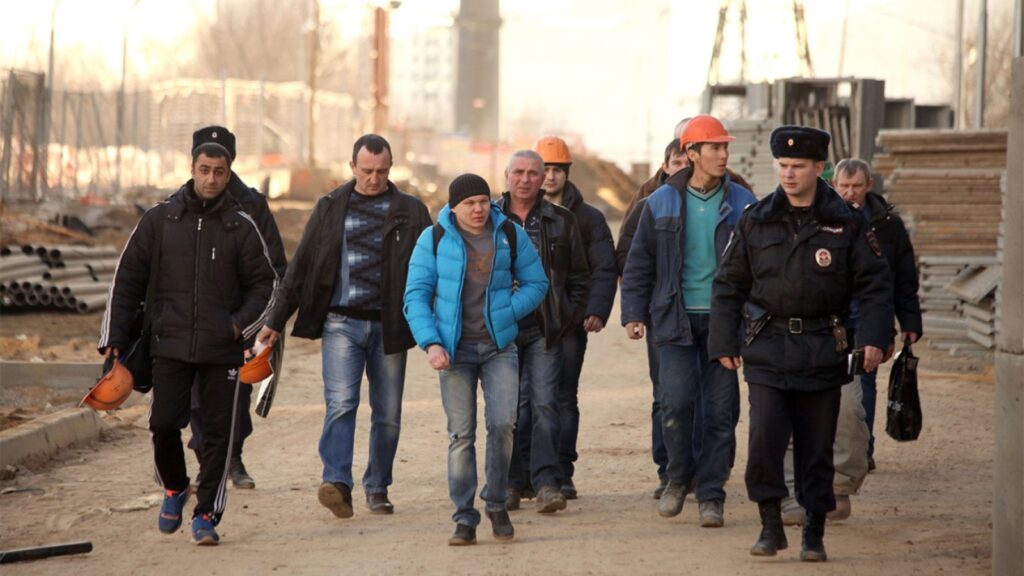
The Ministry of Foreign Affairs of Kyrgyzstan has reported that 71,949 Kyrgyz citizens working in Russia are at risk due to potential violations of Russian migration laws. According to the ministry, the individuals at risk are those for whom the Russian Ministry of Internal Affairs’ database lacks information regarding the conclusion of labor or civil law contracts, fingerprint registration, medical examinations, or migration registration. “For citizens with valid documents confirming legal residence in the Russian Federation, it is necessary to visit the territorial migration departments of the Russian Ministry of Internal Affairs and provide these documents to be included in the database and removed from the risk zone,” the Kyrgyz Foreign Ministry explained. To assist its citizens, the Ministry of Labor, Social Security, and Migration of Kyrgyzstan will soon publish a list of migrants at risk on the portal migrant.kg. Citizens can use this portal to check their status and take steps to resolve any legal issues in advance. From February 5, 2025, a new Russian law, “On the Legal Status of Foreign Citizens in the Russian Federation,” will come into force. Under this law, foreign citizens without legal grounds for staying in Russia will be added to the register of controlled persons and face expulsion. Official data indicates that around 500,000 Kyrgyz migrants currently reside in Russia, though unofficial estimates suggest the figure exceeds one million.

1 year ago

Kyrgyzstan’s Talas Province Faces Urgent Need for Proper Detention Facility

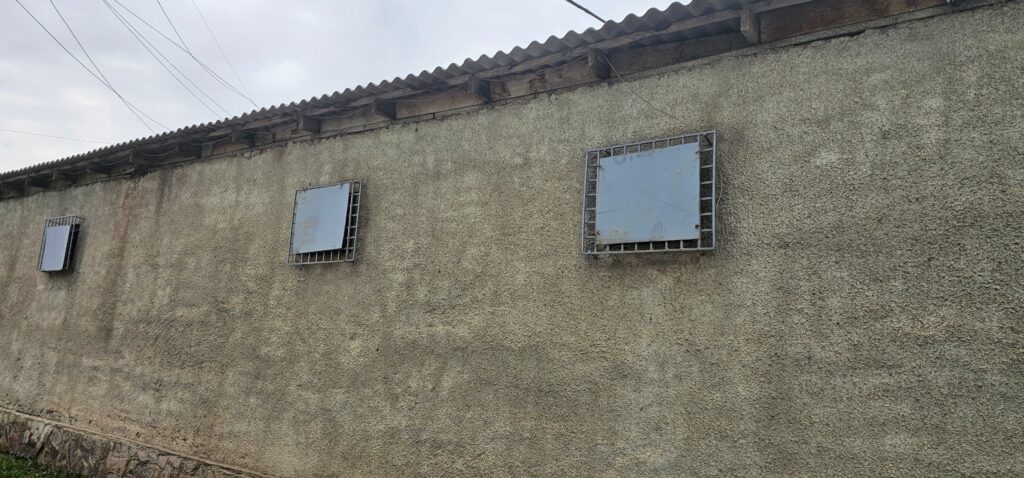
Kyrgyz Ombudswoman Jamilya Dzhamanbayeva has voiced serious concerns over the substandard conditions in the temporary detention center (TDC) in Talas Province. During a recent visit, detainees reported inadequate facilities and breaches of detention standards, according to the Ombudsman Institute. Dzhamanbayeva revealed that the TDC houses individuals awaiting trial alongside those already charged with crimes—a practice explicitly prohibited under Kyrgyz law. “At the time of the visit, there were 17 individuals suspected or accused of crimes in the TDC, which has a total capacity of 36 people. Among them, two were women. The TDC is situated in the yard of the Department of Internal Affairs, but in a separate building,” stated the Ombudsman Institute. Lack of a Dedicated Proper Pre-Trial Facility The absence of an investigative detention center (IDC) in Talas Province forces authorities to detain pre-trial prisoners in the TDC, mixing them with individuals under investigation. This not only violates national laws but raises significant human rights concerns. During her visit, Dzhamanbayeva inspected the cells and spoke directly with detainees to assess their conditions. She called on the Kyrgyz government to expedite the construction of a dedicated IDC in Talas Province to comply with international standards and Kyrgyz legal obligations. Inhumane Living Conditions The National Center for the Prevention of Torture has also criticized the state of the Talas TDC, identifying severe deficiencies: Lack of natural light: Windows are blocked by metal structures, preventing daylight from entering. Inadequate sleeping arrangements: Detainees sleep on the floor due to a shortage of beds and bedding. Unsanitary environment: The facility suffers from poor hygiene and overall neglect. These conditions exacerbate the already critical situation for detainees, underscoring the pressing issue of detention standards in Talas Province.

1 year ago

Unified Digital Health System to Transform Kyrgyzstan’s Healthcare

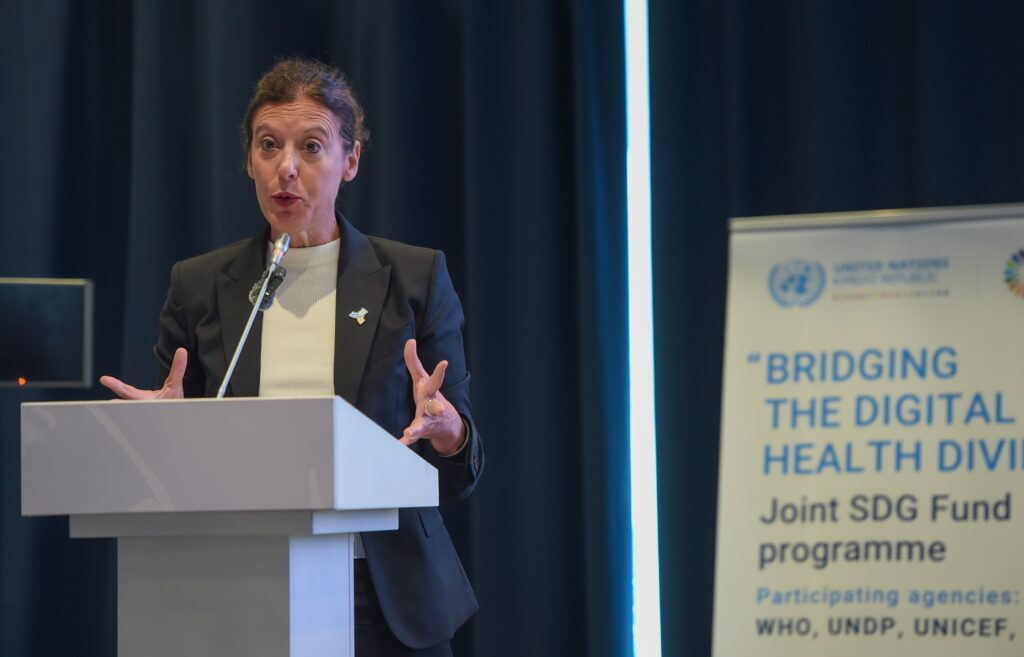
The United Nations Office in Kyrgyzstan, in collaboration with the Ministry of Health, has launched a program to create a unified digital health system in the country. The Ministry of Health stated that the digitization initiative aims to harmonize Kyrgyzstan’s healthcare system. By providing easier access to medical information, the program is expected to expedite the delivery of medical services, even to the most remote and underserved communities. As part of this effort, specialists will enhance government e-services and telemedicine. According to the UN, the project will require an investment of over $4 million, and is scheduled to run until 2027. “One of the key features of the program is to improve the digital health profile, giving citizens access to information about their health,” the Ministry of Health noted in a press release. The authorities plan to integrate a unified registry of citizen vaccinations, which currently holds approximately 3 million records, with a national electronic medical records platform. The program will also focus on supporting vulnerable groups. For example: • 120,000 people will receive digital disability certificates; and • 280,000 people will gain access to digital sick leave documentation, reducing hospital queues and making medical services faster and more convenient. Telemedicine will be expanded to 10 districts, offering medical consultations to more than 700,000 children under the age of 14. Additionally, 60 healthcare facilities will provide specialized care to 140,000 mothers and newborns, all connected to the unified electronic health records (EHR) platform. “This digital health initiative is an important step forward for Kyrgyzstan. By improving access to important medical information, we can make healthcare more efficient and improve outcomes for all,” said Bakyt Dzhangaziev, Deputy Minister for Digital Development of Kyrgyzstan. UN Resident Coordinator in Kyrgyzstan Antje Grave added: “Digital technologies are transforming our world, opening up new opportunities. It is necessary to bridge the digital divide between countries, promote the goals of sustainable development, and ensure that no one is left behind.” The program is being implemented with support from international organizations, including the World Health Organization (WHO), UNICEF, the UN Population Fund, and the UN Development Programme (UNDP).

1 year ago

Climate Crisis in Central Asia: Kyrgyz Geologist Spells Out Threat of Disappearing Glaciers

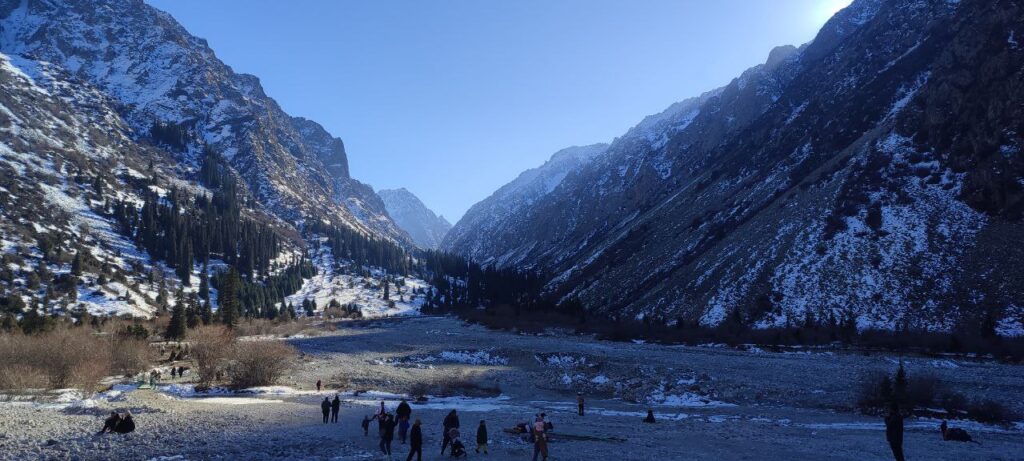
Kyrgyzstan's President Sadyr Japarov has warned at the COP29 climate summit in Baku that Kyrgyzstan’s glaciers have shrunk by 16% over the past 70 years, a trend that could accelerate if immediate action is not taken. Glaciers are a crucial source of drinking water for Kyrgyzstan and the broader Central Asian region. Japarov emphasized that the continued reduction in glacier size will lead to water scarcity and bring severe social, economic, and environmental consequences. “Our region is among the most vulnerable to global warming. By 2100, we may lose more than half of all glaciers,” he said, stressing the need for regional cooperation on green projects to mitigate the impacts of climate change. Kyrgyz glaciologists at the Institute of Geology have been monitoring the region’s glaciers since the early 1940s. Senior researcher Ilya Mezgin explained the alarming rate of glacier loss. “If you look at maps from 1943, two-kilometer glaciers were visible on the Chatkal Ridge in western Kyrgyzstan. Today, they’ve disappeared entirely from satellite images,” Mezgin told The Times of Central Asia. The melting has worsened over time. In 1985, Kyrgyzstan had 8,200 glaciers. That number has since dropped to just 6,500. Glaciers at lower altitudes are melting the fastest, while larger glaciers are expected to last until 2100. Mezgin noted that western glaciers in the Talas region are particularly at risk of disappearing. The mountains of the Tian Shan are composed in the main of crystalline and sedimentary rocks of the Paleozoic Era (i.e., about 540–250 million years ago). growth of the Tian Shan continued until 250 million years ago, when a large continental plate, known as Tarim, collided with Asia. The State Agency for Geology of Kyrgyzstan has suggested that glaciers can both retreat and regrow over time. However, the current trend is one of significant retreat.

1 year ago