• KGS/USD = 0.01144 0%
  • KZT/USD = 0.00215 0%
  • TJS/USD = 0.10680 0.19%
  • UZS/USD = 0.00008 0%
  • TMT/USD = 0.28530 0%
  • KGS/USD = 0.01144 0%
  • KZT/USD = 0.00215 0%
  • TJS/USD = 0.10680 0.19%
  • UZS/USD = 0.00008 0%
  • TMT/USD = 0.28530 0%
  • KGS/USD = 0.01144 0%
  • KZT/USD = 0.00215 0%
  • TJS/USD = 0.10680 0.19%
  • UZS/USD = 0.00008 0%
  • TMT/USD = 0.28530 0%
  • KGS/USD = 0.01144 0%
  • KZT/USD = 0.00215 0%
  • TJS/USD = 0.10680 0.19%
  • UZS/USD = 0.00008 0%
  • TMT/USD = 0.28530 0%
  • KGS/USD = 0.01144 0%
  • KZT/USD = 0.00215 0%
  • TJS/USD = 0.10680 0.19%
  • UZS/USD = 0.00008 0%
  • TMT/USD = 0.28530 0%
  • KGS/USD = 0.01144 0%
  • KZT/USD = 0.00215 0%
  • TJS/USD = 0.10680 0.19%
  • UZS/USD = 0.00008 0%
  • TMT/USD = 0.28530 0%
  • KGS/USD = 0.01144 0%
  • KZT/USD = 0.00215 0%
  • TJS/USD = 0.10680 0.19%
  • UZS/USD = 0.00008 0%
  • TMT/USD = 0.28530 0%
  • KGS/USD = 0.01144 0%
  • KZT/USD = 0.00215 0%
  • TJS/USD = 0.10680 0.19%
  • UZS/USD = 0.00008 0%
  • TMT/USD = 0.28530 0%

Our People > Times of Central Asia

Times of Central Asia's Avatar

Articles

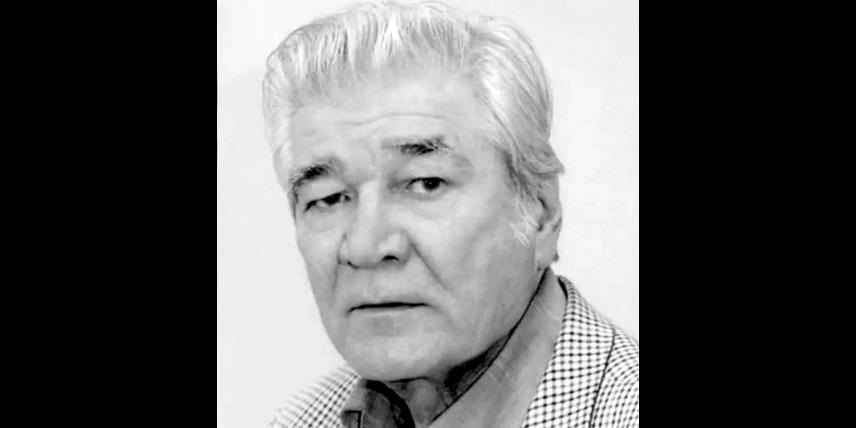
Olimjon Toshkenboyev, Uzbek Tightrope Master and Cultural Figure, Dies

Olimjon Toshkenboyev, an acrobat from a family dynasty of performers who promoted the Uzbekistani tightrope walking art known as dorbozlik, has died at the age of 81. In a condolence message to Toshkenboyev’s family, Uzbekistan’s Ministry of Culture said he was “a famous representative of Uzbek circus art” who made big contributions to national heritage and was a mentor to many students. “Under his leadership, the ‘Uzbekistan Dorbozlari’ group successfully showcased their art in many foreign countries, including Poland, Germany, Egypt, Belgium, the Netherlands, Switzerland, Brazil, Argentina, Colombia, Ecuador, and others,” the ministry said on Telegram on March 28. Toshkenboyev, whose son and daughter participated in dorbozlik programs, was also the director of Uzbekistan’s state circus association. The Tashkent circus is housed in a landmark Soviet-era building that some observers have compared to a flying saucer. Dorbozlik has a storied history in Uzbekistan. Some accounts say ropewalkers participated in shows in the palace of Amir Temur, the 14th-century Central Asian conqueror who is also known as Tamerlane. “Dorbozes skillfully demonstrated their stunts (running back and forth; jumping; walking with knives and trays tied to their legs; dancing on one or paired ropes blindfolded and with a sack on their heads, etc.) by holding langar (a balancer or long balancing pole) on a rope, which was installed at the height of 25-30 m,” says a website listing Uzbekistan’s “intangible cultural heritage.” Ropewalkers' performances were combined with those of strongmen, illusionists, dancers, comedians and musicians, according to the account. As the folk art evolved, performances moved from fairgrounds and market squares to indoor circuses, wire replaced ropes, metallic poles replaced wooden ones, and safety belts were introduced. At a UNESCO meeting in Namibia in 2015, a committee noted that boys and men were the traditional practitioners of ropewalking in Uzbekistan, and girls were increasingly getting involved. It said there were more than 40 ropewalking troupes in Uzbekistan and that skills were transmitted from generation to generation within families. However, the committee did not accept Uzbekistan’s proposal that the art be included on the U.N. cultural agency’s list of intangible cultural heritage. It raised concerns about the danger, particularly to children, of ropewalking, as well as questions about the originality of the art, since other countries have similar types of performance.

1 month ago
Kyrgyzstan Develops Territories Received from Tajikistan

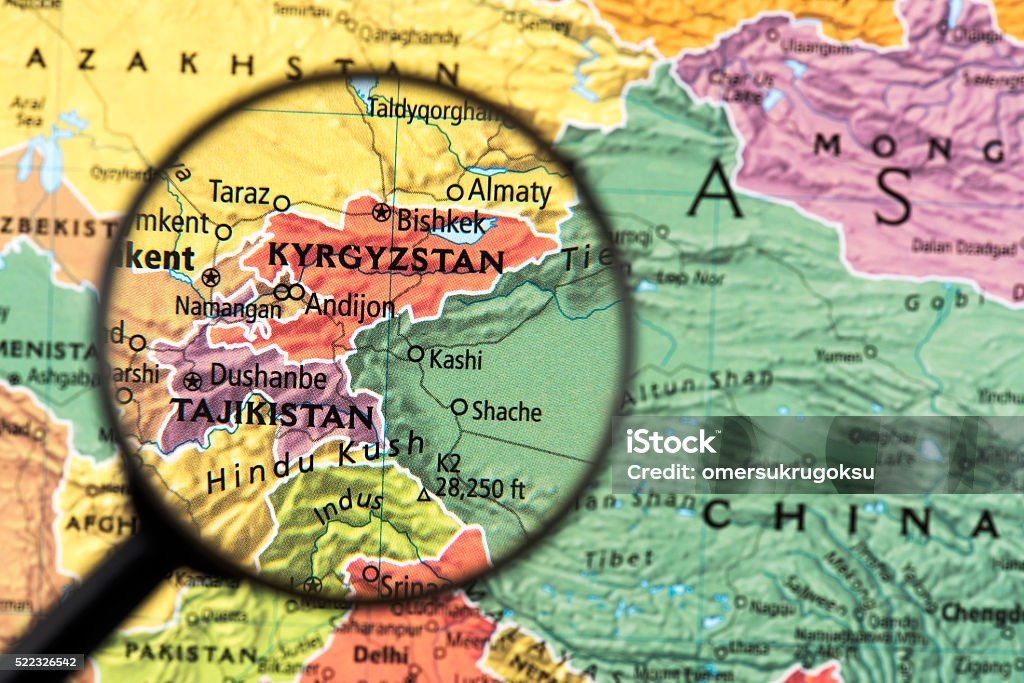
The Kyrgyz authorities have adopted a resolution that transfers into state ownership land and real estate received from Tajikistan under the agreement on the delimitation and demarcation of the state border. According to the decision of the Cabinet of Ministers, the State Agency for State Property Management must register the transferred assets on its balance sheet, after which they will be handed over to local administrations in the Batken and Leylek districts of Batken region. District authorities are expected to distribute the property among citizens who lost their homes and assets as a result of the border agreement, as well as those whose properties were demolished during the construction of border infrastructure. The government has also instructed the State Agency for Land Resources, Cadastre, Geodesy, and Cartography to conduct an inventory of land plots in the region, while the Ministry of Construction will develop master plans for settlements in the transferred territories. The resolution notes that the list of real estate assets may be revised as the border line is refined during the demarcation process. The border agreement was reached following negotiations between the two countries' presidents, Sadyr Japarov and Emomali Rahmon, and was subsequently ratified by the parliaments of both countries. Under its terms, the sides exchanged territories, including previously disputed areas. Following the agreement, Kyrgyzstan began constructing barriers along the new border line. Authorities in both countries expect that completing the demarcation process will help stabilize the situation and prevent further conflict.

1 month ago

Kazakhstan Is Rethinking Its Healthcare System, Focusing on Prevention

Kazakhstan’s Ministry of Health has outlined updated investment and development plans for 2023-2027, signaling a shift in the country’s healthcare approach from treating diseases to preventing them, strengthening biosafety, and expanding mental health support. However, some experts warn that the new strategy could have unintended economic consequences, including the reallocation of budget funds toward information campaigns, digital initiatives, and infrastructure projects whose effectiveness may be difficult to assess. One of the key areas of reform is the prevention of noncommunicable diseases. Authorities are considering restrictions on advertising products high in salt, sugar, and trans fats, amid rising childhood obesity rates. According to the Food and Agriculture Organization of the United Nations, 21% of children in Kazakhstan aged 6-9 are overweight. Such restrictions could affect the media market. Research by the Institute for Fiscal Studies indicates that bans on advertising unhealthy food can reduce media revenues. In Kazakhstan, this could increase pressure on an industry already subject to limits on advertising alcohol, tobacco, and certain medications. At the same time, the ministry plans to expand public awareness campaigns, including video content and national initiatives such as “Salamatty shanyraq” (“Healthy Family”). Public health research suggests that the effectiveness of such campaigns can be difficult to measure, and their impact on behavior may be limited. Another priority is the creation of a “biological shield” system, including genomic and metagenomic surveillance, as well as the development of domestic pharmaceutical manufacturing. These initiatives are expected to attract up to $380 million in private investment. However, concerns remain about implementation capacity. Previous reports have highlighted inefficient use of medical equipment. In 2024, Health Minister Akmaral Alnazarova stated that expensive equipment in some medical facilities remained unused. In certain regions, shortages of trained specialists and necessary consumables have prevented effective deployment. The third component of the strategy focuses on mental health. Authorities plan to expand the network of specialized centers and introduce the uSupport digital platform to provide online consultations. At the same time, public trust in the state system remains limited. According to official data, individuals with addictions often avoid seeking treatment due to fears of being registered, which could restrict access to employment, education, and driver’s licenses. Experts also highlight the scale of gambling addiction. Estimates suggest that around 350,000 people in Kazakhstan suffer from compulsive gambling, while the growing availability of online casinos and microfinance services continues to contribute to rising household debt. The shift toward a preventive healthcare model aligns with global trends. However, analysts warn that without effective implementation, the reform could result in increased administrative pressure on businesses, inefficient public spending, and limited improvements in health outcomes.

1 month ago

Actor Rauan Akhmedov on Cinema in Kazakhstan and Why He Has No Interest in Hollywood

Rauan Akhmedov is one of Kazakhstan’s most sought-after young actors. Despite his rapidly rising career and growing international interest in Kazakh cinema, the 22-year-old says his priority is to continue developing within the domestic industry. In an interview with The Times of Central Asia, he discusses the state of cinema in Kazakhstan, the role of personal experience in his acting, and why tradition and modernity are not mutually exclusive. TCA: Your breakthrough came with Black Yard, directed by Dias Bertis. Is it true he noticed you while you were filming a small cameo in the series The Player? Rauan: Yes. I came to the audition, and we were rehearsing a scene with another candidate, I think he was reading for a doctor. We weren’t getting it right, so at some point the director stepped away. I then suggested to my scene partner that we try a different approach. Dias overheard us, came over, and said, “Switch roles.” We did, and he decided I should take the part. Apparently, he liked my performance, and later he invited me to Black Yard. TCA: You have three films coming out this spring. Is the Kazakhstani film industry becoming overcrowded? Do you feel the urge to work abroad? Rauan: Not yet. I want to follow my own path and realize my potential here. I believe Kazakhstani cinema can reach a very high level. I don’t dream about Hollywood. If I ever end up there, I want it to be through a Kazakhstani project. It’s important for me to stay at home, the language, the culture, the people. I want to grow here and contribute to the development of cinema in my country. Especially as audiences abroad are beginning to take an interest in our films. We haven’t conquered the world yet, but we’re improving all the time. Kazakhstan has strong potential. TCA: Would you describe yourself as a patriot? Rauan: Yes. I respect our filmmakers. When someone succeeds, when a film performs well at the box office, I’m genuinely pleased, even if it’s not my project. I think that once we overcome internal divisions and start supporting one another, we can achieve a great deal. TCA: Many films are now being shot in the Kazakh language. Does that give Kazakh-speaking actors a competitive advantage? Rauan: Probably. But in my view, that’s natural. Every country produces films in its own language. We are Kazakhs, who else will make films in Kazakh? At the same time, I respect all languages, Russian, English, Chinese. The more languages you know, the broader your perspective. TCA: You often portray characters from the 1990s, even though you were born in the 2000s. How do you research that period? Rauan: Partly through my parents. But it’s not that long ago, you can find a lot online, and I experienced some of it myself. For example, we had a rotary phone at home. We often used a VCR to watch home videos, family celebrations, my parents’ wedding. I saw how young they...

1 month ago

Kazakhstan Tests Trans-Caspian Route for Flour Exports to U.S.

Kazakhstan has begun testing a new export route for shipping finished products to the United States via the Trans-Caspian International Transport Route (TMTM), marking a step toward diversifying logistics and expanding the geographic reach of its exports. In early March, KTZ Express JSC organized the multimodal transport of a shipment of Kazakhstani flour along the route. The project is considered a pilot, but its results could help determine the prospects for establishing a sustainable commercial corridor. The shipment consisted of 24 tons of wheat flour. The shipper was SALAMAT Company LLP, one of Kazakhstan’s leading flour producers. Transportation is being carried out in container format using both rail and maritime infrastructure. The route includes: Kostanay to the Port of Aktau by rail Crossing the Caspian Sea to the Port of Alyat (Azerbaijan) Transit through Georgia via the Port of Poti and across the Black Sea Further maritime transport via Istanbul and the Mediterranean Sea Entry into the Atlantic Ocean with final delivery to New York The maritime segment of the route is being carried out in partnership with CMA CGM, one of the world’s largest container shipping companies. The project demonstrates that the TMTM can be used for the delivery of higher value-added products to distant markets, including the U.S. This is not the first shipment of Kazakhstani flour to the U.S. In 2025, the product had already entered the U.S. market, becoming available on platforms such as Amazon and Walmart, as well as being used by a number of bakeries. Currently, there are plans to expand distribution, including entry into the restaurant and coffee shop segments. The Kazakhstani side is also preparing to supply flour to major retail chains such as Costco, Whole Foods Market, and Trader Joe’s. According to project participants, the successful completion of the pilot shipment has confirmed the viability of the logistics model. As part of further development, there are plans to shorten the maritime segment. In particular, the option of shipping cargo directly from Istanbul to New York without additional stops at European ports is being considered, which would reduce delivery times. Officials have not yet confirmed whether the route will be established as a regular commercial channel or remain a pilot project.

1 month ago