• KGS/USD = 0.01144 0%
  • KZT/USD = 0.00208 0%
  • TJS/USD = 0.10465 -0.29%
  • UZS/USD = 0.00008 0%
  • TMT/USD = 0.28571 0%
  • KGS/USD = 0.01144 0%
  • KZT/USD = 0.00208 0%
  • TJS/USD = 0.10465 -0.29%
  • UZS/USD = 0.00008 0%
  • TMT/USD = 0.28571 0%
  • KGS/USD = 0.01144 0%
  • KZT/USD = 0.00208 0%
  • TJS/USD = 0.10465 -0.29%
  • UZS/USD = 0.00008 0%
  • TMT/USD = 0.28571 0%
  • KGS/USD = 0.01144 0%
  • KZT/USD = 0.00208 0%
  • TJS/USD = 0.10465 -0.29%
  • UZS/USD = 0.00008 0%
  • TMT/USD = 0.28571 0%
  • KGS/USD = 0.01144 0%
  • KZT/USD = 0.00208 0%
  • TJS/USD = 0.10465 -0.29%
  • UZS/USD = 0.00008 0%
  • TMT/USD = 0.28571 0%
  • KGS/USD = 0.01144 0%
  • KZT/USD = 0.00208 0%
  • TJS/USD = 0.10465 -0.29%
  • UZS/USD = 0.00008 0%
  • TMT/USD = 0.28571 0%
  • KGS/USD = 0.01144 0%
  • KZT/USD = 0.00208 0%
  • TJS/USD = 0.10465 -0.29%
  • UZS/USD = 0.00008 0%
  • TMT/USD = 0.28571 0%
  • KGS/USD = 0.01144 0%
  • KZT/USD = 0.00208 0%
  • TJS/USD = 0.10465 -0.29%
  • UZS/USD = 0.00008 0%
  • TMT/USD = 0.28571 0%

Our People > Times of Central Asia

Times of Central Asia's Avatar

Articles

Central Asia’s Mineral Wealth Can Help the West Unlock a Greener Future

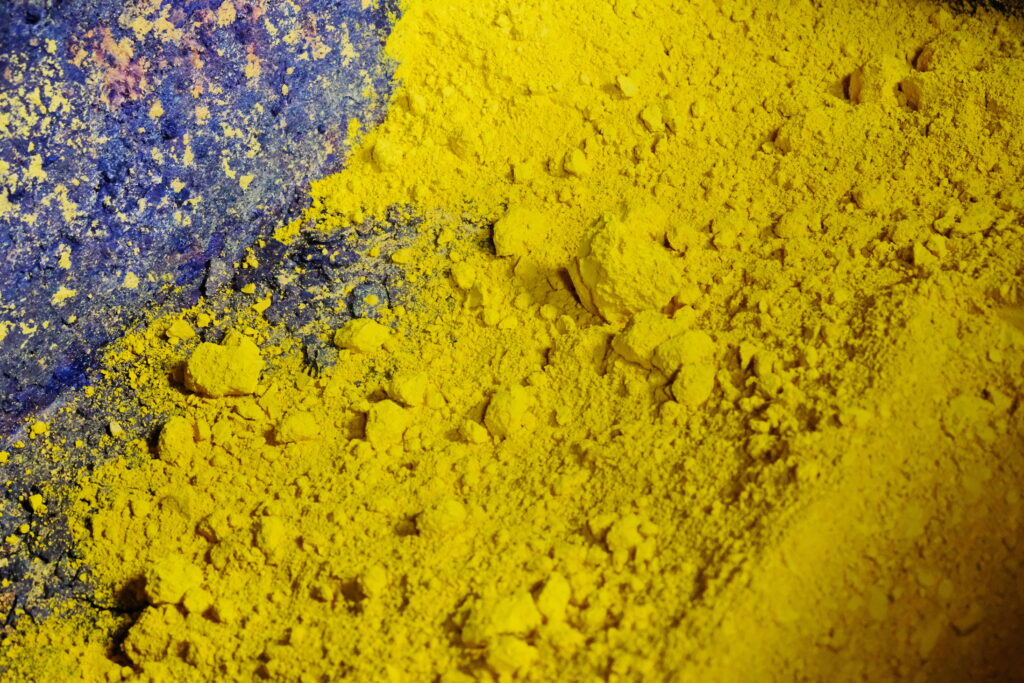
Critical minerals are essential components in many of today’s rapidly growing energy technologies. From lithium in electric vehicle batteries, to copper used in wind turbines and electricity networks, these minerals are at the heart of the green transition. The demand for these minerals will increase as clean-energy technologies continue to develop and become even more widely adopted. The International Energy Agency (IEA) forecasts a significant uptick in mineral requirements for clean energy technologies. According to its Sustainable Development Scenario (SDS), the world’s total mineral demand could quadruple by 2040. Electric vehicles and battery storage are expected to account for about half of this growth over the next two decades. A few major producers dominate the global market Problematically, the global market for critical minerals is dominated by just a few key players. China controls a significant portion of overall worldwide production, not to mention 85% of the processing capacity needed to refine these minerals for manufacturing purposes. China’s dominance extends to lithium, graphite, rare earth elements and cobalt, which are all essential for clean energy technologies. Russia also holds considerable weight in the resource-extraction sector. For example, it controls 43% of the palladium market and a quarter of vanadium production. These minerals have wide-ranging applications, with palladium used in catalytic converters and vanadium in batteries. The United States is heavily reliant on mineral imports from China. This dependence poses significant economic and security risks as any supply-chain disruption could have far-reaching impacts. As a result, the U.S. has initiated the Partnership for Global Infrastructure and Investment (PGII) and the Minerals Security Partnership (MSP). The PGII is a shared G7 commitment, while the MSP drives co-operation of 13 countries and the European Union (EU). They both aim to catalyse public and private investment in responsible global supply chains of critical minerals. Fortunately, Central Asia is emerging as a key player in the global critical minerals landscape. The region is perhaps best noted for its substantial reserves of uranium, of which it is the world’s largest supplier. Less known is the fact that the region also holds 38.6% of global manganese ore reserves, 30.07% of chromium, 20% of lead, 12.6% of zinc and 8.7% of titanium, as well as significant reserves of other critical materials. Eyes turn to Kazakhstan’s special contribution While all of Central Asia is rich in these minerals, Kazakhstan is increasingly noticed as the stand-out performer. Kazakhstan is perhaps best known as the global leader in uranium production. It has the world’s largest reserves of this metal, and has been the world’s top producer for several years. Uranium is necessary for the global nuclear energy supply chain, and Kazakhstan has implemented advanced recovery techniques, making the extraction process both efficient and environmentally friendly. Kazakhstan also has significant potential in rare earth elements, and is one of the world's largest producers of chromium (used primarily in producing stainless steel and other alloys) with one of the world's largest deposits and significant mining operations in the northwest regions. The country is...

2 years ago
USAID Helps Improve Kazakhstan’s Investment Legislation

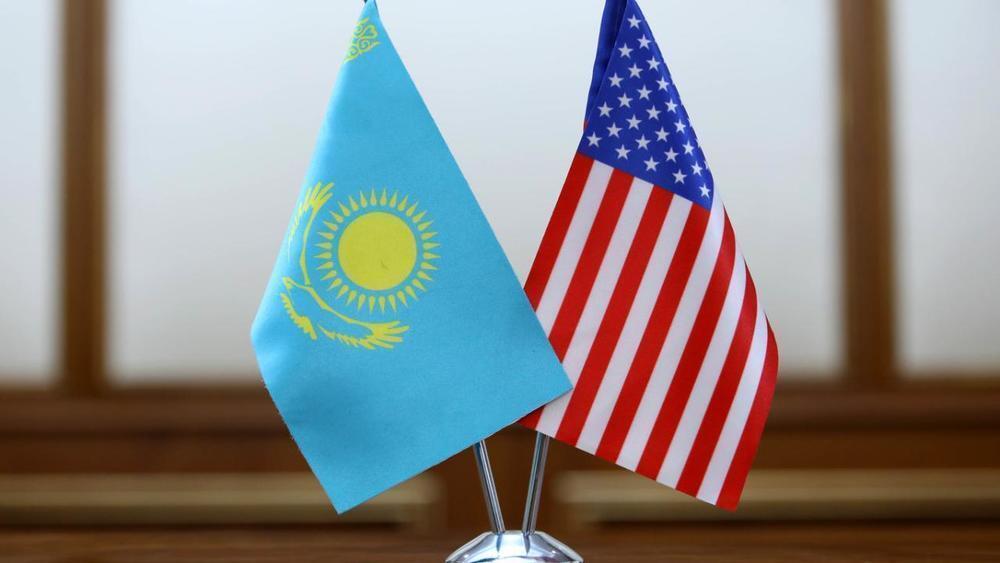
On February 2nd in Astana the United States Agency for International Development (USAID) hosted a joint Investment Forum. The event was organized to propose changes to Kazakhstan’s investment legislation, and to highlight important achievements supported by the USAID Kazakhstan Rule of Law Program, run by the American Bar Association Rule of Law Initiative (ABA ROLI). The program has partnered with the Supreme Court of Kazakhstan and the company Kazakh Invest, overseen by the Ministry of Foreign Affairs.  Over 50 participants, representing the government, judiciary, business community, investors, and local and international experts participated in the event. The forum was opened by the chairman of the Supreme Court, Aslambek Mergaliyev, who stressed the need for reform in order to attract investors.  At the forum, the US Ambassador to Kazakhstan Daniel Rosenblum commented: “Today’s Investment Forum organized by the American Bar Association is yet another example of the long-term and very strong U.S.-Kazakhstan partnership in support of the rule of law, as it relates to economic policy, foreign investment, and the business climate. I am pleased that this forum will be repeated next year as well, providing an ongoing platform for discussions on issues that are important to foreign investors. We also mark the conclusion of the USAID Rule of Law Program in Kazakhstan, which over the past four years has helped improve the legal environment for protecting investments and strengthen the professional development and independence of Kazakhstan’s judiciary.”

2 years ago

Bishkek Heating Plant To Be Modernized After Breakdown

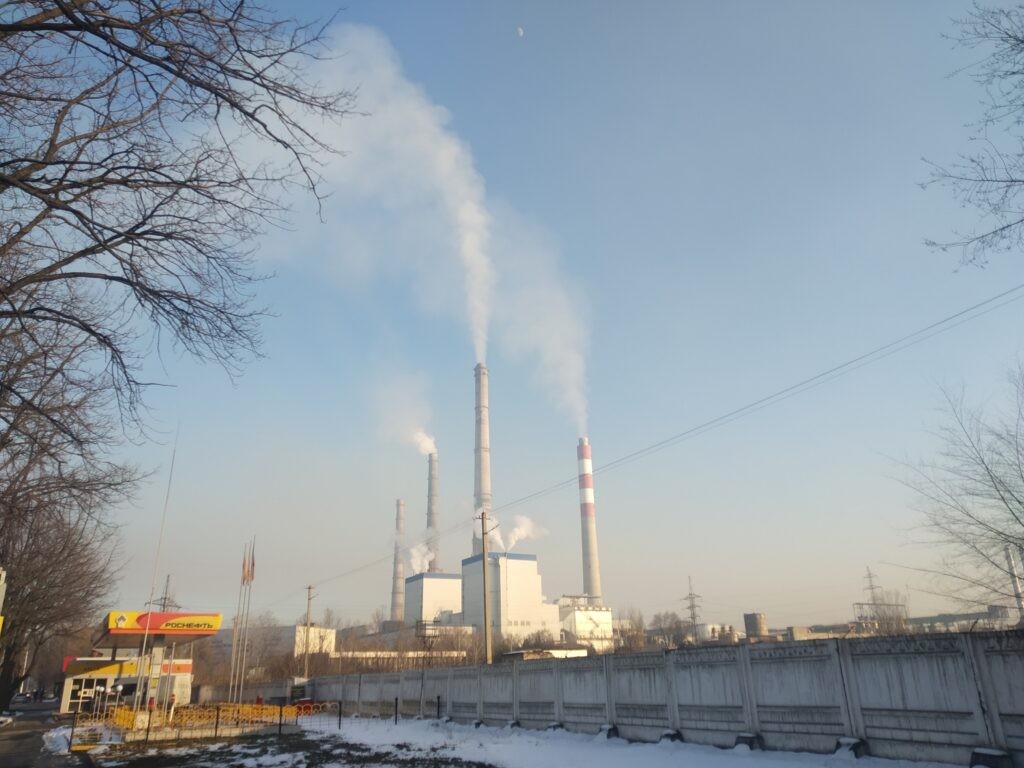
The Bishkek thermal power plant has been ordered to completely modernize, after a blast at the aging heat and electricity generating facility left parts of the city without hot water and heating.  Three people were seriously injured in an explosion at the plant early on February 2nd. The breakdown forced authorities to declare hot water and heating restrictions in some parts of the city as the plant’s staff worked to repair the damage.  Kyrgyzstan’s president Sadyr Japarov visited the plant as work was being done to get the facility back online. In an interview to the Kabar news agency, Mr Japarov said he has given instructions to completely modernize the thermal power plant. “This will require a lot of money, but there is no other way out. We will have to find it [money],” the president said, mentioning that the thermal power plant was launched back in 1961 and its equipment is very outdated. “Despite this, we continue to operate it, repairing it every summer to get through the heating season.” The last major accident at the Bishkek thermal power plant occurred in January 2018. At the time the plant’s breakdown left the city without heating for three days amid freezing air temperatures. Work to modernize the plant commenced in 2014, following a 2013 loan agreement between China’s Export-Import Bank and the Kyrgyz government. China’s Tebian Electric Apparatus Stock Co. Ltd. (TBEA) was granted the contract and modernized the plant for $386 million.  Today’s accident occurred in the old part of the power plant that was not modernized. In the interview, Mr Japarov said that instead of partially reconstructing the power plant, it was necessary to completely renovate it or build a new facility.

2 years ago

Uzbekistan To Increase Agricultural Exports

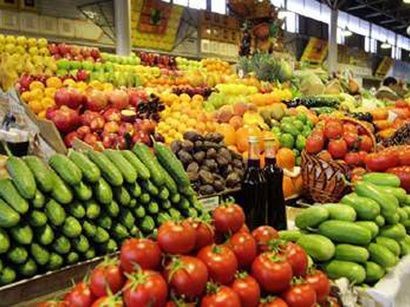
Agricultural production in Uzbekistan grew by 4.1% in 2023, and agricultural exports reached almost $2bn. This year the country plans to increase exports to $3.5bn.   At a government meeting on February 2nd officials reported that 6,000 gardens, over 3,000 vineyards and fields, and 344 packaging enterprises will be brought into compliance with international phytosanitary standards. Exports will be focused on markets with higher purchasing and paying powers. Modern facilities for exporting fruits and vegetables will be created at Fergana, Samarkand, and Tashkent airports. In recent years 620 phytosanitary permits have been received for the export of agricultural products to 80 countries. As part of the EU’s GSP+ trade preference system, 200,000 hectares of farmland in Uzbekistan have been brought into compliance with international standards.

2 years ago

Year 2022 Marked the Beginning of the End of Nazarbayev’s Rule

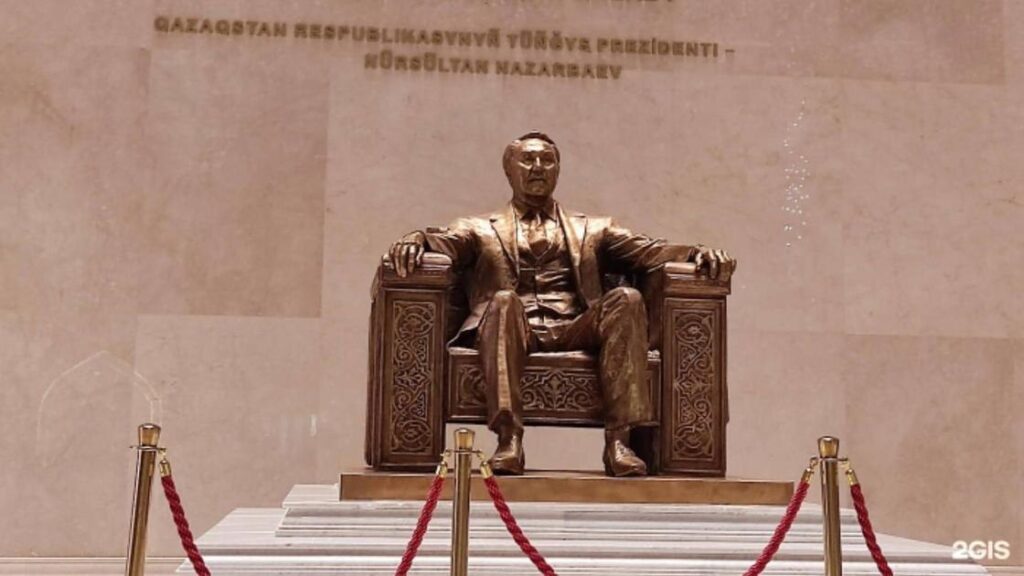
The year 2022 was marked by significant changes in Kazakhstan, particularly the end of Nursultan Nazarbayev's rule. This change was symbolized by the removal of his monument on 12 January of 2024 which stood in front of a university in Astana. The monument was taken down and put into storage, explained by the Ministry of Defense as a result of changing the university's name. During the violent protests in January of 2022, protesters in Taldykorgan tore down another monument to Nazarbayev located in front of the mayor's office. Prior to this, Nazarbayev held substantial influence in the country, with the capital named after him and streets bearing his name. According to Radio Free Europe, experts say that after the January events, Nazarbayev's influence waned while that of the current president Kassym-Jomart Tokayev increased. This began a period of distancing from Nazarbayev within the country. The capital returned to its former name of Astana, the status of "Leader" granted to Nazarbayev was removed from the Constitution, and the protections that shielded him and his family from criminal prosecution were lifted.

2 years ago