• KGS/USD = 0.01144 0%
  • KZT/USD = 0.00208 0%
  • TJS/USD = 0.10407 -0.29%
  • UZS/USD = 0.00008 0%
  • TMT/USD = 0.28571 0%
  • KGS/USD = 0.01144 0%
  • KZT/USD = 0.00208 0%
  • TJS/USD = 0.10407 -0.29%
  • UZS/USD = 0.00008 0%
  • TMT/USD = 0.28571 0%
  • KGS/USD = 0.01144 0%
  • KZT/USD = 0.00208 0%
  • TJS/USD = 0.10407 -0.29%
  • UZS/USD = 0.00008 0%
  • TMT/USD = 0.28571 0%
  • KGS/USD = 0.01144 0%
  • KZT/USD = 0.00208 0%
  • TJS/USD = 0.10407 -0.29%
  • UZS/USD = 0.00008 0%
  • TMT/USD = 0.28571 0%
  • KGS/USD = 0.01144 0%
  • KZT/USD = 0.00208 0%
  • TJS/USD = 0.10407 -0.29%
  • UZS/USD = 0.00008 0%
  • TMT/USD = 0.28571 0%
  • KGS/USD = 0.01144 0%
  • KZT/USD = 0.00208 0%
  • TJS/USD = 0.10407 -0.29%
  • UZS/USD = 0.00008 0%
  • TMT/USD = 0.28571 0%
  • KGS/USD = 0.01144 0%
  • KZT/USD = 0.00208 0%
  • TJS/USD = 0.10407 -0.29%
  • UZS/USD = 0.00008 0%
  • TMT/USD = 0.28571 0%
  • KGS/USD = 0.01144 0%
  • KZT/USD = 0.00208 0%
  • TJS/USD = 0.10407 -0.29%
  • UZS/USD = 0.00008 0%
  • TMT/USD = 0.28571 0%

Our People > Times of Central Asia

Times of Central Asia's Avatar

Articles

Uzbekneftegaz Partners With Canadian Firm Condor Energies

JSC Uzbekneftegaz and Canadian energy company Condor Energies have agreed to jointly increase output at eight producing gas condensate fields in Uzbekistan. Condor says it will use the same advanced technologies and operational methods used in Western Canada. Work is planned to start in the first quarter of 2024 after the project's feasibility study is complete. The agreement will make Condor Uzbekneftegaz's first Western strategic operating partner. That not only ensures an increase in the country's domestic natural gas supply, but will also reduce carbon dioxide emissions. The work is expected to provide a significant number of jobs in Uzbekistan. Condor Energies intends to earn a percentage of net profits by assuming all project costs. Despite the fact that Uzbekistan is introducing green technologies into its energy-production mix, natural gas remains the key source of fuel in the republic. The country's total gas reserves are estimated at almost 1.9 trillion cubic meters. Uzbekistan has 296 oil & gas fields, 122 of which belong to Uzbekneftegaz. Gas reserves in them amount to 933 billion cubic meters. The largest of these is the Mubarak field, where 33% of the aforementioned volume of gas, or about 305 billion cubic meters, is concentrated. In 2023 the country's gas production fell 9.6% year-on-year to 46.7 billion cubic meters. Uzbekistan has thus flipped from being a net exporter to a net importer of natural gas. The republic now buys gas from Turkmenistan and Russia.

2 years ago
Kazakhstan And Kyrgyzstan Address Border And Water Issues

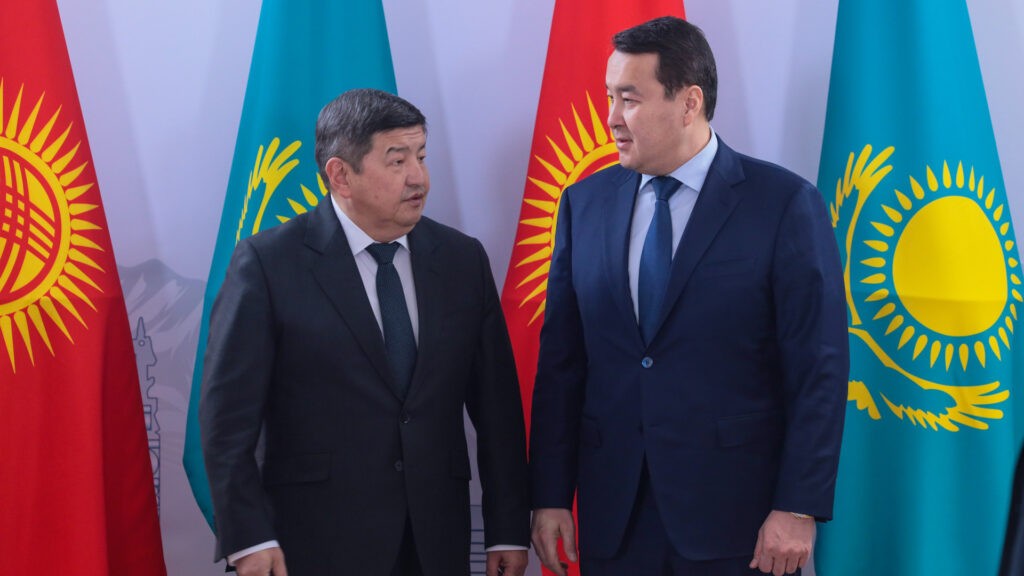
Kazakhstan and Kyrgyzstan will be working together to open an additional checkpoint for goods vehicles on their countries’ border. They are also set to further their cooperation in the water and energy sectors. These agreements were reached at a meeting between the Kazakh prime minister, Alikhan Smailov, and the chairman of Kyrgyzstan’s cabinet of ministers Akylbek Japarov in Almaty on February 1st.  Kyrgyzstan has complained for years about long lines at the Kazakh border for its cargo trucks bringing goods to Russia through Kazakhstan. The most recent big traffic jam occurred on the Kyrgyz side of the border in August 2023, when more than 600 trucks were stuck at the crossing.  These delays were caused by Kazakh authorities carrying out enhanced checks on trucks entering the country from Kyrgyzstan, ostensibly to combat illegal border activity. However, the situation caused speculation that the jams were a result of a dispute over irrigation water resources between Kazakhstan and Kyrgyzstan. Irrigation water remains an issue in Kazakh-Kyrgyz relations. Last summer the southern regions of Kazakhstan experienced a severe shortage of water for their fields, while upstream Kyrgyzstan also lacked water and couldn’t supply enough of it to its northern neighbor. Kazakhstan, especially its dry southern regions, is dependent on water coming from Kyrgyzstan.  At the meeting on February 1st Mr Smailov also spoke about the growing trade between the two countries, with bilateral trade growing by 12% and reaching $1.3bn between January and November 2023.

2 years ago

Kyrgyzstan Looks To Harness Geothermal Energy

In an effort to expand the use of renewable energy in Kyrgyzstan, on February 1st the country's deputy minister for economy and commerce, Sanzhar Bolotov, met with some members of the International Finance Corporation (IFC) to discuss cooperation, particularly in the field of geothermal energy. Mr Bolotov proposed launching geothermal pilot projects in Kyrgyzstan. Geothermal energy is a type of renewable energy taken from the Earth’s core. It comes from heat generated when the planet was originally formed, and the radioactive decay of materials.  The IFC representatives agreed to consider geothermal energy pilots in Kyrgyzstan. They mentioned that the transition to geothermal energy is happening successfully in the USA, Indonesia, Turkey, and Poland. Geothermal energy use would help reduce greenhouse gas emissions, and help Kyrgyzstan to meet its climate change mitigation goals.

2 years ago

Drip Irrigation Equipment Plant To Open In South Kazakhstan

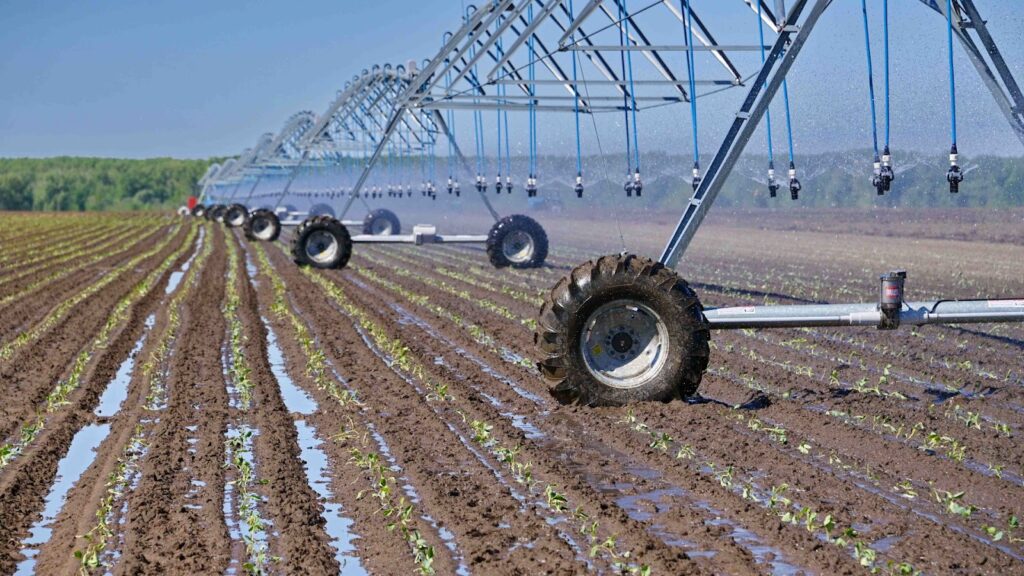
A factory that will produce components for drip irrigation systems is to open in the town of Konaev, Almaty region. The plant is a joint project between Kazakh and Chinese investors, and is expected to make components for up to 500 hectares of fields per week. A similar plant is also planned for the other southern city of Taraz. Drip irrigation in Kazakhstan is currently used on only 84,000 hectares of agricultural land, but the government is aiming to increase this figure to 312,000 hectares. To encourage farmers to use water-saving technologies, the government is increasing subsidies for building irrigation systems, and buying drip and sprinkler irrigation equipment, from 50% to 80% of their costs respectively. 

2 years ago

Plans Underway For Central Asia’s First Privately Owned Airport

A new airport is being planned in Uzbekistan's Tashkent region, which will be financed by Chinese investors. The planned airport will be the first in Central Asia built entirely with private financing and owned by private individuals. Last week at the Uzbek-Chinese business forum in Shenzhen, delegations from Uzbekistan and China signed numerous business and investment contracts. Among them, the contract to build an airfield in the Ahangaran district in the Tashkent region attracted special interest. The project is expected to use capital sourced solely from an unnamed Chinese investor company. Construction is expected to start in the second half of this year. In addition to the airport, seven more projects, worth $56m, are being planned with Chinese investors for the Akkurgan district, including facilities for producing knitwear, fabrics, synthetic mattresses, footwear, and building materials.

2 years ago