
• KGS/USD = 0.01144 0%
  • KZT/USD = 0.00210 0%
  • TJS/USD = 0.10454 -0.1%
  • UZS/USD = 0.00008 0%
  • TMT/USD = 0.28571 0.28%
  • KGS/USD = 0.01144 0%
  • KZT/USD = 0.00210 0%
  • TJS/USD = 0.10454 -0.1%
  • UZS/USD = 0.00008 0%
  • TMT/USD = 0.28571 0.28%
  • KGS/USD = 0.01144 0%
  • KZT/USD = 0.00210 0%
  • TJS/USD = 0.10454 -0.1%
  • UZS/USD = 0.00008 0%
  • TMT/USD = 0.28571 0.28%
  • KGS/USD = 0.01144 0%
  • KZT/USD = 0.00210 0%
  • TJS/USD = 0.10454 -0.1%
  • UZS/USD = 0.00008 0%
  • TMT/USD = 0.28571 0.28%
  • KGS/USD = 0.01144 0%
  • KZT/USD = 0.00210 0%
  • TJS/USD = 0.10454 -0.1%
  • UZS/USD = 0.00008 0%
  • TMT/USD = 0.28571 0.28%
  • KGS/USD = 0.01144 0%
  • KZT/USD = 0.00210 0%
  • TJS/USD = 0.10454 -0.1%
  • UZS/USD = 0.00008 0%
  • TMT/USD = 0.28571 0.28%
  • KGS/USD = 0.01144 0%
  • KZT/USD = 0.00210 0%
  • TJS/USD = 0.10454 -0.1%
  • UZS/USD = 0.00008 0%
  • TMT/USD = 0.28571 0.28%
  • KGS/USD = 0.01144 0%
  • KZT/USD = 0.00210 0%
  • TJS/USD = 0.10454 -0.1%
  • UZS/USD = 0.00008 0%
  • TMT/USD = 0.28571 0.28%

Our People > Sadokat Jalolova

Sadokat Jalolova's Avatar

Sadokat Jalolova

Journalist

Jalolova has worked as a reporter for some time in local newspapers and websites in Uzbekistan, and has enriched her knowledge in the field of journalism through courses at the University of Michigan, Johns Hopkins University, and the University of Amsterdam on the Coursera platform.

Articles

Binance Officially Launches Operations in Uzbekistan

The National Agency for Prospective Projects has announced that Binance, one of the world’s largest cryptocurrency exchanges, will officially provide services to users in Uzbekistan. According to the agency’s press service, Binance will operate in the country through the local company CoinPay LLC, ensuring compliance with Uzbekistan’s laws. Residents of Uzbekistan will be able to access the platform via coinpay.uz, which will allow users to deposit and withdraw funds in the national currency using bank cards and local payment systems. “The system will launch after integrating all partner platforms, including national payment systems,” the agency stated. Legal Challenges Resolved This development comes after Binance faced regulatory challenges in Uzbekistan. In January 2024, the National Agency for Prospective Projects fined Binance for non-compliance with the country’s laws on cryptocurrency asset turnover. The agency subsequently filed a lawsuit in the Tashkent City Economic Court to enforce the fine. The court trial, which ran from March 26 to June 7, 2024, ruled in favor of the agency. Binance was fined 300 base calculation amounts, which the company paid in full to the state budget. Binance’s Expansion in Central Asia Uzbekistan is the latest addition to Binance’s growing presence in Central Asia. The exchange launched its first local digital asset platform in the region in Kazakhstan in June 2023. This platform is based at the Astana International Financial Center. Later that year, Binance Kazakhstan partnered with the National Bank of Kazakhstan and the National Payment Corporation to implement a groundbreaking project: the issuance of the world’s first stablecoin backed by a national digital currency. This innovation was tested on the BNB Smart Chain (BSC) network. Binance has also made efforts to engage with the cryptocurrency community in Kyrgyzstan. In January 2023, the company held its first community meet-up in the country. In May of that year, Binance’s regional head for Central Asia, Kirill Khomyakov, described Kyrgyzstan as a promising market for cryptocurrency development. However, despite these initiatives, Binance has not yet officially launched operations in the Republic. Binance’s official entry into Uzbekistan marks another step in its strategic expansion across Central Asia. By complying with local regulations and collaborating with a licensed partner, Binance has reinforced its commitment to integrating its platform into Uzbekistan’s growing cryptocurrency landscape.

1 year ago
Kazakhstan Restricts Potato Exports to Non-EAEU Countries Amid Price Surge

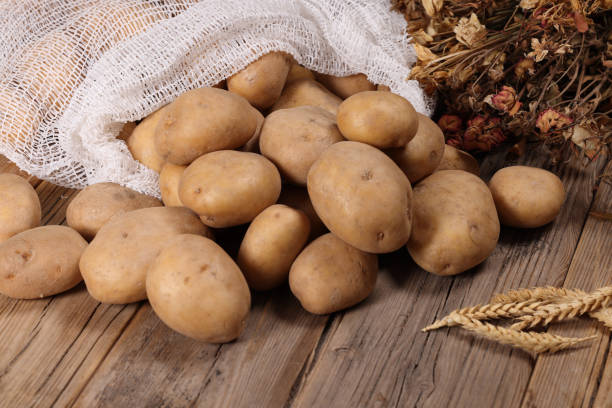
Rising potato prices in Kazakhstan have prompted the government to impose a six-month restriction on potato exports to non-Eurasian Economic Union (EAEU) countries, according to Tengrinews. The decision is aimed at stabilizing domestic prices and preventing further spikes. Price Surge Linked to High Export Demand The price increase has been driven by strong demand from neighboring countries, particularly Uzbekistan, and rising export prices. In 2024, Kazakhstan’s potato exports increased by 1.5 times, from 411,000 metric tons to 605,000 tons, according to government data. Export-oriented producers significantly raised their prices, increasing them from 170 KZT ($0.32) to 270 KZT ($0.51) per kilogram. This spike in export demand has directly impacted the domestic market, with retail prices soaring in many regions. For example: In Aktobe, potatoes were sold for no more than 200 KZT per kilogram in early January but doubled within a week. In supermarkets, prices have climbed to 388 KZT ($0.73) per kilogram, with some areas seeing prices as high as 400 KZT ($0.75) per kilogram. Even lower-quality potatoes have become more expensive, as sellers report rising costs with every new shipment. Export Restrictions to Stabilize Prices To address these challenges, the government has restricted potato exports to non-EAEU countries for six months. Exports to EAEU member states will continue but under stricter oversight. As part of these measures, the issuance of phytosanitary certificates for exports has been entirely suspended as of January 16, 2025. Sufficient Reserves to Meet Domestic Needs Despite the export restrictions, the Ministry of Agriculture has assured citizens that domestic reserves are sufficient to meet demand until the early 2025 harvest. As of January 19, reserves (excluding stocks in trade networks) amount to over 850,000 tons. Key figures from 2024 and early 2025 include: Total potato harvest (2024): 2.9 million tons, including 300,000 tons from the early harvest. Imports (2024): 56,000 tons. Consumption (August–December 2024): 844,000 tons. Exports (2024): 620,000 tons. Forecasted consumption (January–April 2025): 675,000 tons. The government’s measures aim to ensure that prices stabilize while maintaining sufficient supplies for domestic consumers until the next harvest. Growth vs. Food Security Kazakhstan’s decision to restrict potato exports to non-EAEU countries highlights the delicate balance between export-driven agricultural growth and ensuring food security at home. While the restrictions are expected to ease price pressures domestically, they underscore the challenges of managing supply chains and export demand in a region with fluctuating agricultural dynamics.

1 year ago

EBRD Invests Record €2.26 Billion in Central Asia in 2024

The European Bank for Reconstruction and Development (EBRD) reached a record level of investment in Central Asia in 2024, contributing €2.26 billion to 121 projects across six countries in the region. This was nearly double the amount invested in 2023. Additionally, the EBRD attracted €784 million from co-financiers, bringing the total investment in the region’s economy to over €3 billion. Uzbekistan and Kazakhstan Lead in Funding Uzbekistan and Kazakhstan were the largest recipients of EBRD funding, securing €938 million and €913 million, respectively. These two nations ranked as the fifth and sixth largest destinations for EBRD investments globally in 2024. Other countries in the immediate region also benefited from significant funding, with Mongolia receiving €264 million, Tajikistan €88 million, and the Kyrgyz Republic €52 million. Focus on Sustainable Infrastructure and Green Economy The majority of EBRD investments in Central Asia supported sustainable infrastructure projects, accounting for 61% of the total. Another 24% was channeled to local banks to assist small businesses, women entrepreneurs, and youth-focused initiatives, as well as projects promoting climate resilience and resource efficiency. The remaining 15% was allocated to private-sector companies. In alignment with the Paris Agreement, 58% of EBRD investments in the region went to projects promoting a green economy. Milestones in 2024 The EBRD achieved several notable milestones in 2024: Total investments in Kazakhstan surpassed €10 billion. Uzbekistan reached €5 billion in cumulative EBRD funding. Both Tajikistan and the Kyrgyz Republic exceeded €1 billion in total investments since the EBRD began operations in the region 30 years ago. Landmark Projects The EBRD financed several groundbreaking projects in Central Asia during 2024, including: Uzbekistan: €59 million for a renewable hydrogen facility aimed at decarbonizing the fertilizer sector. Kazakhstan: €96.4 million for a new wastewater treatment plant in Aktobe, the largest municipal project supported by the EBRD in the region. Mongolia: €11.3 million to support the first green bond issued by a local bank. Investments in Energy Infrastructure Significant funding was also allocated to improving electricity grids across the region: In Kazakhstan, €252 million was used to construct 600 km of transmission lines. In Uzbekistan, €60.3 million supported the development of a 230 km transmission line in the Navoi region. In the Kyrgyz Republic, €14 million upgraded power infrastructure in Osh and Issyk-Kul. In Tajikistan, €31 million was allocated to improve a transformer in the Sugd region. Investments in Health and Transportation The EBRD also provided substantial funding for healthcare and infrastructure projects: Kazakhstan: €365 million for a hospital project. Uzbekistan: €216 million for a road and bridge project in the Khorezm region. Mongolia: €39.2 million for a hospital in Darkhan. Support for Small Businesses The EBRD continued its efforts to empower small businesses in Central Asia, providing advisory services to more than 450 small and medium-sized enterprises (SMEs). Over 8,000 SMEs benefited from training and mentoring programs. In Tajikistan, the EBRD launched its Star Venture initiative, allocating €28 million to 25 high-growth companies through agreements with local banks. The EBRD’s Legacy in Central Asia As the...

1 year ago

Iranian President Honored as Professor at Tajik Medical University

The President of Iran, Masoud Pezeshkian, has been awarded the title of honorary professor by Avicenna Tajik State Medical University, according to the Khovar news agency. On January 16, during his first state visit to Tajikistan, Pezeshkian, accompanied by Tajik Prime Minister Kohir Rasulzoda, toured the university. He met with faculty members and learned about the institution’s achievements, including advancements made at its Simulation Center. In a special ceremony, Pezeshkian received the title of honorary professor in recognition of his significant contributions to medical science and his efforts to foster cooperation in training skilled medical specialists. Expressing his gratitude, Pezeshkian thanked the people of Tajikistan for their warm hospitality and highlighted the importance of strengthening partnerships in healthcare, stating, “We are ready to enhance cooperation in healthcare, including sharing expertise in pharmaceuticals, surgery, and medicine.” Pezeshkian concluded his visit to the university by signing the guest book. This is Pezeshkian's first state visit to Tajikistan. Upon his arrival on January 15, he was welcomed personally by Tajik President Emomali Rahmon at Dushanbe International Airport.

1 year ago

Uzbekistan’s Economy Grows 6.5%, Investments Reach $34.9 Billion in 2024

In 2024, Uzbekistan’s gross domestic product (GDP) grew by 6.5%, reaching $115 billion, according to Presidential Spokesperson Sherzod Asadov. The announcement was made during a presidential conference focused on investment and economic performance. Foreign investments surged by 1.6 times, totaling $34.9 billion, and 242 large and medium-sized projects worth $10 billion were launched. For the first time, the country’s exports reached $27 billion. According to the official report, the mining, oil and gas, chemical, and agriculture sectors exceeded their investment targets, achieving more than double their expected performance. This highlights the robust growth and prioritization of these key industries. Despite these achievements, challenges persist in several sectors: Textile Industry: Missed its investment target by $17 million. Uztransgaz and Uzmetkombinat: Investments dropped by half. Uzsuvtaminot: Experienced a 20% decrease in investments. Officials from these organizations have been issued strict warnings to improve their performance by the first quarter of 2025 or face further consequences. Additionally, several ministries underperformed in implementing grant plans: Ministries of Ecology, Agriculture, State Assets, Pharmaceuticals, and Forestry: Delivered less than 25% of their grant targets. Ministries of Construction, Transport, Culture, and Tourism: Secured less than $10 million in grants. Ministries responsible for Preschool and School Education, Health, Transport, Sports, Higher Education, Culture, Ecology, Agriculture, Digital Technologies, and Construction were criticized for failing to attract sufficient investments and grants, despite having significant opportunities to do so. The report also highlighted underwhelming investment figures from high-potential countries such as France, Japan, Italy, Hungary, Malaysia, and Spain, which collectively invested less than $100 million in Uzbekistan in 2024. This indicates untapped opportunities for economic partnerships and collaborative growth. As previously reported by The Times of Central Asia, Uzbekistan’s President Shavkat Mirziyoyev has outlined transformative plans to modernize state-owned railway and aviation sectors as part of the country’s long-term development strategy. These reforms aim to increase Uzbekistan’s GDP to $200 billion by 2030, setting an ambitious target for sustained economic growth.

1 year ago