• KGS/USD = 0.01144 0%
  • KZT/USD = 0.00215 0%
  • TJS/USD = 0.10599 -0.28%
  • UZS/USD = 0.00008 0%
  • TMT/USD = 0.28571 0%
  • KGS/USD = 0.01144 0%
  • KZT/USD = 0.00215 0%
  • TJS/USD = 0.10599 -0.28%
  • UZS/USD = 0.00008 0%
  • TMT/USD = 0.28571 0%
  • KGS/USD = 0.01144 0%
  • KZT/USD = 0.00215 0%
  • TJS/USD = 0.10599 -0.28%
  • UZS/USD = 0.00008 0%
  • TMT/USD = 0.28571 0%
  • KGS/USD = 0.01144 0%
  • KZT/USD = 0.00215 0%
  • TJS/USD = 0.10599 -0.28%
  • UZS/USD = 0.00008 0%
  • TMT/USD = 0.28571 0%
  • KGS/USD = 0.01144 0%
  • KZT/USD = 0.00215 0%
  • TJS/USD = 0.10599 -0.28%
  • UZS/USD = 0.00008 0%
  • TMT/USD = 0.28571 0%
  • KGS/USD = 0.01144 0%
  • KZT/USD = 0.00215 0%
  • TJS/USD = 0.10599 -0.28%
  • UZS/USD = 0.00008 0%
  • TMT/USD = 0.28571 0%
  • KGS/USD = 0.01144 0%
  • KZT/USD = 0.00215 0%
  • TJS/USD = 0.10599 -0.28%
  • UZS/USD = 0.00008 0%
  • TMT/USD = 0.28571 0%
  • KGS/USD = 0.01144 0%
  • KZT/USD = 0.00215 0%
  • TJS/USD = 0.10599 -0.28%
  • UZS/USD = 0.00008 0%
  • TMT/USD = 0.28571 0%

Our People > Vagit Ismailov

Vagit Ismailov's Avatar

Vagit Ismailov

Journalist

Vagit Ismailov is a Kazakhstani journalist. He has worked in leading regional and national publications.

Articles

Uzbekistan Bans the Use of Animals in Circus Performances

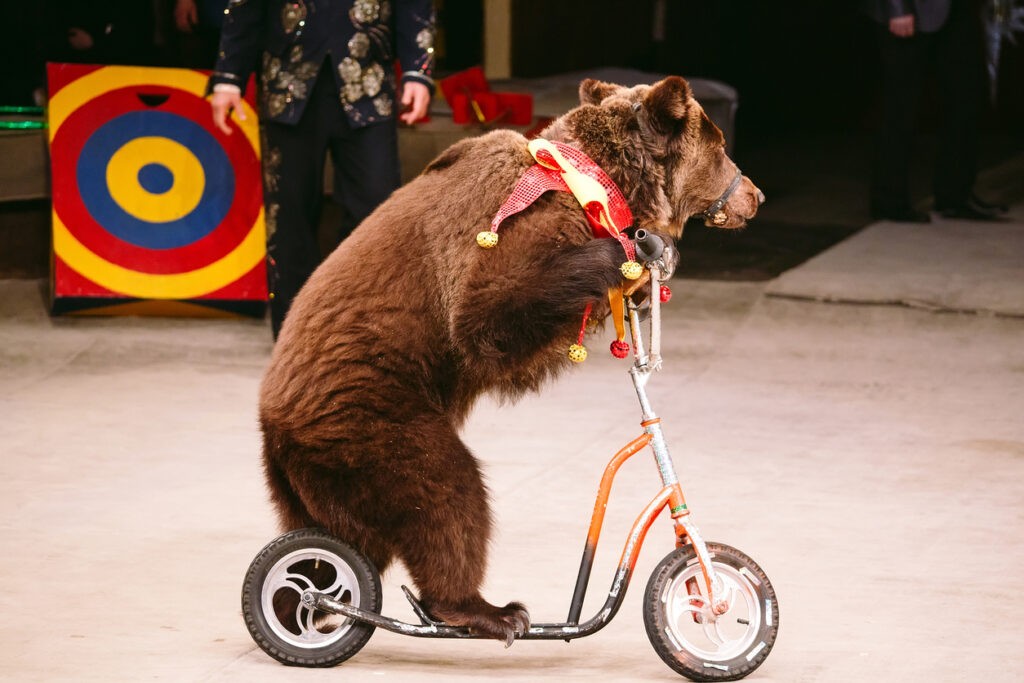
From January 1, 2025, Uzbekistan will ban the use of wild animals in circus performances. This law will affect all circuses, including traveling ones. The ban also restricts individuals' right to keep wild animals at home. The list of animals who must not be allowed to perform in circuses was published on the UzA's Telegram feed. These animals can be kept only in specialized institutions such as zoos, terrariums, and oceanariums established by legal entities with a permit from the Ministry of Ecology. Several countries have laws prohibiting the use of wild animals in circus performances. Corresponding bans are adopted in most European countries, Cyprus, Malta, Hungary, Croatia, Germany, Estonia, Latvia, Finland, Denmark, Ireland, Greece, Croatia, Bosnia and Herzegovina, as in many states of the USA and Canada, in Israel, China, Singapore, Bolivia, Argentina, Brazil, Panama, Paraguay, Peru, Iran, Chile, El Salvador, Ecuador, Australia, India, Taiwan, and many other countries. Kazakhstan will ban petting zoos and dolphinariums from January 1, 2025. In Russia, a bill to restrict the use of animals in circuses was discussed in 2023, but the final decision has yet to be made.

1 year ago

Organization of Turkic States Changes Its Flag

At the 11th summit of the heads of state of the Organization of Turkic States (OTS) in Bishkek, a new flag to represent the organization was adopted. The leaders of Azerbaijan, Kazakhstan, Kyrgyzstan, Turkey, and Uzbekistan—Ilham Aliyev, Kassym-Jomart Tokayev, Sadyr Japarov, Recep Tayyip Erdogan, and Shavkat Mirziyoyev—unanimously approved it as a symbol reflecting the Turkic world's shared values and cultural identity. The flag is designed on a turquoise background, symbolizing a clear sky, peace, and prosperity. In the center are a crescent moon, a star, and a sun with forty equal rays. These elements represent Turkic statehood, vitality, and aspiration for the future. The octagon, symbolizing centuries-old Turkic statehood and stability, expresses the participating countries' common cultural roots and interconnectedness. The sun's rays symbolize light and openness, and the crescent moon and star, well-known symbols of the Turkic world, emphasize the desire for development and progress based on a rich historical heritage. The Organization of Turkic States covers several countries in Eurasia and plays a vital role in their political and economic interaction. Its member countries are Azerbaijan, Kazakhstan, Kyrgyzstan, Turkey, and Uzbekistan, and its observer countries are Turkmenistan and Hungary. The OTS's headquarters are in Istanbul. Adopting the new flag was also a landmark step in strengthening the organization's international status. The first flag of the Organization of Turkic States was adopted in 2012. Earlier, Tokayev summarized the results of Kazakhstan's chairmanship of the Organization of Turkic States. The countries' leaders adopted the Charter of the Turkic World, while central banks of the OTS will create a new Council to strengthen financial cooperation.

1 year ago

Spanish Soccer Coach to Work in Tajikistan

The Tajik Football Federation (TFF) has signed a contract with Spanish coach Claudio Garcia Lara, who has experience working in soccer academies in Spain, England, China, and India. The agreement was made as part of a joint project between the Football Federation of Tajikistan and FIFA's "FIFA Talent Development Scheme" within the "FIFA Talent Coaching" program. UEFA Pro license holder Garcia Lara will work in Tajikistan for two years. He is now coaching the U-14 team, preparing it for tournaments under the auspices of the Asian Football Confederation and the Central Asian Football Association. According to Uvaido Davlatbekov, technical director of the Tajik Football Federation, 27 players from different regions were invited to the U-14 team. The young players train, study, and live at the Istiklol Football Academy in the Almosi settlement of Gissar. The “FIFA Talent Coach” program is designed to occur over two years. The Spanish specialist works with Tajik coaches, and the program's goals are to identify and develop talents and attract the best specialists to work with gifted players. "The project also includes activities to find talented players nationwide and coaching seminars,” Davlatbekov explained. The Tajikistan Football Federation is actively implementing FIFA's Talent Development Scheme, a program to identify and develop young talent. In 2023, following FIFA's recommendations, a technical development program was created, extending until 2026. This program includes identifying players aged 12 to 16 and conducting seminars for youth and women's soccer coaches. The selected players form the core of the Tajikistan U-16 national youth team, which has won CAFA tournaments for two consecutive years.

1 year ago

Regional Civil Aviation Organization Established for the First Time in Central Asia

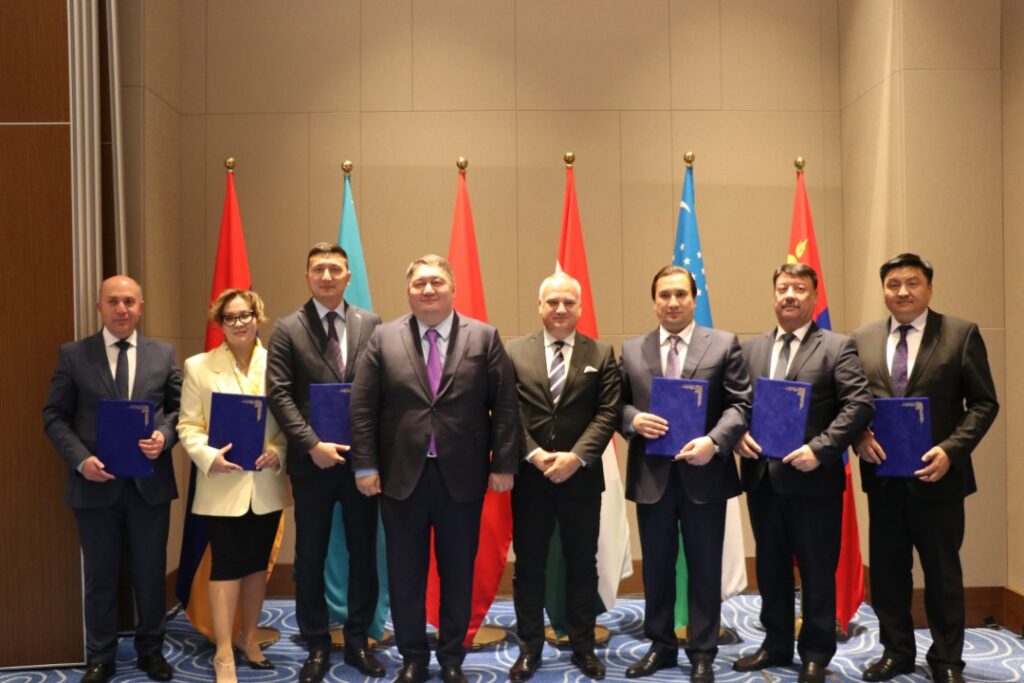
The Eurasian Civil Aviation Conference (EACAC) has held its first meeting in Almaty, with the participation of the aviation authorities from participating countries. The meeting included participants from Armenia, Kazakhstan, Kyrgyzstan, Tajikistan and Uzbekistan, who discussed joint initiatives to strengthen cooperation in flight safety and sustainable aviation development. Representatives from Mongolia also participated as observers. Opening the event, Vice Minister of Transport of Kazakhstan, Talgat Lastayev, noted that EACAC will become a platform to share experiences and address issues related to future challenges in civil aviation. During the meeting, a declaration on the establishment of EACAC was signed, and the document was certified by the Chairman of the Civil Aviation Committee, Saltanat Tompieva, from Kazakhstan. EACAC will allow for the consolidated expression of positions within the framework of interactions with such institutions as the ICAO, the European Commission, IATA, and other international organizations. Katalin Radu, Director General of the Aviation Administration of Kazakhstan, stressed that the new organization would ensure unity in the positions of member countries in the international aviation arena and strengthen cooperation with such associations as ACAO, AFCAC, ECAC, and LACAC. Key tasks of EACAC include the coordination of regional efforts in aviation security, creating common standards, developing unmanned aviation, and training personnel. The initiative was first announced in May 2023 during Kazakhstan's first Aviation Dialogue, “Energy Transition for Sustainable Development and Realization of Central Asia's Transit Potential.” In April 2024, the project was presented during the Directors General of Civil Aviation meeting of the European and North Atlantic Bureau of ICAO (EURNAT-DGCA) in Toulouse, France.

1 year ago

Tajik Activist Ergashev Tried to Commit Suicide Before Deportation from Germany, Reports Associate

Tajik opposition activist Dilmurod Ergashev has attempted suicide before his expected deportation from Germany to Tajikistan. The Insider reports this quoting Ergashev's associate, Sharofiddin Gadoev. According to Gadoev, Ergashev was found in his deportation prison cell with wounds on his stomach, body, and arms, as well as slashed veins. He was taken to a hospital, where he received stitches. “Ergashev realizes that returning to Tajikistan would mean imminent reprisals and repression from Emomali Rahmon's regime. He would rather die than fall into the hands of a regime known for its cruelty to political opponents,” Gadoev said. Gadoev's Reform and Development of Tajikistan movement appealed to the international community and human rights organizations to intervene to prevent Ergashev's deportation. “We demand that the German authorities reconsider their decision and grant Dilmurod Ergashev the protection he deserves as a political refugee. The activist's fate should not be held hostage to bureaucratic decisions. This is a critical moment when the international community must demonstrate unity and determination in defending the rights of those fighting for freedom and justice in their countries,” the statement said. The Times of Central Asia wrote earlier that the deportation order was issued by the Kleve administrative court on October 28, shortly after the activist was detained. The court ordered Ergashev to be deported by November 7, despite his application for political asylum, which is still pending in another court. Ergashev actively opposes the regime of Tajik President Emomali Rahmon and is a member of the opposition Group of 24. He joined the Reform and Development of Tajikistan movement in 2024 and has lived in Germany for 13 years.

1 year ago