
• KGS/USD = 0.01144 0%
  • KZT/USD = 0.00194 -0%
  • TJS/USD = 0.10822 0%
  • UZS/USD = 0.00008 0%
  • TMT/USD = 0.28490 0%
  • KGS/USD = 0.01144 0%
  • KZT/USD = 0.00194 -0%
  • TJS/USD = 0.10822 0%
  • UZS/USD = 0.00008 0%
  • TMT/USD = 0.28490 0%
  • KGS/USD = 0.01144 0%
  • KZT/USD = 0.00194 -0%
  • TJS/USD = 0.10822 0%
  • UZS/USD = 0.00008 0%
  • TMT/USD = 0.28490 0%
  • KGS/USD = 0.01144 0%
  • KZT/USD = 0.00194 -0%
  • TJS/USD = 0.10822 0%
  • UZS/USD = 0.00008 0%
  • TMT/USD = 0.28490 0%
  • KGS/USD = 0.01144 0%
  • KZT/USD = 0.00194 -0%
  • TJS/USD = 0.10822 0%
  • UZS/USD = 0.00008 0%
  • TMT/USD = 0.28490 0%
  • KGS/USD = 0.01144 0%
  • KZT/USD = 0.00194 -0%
  • TJS/USD = 0.10822 0%
  • UZS/USD = 0.00008 0%
  • TMT/USD = 0.28490 0%
  • KGS/USD = 0.01144 0%
  • KZT/USD = 0.00194 -0%
  • TJS/USD = 0.10822 0%
  • UZS/USD = 0.00008 0%
  • TMT/USD = 0.28490 0%
  • KGS/USD = 0.01144 0%
  • KZT/USD = 0.00194 -0%
  • TJS/USD = 0.10822 0%
  • UZS/USD = 0.00008 0%
  • TMT/USD = 0.28490 0%
19 December 2025

Our People > Yunis Sharifli

Yunis Sharifli's Avatar

Contributor

Yunis Sharifli is a Non-Resident Fellow at The China Global South Project, where his research focuses on China’s strategic engagement in Central Asia and the Caucasus, particularly in the areas of energy politics and regional connectivity. His analysis has been featured in prominent foreign policy platforms, including the Carnegie Endowment for International Peace, Royal United Services Institute (RUSI), The National Interest, The Diplomat, The Jamestown Foundation, and Eurasianet.

He regularly contributes commentary and analysis on Eurasian geopolitics and China’s evolving role in the region featured in international outlets such as CNBC, Financial Times, The Economist, Radio Free Europe/Radio Liberty, Voice of America, and the South China Morning Post, as well as regional platforms including AnewZ, and The Caspian Post. He has previously served as a research fellow with the Central Asia Barometer, and the Caucasian Center for International Relations and Strategic Studies, where he contributed research on how regional powers navigate shifting geopolitical dynamics amid intensifying global competition.

Articles

China’s Expanding Electric Bus Footprint in Central Asia

In recent years, there has been a visible increase in electric vehicle exports from China to Central Asia. Although much public attention goes to electric cars, the spread of Chinese electric buses across the region is equally meaningful. Kyrgyzstan provides a clear example of this trend, where manufacturers such as Yutong and Anhui Ankai Automobile have become important actors in the country’s effort to modernize its public transport system. Through the Asian Development Bank-funded Urban Transport Electrification Project, Kyrgyzstan purchased 120 battery electric buses from Anhui Ankai Automobile. A complementary initiative by the European Bank for Reconstruction and Development under its Green City program is supporting the delivery of 95 new 12-meter Yutong buses. The first batch of 20 Yutong vehicles reached the country in November 2025, marking a practical step forward in Kyrgyzstan’s shift toward cleaner transportation. Mutual Benefits and Strategic Alignment Cooperation in the electric bus sector offers advantages for China and Kyrgyzstan in different but interconnected ways. For Chinese companies, emerging markets such as Kyrgyzstan present new commercial openings at a time when access to some advanced markets faces stricter regulatory conditions. Exporting electric buses to Central Asia allows Chinese manufacturers to diversify revenue streams while strengthening their global presence. The growing visibility of Chinese green technologies also fits within the broader vision of the Green Silk Road, which aims to reinforce an image of China as a partner in sustainable development. China’s involvement in Kyrgyzstan’s electric mobility market broadens the scope of bilateral engagement. Previous cooperation often focused on large infrastructure and energy projects. The addition of electric mobility creates a more diversified framework that touches directly on urban life and community-level benefits. Opportunities for Kyrgyzstan’s Green Transition Kyrgyzstan stands to gain significantly from the expansion of electric public transport, especially with the support of multilateral development banks. Access to affordable and modern electric buses enables cities to renew outdated fleets and reduce their reliance on conventional diesel-powered vehicles. Environmental and public health benefits are among the most important outcomes. The transportation sector accounts for an estimated 28% of Kyrgyzstan’s national greenhouse gas emissions, making a transition to cleaner mobility essential for meeting sustainability goals. Electric buses can reduce air pollution in densely populated areas and improve overall urban health. Kyrgyzstan’s electricity mix relies heavily on domestically generated renewable energy, particularly hydropower. This makes the shift to electric mobility even more beneficial. When electric buses are powered by renewable sources, the overall carbon footprint of the fleet is significantly lower. Reduced dependence on imported fossil fuels further strengthens national energy security. A Gradual but Meaningful Transformation The growing presence of Chinese electric buses in Kyrgyzstan reflects a broader regional transformation. Public transport electrification is becoming an important element of Central Asia’s green development path. While challenges remain in finance, maintenance, and charging infrastructure, the overall direction is clear. Partnerships that bring together Chinese manufacturers, multilateral development institutions, and Central Asian governments are creating new opportunities for sustainable mobility. For Kyrgyzstan, these developments support cleaner cities and...

2 weeks ago

Kyrgyzstan’s Renewable Pivot and the Strategic Weight of China’s Rising Role

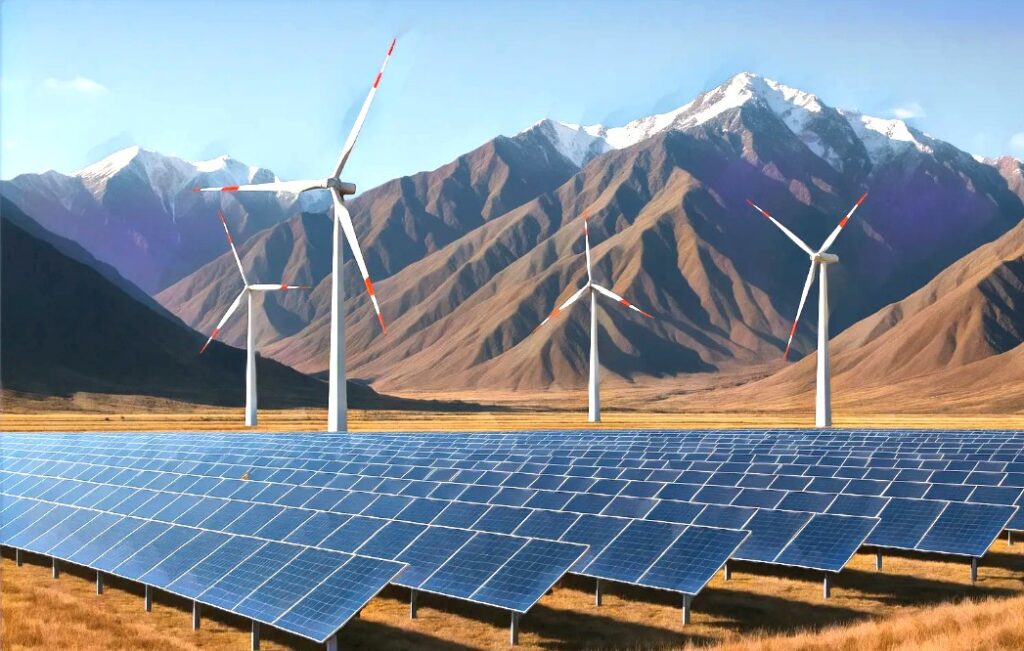
China’s energy engagement in Central Asia has undergone a quiet but decisive transformation since 2018. What was once a relationship built almost entirely on pipelines, hydrocarbons, and state-backed fossil fuel projects is now expanding into a much more diversified portfolio in which renewable energy plays an increasingly central role. Kazakhstan and Uzbekistan were the first to attract large-scale Chinese commitments in solar and wind power, yet Kyrgyzstan is quickly emerging as the newest frontier in this shift. Recent agreements demonstrate how Bishkek is rapidly positioning itself within China’s clean energy expansion. In 2022, Kyrgyzstan signed an agreement with Chinese investors to build a 1-gigawatt solar plant in Issyk-Kul. Furthermore, the government concluded another agreement with Shenzhen Energy Group for the construction of two additional power plants, one solar and one wind. The Energy Ministry has also reached an investment deal with States Technology Co. and San Energy Co. for a 250-megawatt solar facility in Batken. These projects indicate that Chinese capital is not only filling Kyrgyzstan’s immediate energy gaps, but is also beginning to reshape the country’s long-term energy structure. This push toward solar and wind arrives at a critical moment. Kyrgyzstan remains overwhelmingly dependent on hydropower, which generates more than 90% of the country’s electricity. Yet this climate-sensitive resource is now far less stable than in the past. Shifts in water levels driven by changing weather patterns have introduced new uncertainties into the country’s ability to meet domestic demand. At the same time, electricity consumption has surged at an unprecedented rate, rising by nearly one billion kilowatt hours in a single year due to newly launched industrial enterprises and rapid residential construction. The combination of climate volatility and soaring consumption has placed the energy system under severe strain. The government has declared a three-year energy emergency and introduced consumption restrictions designed to save approximately 40 kilowatt hours per month. Under these conditions, diversifying away from near-total reliance on hydropower is no longer optional but an urgent strategic necessity. Solar and wind investments offer a viable path forward. Expanding renewable capacity will give Kyrgyzstan a more predictable and resilient energy base, enabling the country to better manage seasonal shortages and climate-driven disruptions. Kyrgyzstan also imports all of its fossil fuels. As renewable capacity expands and the use of electric vehicles increases, the country could gradually reduce its dependence on oil imports from Russia, easing both financial pressures and geopolitical exposure. For this reason, cooperation with China represents more than a set of commercial transactions. It is evolving into a strategic pillar of Kyrgyzstan’s broader effort to strengthen energy security and modernize its power system. Chinese companies bring financing, technology, and implementation speed, all of which are essential for a country facing immediate and long-term energy risks. The benefits may extend beyond the domestic market. With sufficient renewable capacity, Kyrgyzstan could eventually re-enter regional electricity trade as an exporter. Some estimates suggest that cross-border energy sales could generate up to 220 million dollars annually in foreign currency earnings, providing a significant...

3 weeks ago

Uzbekistan Emerges as Key Market for China’s Real Estate Giants

Since 2021, China’s property sector has been navigating one of the most severe downturns in its history. A combination of mounting developer debt, strict government lending rules, and a large stock of unsold housing has pushed the country’s real estate giants into prolonged distress. As speculative construction slows at home, Chinese companies are increasingly turning outward. Similar to firms in renewable energy, waste-to-energy, and electric vehicle industries, real estate developers now see foreign markets as essential for restoring balance and sustaining growth. In this broader search for new opportunities, Uzbekistan has emerged as a highly compelling destination for Chinese investment. The country offers a rare mix of rapid demographic growth and urgent housing needs that few markets can match. Uzbekistan’s population is expanding at a fast pace, and more than 60,000 new households form every year. This demographic surge is placing enormous strain on the country’s already limited housing stock. Official data shows that around 85,000 families are waiting for housing, yet annual construction increases the existing stock by only one to two percent. The result is a persistent shortage that cannot be resolved without sustained and large-scale capital investment. If this deficit remains unaddressed, it risks creating long-term social frustration. Against this backdrop, the interests of Chinese real estate developers and Uzbekistan’s housing priorities are beginning to align. Chinese firms looking for stable and high-demand markets increasingly view Uzbekistan as an attractive place to expand. Tashkent, in particular, has become a center of growing cooperation with Chinese partners. Several recent agreements illustrate this momentum. The Chinese firm TSC HK Investment is preparing a $340 million project for a residential complex and business center in the Chilanzar district of Tashkent. The city authorities have also signed agreements worth about $1 billion with CSCEC, including a major housing development valued at $440 million. Beyond the capital, another Chinese investor plans to allocate $250 million to build a modern complex covering 55 hectares in the city of Babur in the Andijan region. For Chinese companies, Uzbekistan offers a large and expanding market that helps absorb China’s massive overcapacity in construction services, heavy machinery, and industrial materials such as steel and cement. Investing in Uzbekistan not only eases domestic economic pressure but also allows Chinese firms to demonstrate their capabilities in shaping the daily lives of Uzbek families. Large residential projects provide opportunities to familiarize local communities with Chinese standards, technologies, and urban design practices. When these projects are executed successfully, they can contribute to a positive image of China and strengthen its soft power presence in the country. For Uzbekistan, China’s growing involvement brings several advantages. Chinese investment can help meet the country’s rapidly rising demand for housing and reduce the likelihood of long-term social frustration linked to shortages. Chinese developers often work with integrated models that go beyond simple residential blocks. They build high-density and multi-functional complexes combining housing, business centers, educational facilities, and public services. This approach aligns closely with Uzbekistan’s strategy to encourage sustainable urbanization, improve living conditions, and...

1 month ago

Balancing Act: Kyrgyzstan’s Strategy to Manage Chinese Debt

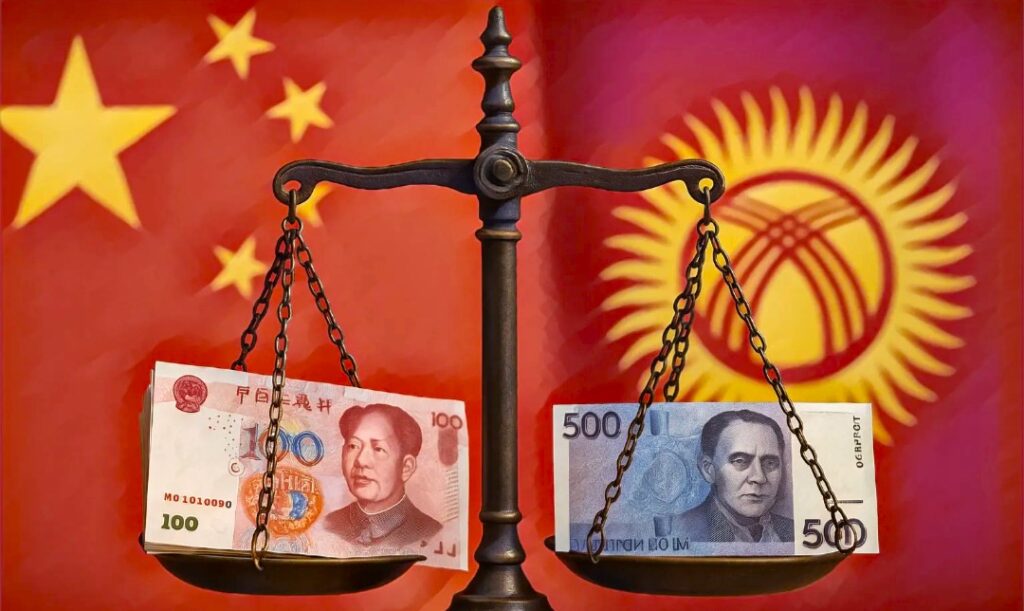
In recent years, China’s economic engagement across Eurasia has become increasingly diverse and complex. What began with large-scale infrastructure projects under the Belt and Road Initiative has expanded into a wide range of sectors, including critical minerals, energy, pharmaceuticals, and textiles. Alongside these investments, China has also deepened its soft power presence through Luban Workshops, educational exchanges, and media cooperation with regional countries. While this growing influence strengthens China’s position as a major development partner, it has also raised public concern about debt dependency. Kyrgyzstan illustrates this issue more clearly than most. In 2022, more than 40% of the country’s official external debt was owed to China. This heavy reliance has sparked debate over whether the relationship creates long-term vulnerabilities that could limit economic independence and policy flexibility. The scale of the debt has generated several layers of concern within Kyrgyz society. Many worry that national resources are being redirected from essential public needs toward debt repayment. Others fear that financial obligations could eventually lead to asset-for-debt arrangements or serve as a tool of political influence. Kyrgyz governments have therefore explored various ways to ease their debt burden, but with limited success. Direct Negotiations with China and Innovative Approaches The first approach has been to negotiate directly with China for relief. However, these talks have mostly produced temporary payment deferrals rather than genuine debt reduction. In November 2020, China Eximbank agreed to postpone $35 million in loan repayments until the period between 2022 and 2024. The agreement remained purely commercial, requiring a 2% fee on the deferred amount and likely continued interest payments. This arrangement differs from the more concessional restructuring models often offered by multilateral lenders or Paris Club members, which are designed to restore debt sustainability and support economic reform. Chinese state lenders such as the Eximbank tend to approach debt through a commercial logic, emphasizing the protection of contracts and the profitability of Belt and Road projects. As a result, debt forgiveness is considered an unattractive option from the perspective of Chinese financial institutions. Kyrgyzstan has also experimented with more innovative ideas. The government proposed that creditors forgive part of its debt in exchange for investments in environmental and climate-related projects. These initiatives, often described as debt-for-nature swaps, would redirect funds from debt service toward renewable energy, reforestation, or carbon reduction programs. Although several European partners expressed interest, China declined to participate in 2024. China’s reluctance reveals an important feature of its lending philosophy. Despite its growing global presence, Chinese state banks continue to prioritize financial security and measurable returns over experimental or non-monetary arrangements. Even when Beijing publicly supports global climate cooperation, its institutions remain cautious about initiatives that fall outside traditional commercial frameworks. Kyrgyzstan’s New Debt Management Strategies Kyrgyzstan’s approach to managing its external debt is undergoing a gradual but meaningful transformation. The government has introduced new policies and sought diversified financial partnerships in an effort to strengthen fiscal stability and reduce dependency on any single creditor. One of the most significant steps has been...

1 month ago

China’s Visa Diplomacy: A Strategic Tool for Influence in Central Asia

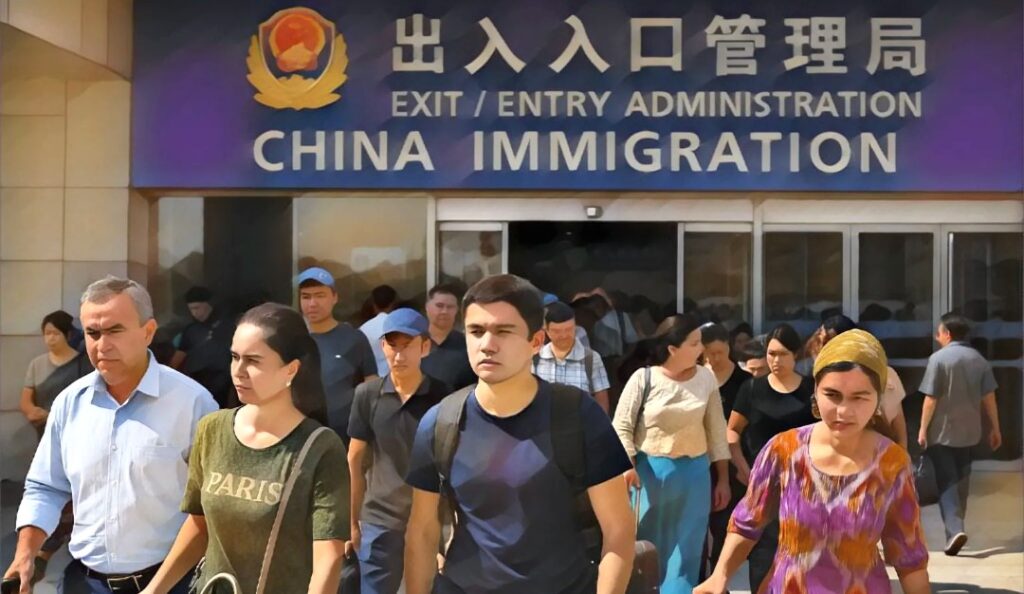
As China’s international influence expands, it is refining its approach to global engagement by combining economic strength with crafted instruments of soft power. While in the past China primarily relied on Confucius Institutes and educational exchange programs to promote cultural understanding and strengthen people-to-people connections, its strategy has evolved into a more diverse and multidimensional framework. In recent years, Beijing has expanded its soft power tools to include Luban Workshops, which transfer technical skills and vocational expertise, and medical cooperation initiatives that enhance China’s reputation as a reliable development partner. These efforts have allowed China to project an image of a country that not only builds infrastructure and invests in markets, but also contributes to human capital and social welfare across the developing world. A newer element in this evolving strategy is visa diplomacy. In a global environment where mobility and connectivity shape international relationships, easing travel restrictions has become a subtle yet effective way to deepen engagement.  As of mid-2025, China has signed or implemented visa-free or unilateral visa exemption agreements with 75 countries, covering tourism, business, family visits, and transit travel. This list includes key Central Asian partners such as Kazakhstan and Uzbekistan, both of which maintain mutual visa exemption agreements with Beijing. The expansion of China’s visa diplomacy brings significant benefits for both China and its Central Asian partners, particularly Kazakhstan and Uzbekistan. For Beijing, this initiative advances two major objectives, strengthening its economy and enhancing its soft power.  On the economic side, visa-free agreements allow China to attract a larger and more diverse group of international visitors, expanding its tourism market beyond traditional regions. While travelers from Europe, Asia, and North America remain the most frequent visitors, there has been a noticeable increase in arrivals from Central Asia.  This trend is already visible in official figures, as in 2024 China recorded 20.1 million foreign entries under visa-free arrangements, representing 74.6 percent of total arrivals and marking a growth of more than 112 percent compared with 2023. Visa-free diplomacy also supports China’s broader development goals by making tourism one of the essential drivers of economic growth and a reliable source of revenue. In 2025, China’s tourism sector, including both domestic and international travel, is expected to contribute a record 13.7 trillion yuan to the national economy.  This figure exceeds pre-pandemic levels by more than ten percent and sustains approximately 83 million jobs. As China expands its visa agreements with Central Asian countries, it aims to attract more visitors from the region, increase tourism income, and deepen regional economic ties. Beyond its economic value, visa-free diplomacy enhances China’s soft power across Central Asia. By facilitating more frequent travel and cultural interaction, China has the opportunity to build a more positive image among Central Asian societies and to strengthen long-term people-to-people relations.  These exchanges can create familiarity and trust, which are essential elements of sustainable diplomacy. When combined with other soft power tools such as educational programs, technical cooperation, and media outreach, visa diplomacy helps China build a balanced...

2 months ago