
• KGS/USD = 0.01143 -0%
  • KZT/USD = 0.00191 0%
  • TJS/USD = 0.10833 0.28%
  • UZS/USD = 0.00008 0%
  • TMT/USD = 0.28575 0%
  • KGS/USD = 0.01143 -0%
  • KZT/USD = 0.00191 0%
  • TJS/USD = 0.10833 0.28%
  • UZS/USD = 0.00008 0%
  • TMT/USD = 0.28575 0%
  • KGS/USD = 0.01143 -0%
  • KZT/USD = 0.00191 0%
  • TJS/USD = 0.10833 0.28%
  • UZS/USD = 0.00008 0%
  • TMT/USD = 0.28575 0%
  • KGS/USD = 0.01143 -0%
  • KZT/USD = 0.00191 0%
  • TJS/USD = 0.10833 0.28%
  • UZS/USD = 0.00008 0%
  • TMT/USD = 0.28575 0%
  • KGS/USD = 0.01143 -0%
  • KZT/USD = 0.00191 0%
  • TJS/USD = 0.10833 0.28%
  • UZS/USD = 0.00008 0%
  • TMT/USD = 0.28575 0%
  • KGS/USD = 0.01143 -0%
  • KZT/USD = 0.00191 0%
  • TJS/USD = 0.10833 0.28%
  • UZS/USD = 0.00008 0%
  • TMT/USD = 0.28575 0%
  • KGS/USD = 0.01143 -0%
  • KZT/USD = 0.00191 0%
  • TJS/USD = 0.10833 0.28%
  • UZS/USD = 0.00008 0%
  • TMT/USD = 0.28575 0%
  • KGS/USD = 0.01143 -0%
  • KZT/USD = 0.00191 0%
  • TJS/USD = 0.10833 0.28%
  • UZS/USD = 0.00008 0%
  • TMT/USD = 0.28575 0%
08 November 2025

Our People > Yunis Sharifli

Yunis Sharifli's Avatar

Contributor

Yunis Sharifli is a Non-Resident Fellow at The China Global South Project, where his research focuses on China’s strategic engagement in Central Asia and the Caucasus, particularly in the areas of energy politics and regional connectivity. His analysis has been featured in prominent foreign policy platforms, including the Carnegie Endowment for International Peace, Royal United Services Institute (RUSI), The National Interest, The Diplomat, The Jamestown Foundation, and Eurasianet.

He regularly contributes commentary and analysis on Eurasian geopolitics and China’s evolving role in the region featured in international outlets such as CNBC, Financial Times, The Economist, Radio Free Europe/Radio Liberty, Voice of America, and the South China Morning Post, as well as regional platforms including AnewZ, and The Caspian Post. He has previously served as a research fellow with the Central Asia Barometer, and the Caucasian Center for International Relations and Strategic Studies, where he contributed research on how regional powers navigate shifting geopolitical dynamics amid intensifying global competition.

Articles

China’s Visa Diplomacy: A Strategic Tool for Influence in Central Asia

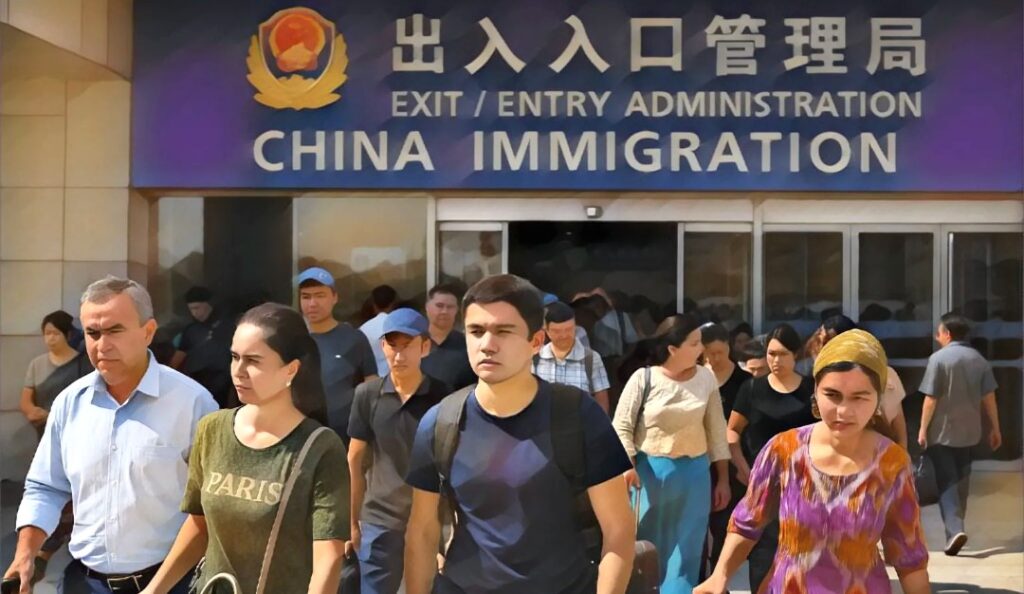
As China’s international influence expands, it is refining its approach to global engagement by combining economic strength with crafted instruments of soft power. While in the past China primarily relied on Confucius Institutes and educational exchange programs to promote cultural understanding and strengthen people-to-people connections, its strategy has evolved into a more diverse and multidimensional framework. In recent years, Beijing has expanded its soft power tools to include Luban Workshops, which transfer technical skills and vocational expertise, and medical cooperation initiatives that enhance China’s reputation as a reliable development partner. These efforts have allowed China to project an image of a country that not only builds infrastructure and invests in markets, but also contributes to human capital and social welfare across the developing world. A newer element in this evolving strategy is visa diplomacy. In a global environment where mobility and connectivity shape international relationships, easing travel restrictions has become a subtle yet effective way to deepen engagement.  As of mid-2025, China has signed or implemented visa-free or unilateral visa exemption agreements with 75 countries, covering tourism, business, family visits, and transit travel. This list includes key Central Asian partners such as Kazakhstan and Uzbekistan, both of which maintain mutual visa exemption agreements with Beijing. The expansion of China’s visa diplomacy brings significant benefits for both China and its Central Asian partners, particularly Kazakhstan and Uzbekistan. For Beijing, this initiative advances two major objectives, strengthening its economy and enhancing its soft power.  On the economic side, visa-free agreements allow China to attract a larger and more diverse group of international visitors, expanding its tourism market beyond traditional regions. While travelers from Europe, Asia, and North America remain the most frequent visitors, there has been a noticeable increase in arrivals from Central Asia.  This trend is already visible in official figures, as in 2024 China recorded 20.1 million foreign entries under visa-free arrangements, representing 74.6 percent of total arrivals and marking a growth of more than 112 percent compared with 2023. Visa-free diplomacy also supports China’s broader development goals by making tourism one of the essential drivers of economic growth and a reliable source of revenue. In 2025, China’s tourism sector, including both domestic and international travel, is expected to contribute a record 13.7 trillion yuan to the national economy.  This figure exceeds pre-pandemic levels by more than ten percent and sustains approximately 83 million jobs. As China expands its visa agreements with Central Asian countries, it aims to attract more visitors from the region, increase tourism income, and deepen regional economic ties. Beyond its economic value, visa-free diplomacy enhances China’s soft power across Central Asia. By facilitating more frequent travel and cultural interaction, China has the opportunity to build a more positive image among Central Asian societies and to strengthen long-term people-to-people relations.  These exchanges can create familiarity and trust, which are essential elements of sustainable diplomacy. When combined with other soft power tools such as educational programs, technical cooperation, and media outreach, visa diplomacy helps China build a balanced...

2 weeks ago

Beyond Infrastructure: China’s New Environmental Footprint in Central Asia

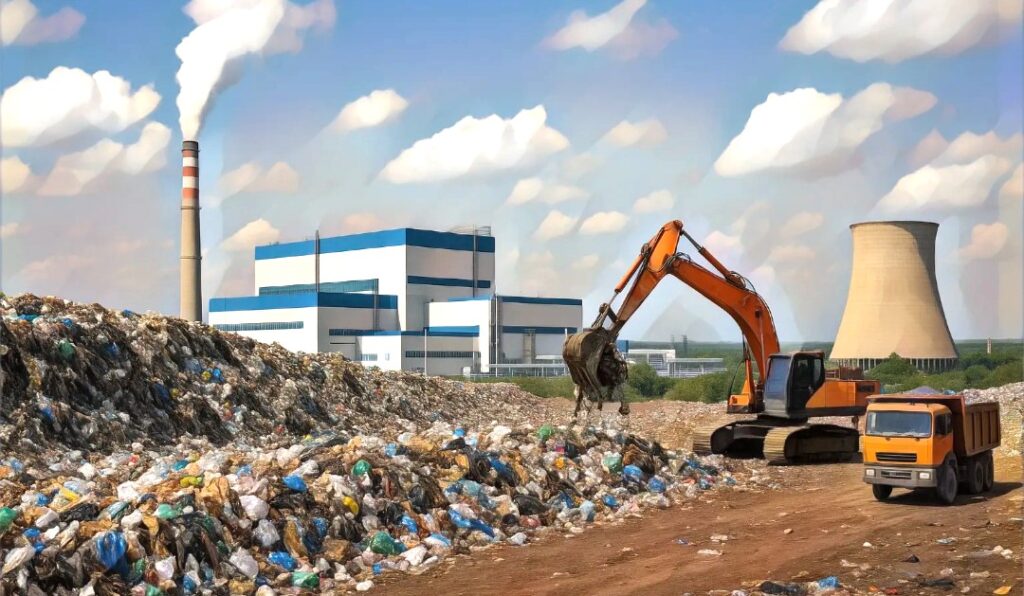
Uzbekistan’s economy is expanding at one of the fastest rates in Central Asia, creating new opportunities for businesses and citizens alike. Yet this rapid growth also brings challenges that the country must learn to manage. Among them, one of the most pressing issues is the growing problem of waste management, which has become an unfortunate consequence of economic progress. Over the past decade, the volume of municipal solid waste in Uzbekistan has increased steadily. It rose from about 6.1 million tons in 2010 to 7 million tons in 2017, and current projections suggest that annual waste generation could reach as high as 16 million tons by 2028. Currently, the country generates around 14 million tons of waste annually, but only a small portion of this - approximately 5% - is recycled. Landfills now release more than seven million tons of greenhouse gases every year, and more than forty thousand tons of toxic waste seep into the soil, threatening both the environment and public health. The government of Uzbekistan has recognized the urgency of the issue and placed waste management at the heart of its green development agenda. Alongside the promotion of renewable energy and electric vehicles, the authorities are investing in waste-to-energy projects that can help convert solid waste into electricity. This approach can reduce the amount of waste going to landfills while providing a cleaner source of energy. China’s Role in Uzbekistan’s Waste-to-Energy Development To implement these projects, Uzbekistan is actively cooperating with foreign partners who can bring technology, investment, and experience. Among these partners, China has emerged as a leading player. Chinese companies, facing a saturated domestic market, are increasingly looking abroad for new opportunities. Uzbekistan’s ambitious targets in waste management perfectly align with this interest, creating a partnership that benefits both sides. Several large-scale projects have already been launched. China’s CAMC Engineering is investing about $350 million to build two waste-to-energy plants in the Andijan and Tashkent regions. Another Chinese company, Shanghai SUS Environment, has signed an agreement with Uzbekistan’s Waste Management Agency to develop projects using advanced green technology. In addition, China Everbright Environment Group has announced the creation of joint ventures with Uzbek partners Maxsus and CR No.17 Second Engineering. These partnerships will result in two new plants in Namangan and Ferghana, each with an estimated cost of $283 million. Opportunities and Risks These initiatives promise significant benefits. For China, they open the door to exporting green technologies, generating new revenue, and deepening economic ties in Central Asia. The growing demand for waste-to-energy projects across the region also creates opportunities for China to share its proven technological model, helping partner countries build capacity while integrating more closely into China’s expanding technological ecosystem. Beyond the economic gains, this cooperation is shaping China’s broader image. Through such environmentally focused projects, Beijing is gradually being seen not only as a builder of physical infrastructure but also as a provider of innovative and sustainable solutions. This transformation strengthens China’s soft power and adds new depth to its Belt and...

2 weeks ago

Beneath the Silk Road: China’s Archaeological Diplomacy in Uzbekistan

As China’s economic footprint expands across Central Asia, Beijing is quietly pursuing another, subtler form of influence - one that reaches beneath the soil rather than above it. Alongside highways, pipelines, and industrial parks, China is investing in archaeological diplomacy that uses shared history and cultural discovery to deepen ties with its neighbors. Uzbekistan has emerged as a key partner in this effort. Beyond trade and infrastructure, the two countries are now working hand in hand to uncover the remnants of ancient civilizations that once thrived along the Silk Road. This collaboration combines science and strategy, offering a soft power approach that complements China’s growing hard power presence in the region. Across Uzbekistan’s Surkhandarya, Samarkand, Ferghana, and Khorezm regions, joint Chinese-Uzbek teams are making discoveries. One notable example is the joint Chinese-Uzbek team working at the Chinar-Tepa site in the upper Surkhandarya River valley, where researchers have uncovered more than 30 ancient house foundations along with a rich collection of cultural artifacts. Another major project has revealed the remains of an Iron Age city-state in the Surkhandarya River basin in southern Uzbekistan. These findings are the result of three excavation seasons conducted between 2024 and 2025, during which the joint team surveyed 47 sites across the basin and identified the area as a major center of ancient Bactria. This cooperation is not just confined to the field. In October 2023, Ferghana State University and Chinese partners launched a joint archaeology department. Their subsequent joint studies of the ancient city of Kuva have revealed key insights into urban planning, including city walls, moats, and roads dating back centuries. Meanwhile, China’s funding for the restoration of the ancient city of Khiva highlights another layer of cultural collaboration on the preservation of shared heritage. For both countries, archaeology is more than an academic pursuit; it's a bridge between culture, economy, and future cooperation. For Uzbekistan, cities like Samarkand, Bukhara, and Khiva are already world-renowned tourist destinations. The government’s ambition to attract up to 15 million foreign visitors underscores tourism’s growing role in national development. Unearthing new historical sites expands this potential, offering travelers a richer experience that spans both the pre-Islamic and Islamic eras. Each discovery deepens the cultural map of Uzbekistan, and each new site means more visitors, more investment, and greater economic diversification for the state. Beyond the economic dimension, the partnership with China is also cultivating a new generation of experts in archaeology and heritage preservation. Many members of these joint excavation teams belong to the post-2000 generation, young professionals who are gaining firsthand experience through collaboration. With access to cutting-edge technologies such as drone-based aerial photography, geomagnetic surveying, and 3D modeling, Uzbek archaeologists and students are learning to combine traditional excavation with modern science. Over time, this knowledge transfer strengthens the country’s human capital base, empowering Uzbekistan to pursue its own archaeological research and heritage conservation independently on a larger scale. For China, promoting joint archaeological exploration aligns closely with the Belt and Road Initiative’s vision of soft connectivity....

3 weeks ago

Climbing the Value Chain: Uzbekistan’s Textile Transformation Through Chinese Investment

As relations between China and Uzbekistan deepen, cooperation is no longer confined to the traditional pillars of energy and infrastructure. The partnership has begun to branch into new and diverse areas, adding layers of complexity and opportunity to their bilateral ties. Emerging sectors such as pharmaceuticals and waste-to-energy are gaining traction, signaling a shift toward a more multidimensional relationship. At the same time, the textile industry has become an increasingly important bridge between the two countries, offering fresh avenues for collaboration. Recent agreements highlight this momentum. In the upstream segment of Uzbekistan’s textile sector, China Hi-Tech Holding has committed to a major investment in synthetic fiber and viscose yarn production. This move is particularly significant for Uzbekistan, as it reduces reliance on cotton and secures inputs essential for modern mixed-fabric production. Midstream, cooperation is expanding as well. An agreement between Uzbekistan and China’s Fong Group to develop dyeing and finishing facilities for mixed fabrics underscores the practical steps being taken to create a more integrated textile supply chain. These developments also reflect a broader trend of growing Chinese interest in Uzbekistan’s domestic market and its strategic location at the crossroads of the Middle East and Europe. With its young population and export potential, Uzbekistan is increasingly attractive to Chinese textile companies. The Red Dragonfly Group’s plan to establish a manufacturing base in Uzbekistan by 2026 is a clear example of how Chinese firms see the country not only as a production hub but as a gateway to wider regional markets. One of the main reasons Uzbekistan is emerging as a crucial destination for Chinese companies is the shifting incentive structure that encourages the relocation of manufacturing capacity abroad. Rising labor costs in China, particularly in the labor-intensive textile sector, are placing companies under pressure amid fierce domestic competition. In contrast, Uzbekistan offers an appealing alternative where the average monthly wage for a skilled worker is around 200-400 dollars, and energy costs are just 0.04 dollars per kilowatt-hour. Together, these factors significantly lower production costs and make the country highly attractive for firms seeking to maintain competitiveness. Equally important are Uzbekistan’s proactive regulatory policies, which create a favorable business climate for foreign investors. The government has relied heavily on Special Economic Zones and Small Industrial Zones and offers tiered incentive packages that reward higher commitments. Investors contributing between 3 and 5 million dollars receive three years of income tax holidays, while investments of 5 to 15 million dollars are rewarded with a five-year exemption. Those exceeding 15 million dollars benefit from an unprecedented ten-year tax holiday. Moreover, starting in September 2025, the social tax rate for textile companies and clusters will be cut to 1% for three years. At the same time, imports of blended fabrics and raw materials for the leather and sericulture industries will be exempt from customs duties. These measures provide Chinese companies with tangible cost advantages that rival opportunities in Southeast Asia. Another powerful driver is geopolitics. Growing trade tensions between China and the West, particularly the...

1 month ago

Wheels of Influence: China’s Electric Vehicle Push in Central Asia

As domestic competition intensifies and protectionist barriers rise in Western markets, Chinese electric vehicle (EV) manufacturers are increasingly looking outward. One region emerging as a key destination is Central Asia, where China’s green tech ambitions align with local efforts to modernize and decarbonize transport systems. From affordable passenger cars aimed at private drivers to electric buses transforming public transit, Chinese EVs are quietly gaining traction across Kazakhstan, Uzbekistan, Kyrgyzstan, and Tajikistan. Companies like Yutong are supplying e-buses for urban mobility, while fleets of electric taxis are beginning to appear in Dushanbe’s streets. This growing presence is more than just commercial - it signals a deeper shift in China’s regional engagement strategy, using clean technology as a vehicle for influence in a strategically contested space. There is an upward trend in the import of electric vehicles from China to Central Asia, particularly in Kazakhstan and Uzbekistan. In 2024, Uzbekistan imported over 24,000 EVs, with Chinese manufacturers accounting for a staggering 99.5% of all imports. This marked an increase of more than 8,000 units compared to 2023 - nearly a 1.5-fold growth in just one year. A similar surge is visible in Kazakhstan. In 2023, the country imported around 6,875 Chinese EVs, but by 2024, although official figures are yet to be released, industry reports indicate a 36-fold increase in the sales of Chinese EVs year-on-year. Drivers of Import: Policy and Perception The surge in EV imports into Central Asia is driven by a convergence of motivations from both China and the region’s domestic policies. On the supply side, the rapid influx of Chinese EVs reflects a blend of strategic export redirection by Chinese automakers and receptive policy environments in the region. Faced with mounting trade restrictions and increasing regulatory pressure in Western markets, Chinese EV producers are pivoting toward emerging economies to safeguard growth. Central Asia has become a promising destination due to its untapped consumer base. On the demand side, Central Asian governments are enacting supportive policies to accelerate the green transition, making EV imports more accessible. For example, Uzbekistan has removed both excise taxes and customs duties on imported electric vehicles, while Kazakhstan and Kyrgyzstan benefit from a Eurasian Economic Union ruling that extends duty-free EV imports until the end of 2025, creating a favorable environment for consumers and fleet operators. In addition to these policy frameworks, a growing positive perception of Chinese EVs has emerged across the region. Chinese manufacturers are seen as offering a combination of affordability and quality, a crucial advantage in price-sensitive markets like Central Asia. For consumers and taxi fleet operators, the appeal goes beyond the sticker price - electric vehicles are significantly cheaper to operate. Unlike gasoline-powered cars that require frequent oil changes and filter maintenance, EVs offer lower long-term operating costs, making them a practical and economically attractive choice. Beyond Exports: Assembling a Local Presence However, China’s electric vehicle expansion in Central Asia goes beyond exports - it increasingly involves local production through joint ventures and assembly plants. In Uzbekistan, the state-owned...

2 months ago