• KGS/USD = 0.01144 0%
  • KZT/USD = 0.00196 -0%
  • TJS/USD = 0.10899 -0%
  • UZS/USD = 0.00008 -0%
  • TMT/USD = 0.28490 0%
  • KGS/USD = 0.01144 0%
  • KZT/USD = 0.00196 -0%
  • TJS/USD = 0.10899 -0%
  • UZS/USD = 0.00008 -0%
  • TMT/USD = 0.28490 0%
  • KGS/USD = 0.01144 0%
  • KZT/USD = 0.00196 -0%
  • TJS/USD = 0.10899 -0%
  • UZS/USD = 0.00008 -0%
  • TMT/USD = 0.28490 0%
  • KGS/USD = 0.01144 0%
  • KZT/USD = 0.00196 -0%
  • TJS/USD = 0.10899 -0%
  • UZS/USD = 0.00008 -0%
  • TMT/USD = 0.28490 0%
  • KGS/USD = 0.01144 0%
  • KZT/USD = 0.00196 -0%
  • TJS/USD = 0.10899 -0%
  • UZS/USD = 0.00008 -0%
  • TMT/USD = 0.28490 0%
  • KGS/USD = 0.01144 0%
  • KZT/USD = 0.00196 -0%
  • TJS/USD = 0.10899 -0%
  • UZS/USD = 0.00008 -0%
  • TMT/USD = 0.28490 0%
  • KGS/USD = 0.01144 0%
  • KZT/USD = 0.00196 -0%
  • TJS/USD = 0.10899 -0%
  • UZS/USD = 0.00008 -0%
  • TMT/USD = 0.28490 0%
  • KGS/USD = 0.01144 0%
  • KZT/USD = 0.00196 -0%
  • TJS/USD = 0.10899 -0%
  • UZS/USD = 0.00008 -0%
  • TMT/USD = 0.28490 0%
08 December 2025

Large exhibition of Kazakhstan’s contemporary art opens in South Korea

ASTANA (TCA) — The National Museum of Kazakhstan has opened the exhibition “Eurasian Utopia: Post Scriptum” at Suwon Ipark Museum of Art in South Korea. The exhibition was organized in collaboration with the museum. More than 100 works of 57 artists of the Soviet period and modern times are presented. The exhibition is the fourth and final in a series of foreign events of the Focus Kazakhstan international project, the official website of the Prime Minister of Kazakhstan reported.

Continue reading

Kyrgyzstan: Governments change but the environmental problems remain

BISHKEK (TCA) — Kyrgyzstan’s capital Bishkek is gradually turning from one of the greenest cities of the former Soviet Union into a gassed and smoggy one. The public outrage intensifies in cold seasons, when a shroud of smog covers Bishkek, and subsides in spring. The Government and state agencies regularly make decisions to improve the environmental situation in the capital but it is getting worse every year.

Continue reading

Russia’s Gazprom confirms interest in cooperation with Turkmenistan

ASHGABAT (TCA) — Alexey Miller, Board Chairman of Russian natural-gas giant Gazprom, confirmed the interest of the Russian company in cooperation with Turkmenistan and implementation of joint projects during the meeting with Turkmen President Gurbanguly Berdimuhamedov in Ashgabat on November 28, State News Agency of Turkmenistan reported.

Having highlighted that Turkmenistan is always open for efficient business contacts with foreign partners, especially with leading world companies, the Turkmen President noted traditional friendly character of Turkmen–Russian cooperation in the fuel and energy sphere.

Berdimuhamedov and Miller exchanged the visions on priority directions of partnership taking into account the strategy in the fuel and energy sector aimed at comprehensive modernization and diversification of infrastructure, increase in production and processing, and development of the petrochemical industry.

In this context, the resumption of procurement of Turkmen natural gas by Gazprom was discussed. The existing Intergovernmental Agreement between Turkmenistan and the Russian Federation on cooperation in the gas sphere until 2028 is the main document regulating bilateral relations in this sector.

During his visit to Ashgabat on October 9, Miller said that Gazprom was going to resume imports of natural gas from Turkmenistan. He said that purchases which had been suspended three years ago due to price disputes may resume starting from January 1, 2019.

“We are talking about the resumption of purchases of Turkmen gas by Gazprom in the very near future — from January 1, 2019,” Miller then said, adding that details of the new deal still must be finalized.

Russia was once the leading importer of Turkmen gas until it was displaced by China around the beginning of the decade, RFE/RL reported.

Relatively cheap imports of gas from Turkmenistan and other Central Asian countries enabled Russia to boost its exports to Europe.

In 2015, Gazprom announced its intention to cut imports of Turkmen gas to 4 billion cubic meters per year, down from the 10 billion level that it had been importing since 2010.

The move was followed by a complete cessation of purchases announced at the beginning of 2016, putting significant pressure on Turkmenistan’s economy, which is highly dependent on hydrocarbons as a source of hard currency.

Gas deliveries to China from Turkmenistan along the Central Asia-China pipeline are currently between 30 and 40 billion cubic meters a year.

Uzbekistan: World Bank welcomes government’s economic reform priorities

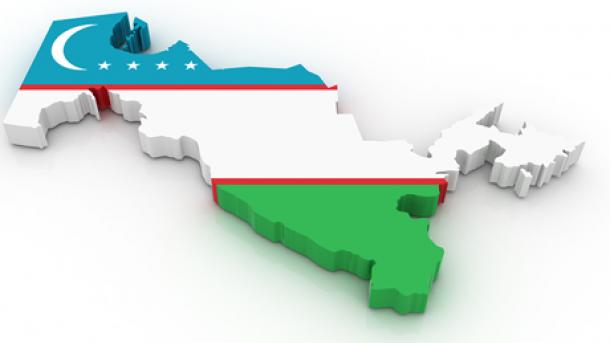
TASHKENT (TCA) — The Government of Uzbekistan announced the agenda for the next phase of its bold and ambitious reforms. The Reform Roadmap, revealed on November 29, outlines the Government’s economic reform priorities over the next three years (2019-2021).

The focus of the Roadmap is to sustain the momentum of Uzbekistan’s transition to a competitive market-led economy. The World Bank says it welcomes these positive developments, and will continue its strong partnership with the Government in support of sustained economic growth and higher living standards for the citizens of Uzbekistan.

The Reform Roadmap presented by the Government contains five major pillars: (i) to maintain macroeconomic stability; (ii) to accelerate the market transition; (iii) to strengthen social protection and citizen services; (iv) to strengthen government’s role in a market economy; and (v) to preserve environmental sustainability. The reform priorities within each pillar draw on lessons learned from the market transitions of other countries but are also firmly based in Uzbekistan’s unique context.

In just under two years, Uzbekistan has achieved significant progress in reforming the economy. Importantly, authorities have placed a strong emphasis on safeguarding vulnerable citizens from the negative impact of the reforms. The Government has also invested heavily in public consultations and citizen engagement to improve feedback loops between citizens and the government, the World Bank said.

While much has been achieved in a short time, considerable challenges remain to ensure sustained growth and job creation. These include further reforms to administrative price controls, the performance of state-owned enterprises, and measures to ensure an efficient and well-functioning financial sector. These challenges are complex and will require sustained effort by policymakers. The Reform Roadmap will serve as an important tool to address these issues.

Moreover, the proposed Economic Council, which was also announced on November 29, is a welcome development, the World Bank said. The Council is expected to play a key role in coordinating, recommending and monitoring key economic reforms. The Economic Council will also serve as an important platform to draw on local and international expertise to ensure evidence-based analyses and decisions.

“The World Bank Group is committed to maintaining a close partnership with the Government as it prepares to enter a more complex phase of reforms. We will continue supporting efforts to improve the well-being of the citizens of Uzbekistan,” said Lilia Burunciuc, the World Bank’s Regional Director for the Central Asia Region.

The World Bank Group has rapidly scaled up its support to Uzbekistan since the start of the reforms. The program in Uzbekistan is one of the World Bank’s largest in the Europe and Central Asia region, with 18 projects under implementation totaling US$ 3.3 billion. Focus has been on economic and institutional reforms, agriculture, human capital development, water supply and sanitation, energy, transport, digital and regional development.