• KGS/USD = 0.01144 0%
  • KZT/USD = 0.00194 0%
  • TJS/USD = 0.10879 0%
  • UZS/USD = 0.00008 0%
  • TMT/USD = 0.28571 0%
  • KGS/USD = 0.01144 0%
  • KZT/USD = 0.00194 0%
  • TJS/USD = 0.10879 0%
  • UZS/USD = 0.00008 0%
  • TMT/USD = 0.28571 0%
  • KGS/USD = 0.01144 0%
  • KZT/USD = 0.00194 0%
  • TJS/USD = 0.10879 0%
  • UZS/USD = 0.00008 0%
  • TMT/USD = 0.28571 0%
  • KGS/USD = 0.01144 0%
  • KZT/USD = 0.00194 0%
  • TJS/USD = 0.10879 0%
  • UZS/USD = 0.00008 0%
  • TMT/USD = 0.28571 0%
  • KGS/USD = 0.01144 0%
  • KZT/USD = 0.00194 0%
  • TJS/USD = 0.10879 0%
  • UZS/USD = 0.00008 0%
  • TMT/USD = 0.28571 0%
  • KGS/USD = 0.01144 0%
  • KZT/USD = 0.00194 0%
  • TJS/USD = 0.10879 0%
  • UZS/USD = 0.00008 0%
  • TMT/USD = 0.28571 0%
  • KGS/USD = 0.01144 0%
  • KZT/USD = 0.00194 0%
  • TJS/USD = 0.10879 0%
  • UZS/USD = 0.00008 0%
  • TMT/USD = 0.28571 0%
  • KGS/USD = 0.01144 0%
  • KZT/USD = 0.00194 0%
  • TJS/USD = 0.10879 0%
  • UZS/USD = 0.00008 0%
  • TMT/USD = 0.28571 0%
16 December 2025

Daesh threatens Central Asia and Russia from Afghanistan — Russian security chief

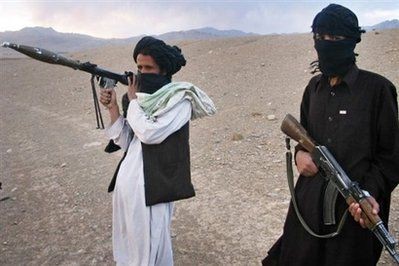
BISHKEK (TCA) — Russian Federal Security Service (FSB) Director Alexander Bortnikov has said that the Daesh (Islamic State) extremist group has given up the idea of establishing a caliphate in the Middle East and is now trying to create a global terrorist network using their foothold in Afghanistan to plot attacks in Russia, China, Iran, India, and Central Asia countries, Sputnik news agency reports.

“The bandits are most actively moving [from Syria and Iraq] to the territory of Afghanistan, where Daesh positions have already been established, from where they receive the opportunity to infiltrate into Central Asia, Iran, China, and India. Using the Afghan foothold, the terrorists are also attempting to carry out attacks against Russia,” Bortnikov said at a meeting of Russia’s special services chiefs in the city of Krasnodar on October 4.

Bortnikov also said that terror groups managed to establish close ties with ethnic criminal groups in both Europe and Russia.

“The gang leaders established strong ties with major ethnic organized criminal groups, which supply them with arms, documents necessary for legalization, and support them in other ways,” the FSB director said, adding that “the leaders of international terrorist structures are broadly using migration flows to achieve their goals, which makes it possible for militants and terrorists to enter target countries under the disguise of refugees or labor migrants with the borders being fully or partially open.”

According to Bortnikov, international terrorist groups have given up the idea of establishing a caliphate in Syria and Iraq in the face of a total defeat and set the new goal of creating a global terror network.
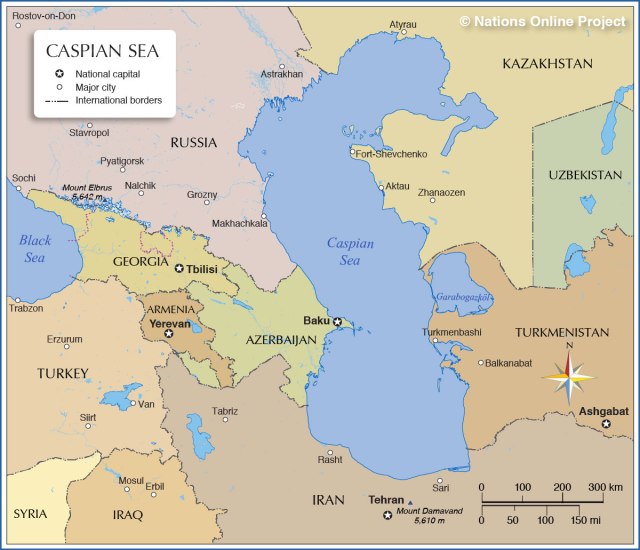

Iran and Russia sign Caspian oil exploration deal, as Caspian legal status is yet to be determined

TEHRAN (TCA) — Iran has signed an agreement with Russia’s LUKOIL oil company to jointly look for hydrocarbon reserves in the southern parts of the Caspian Sea. The agreement is significant given that the Caspian littoral states — Azerbaijan, Iran, Kazakhstan, Russia, and Turkmenistan — are yet to determine maritime and seabed boundaries of the Sea, Iran’s PressTV news agency reported.

Continue reading

Government drafts measures to improve business environment in Kazakhstan

ASTANA (TCA) — A meeting of Kazakhstan’s Government on October 3 considered a draft law to improve the regulation of entrepreneurial activity in the country, the official website of the Prime Minister of Kazakhstan reported.

At the meeting, Minister of National Economy Timur Suleimenov reported that the bill aims to reform the state control of businesses; reform the permits system; develop self-regulation of business; identify and exclude norms that hinder competition; decrease business costs; improve the mechanisms for identifying and eliminating price and tariff collusion; develop business support measures; and improve Kazakhstan’s position in the Doing Business ranking.

In total, the bill introduces about 1000 amendments to 13 codes and 103 laws.

One of the main innovations of the bill is the introduction of preventive control, which should radically change the mentality and behavior of the inspection bodies toward the policy of “prevention and control” of offenses instead of the current “detection and punishment” policy.

As a result of such measures, the number of inspections of businesses will be reduced by 30% by 2018, and by another 10% by 2020.

Also, in-depth work is being carried out to optimize and simplify the licensing system for business. In 2016, a reform was carried out on a 50% reduction in permits, resulting in the number of permits decreasing from 708 to 316. To continue this work, it is proposed to make appropriate changes and additions to the law “On Permits and Notifications”.

To further develop the self-regulation system, introduced in 2016, amendments are proposed for additional incentives. To date, voluntary self-regulation is practiced in the areas of bookmaking, environmental auditing, tax advice, and fire safety. The introduction of mandatory self-regulation in the areas of valuation activities and environmental auditing activities has already been worked out and amendments are included in the draft laws for the current year. In addition, this issue is being studied in 6 potential areas (appraisal, notarial, advocacy, audit activities, environmental auditing activities and non-departmental complex expertise of construction projects).

In addition, the draft law provides for reforms on seven indicators of the World Bank’s Doing Business ranking: “Opening of enterprises”, “Contract execution”, “Construction permit”, “Protection of minority investors”, “Resolving insolvency”, “Getting credit”, and “Registration of property”.

As a result of the Government meeting, Prime Minister Bakytzhan Sagintayev instructed the Ministry of National Economy to submit the draft law to Parliament by the end of October.