• KGS/USD = 0.01144 0%
  • KZT/USD = 0.00194 -0%
  • TJS/USD = 0.10877 -0%
  • UZS/USD = 0.00008 0%
  • TMT/USD = 0.28571 0%
  • KGS/USD = 0.01144 0%
  • KZT/USD = 0.00194 -0%
  • TJS/USD = 0.10877 -0%
  • UZS/USD = 0.00008 0%
  • TMT/USD = 0.28571 0%
  • KGS/USD = 0.01144 0%
  • KZT/USD = 0.00194 -0%
  • TJS/USD = 0.10877 -0%
  • UZS/USD = 0.00008 0%
  • TMT/USD = 0.28571 0%
  • KGS/USD = 0.01144 0%
  • KZT/USD = 0.00194 -0%
  • TJS/USD = 0.10877 -0%
  • UZS/USD = 0.00008 0%
  • TMT/USD = 0.28571 0%
  • KGS/USD = 0.01144 0%
  • KZT/USD = 0.00194 -0%
  • TJS/USD = 0.10877 -0%
  • UZS/USD = 0.00008 0%
  • TMT/USD = 0.28571 0%
  • KGS/USD = 0.01144 0%
  • KZT/USD = 0.00194 -0%
  • TJS/USD = 0.10877 -0%
  • UZS/USD = 0.00008 0%
  • TMT/USD = 0.28571 0%
  • KGS/USD = 0.01144 0%
  • KZT/USD = 0.00194 -0%
  • TJS/USD = 0.10877 -0%
  • UZS/USD = 0.00008 0%
  • TMT/USD = 0.28571 0%
  • KGS/USD = 0.01144 0%
  • KZT/USD = 0.00194 -0%
  • TJS/USD = 0.10877 -0%
  • UZS/USD = 0.00008 0%
  • TMT/USD = 0.28571 0%
16 December 2025

Kyrgyzstan, Kazakhstan exchange diplomatic notes over Nazarbayev-Babanov meeting

BISHKEK (TCA) — Kyrgyzstan and Kazakhstan on September 20 exchanged diplomatic protests after Kazakhstan President Nursultan Nazarbayev met with a Kyrgyz presidential candidate, Omurbek Babanov, in Almaty on September 19. The meeting was considered by official Bishkek as meddling in Kyrgyzstan’s internal politics, RFE/RL reported.

The meeting, which came just over three weeks before Kyrgyzstan holds an election to replace President Almazbek Atambayev, prompted an angry note from the Kyrgyz Foreign Ministry.

“The Kyrgyz side considers the statements [made during the meeting] and the wide coverage of the meeting by the Kazakh side as an attempt to influence the choice of Kyrgyzstan’s people and interference into Kyrgyzstan’s internal affairs,” the Kyrgyz Foreign Ministry said.

Kazakhstan responded hours later with a similarly pointed message expressing “extreme surprise” at Bishkek’s statement.

“The meetings of the head of state with prominent politicians and leaders of political parties of different countries at their request take place on a regular basis and fully comply with international practice,” the Kazakh Foreign Ministry said, adding that on August 14 in Astana, Nazarbayev held a similar meeting with another Kyrgyz presidential candidate, ex-Prime Minister Sooronbai Jeenbekov.

Babanov, who served as prime minister in 2011-12, is a rival to the candidate that Atambayev has endorsed, Sooronbai Jeenbekov, who himself stepped down as prime minister last month.

During the meeting with Babanov in Kazakhstan’s largest city, Almaty, Nazarbayev “stressed the necessity to further strengthen ties between the two brotherly nations,” according to the presidential office.

“During the years of Kyrgyzstan’s independence, I have always tried to work fruitfully with all your presidents,” he told Babanov. “We will be continuing to effectively cooperate with a new president the Kyrgyz nation will grant the trust.”

Babanov was quoted as saying that when he was prime minister, Nazarbayev was “always providing us with all possible assistance.”
Kazakhstan’s new Subsoil Code to attract investment in mining industry

ASTANA (TCA) — One of the purposes of the draft Code on the Subsoil and Subsoil Use is to increase the investment attractiveness of Kazakhstan’s mining industry, the Vice Minister for Investment and Development Timur Toktabayev said at a briefing following the Government’s meeting on September 19, the official website of the Prime Minister of Kazakhstan reported.

Continue reading

Uzbekistan hosts ERASMUS+ Week

TASHKENT (TCA) — ERASMUS+ Week is taking place in Tashkent from 18 to 22 September, the National Office of Erasmus+ in Uzbekistan said. The aim of the event is to develop further cooperation between the universities of Uzbekistan and the states of Europe.

Continue reading

Plan to clean up Central Asia uranium mining legacy signed

BISHKEK (TCA) — A Strategic Master Plan aimed to overcome the legacy of uranium mining in Central Asia was signed by Tajikistan, Uzbekistan, the IAEA, the EC, and the EBRD at the IAEA General Conference in Vienna on September 18, the EBRD reported on its website.

Kyrgyzstan and Russia have confirmed their intention to join shortly.

The Plan was developed by a group of experts established by the International Atomic Energy Agency (IAEA). It sets out a detailed blueprint for the environmental remediation of priority sites in Kyrgyzstan, Tajikistan, and Uzbekistan.

These three countries are in the scope of the Environmental Remediation Account for Central Asia (ERA) established at the EBRD in 2015 at the initiative of the European Commission (EC). The fund will manage international donor support to deal with the challenges originating from legacy sites and affecting local populations and the environment.

In order to ensure a coordinated, timely and cost-effective approach in accordance with international conventions and agreements, the Plan ranks remediation measures in terms of risks and priorities. It also develops an integrated approach for evaluating the remediation needs of each site. All of this flows into a programme detailing precisely the main tasks or activities, along with schedules, key milestones and costs.

The total cost of all measures outlined in the Plan is estimated at €210 million. Of this amount, €56 million has already been made available by the EU, the Commonwealth of Independent States (CIS) and the World Bank.

Work on the seven priority sites that will be covered by ERA is estimated to cost €85 million. While so far the European Commission is the sole contributor to ERA, with €16 million, a donor conference in 2018 will aim to close the funding gap.

Balthasar Lindauer, EBRD Deputy Director, Nuclear Safety, said: “We welcome the agreement on the Strategic Master Plan. This key document will be our joint roadmap for addressing the urgent issue of the legacy of uranium mining in Central Asia. Today’s signing marks very important progress and also demonstrates the determination of all parties present today to address this challenge. We appeal to the international community to join this effort to create a safe and healthy environment for the people of Central Asia.”

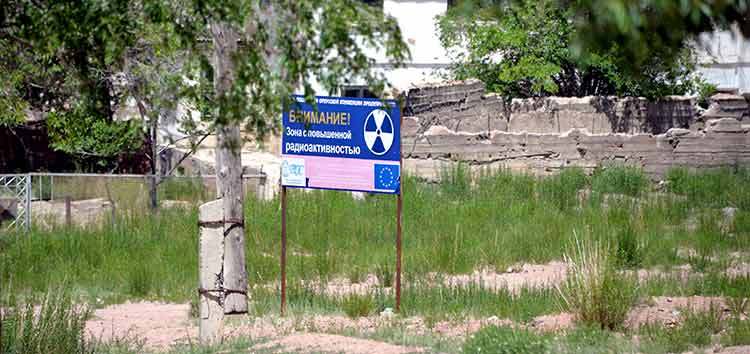
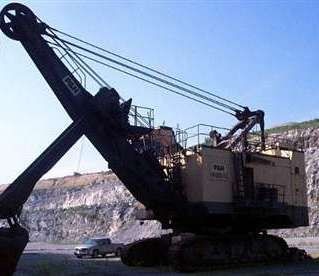
Central Asia served as an important source of uranium in the former Soviet Union. A large amount of radioactively contaminated material was placed in the waste dumps and tailing sites of mines. Most of these mines were closed by 1995 but very little remediation work was done. The accumulated radioactive material in the region is a threat to the environment and to the health of local populations.