• KGS/USD = 0.01144 0%
  • KZT/USD = 0.00211 0%
  • TJS/USD = 0.10460 0.19%
  • UZS/USD = 0.00008 0%
  • TMT/USD = 0.28490 0%
  • KGS/USD = 0.01144 0%
  • KZT/USD = 0.00211 0%
  • TJS/USD = 0.10460 0.19%
  • UZS/USD = 0.00008 0%
  • TMT/USD = 0.28490 0%
  • KGS/USD = 0.01144 0%
  • KZT/USD = 0.00211 0%
  • TJS/USD = 0.10460 0.19%
  • UZS/USD = 0.00008 0%
  • TMT/USD = 0.28490 0%
  • KGS/USD = 0.01144 0%
  • KZT/USD = 0.00211 0%
  • TJS/USD = 0.10460 0.19%
  • UZS/USD = 0.00008 0%
  • TMT/USD = 0.28490 0%
  • KGS/USD = 0.01144 0%
  • KZT/USD = 0.00211 0%
  • TJS/USD = 0.10460 0.19%
  • UZS/USD = 0.00008 0%
  • TMT/USD = 0.28490 0%
  • KGS/USD = 0.01144 0%
  • KZT/USD = 0.00211 0%
  • TJS/USD = 0.10460 0.19%
  • UZS/USD = 0.00008 0%
  • TMT/USD = 0.28490 0%
  • KGS/USD = 0.01144 0%
  • KZT/USD = 0.00211 0%
  • TJS/USD = 0.10460 0.19%
  • UZS/USD = 0.00008 0%
  • TMT/USD = 0.28490 0%
  • KGS/USD = 0.01144 0%
  • KZT/USD = 0.00211 0%
  • TJS/USD = 0.10460 0.19%
  • UZS/USD = 0.00008 0%
  • TMT/USD = 0.28490 0%

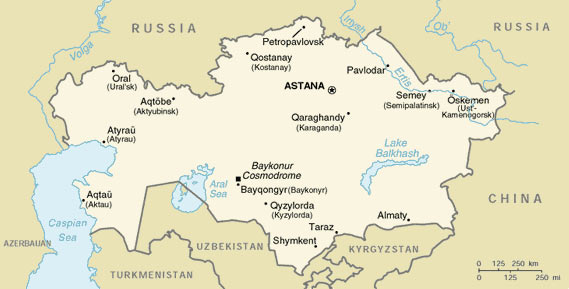
Kazakhstan expects to earn up to $5.5 billion through sale of state assets

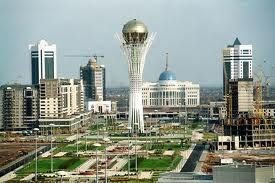
ASTANA (TCA) — Investors are mainly interested in privatization of 47 large assets of Kazakhstan’s Samruk-Kazyna national wealth fund. Depending on IPO strategies of these companies, the amount of expected revenues for Kazakhstan can range from $3.5 billion to $5.5 billion, Deputy Minister of National Economy Serik Zhumangarin said at a press conference on January 18, the official website of the Prime Minister of Kazakhstan reported.

“Investors are mainly interested in 47 large assets of the Samruk-Kazyna fund. Assets to be privatized through IPO are Kazakhstan Temir Zholy national railways company, KazMunayGas national oil and gas company, Kazatomprom national atomic company, Samruk-Energy, Air Astana, Kazpost, and Tau-Ken Samruk. Depending on the decisions to be made regarding IPO strategy of these companies, the amount of expected proceeds from the IPOs can vary from $3.5 billion to $5.5 billion — a fairly large sum,” said Zhumangarin.

He also said that in the oil and gas industry, 10 companies are offered for privatization, 11 in the railroads, 11 in nuclear power, eight in the energy sector, in civil aviation (apart from Air Astana) it is planned to sell four companies, four in the defense industry, and five companies in other spheres. At the moment, the assets are being prepared for sale.

“All assets, the so-called top 65, are being prepared [for sale] with the help of foreign consultants who recommend the procedure, the form of sale (whether through an IPO or direct targeted sale to a strategic investor), and all this is being considered by the state commission on economic modernization,” the deputy minister said.
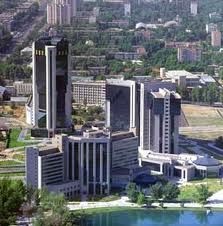
World Bank pledges support for Uzbekistan’s ambitious reforms

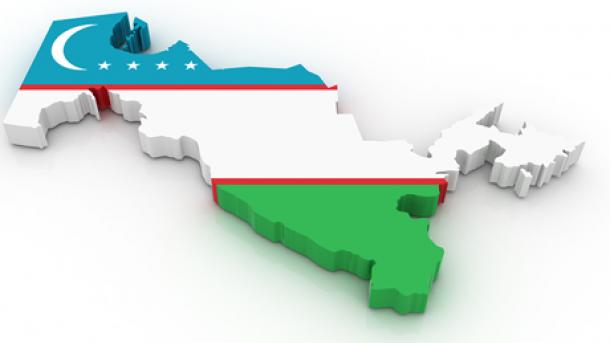
TASHKENT (TCA) — World Bank Chief Executive Officer Kristalina Georgieva on January 18 welcomed Uzbekistan’s wide ranging reforms to boost the country’s economy and improve the lives of all Uzbek citizens. Georgieva met with President Shavkat Mirziyoyev, senior government and parliamentary leaders, and representatives from the private sector and civil society. She offered World Bank Group support to the country’s reform program, in particular in the areas of agriculture modernization, public service delivery, and private sector development.

Continue reading

Central Asia leaders should end repressive policies — watchdog

BISHKEK (TCA) — Political leaders in Kyrgyzstan and Uzbekistan should use the window of opportunity offered by political change in their countries to improve human rights, Human Rights Watch said on January 18 in releasing its World Report 2018. Leaders of Kazakhstan, Tajikistan, and Turkmenistan should also end repressive policies documented during 2017 and prioritize rights, the rights watchdog said.

Continue reading

A year in review: Uzbekistan pursues liberalization at home, neighborly relations abroad

TASHKENT (TCA) — The year 2017 was marked in Uzbekistan by the President’s efforts to reform the tightly-controlled economy and financial sector, liberalize the internal political sphere, and improve the country’s tense relations with neighboring Central Asian states. Although much has been done on the domestic and foreign fronts, it is yet to be done much more to bring in the real changes to Uzbekistan, and to make such changes irreversible. We are republishing this article by Umida Hashimova on the issue, originally published by The Jamestown Foundation’s Eurasia Daily Monitor:

Continue reading