• KGS/USD = 0.01144 0%
  • KZT/USD = 0.00213 0%
  • TJS/USD = 0.10456 0.19%
  • UZS/USD = 0.00008 0%
  • TMT/USD = 0.28490 0%
  • KGS/USD = 0.01144 0%
  • KZT/USD = 0.00213 0%
  • TJS/USD = 0.10456 0.19%
  • UZS/USD = 0.00008 0%
  • TMT/USD = 0.28490 0%
  • KGS/USD = 0.01144 0%
  • KZT/USD = 0.00213 0%
  • TJS/USD = 0.10456 0.19%
  • UZS/USD = 0.00008 0%
  • TMT/USD = 0.28490 0%
  • KGS/USD = 0.01144 0%
  • KZT/USD = 0.00213 0%
  • TJS/USD = 0.10456 0.19%
  • UZS/USD = 0.00008 0%
  • TMT/USD = 0.28490 0%
  • KGS/USD = 0.01144 0%
  • KZT/USD = 0.00213 0%
  • TJS/USD = 0.10456 0.19%
  • UZS/USD = 0.00008 0%
  • TMT/USD = 0.28490 0%
  • KGS/USD = 0.01144 0%
  • KZT/USD = 0.00213 0%
  • TJS/USD = 0.10456 0.19%
  • UZS/USD = 0.00008 0%
  • TMT/USD = 0.28490 0%
  • KGS/USD = 0.01144 0%
  • KZT/USD = 0.00213 0%
  • TJS/USD = 0.10456 0.19%
  • UZS/USD = 0.00008 0%
  • TMT/USD = 0.28490 0%
  • KGS/USD = 0.01144 0%
  • KZT/USD = 0.00213 0%
  • TJS/USD = 0.10456 0.19%
  • UZS/USD = 0.00008 0%
  • TMT/USD = 0.28490 0%

Central Asia leaders should end repressive policies — watchdog

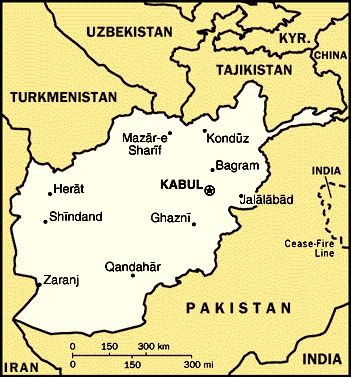
BISHKEK (TCA) — Political leaders in Kyrgyzstan and Uzbekistan should use the window of opportunity offered by political change in their countries to improve human rights, Human Rights Watch said on January 18 in releasing its World Report 2018. Leaders of Kazakhstan, Tajikistan, and Turkmenistan should also end repressive policies documented during 2017 and prioritize rights, the rights watchdog said.
Continue reading

A year in review: Uzbekistan pursues liberalization at home, neighborly relations abroad

TASHKENT (TCA) — The year 2017 was marked in Uzbekistan by the President’s efforts to reform the tightly-controlled economy and financial sector, liberalize the internal political sphere, and improve the country’s tense relations with neighboring Central Asian states. Although much has been done on the domestic and foreign fronts, it is yet to be done much more to bring in the real changes to Uzbekistan, and to make such changes irreversible. We are republishing this article by Umida Hashimova on the issue, originally published by The Jamestown Foundation’s Eurasia Daily Monitor:

Continue reading