• KGS/USD = 0.01144 0%
  • KZT/USD = 0.00210 0%
  • TJS/USD = 0.10438 0%
  • UZS/USD = 0.00008 0%
  • TMT/USD = 0.28490 0%
  • KGS/USD = 0.01144 0%
  • KZT/USD = 0.00210 0%
  • TJS/USD = 0.10438 0%
  • UZS/USD = 0.00008 0%
  • TMT/USD = 0.28490 0%
  • KGS/USD = 0.01144 0%
  • KZT/USD = 0.00210 0%
  • TJS/USD = 0.10438 0%
  • UZS/USD = 0.00008 0%
  • TMT/USD = 0.28490 0%
  • KGS/USD = 0.01144 0%
  • KZT/USD = 0.00210 0%
  • TJS/USD = 0.10438 0%
  • UZS/USD = 0.00008 0%
  • TMT/USD = 0.28490 0%
  • KGS/USD = 0.01144 0%
  • KZT/USD = 0.00210 0%
  • TJS/USD = 0.10438 0%
  • UZS/USD = 0.00008 0%
  • TMT/USD = 0.28490 0%
  • KGS/USD = 0.01144 0%
  • KZT/USD = 0.00210 0%
  • TJS/USD = 0.10438 0%
  • UZS/USD = 0.00008 0%
  • TMT/USD = 0.28490 0%
  • KGS/USD = 0.01144 0%
  • KZT/USD = 0.00210 0%
  • TJS/USD = 0.10438 0%
  • UZS/USD = 0.00008 0%
  • TMT/USD = 0.28490 0%
  • KGS/USD = 0.01144 0%
  • KZT/USD = 0.00210 0%
  • TJS/USD = 0.10438 0%
  • UZS/USD = 0.00008 0%
  • TMT/USD = 0.28490 0%

Uzbekistan and Russia sign nuclear cooperation agreement

TASHKENT (TCA) — Russia’s Rosatom State Atomic Energy Corporation and the Government of Uzbekistan have signed a nuclear cooperation agreement.

Rosatom said the agreement was signed by the company’s Director General Alexey Likhachev and Uzbek Deputy Prime Minister Nodir Otazhonov on December 29.

“The agreement paves the way for bilateral cooperation between Russia and Uzbekistan in many aspects of civil nuclear energy. The collaboration could include creation and development of infrastructure in Uzbekistan, training, construction of nuclear power plants and research reactors, as well as operational and maintenance support during their life cycle,” Rosatom said in a statement.

The Russian company also said the agreement could also cover “exploration and mining of uranium, handling of uranium waste and the production of radioisotopes for use in medicine, agriculture and academic research.”

Likhachev said that Rosatom was ready to build a two-unit nuclear power plant in Uzbekistan and has offered to start training Uzbek nuclear experts-to-be at Moscow’s expense beginning in September 2018, RFE/RL reported.

In early November, during a visit to Tashkent by Russian Prime Minister Dmitry Medvedev, a memorandum on cooperation between Rosatom and Uzbekistan’s Academy of Science was signed, along with an agreement on production and provision of nuclear fuel by Uzbekistan for Rosatom.
Kyrgyzstan: tour guides receive international certification

BISHKEK (TCA) — Guides from Kyrgyzstan have received certification from the World Federation of Tourist Guide Associations (WFTGA), an organization that unites over 200,000 tour guides from 70 countries. Thirty-one tour guides received certificates after completing a series of training courses organized by the Association, with support from the United States Agency for International Development (USAID), the US Embassy in Bishkek said.

Continue reading

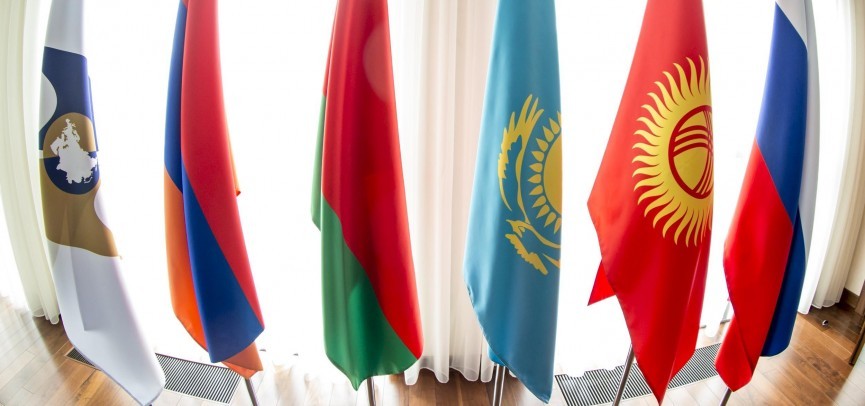
Approval of EEU by member states’ population down by 10% — survey

BISHKEK (TCA) — The Eurasian Economic Union (EEU) continues to enjoy significant trust and support from between 50% and 83% of the population of its five member states (Armenia, Belarus, Kazakhstan, Kyrgyzstan, and Russia), as well as Tajikistan (69%). At the same time, positive attitudes towards Eurasian integration have been declining gradually, both in the EEU countries and beyond, according to population surveys in seven countries (five EEU member states, Tajikistan and Moldova) conducted by the Eurasian Development Bank (EDB) Centre for Integration Studies and Eurasian Monitor, an international partnership.

Continue reading

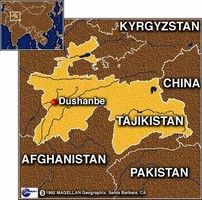
Tajikistan: increased vulnerability to potential shocks despite sustained growth

DUSHANBE (TCA) — According to official estimates, real GDP in Tajikistan grew by 6.8% during the first nine months of 2017, compared with 6.7% a year earlier. Growth was pulled along by net exports, due in particular to high external demand for Tajikistan’s mineral resources, general improvement in the terms of trade and pick-up in private consumption as remittances rose by over 22%, according to the World Bank’s Tajikistan Economic Update, Fall 2017.

Continue reading