• KGS/USD = 0.01144 0%
  • KZT/USD = 0.00211 0%
  • TJS/USD = 0.10460 0%
  • UZS/USD = 0.00008 0%
  • TMT/USD = 0.28571 0.28%
  • KGS/USD = 0.01144 0%
  • KZT/USD = 0.00211 0%
  • TJS/USD = 0.10460 0%
  • UZS/USD = 0.00008 0%
  • TMT/USD = 0.28571 0.28%
  • KGS/USD = 0.01144 0%
  • KZT/USD = 0.00211 0%
  • TJS/USD = 0.10460 0%
  • UZS/USD = 0.00008 0%
  • TMT/USD = 0.28571 0.28%
  • KGS/USD = 0.01144 0%
  • KZT/USD = 0.00211 0%
  • TJS/USD = 0.10460 0%
  • UZS/USD = 0.00008 0%
  • TMT/USD = 0.28571 0.28%
  • KGS/USD = 0.01144 0%
  • KZT/USD = 0.00211 0%
  • TJS/USD = 0.10460 0%
  • UZS/USD = 0.00008 0%
  • TMT/USD = 0.28571 0.28%
  • KGS/USD = 0.01144 0%
  • KZT/USD = 0.00211 0%
  • TJS/USD = 0.10460 0%
  • UZS/USD = 0.00008 0%
  • TMT/USD = 0.28571 0.28%
  • KGS/USD = 0.01144 0%
  • KZT/USD = 0.00211 0%
  • TJS/USD = 0.10460 0%
  • UZS/USD = 0.00008 0%
  • TMT/USD = 0.28571 0.28%
  • KGS/USD = 0.01144 0%
  • KZT/USD = 0.00211 0%
  • TJS/USD = 0.10460 0%
  • UZS/USD = 0.00008 0%
  • TMT/USD = 0.28571 0.28%

IFC, UK and Switzerland help improve investment climate in Kyrgyzstan

BISHKEK (TCA) — On December 12, IFC, a member of the World Bank Group, released the results of a five-year program which aimed to help Kyrgyzstan to improve the business environment and to promote private investments in order to create jobs and support sustainable economic development. The initiative is part of the IFC Central Asia Investment Climate Program, which is funded by the government of Switzerland and the United Kingdom’s Department for International Development, the Embassy of Switzerland in the Kyrgyz Republic said.

Continue reading

Uzbekistan restoring closer military ties with Russia

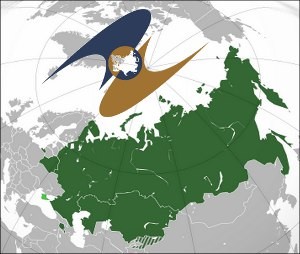
TASHKENT (TCA) — Moscow is taking steps to restore its military cooperation with Tashkent, in an apparent move to lure Uzbekistan back to the Russia-led Collective Security Treaty Organization, and possibly make the Uzbek leadership think about joining another Russia-led bloc — the Eurasian Economic Union. We are republishing this article by Joshua Kucera on the issue, originally published by EurasiaNet.org:

Uzbekistan has agreed to buy Russian attack helicopters, the latest sign that the new leadership in Tashkent is committed to reversing the country’s previous policy of shunning Moscow’s military advances.

The purchase of the 12 Mi-35 helicopters wasn’t formally announced, but reported by Russian news agency TASS, citing a “diplomatic source.” The source said the deal was reached after “prolonged negotiations” during the visit of Prime Minister Dmitri Medvedev to Tashkent in November.

The deal appears to be the first significant arms purchase made under the leadership of Shavkat Mirziyoyev, who assumed power last year after the death of longtime president Islam Karimov. Mirziyoyev has been opening up the country in a variety of directions, including in the military sphere.

And he seems to be opening up to no one as much as Russia. In October the two countries held their first joint military exercises since 2005. Uzbekistan also took part, albeit in a limited fashion, in Russia-led exercises in Tajikistan earlier this year, which would not have happened under Karimov.

Karimov had distrusted Russia, and many of Uzbekistan’s most noteworthy arms acquisitions under him came from Europe, the United States, or China.

Given the apparent new pro-Russian mood in Tashkent, Moscow’s arms manufacturers have high hopes.

Viktor Murakhovskiy, editor of the Russian military magazine Arsenal Otechestva, said Uzbekistan has a large shopping list from Moscow, from small arms to Su-30SM fighter aircraft. “They have out-of-date armored vehicles, out-of-date air defense systems, out-of-date aviation, strike aircraft,” Murakhovskiy said in an interview with Pravda. In the interview, published before the Mi-35 deal became public, he also called attention to their out-of-date helicopters: “In terms of quantity they have quite a few helicopters, but we have to remember that a large part of them are not flightworthy.”

He also said that Tashkent was seeking loans from Moscow for the purchases, “taking into account the need to renovate or modernize all their weapons systems.”

The repairing of defense ties with Moscow actually began in the twilight of the Karimov administration. In 2014 Karimov managed to settle Uzbekistan’s old debts with Russia, which was portrayed as a way of opening up new lines of credit for new weapons sales. And Karimov in April 2016 also managed to negotiate Uzbekistan’s right to buy Russian weapons at the discounted rates that Russia generally reserves for its partners in the Collective Security Treaty Organization.

These gestures may in fact be aimed at getting Uzbekistan to rejoin the CSTO, as well as its sister economic organization, the Eurasian Economic Union, argued analyst Fozil Mashrab in a recent piece in Eurasia Daily Monitor. Uzbekistan dropped out of the CSTO in 2012 and Russia, understanding that any serious integration project in Central Asia has to include Uzbekistan, has barely hidden its desire to lure Tashkent back.

“Russia is undoubtedly facilitating trade, investment, and military relations with Uzbekistan in this way in order to demonstrate to the new leadership in Tashkent the practical benefits of close cooperation with Moscow,” Mashrab wrote. “As such, this situation could easily turn out to have been a temporary ‘free trial’ session, susceptible to unilateral changes by the Kremlin, rather than a permanent arrangement, if Uzbekistan continues to stay out of the Russian-led integrationist organizations.”

Eurasian Economic Union countries see Russia as main ally — poll

BISHKEK (TCA) — When asked what countries are friendly and can support their country in a difficult time, the majority of respondents that participated in population surveys in seven countries (five Eurasian Economic Union member countries, Tajikistan and Moldova) named the CIS region. The population of Tajikistan, Kyrgyzstan, and Kazakhstan express the highest trust in their CIS neighbors for the sixth year in a row (95%, 94% and 90%, respectively).

Continue reading

Kazakh-British Business Council meets in London

ASTANA (TCA) — The 4th meeting of the Kazakh-British Intergovernmental Commission for trade, economic, scientific, technical and cultural cooperation and the 2nd meeting of the Kazakh-British Business Council took place in London on December 11, the official website of the Prime Minister of Kazakhstan reported.

The delegation of Kazakhstan was headed by the Minister for Investments and Development, Zhenis Kassymbek.

Minister Kassymbek in his welcoming speech expressed his gratitude to the UK Government and Kazakhstan’s sovereign wealth fund Samruk-Kazyna for organizing and hosting the Kazakh-British Business Council, which helps bring together the business circles of the two countries.

He noted that in 2017, Kazakh-British cooperation shows positive dynamics: for the first 9 months of the year, the export from Kazakhstan to Great Britain grew by 8.2% and amounted to $720 million.

Great Britain is one of the six largest investors in Kazakhstan. Over the past 12 years, the inflow of direct investment into Kazakhstan has exceeded $12 billion. There are over 500 joint ventures with the participation of British capital in Kazakhstan.

The main goal of the Kazakh-British Business Council meeting was to share the positive developments taking place in Kazakhstan’s national companies with the international community, as well as to familiarise British companies with the investment opportunities in Kazakhstan, Samruk-Kazyna said.

“Through this event and a number of upcoming bilateral meetings that we intend to organise, we aim to strengthen economic relations between the UK and Kazakhstan and attract more British investment in our country,” said Baljeet Kaur Grewal, Managing Director for Strategy and Portfolio Management of Samruk-Kazyna.

Emma Nicholson, Baroness Nicholson of Winterbourne, Trade Representative of the Prime Minister of the United Kingdom in Kazakhstan, added: “British financial services and legal advisers are working hard to boost the development of the Astana International Financial Centre, and will continue to do so. London remains the financial centre of Europe, and is willing to work with Kazakhstan to implement its ambitious privatisation programme, which has proved successful so far.”

Erlan Idrissov, Ambassador of Kazakhstan to Great Britain, noted: “The very fact that this economic event is taking place reflects the strength of the bilateral relationship between our two countries. I am very proud that at the end of the year in which we celebrated the 25th anniversary of relations between the UK and Kazakhstan, we are enjoying this busy day full of economic dialogue.”